Global Arts, Culture and Politics (Cultuurwetenschappen)

Studieprogramma

We leven in een periode van grote wereldwijde overgangen en urgente problemen. Klimaatverandering, roofkunst en nepnieuws domineren onze media, museumtentoonstellingen en performance art. De bachelor Global Arts, Culture and Politics geeft je de nodige vaardigheden en kennis om om te gaan met de problemen en uitdagingen van nu, vanuit een interdisciplinair perspectief.
Bachelor

Studieprogramma in het kort

Centraal in het programma staat het bestuderen van kunst als medium, de brede geschiedenis van kunst en de relatie tussen macht en representatie. Cultuur, ecologie, duurzaamheid en kunstmatige intelligentie worden vanuit verschillende perspectieven onderzocht. Je leert begrijpen hoe hedendaagse cultuur sterk gepolitiseerd is. Ook analyseer je hoe kunstmatige intelligentie invloed heeft op ons dagelijkse leven en wat de gevolgen hiervan zijn op ethisch, politiek en sociologisch gebied. Je leert waardevolle skills om wereldwijde problemen te leren begrijpen en analyseren, zoals (academisch) schrijven, creëren (websites, video’s, tentoonstellingen), archiefonderzoek, discoursanalyse, spreken in het openbaar, debatteren, programmeren, interviewtechnieken en kwantitatief onderzoeken, en leert deze in te zetten tijdens projecten.

vakkenec
  • Culture Wars: Introducing Culture and Social Justice
    Period 1
    6
    Struggles for social justice often make use of cultural symbols, artistic forms of expression and language as a tool of dissent. They thereby challenge hard-wired assumptions around the stability of cultures and call into question who belongs or is excluded from culture’s terrains.
  • Historicising the Global
    Period 1
    3
    This course traces and unsettles the emergence of “The Global” through key artistic, cultural and historical developments of the past 500 years, and investigates alternative global histories and imaginaries through varied cultural and artistic practices.
  • Skills: Writing About Arts, Culture and Politics
    Period 1
    3
    This course provides a foundation in writing for different media and purposes, with an emphasis on basic academic writing. Students practise various styles, give editorial feedback, and work with AI tools while producing texts such as an opinion piece.
  • Philosophy of Science and the Humanities
    Period 2
    6
    Students are introduced to key modes of thought at the intersection of Science and the Humanities and to formative debates from which lasting frameworks of analysis emerged in the 20th century.
  • Skills: Visual Literacy
    Period 2
    3
    In museums, students learn to look at, describe and analyse artworks, formulate an opinion based on their observations, and apply these analytical tools to non-art objects.
  • Writing Women into History: Introducing Curating the Past
    Period 2
    3
    This course introduces the challenges and consequences of revisionist history through the example of women and gender inequality, and teaches methods and instruments to approach topical questions.
  • The Power of Persuasion I: Argumentation and Rhetoric in the Information Age
    Period 3
    6
    Students are introduced to core concepts from argumentation theory and the rhetorical tradition, explore persuasive discourse in domains such as political communication and online platforms, and learn to think critically about how persuasive communication shapes opinions and behaviours.
  • Cultural Sociology
    Period 4
    6
    Students study influential thinkers and foundational theories of sociology in relation to the Western contexts that shaped them. The course critiques Eurocentric assumptions without denying their value, and explores feminist, queer and decolonial perspectives toward a more pluriversal sociology.
  • Fake News: Introducing The Human and AI
    Period 4
    3
    Students examine the promises and risks of artificial intelligence in art, culture, and politics. They study generative AI tools such as ChatGPT and Midjourney, analyse their creative and societal implications, and learn to detect and critically assess AI-generated content.
  • Skills: Digital Literacy & Archival Research
    Period 4
    3
    Students learn to organise and analyse digital and analogue information by practising digital research methods. The course combines theoretical reflections on archives and digitisation with training in online research skills, emphasising reflexivity, ethics, and the challenges of digital inquiry.
  • Earth Politics and the Future of Life: Introducing Reimagining Sustainability
    Period 5
    3
    The course examines the climate emergency as a political and ethical phenomenon through biocentric and decolonial perspectives on nature, development, and sustainability. Students explore global case studies connecting environmental sustainability, climate justice, and the role of art in shaping sustainable futures.
  • Skills: Interviews & On Site Research
    Period 5
    3
    Students learn to conduct interviews and apply on-site research methods through hands-on practice. The course combines theoretical introduction with training in research techniques, teamwork, and observation, while addressing reflexivity, ethics, and the challenges of field research.
  • Global Politics and Power
    Period 5
    Period 6
    12
vakkenec
  • Majorspecifieke vakken
    Period 1
    Period 2
    Period 4
    Period 5
    Period 6
    48
    Major Curating the Past; Major The Human and AI; Major Culture and Social Justice; of Major Reimagining Sustainability
  • Philosophy of Science and the Humanities
    Period 2
    6
    The course explores key modes of thought linking science and the humanities since the nineteenth century. Students study formative debates that shaped twentieth-century frameworks of analysis and examine their epistemic influence on contemporary research cultures and the GACP specialisation streams.
  • The Power of Persuasion II: Argumentation and Rhetoric in the Information Age
    Period 3
    6
vakkenec
  • GACP Thesis Research Lab
    Period 4
    6
  • (Programmagerelateerde) Keuzevakken of minor
    Period 1
    Period 2
    Period 3
    Period 4
    Period 5
    42
  • Bachelorscriptie of bachelorproject
    Period 5
    Period 6
    12
Verplicht vak
Specialisatie
Keuze vak
Podcast: Writing Women Into History

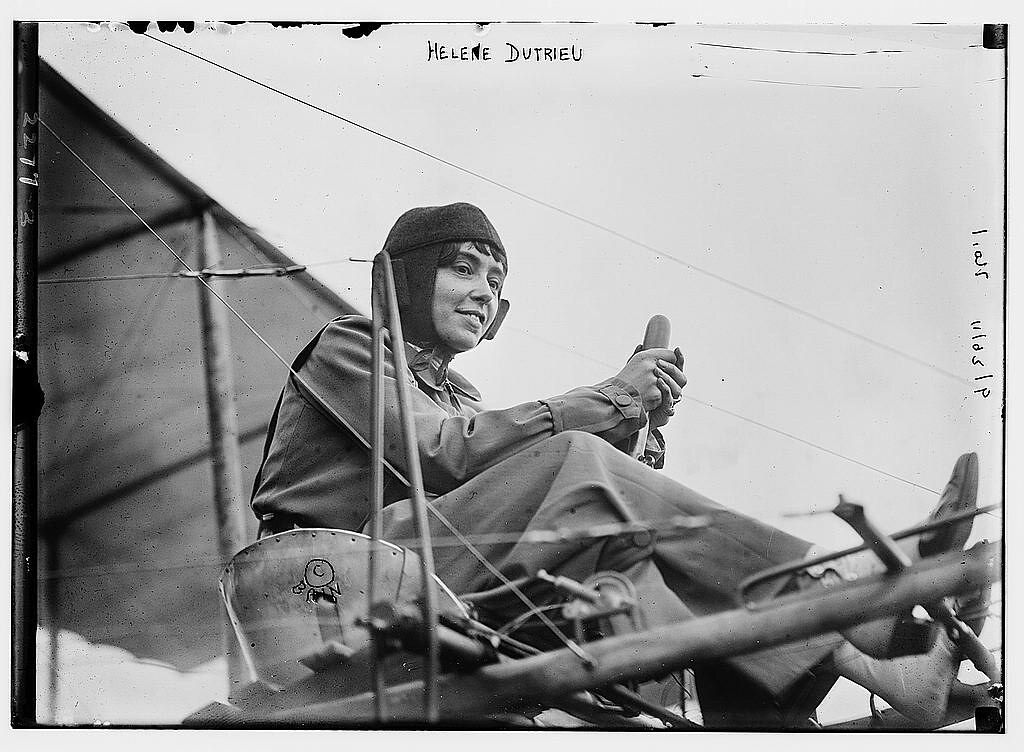
Studenten van de bachelor Global Arts, Culture and Politics hebben voor het vak Writing Women Into History twee podcastafleveringen gemaakt, waarin aandacht wordt besteed aan de onderbelichte rol van vrouwen in de geschiedenis.
Global Arts, Culture and Politics verzorgt Engelstalige hoorcolleges, maar kan in combinatie met bepaalde vakken, werkgroepen, geschreven werk en toetsen ook in het Nederlands gevolgd worden.

Eerste studiejaar

  • In het eerste jaar vorm je een brede basis op de gebieden van kunst en media, duurzaamheid, cultureel beleid en kunstmatige intelligentie. Je doet ook vaardigheden op in interdisciplinair onderzoek en academisch schrijven.

Tweede studiejaar

  • In het tweede jaar begin je aan je specialisme door een van de vier majoren te kiezen. Daarnaast volg je het vak Philosophy of the Humanities and Science, evenals het vak Key Stories, met colleges van vooraanstaande specialisten uit verschillende vakgebieden en politieke, culturele en mediafiguren.
  • Je specialiseert je in een van de vier majoren:

Derde studiejaar

In het derde jaar heb je 48 EC keuzeruimte, die je mag benutten voor twee keuzevakken en een minor in een andere discipline binnen de Faculteit der Geesteswetenschappen of bij een andere faculteit. Een minor is een samenhangend onderwijsprogramma van 30 EC. Een minor kan een goede voorbereiding zijn op een master of een bepaald beroep.

De bachelorstudie Global Arts, Culture and Politics is compleet na het afronden van een bachelorproject in samenwerking met een culturele, kunst- of overheidsinstelling.

Elena Cecconi, student
Ultimately, I was missing a certain humanistic approach and that’s why I chose Global Arts, Culture and Politics.Elena Cecconi, studentLees het interview (Engelstalig)

Veelgestelde vragen over je studieprogramma