Global Communication Science (Communication Science)
Media and digital technologies connect people worldwide, making communication a more powerful tool than ever. Companies like Google, TikTok, and X influence what we see, hear and believe, but what goes viral in one country may be banned elsewhere. In this programme, you will explore the effect of media across cultures globally. Study with students from different countries and prepare for an exciting career in an international environment.
- Language of instruction
- English
- Mode
- Full-time
- Location
- Roeterseiland campus
🎓 Number 1 in the world
Experience Days 30-11 Dec


For the ninth year in a row, the UvA occupies 1st place worldwide in the field of Communication & Media Studies.QS World University Rankings by Subject 2026
Why study Global Communication Science at the UvA?
Practical experience through an internship
How?
Follow an internship at an international-oriented organisation in the Netherlands or abroad, and become more confident in your skills. The internship is integrated within the programme, which is unique in the Netherlands, preparing you for a competitive market.
Essential skills for a global career
What skills?
Learn how to communicate effectively across cultures, understand different communication styles, and develop strategies for international communication.
Number 1 in the world
Read more
Ranked number 1 worldwide in Communication & Media Studies for the 9th year in a row according to QS World University Rankings, thanks to our focus on research and collaboration with one of the largest communication research institutes.
Intercultural classroom
Read more
Study alongside students from all over the world (60+ nationalities!), sharing insights and learning from diverse perspectives.
Real-world application
How?
Work on international case studies, collaborate in multicultural teams, and apply communication theories to global challenges we face nowadays.
Is Global Communication Science right for you?
Yes, if you:
- are interested in media, marketing, politics, society, and social interactions on a global scale.
- dream of a career at an international company or organisation.
- want to learn how to research the effects media have on society and people across cultures.
- want to learn how to analyse communication processes in media and digital technology from an intercultural perspective.
- speak English very well, so you can read English academic literature and engage in group discussions with students from around the world.
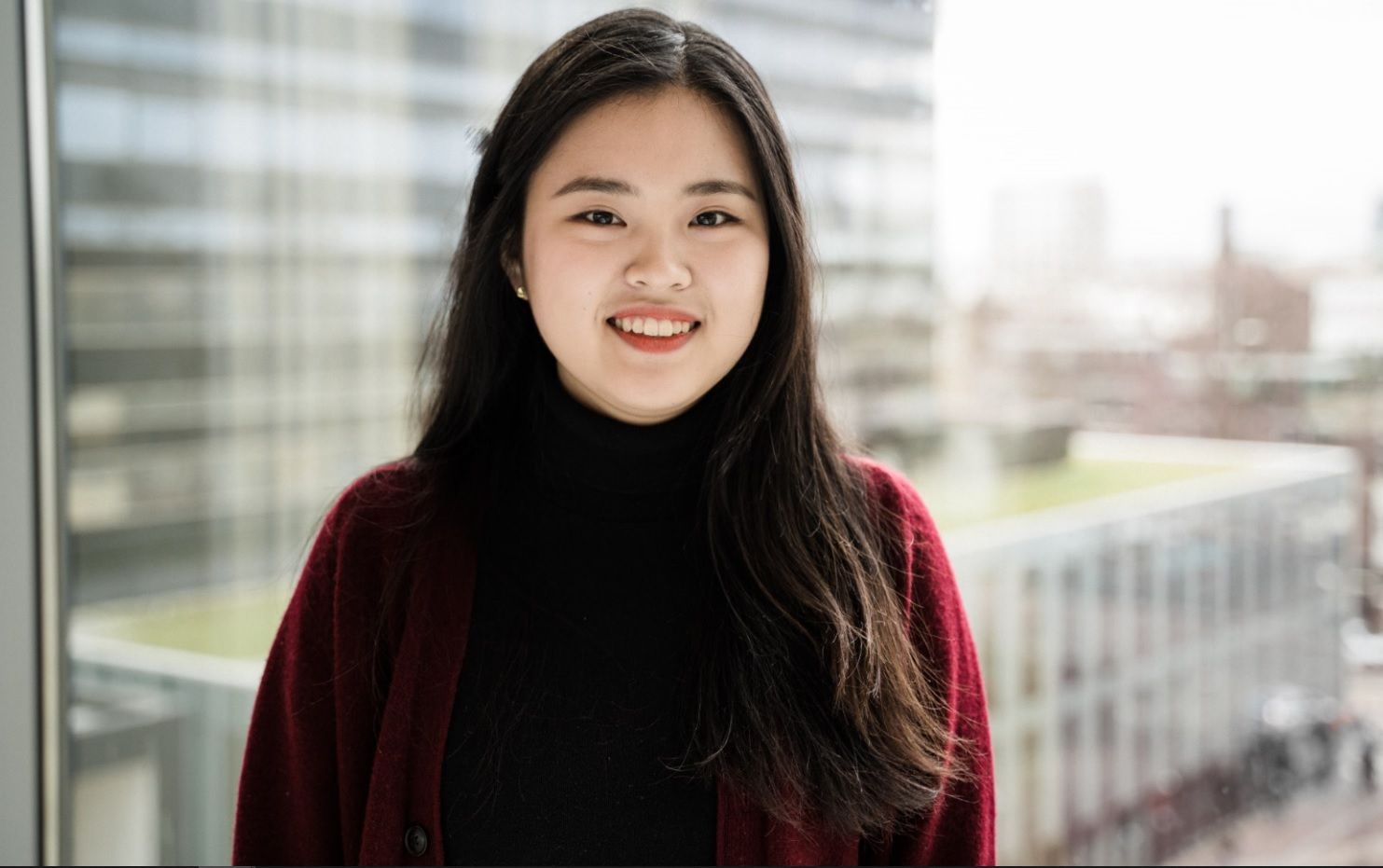
Studying in Amsterdam is a unique experience that enriched my social knowledge.Read more about Rachel's experiences
Studying Communication Science: English or Dutch?
You can choose between the English or Dutch track. In both, you study the core theories, but you apply them differently. Discover the differences in the study programme.
What do you study in Global Communication Science?
Global Communication Science in real life
Balancing university and working at study association Mercurius
Making a difference: A Day at the University of Amsterdam
Meet the Programme Committee
Receive the programme summary
Leave your details to learn more about this programme.
- Student experiences
- Example of a weekly schedule
- Directly sent to your mailbox
Facts & Figures
- Degree programme
- BSc Communication Science
- Mode
- Full-time
- Credits
- 180 EC, 36 months
- Language of instruction
- English
- Starts in
- September
- RIO code
- 56615
- Location
- Roeterseiland campus
More facts & figures about this study: see website www.studiekeuze123.nl
Related programmes
All Bachelor's programmes- Bachelor's
Communicatiewetenschap
Als communicatiewetenschapper onderzoek je media zoals kranten, televisie, sociale media en leer je kritisch te kijken naar de invloed van mediagebruik en communicatie op individuen en de samenleving. - Bachelor's
Computational Social Science
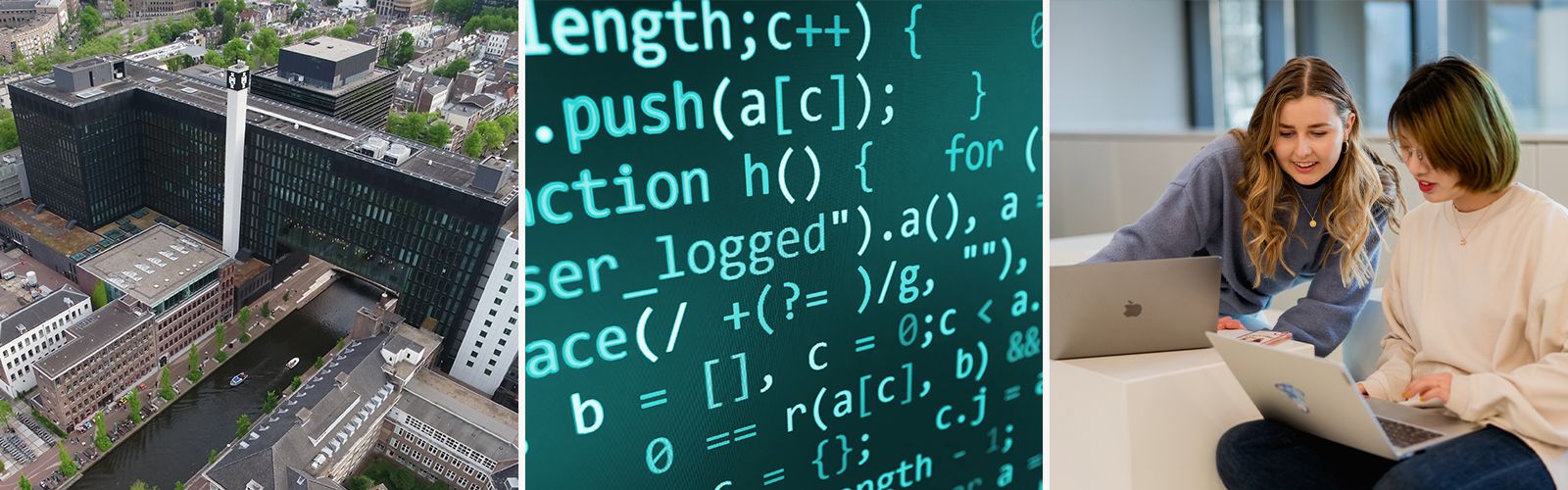
Interested in social sciences and data science? Learn how to code, develop skills to design, create and apply digital technologies to solve real problems in society. - Bachelor's
Media and Information
Media and Information deals with contemporary topics such as mis- and disinformation, surveillance and big data to better understand the digital world that we live in. - Bachelor's
Media and Culture
Media and Culture puts the rapidly changing global media landscape centre stage and trains students to position themselves more critically within it, preparing them for a variety of careers.