Computational Social Science
Study programme
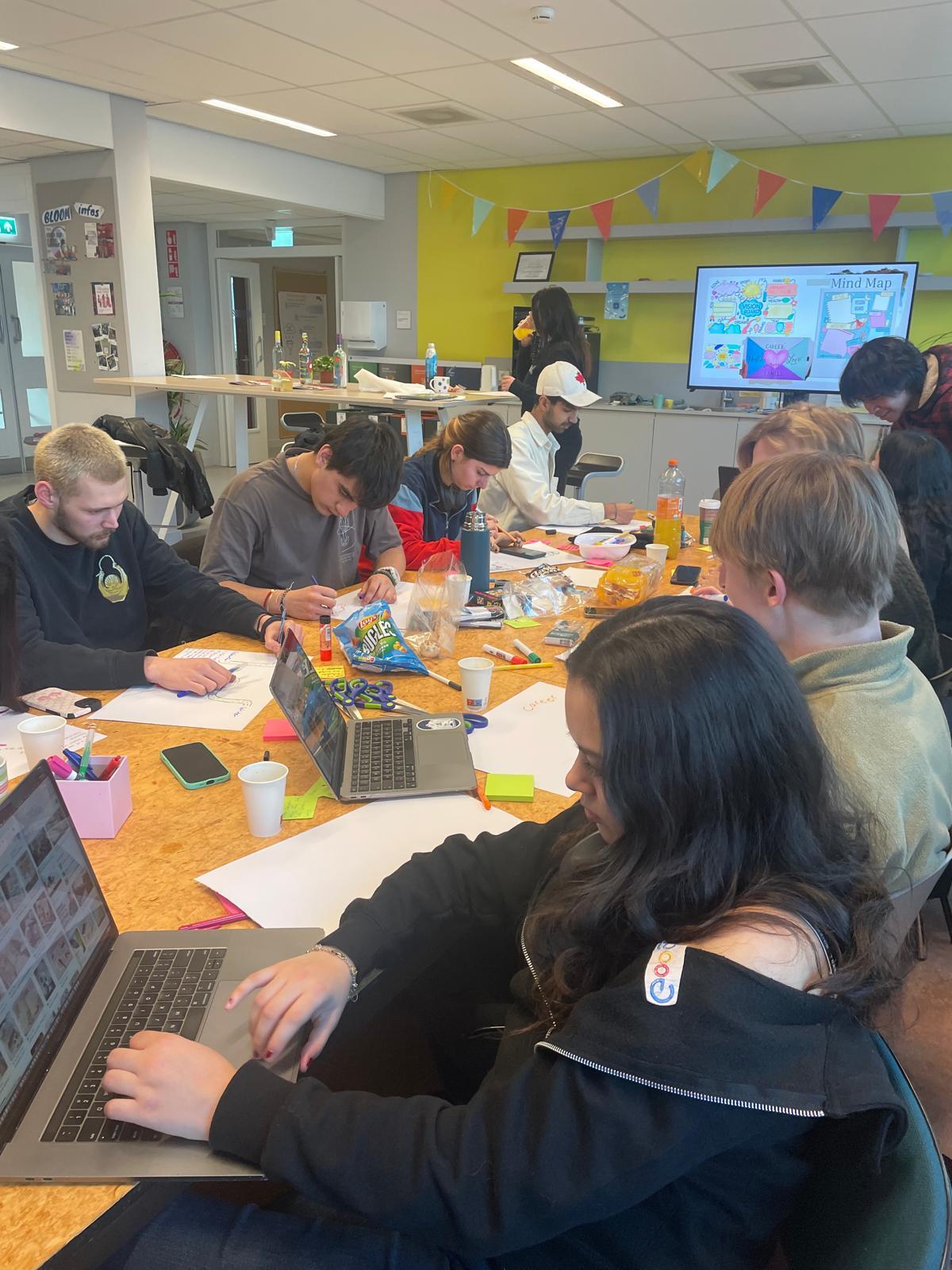
In this programme, you work in groups on real projects. Organisations bring real challenges, which you explore through data analysis and turn into digital solutions. You combine insights from the social sciences and humanities with digital and research skills. In this way, you learn how to create impact with data.
- Foundation: Appreciating the complexity of social challengesPeriod 1Period 2Period 330Throughout the semester, students tackle climate change and surveillance challenges. Design thinking, literature research, and workshops on collaboration and time management are emphasized. Theoretical exploration delves into societal complexities and stakeholder perspectives. Practical skills are developed through data analysis techniques, Python programming, and data visualization. The semester culminates in project reflection and individual growth assessment.
- Building blocks: Experimenting with digital interventions of behavioural changePeriod 4Period 5Period 630Create a digital behavioral change prototype focused on climate change or surveillance. The process involves sensing, visioning, prototyping, and testing cycles, including focus groups and website creation. You learn about project management, stakeholder analysis, collaboration, and persuasive writing.
- Connections: Linking data for better interventions in health or mobility systemsPeriod 1Period 2Period 330Engage in exploring (systemic) digital interventions to enhance stakeholder interaction in mobility or health systems. Collaborate in project teams on challenges proposed by external partners. Instead of creating a technology, you'll produce an intervention document for implementation. Consider business, ethics, theory, and methods in the document. Learn data collection and analysis techniques like content analysis and machine learning, study complex processes, and reflect on your group project and personal growth.
- Structures: Applying responsible AI to reduce inequalityPeriod 4Period 5Period 630Collaborate in project groups to develop predictive models for real-world challenges using data science. Navigate the entire data science lifecycle, reflecting on decisions and engaging stakeholders. Consider the ethical implications of AI applications and address bias concerns. Create presentations, demos, and reports showcasing responsible AI systems, and reflect on personal growth and project outcomes.
- Capstone: Making social change with digital innovationsPeriod 4Period 5Period 630Collaborate in a project team to address a societal challenge proposed by an external partner. Using both social and digital sciences, you will design and implement an innovative solution. You will learn to conduct critical research, collaborate, prototype, and create impact in society.
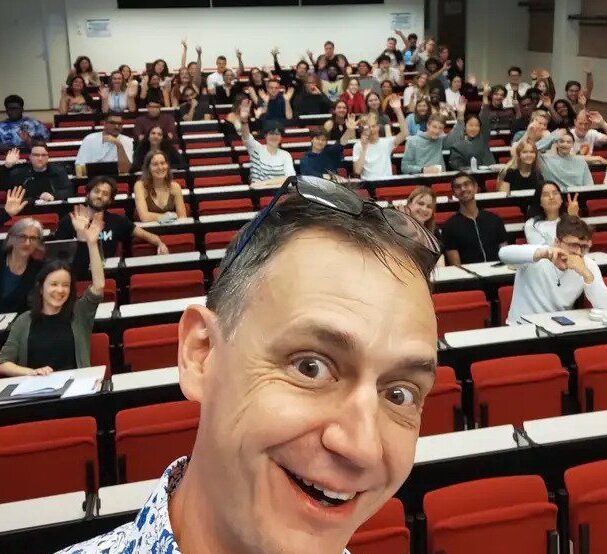
No coding experience? No worries, you’ll be programming before you know it!Programme director Steve Pickering shares his thoughts on Computational Social Science

We created a tool for community science: a way for residents to experiment, explore, and shape their own environment.Danielius and his group built an agent-based model
Study Association: Bloom
University life is about more than just lectures. It’s about the people you meet, the ideas you challenge, and the opportunities you create for yourself.
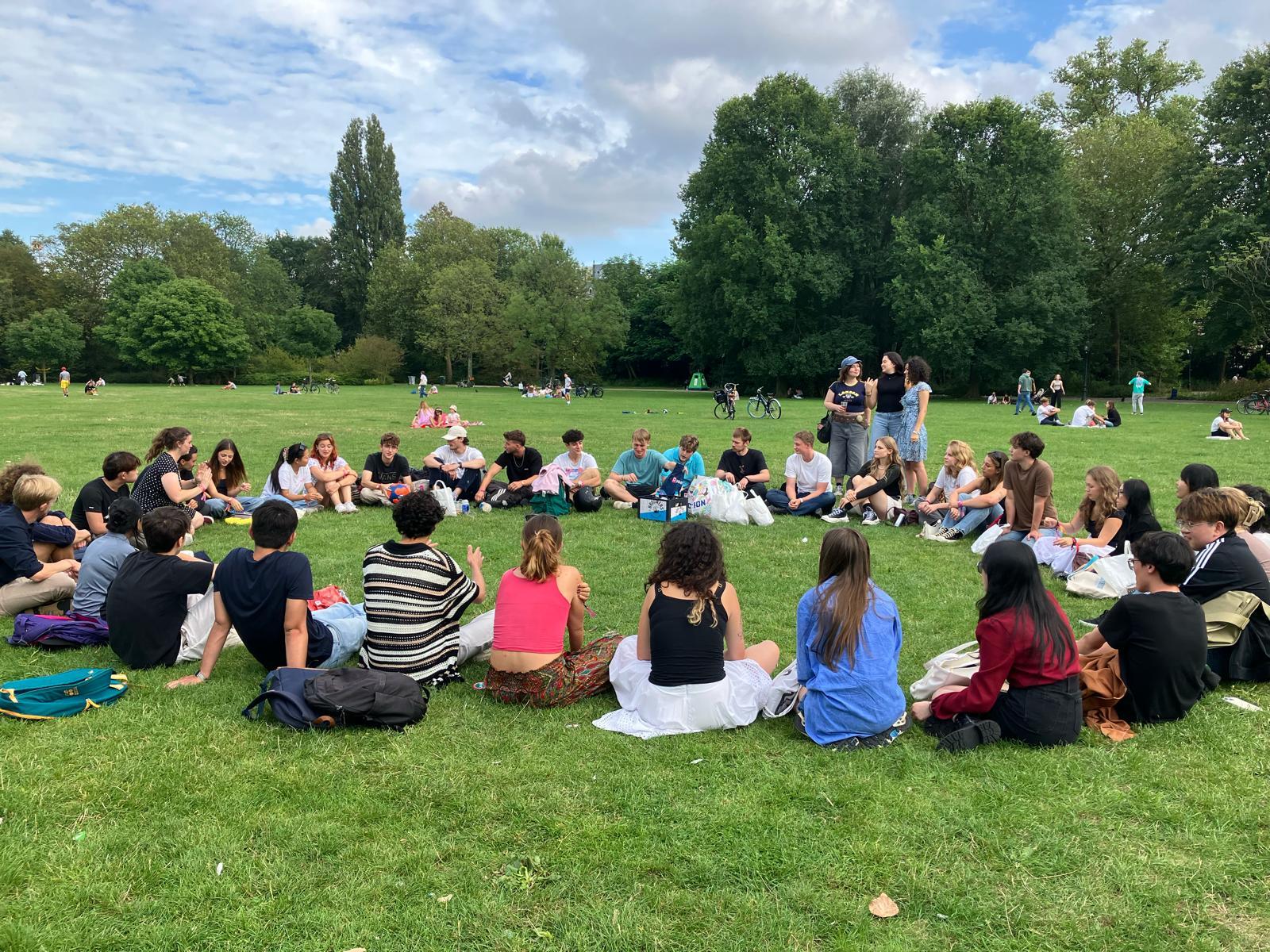
As the official study association of Computational Social Science, Bloom brings students from all years together through a vibrant mix of social events, academic workshops, career fairs, creative clubs, and more. Whether you're into data science, art, policy, or simply meeting new people over a 'borrel', there's a place for you at Bloom.
They are here to support your academic journey and help you grow personally and professionally. Join a committee, start a club, or connect with researchers, professionals, and fellow students.
Let your university years bloom into something unforgettable: bloom-uva.nl