Human Geography and Planning
Study programme
Human Geography and Planning is a three-year Bachelor’s programme. One year of study includes two semester of 20 weeks per semester and 60 credits. You can choose Dutch or English tutorial groups. In addition to theory, you will learn how to conduct research and develop solutions for real spatial challenges.
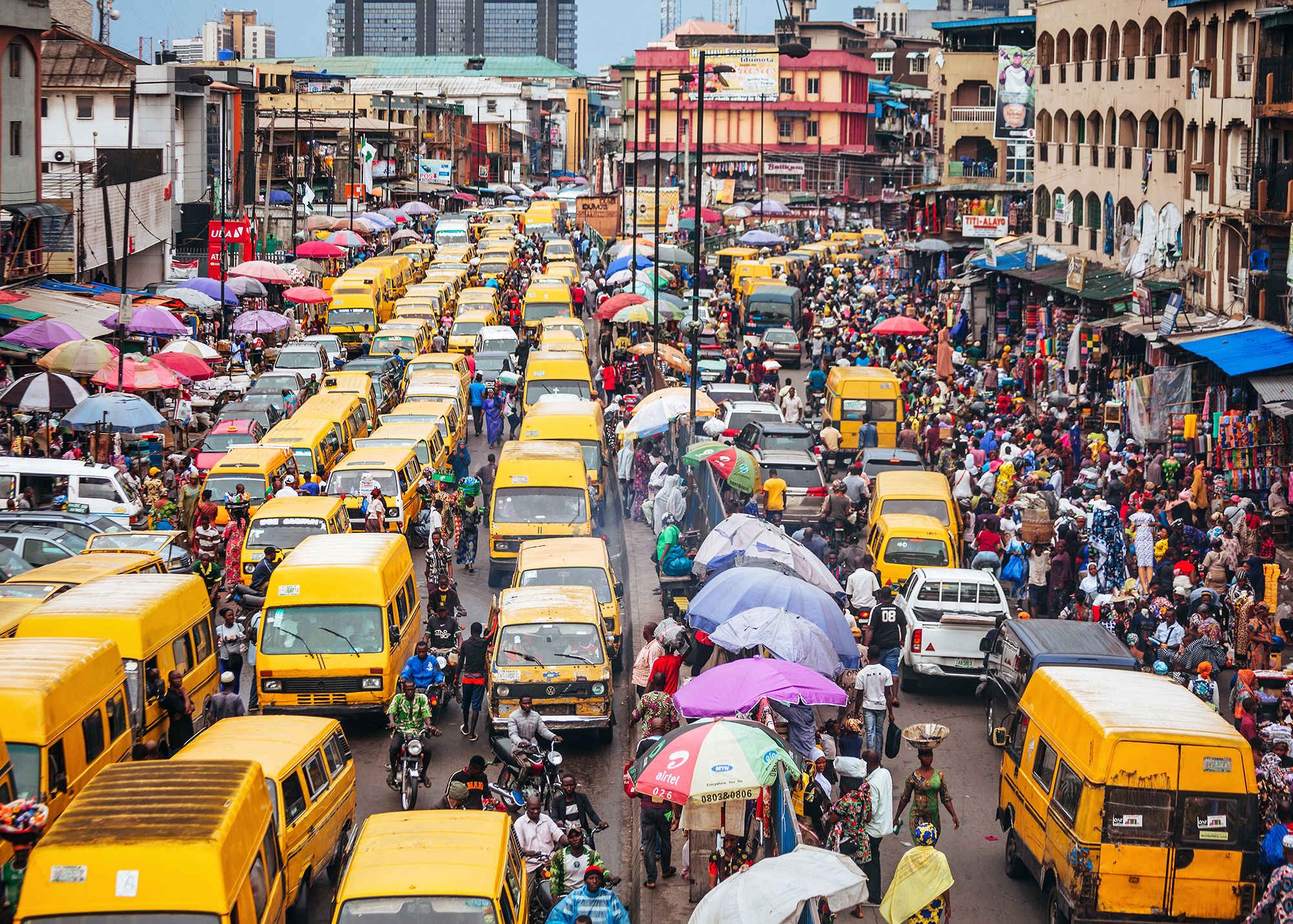
- Introduction to Human GeographyPeriod 1Period 212This course offers an introduction to Human Geography, exploring how geographers study social issues and places on various scales. You will be introduced to key concepts like space, place, globalization, and more, giving you a foundation for further specialization. Through readings and assignments, you will also develop academic reading and writing skills.
- Introduction to Spatial PlanningPeriod 1Period 212This course delves into how cities and regions are shaped by social, economic, and planning dynamics. It covers the shift from traditional top-down planning to current bottom-up approaches, focusing on Dutch practices and planning theories. You will gain analytical skills to understand urban development and cultivate creative solutions for modern challenges, structured through foundational and contemporary modules.
- Academic SkillsPeriod 1Period 2Period 36This course helps students build their academic skills and attitude. It covers social integration, academic culture, and applying knowledge to real observations. You'll work on a research project, do interviews, and present findings, ending with academic poster presentations.
- Thinking SpatiallyPeriod 46Learn about social-spatial research, key research approaches, and gain practical skills in Geographical Information Systems (GIS). The course includes lectures, tutorials, and GIS lab sessions, helping you understand and apply spatial research methods.
- Urban Dynamics: Amsterdam in ContextPeriod 4Period 512This course teaches how cities change and why. We study factors like society, economics, and technology affecting cities, especially in Amsterdam. Using concepts from earlier courses, you'll grasp how geographers and planners understand and shape urban changes. This prepares you for more focused topics in later years.
- Research Methods 1Period 56In this course, you'll explore three essential aspects: Statistics, Quantitative Analysis, and GIS/Cartography. The Statistics section delves into data structure, univariate and bivariate analysis and causal models. The Quantitative Analysis part, also employing Excel and SPSS, emphasizes interpretation and data sources. Lastly, the GIS/Cartography component focuses on creating thematic and plan maps and how to perform simple spatial analyses using ArcGIS Pro.
- Research Project: RegionalPeriod 66In this course, you'll focus on redeveloping areas in the Amsterdam region due to limited space. You'll research an assigned area, considering different stakeholders' perspectives like housing corporations and residents. Through group work, you'll create a vision for the area's future development based on your stakeholder's viewpoint, applying knowledge from other first-year courses.
- Restricted-choice electives: Thematic ElectivePeriod 4Period 512During the restrictive choice elective you get the opportunity to choose one of the following thematic electives: International Development Studies, Migration & Population Dynamics, Spatial Analysis (GIS), Urban Planning: Contesting the City, Financial & Economic Geography, Political Geography, Spatial Implications of Environmental Change, Stadsgeografie, Urban Planning: Building the City and Urban Planning: Moving in the City.
- Restricted-choice electives: SpecialisationPeriod 56During the restrictive choice elective you will get the opportunity to specialise in the subject of your choice: Financial & Economic Geography (seminar), Political Geography (seminar), Spatial Implications of Environmental Change (seminar), Stadsgeografie (seminar), Urban Planning: Building the City (seminar), Urban Planning: Moving in the City (seminar).
- Research Methods 2Period 1Period 212Expand your GIS skills, by focusing on analysing spatial issues. You'll work with vector and raster data, overlay analysis, proximity and range analysis, and spatial data collection. You'll also improve your interview skills and ethnographic observations, analysing qualitative data using coding software. Additionally, you'll learn statistical analyses such as data manipulation, causal analysis, and multiple regression.
- Research Project: AbroadPeriod 66Research Abroad includes a 1-2 week study trip abroad, with a preparatory program in Amsterdam. You choose a destination with a specific focus theme, then attend info sessions to learn more. The intensive program involves workshops in Amsterdam, on-site activities abroad, and fieldwork assignments. You'll work in small groups on a research theme, supervised by UvA lecturers, and complete a research report and presentation in English.
- Research Project: The NetherlandsPeriod 2Period 36During the Research Project, students learn to collect and analyse data and report their findings. The course lasts 4 weeks: Week 1 focuses on fieldwork, Week 2 on quantitative analysis of survey data, Week 3 on thematic analysis of interviews, and Week 4 on spatial analysis using GIS and presentations.
- Specialisation - Planning:Period 1Period 2Period 40
- Theories of Spatial InterventionsPeriod 1Period 212In this course, you'll discover how to organise interventions in space. We'll start with theories and move to real-life cases. First, we explore theoretical approaches, connecting sociology, philosophy, urbanism, and more. Then, you'll work on practical solutions using different knowledge sources.
- Spatial Planning: Theory & PracticePeriod 46This course is taught by two lecturers with professional roles outside the University of Amsterdam. David Evers is a Senior Researcher at the Netherlands Environmental Assessment Agency (PBL), and Stan Majoor leads a research program at the Amsterdam School of Applied Sciences (HvA) focusing on local planners. The course includes two separate 3-week modules related to the lecturers' expertise.
- Specialisation - Human Geography:Period 1Period 2Period 40
- Geographies of InequalityPeriod 1Period 212This course examines how inequality persists across different scales, influencing daily lives. From post-War era to now, students study key inequality theories and real-world cases, covering class, race, gender, environmental justice, and more. You'll learn about the political and economic roots of contemporary inequalities, exploring their history and potential solutions.
- Human Geography: Theory & PracticePeriod 46This course focuses on human geography as a science and profession. You will learn about various approaches like environmental determinism, positivism, Marxism, and feminism, and their ethical aspects. You will also explore how geographical research is applied in society and evaluate recent articles in the field.
- Specialisation - Global Urbanism and Transnational Planning:Period 1Period 2Period 412
- Place in an Interconnected WorldPeriod 1Period 212
- Global Urbanism and Transnational Planning: Theory & PracticePeriod 46
- Restricted-choice electives: Thematic ElectivePeriod 1Period 2Period 4Period 512During the restrictive choice elective you get the opportunity to choose one of our thematic electives. You can for instance choose for International Development Studies, Migration & Population Dynamics, or Financial & Economic Geography. Explore an overview of all the electives in our Course Catalogue (linked below).
- Research Methods 3Period 1Period 2Period 4Period 56Learn methods and analytical techniques for your bachelor’s thesis. You will discover which research methods to use, when to use them, and why they are appropriate for scientific research.
- Free-choice electives: Free electivesPeriod 1Period 2Period 3Period 4Period 5Period 630The elective space is essentially open for your choice, both within and outside the Bachelor's program in Human Geography and Planning. Outside the program, options include a semester abroad, a minor within or outside the university, or a combination of elective courses.
- Research Project: Bachelor Thesis (choose from 1st OR 2nd semester)Period 1Period 2Period 3Period 4Period 5Period 612
Bilingual or English track
You can choose the English or the bilingual Dutch-English track. The courses are the same, but the language differs. In the first two years, all lectures are in English. If you choose the bilingual track, the tutorials, assignments, and exams will be in Dutch.
Additional options
Learning to deal with big cultural differences is very valuable. I will remember this in my daily life and future career.Lin about her internship in Uganda
Gibraltar started out as a simple study project, but it became the direction for my thesis and my fieldwork.Lotte about her research project in Gibraltar
Doing an interview can feel nerve-racking, but it often leads to interesting results for your research.Jouk about his research project on Texel
Time distribution and tutoring
Study association: Sarphati
Sarphati is the student association for Human Geography and Planning. They help you find your way within your studies, the university, and life in Amsterdam. They organise lectures, socials, excursions, and other fun and educational activities: a great way to get to know fellow students and lecturers.
Want to organise events or contribute to new initiatives? Join a committee! You will learn new skills, meet lots of people, and make the most of your student experience.