Sociology
Study programme
In three years, you'll gain an understanding of sociological theories, research methods, and analysis of scientific texts. This will equip you with essential skills to tackle sociology issues effectively.

coursesec
- Sociological Theory 1Period 16Build a strong theoretical foundation to develop sociological thinking and reasoning. It's like learning a language to understand social life scientifically. This course explores social interactions and their influence on objective social realities, crucial for aspiring sociologists.
- Sociology as Craft 1Period 1Period 23This course provides a foundational introduction to academic skills and the sociologist's role. The course emphasizes skills like locating scientific texts, reading and analyzing these texts, and delivering its key messages to an audience. Additionally, it explores the connection between sociology as a science and personal experiences.
- Introduction to Sociology: Concepts, Issues and ResearchPeriod 1Period 29Delve into pressing social issues like racism, climate change, globalization, and more, using various sociological perspectives. This introductory course introduces you to past, present, and future social issues and their interpretations. The course places a specific focus on the Netherlands but always from a global and cross-cultural perspective, benefiting from students' international experiences.
- Social Research MethodologyPeriod 26This course provides sociologists with essential knowledge about research practices. It covers the foundations, aims, and quality criteria of social science research using quantitative, qualitative, and mixed methods. You will explore key steps such as formulating research questions, data collection methods, analysis, and reporting findings. While various data collection methods are discussed, students will gain hands-on experience in survey methodology and face-to-face interviewing.
- Introduction to statisticsPeriod 36In this course, you'll move from descriptive statistics to inferential statistics, which involves using a sample to make claims about a population. The course combines theory and practice: lectures explore methods through examples, and computer sessions involve hands-on practice using SPSS. You'll analyze survey data from Methodology, writing two papers individually and in pairs, completing a research cycle from literature review to hypothesis testing using quantitative techniques.
- Evolution of HumankindPeriod 43This course delves into the rapid change of our technology, institutions, and culture after a long period of slow evolution. Exploring the connections between culture and genetics, as well as the impact of interactions within society, the course addresses questions about cooperation, inequality, wars, and more through evolutionary and complexity theories.
- Sociological Theory 2: Critical TheoryPeriod 46This course will introduce you to classic sociologists' work and it's influence on modern sociological research. The course is one of four that builds a strong theoretical foundation for developing sociological thinking.
- Sociology as Craft 2Period 4Period 56This course is designed to help first-year students acquire and practice the necessary skills to write their first academic paper, known as the "First Year Paper." You will learn how to find, analyze, and incorporate scholarly readings into your own writing, as well as develop skills in paraphrasing, avoiding plagiarism, and time management. Additionally, you will practice formulating research questions, creating annotated bibliographies, and translating academic content into your own work.
- Philosophy of social sciencePeriod 53In this course, you'll delve into philosophical and social science perspectives on the sciences, drawing from various interdisciplinary sources. Over 6 weeks, you'll explore themes like truth in a 'post-truth' era, the nature of scientific thinking, ontology and epistemology, contextual understanding of science, and more.
- Sociology of institutionsPeriod 56This course aims to analyze the existence and origins of the institutional crisis. Exploring the impact of events like the cultural shifts of '1968', the rise of neoliberalism, and the current era of populism and post-truth, you will examine how these have affected organizations and institutions worldwide, including in the Netherlands. The course begins by delving into the theoretical aspects of institutions, their functions, reproduction, and emergence across diverse cultural contexts.
- Amsterdam Research ProjectPeriod 66This intensive course focuses on two key qualitative research methods: observing and interviewing. The main goal is to plan and conduct a basic research project through assignments, culminating in presenting your findings at a student conference. Seminars and lectures support your learning in this course.
coursesec
- Education & WorkPeriod 16This course aims to provide insights into dealing with emerging educational and work-related inequalities. You will investigate what the implications of education's growing importance mean for levels of inequality of opportunity in terms of social class, migration background and gender. Addressing challenges at family, organizational, urban, and societal levels, the course draws from sociology, economics, political science, and more, introducing you to key theories and debates.
- Race, Gender, and Sexuality in Times of FascismPeriod 16"Intersectionalities" offers tools to analyse power dynamics that shape societies and individuals through lenses of race, gender, and sexuality. Engage with classic and contemporary texts, building critical reading and reasoning skills. Rooted in sociological imagination, social construction, and the intertwined nature of power relations, the course fosters a deep exploration of how race, gender, and sexuality intersect to influence biographies, society, and interactions.
- Migration & CitizenshipPeriod 26This course explores migration and its effects, providing tools to analyze the process. It covers migration theories, citizenship, and integration, including political, structural, social, and cultural dimensions. The course equips you with knowledge and skills to navigate migration and citizenship research, fostering an understanding of theories and applications in the field.
- Urban SocietyPeriod 26The course delves into classic and modern sociological perspectives on urbanism's impact on identities, lifestyles, and social dynamics. By studying texts, including the Chicago School of Sociology and contemporary writings, and conducting investigations in Amsterdam, you will gain insights into the relationship between urban spaces and sociological phenomena.
- Advanced StatisticsPeriod 36During this course you will study the theory of multiple regression analyses and focus on performing and interpreting statistical analyses (with the help of statistical software).
- Health and SocietyPeriod 46This course explores the connection between societal factors and population health. It examines how living conditions affect health and mortality, leading to policies for improvement. You will learn about measuring health, social and biological determinants of health, differences across socioeconomic groups, gender, and topics like the obesity epidemic's impact on population health.
- Sociological Theory 3: Society, Social Action and InequalityPeriod 46This course delves into sociological and related theories explaining inequalities in various domains, such as education, labor markets, organizations, and households. Theoretical perspectives covered include structural-functionalism, conflict theory, rational action theory, network theory, cultural sociology, and neo-institutionalism, each offering distinct viewpoints on social action and society."
- Globalising culturesPeriod 56This course critically examines the process of globalization, its origins, and effects, with a particular focus on its impact on culture. The course addresses whether globalization results in a unified global culture or leads to fragmentation and conflict. The impact of globalization on identities and communities is also explored. The course utilizes theoretical literature and case studies to delve into these questions.
- Sociological Theory 4: Culture and StructurePeriod 56In this course, we delve into sociological theory's debates and focus on the 'culture' versus 'structure' contrast. We study contemporary theorists to grasp their views on the interplay between culture and structure. Exploring related debates in sociological theory, we examine how conceptual contrasts, like constructivist vs. realist and interpretative vs. positivistic, can aid in formulating theories and research questions.
- Qualitative analysisPeriod 66This course familiarizes you with a variety of analytic approaches to qualitative research by focusing on readings from researchers across the social sciences. You will be expected to apply this knowledge to each step of the analytic process, including transcribing and organizing data, excerpting, coding, writing memos, and drafting research results. You conclude the course by writing an original qualitative essay.
coursesec
- Free-choice electives: Free electivesPeriod 1Period 2Period 330The elective space is essentially open for your choice, both within and outside the Bachelor's program in Sociology. Outside the program, options include a semester abroad, a minor within or outside the university, or a combination of elective courses.
- Mixed MethodsPeriod 46This course explores the integration of quantitative and qualitative research methods known as Mixed Methods. It aims to provide a comprehensive understanding of conducting Mixed Methods research. Serving as a bridge between various related courses, the curriculum covers the process of designing, operationalizing, and connecting different research methods within the sociological toolbox.
- Sociology of Public PolicyPeriod 56This course delves into the intersection of sociology and policy processes, crucial for sociology graduates entering policy-oriented roles. Exploring the entirety of policy processes, from inception to evaluation, it covers sociological theories, contextual factors, and power dynamics that shape policy formulation and implementation. You will gain insights into how policies frame and address societal problems, empowering you to analyze, recommend, and engage effectively in policy discourse.
- Bachelor Research ProjectPeriod 4Period 5Period 618The Bachelor's Research Project offers a comprehensive journey through the research process, guiding students from idea inception to a scientific report, their Bachelor thesis. Throughout the project, you will work in small groups, engaging in feedback exchange as a learning element.
Compulsory course
Elective
Bilingual or English track?
You can choose the English or bilingual Dutch-English track. The content is the same; the only difference is the language. Lectures and reading materials are always in English. In the bilingual track, tutorials, assignments, and exams are in Dutch, while in the English track, all teaching and assessment are entirely in English.
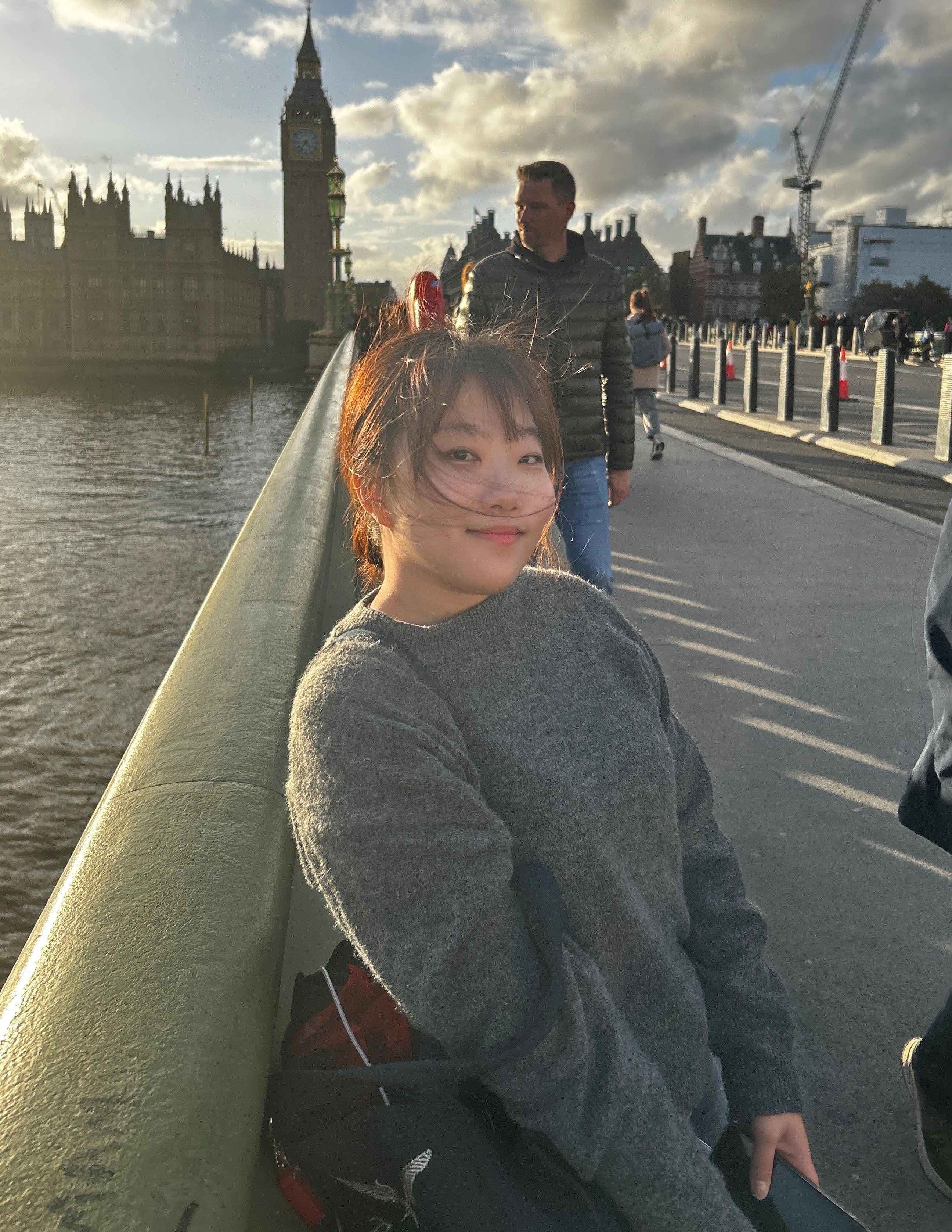
We delve into specific theories related to race, gender, class, and more.Cheryn's experience with the programme
Sociology in action: internship stories

I felt close to the people and their stories, but as a sociologist I also had to take a step back to reflect critically on what was happening.Nour's internship at a human rights organisation
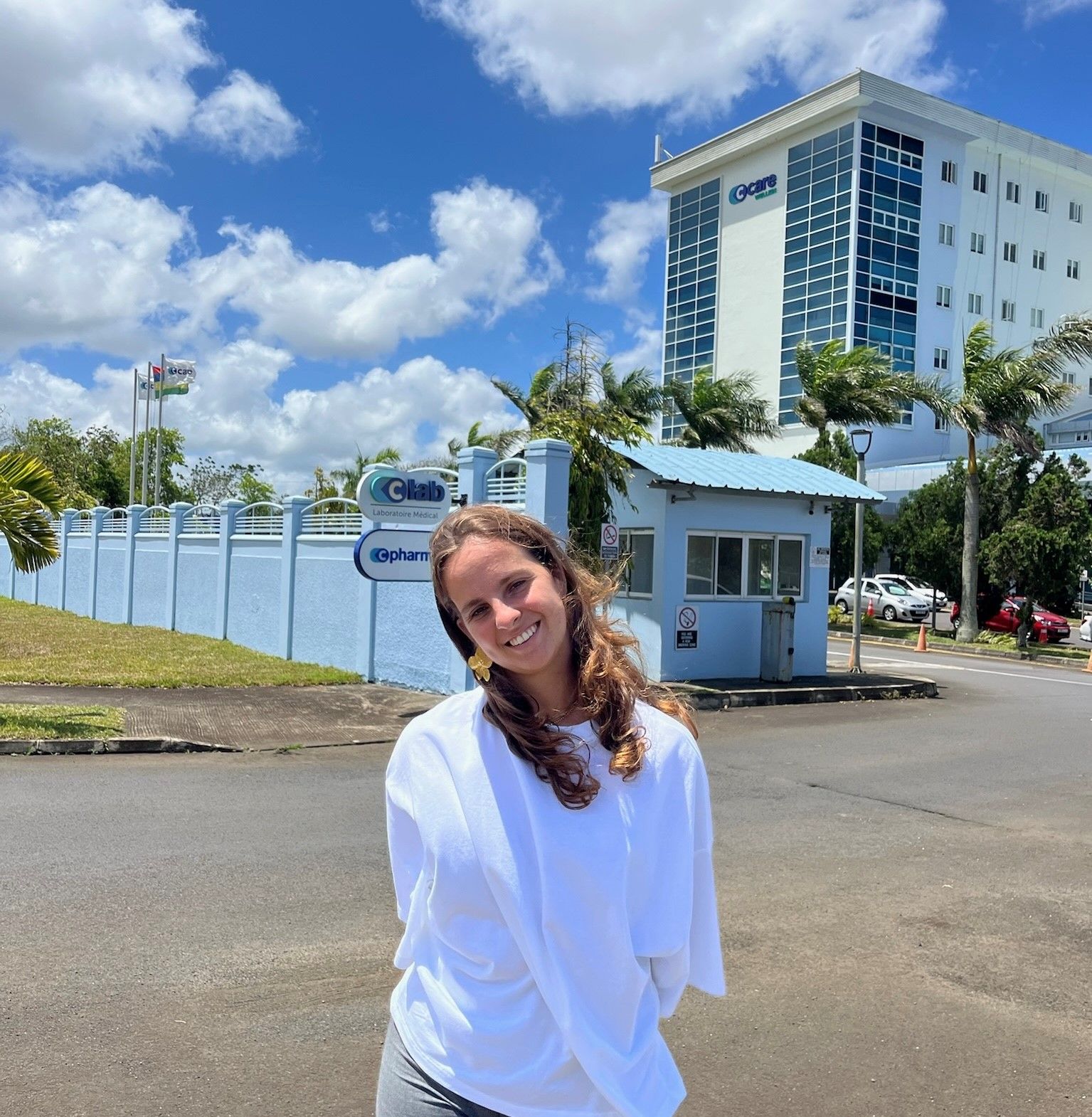
During my internship in Mauritius, I worked on improving mental health, team dynamics, and work culture in a hospital.Trijntje's internship at a hospital in Mauritius
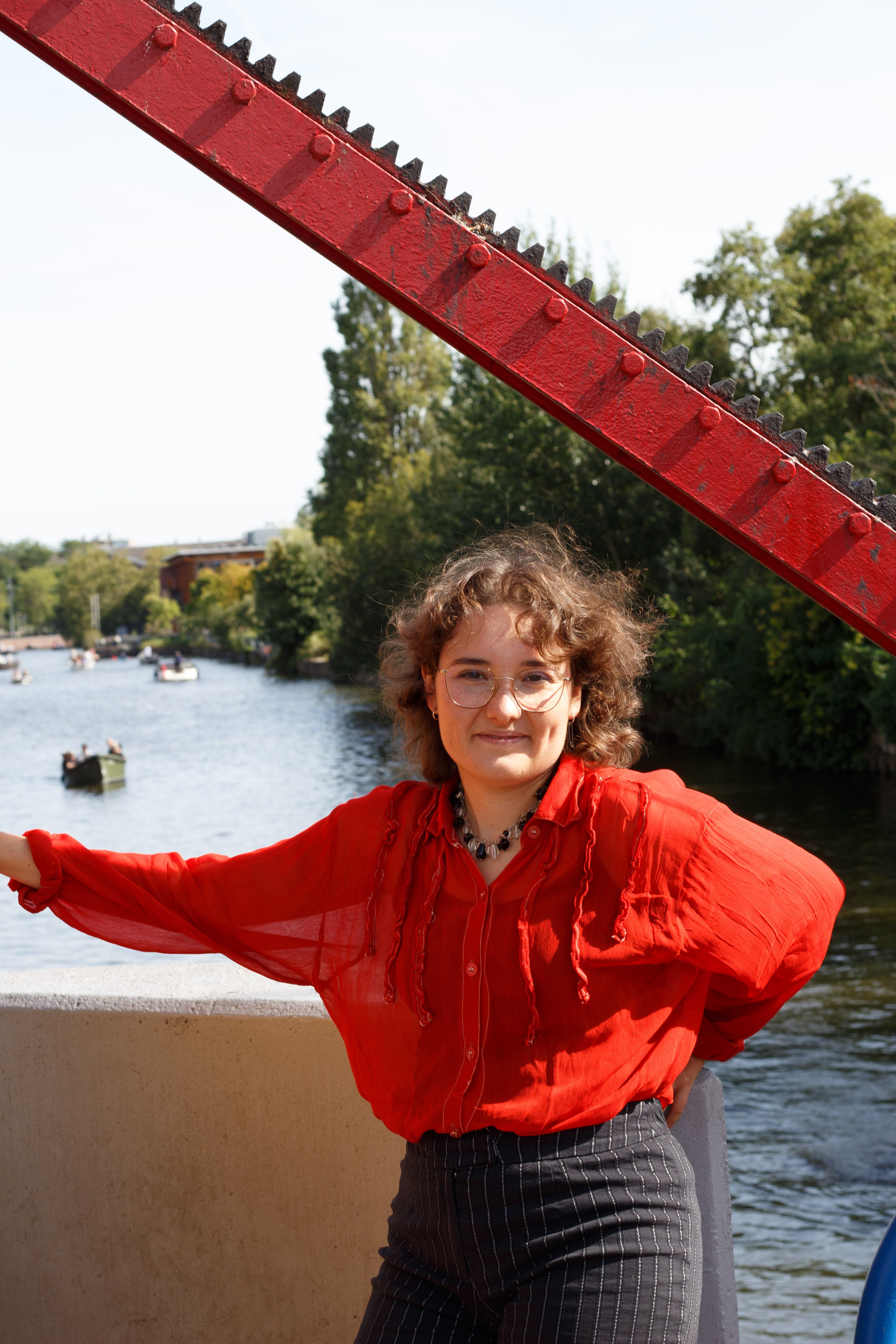
My sociology background helped me to write content for different audiences, like social workers, marginalised drug users and the general public.Karolina's internship as a content creator focused on harm reduction
Study Association SEC
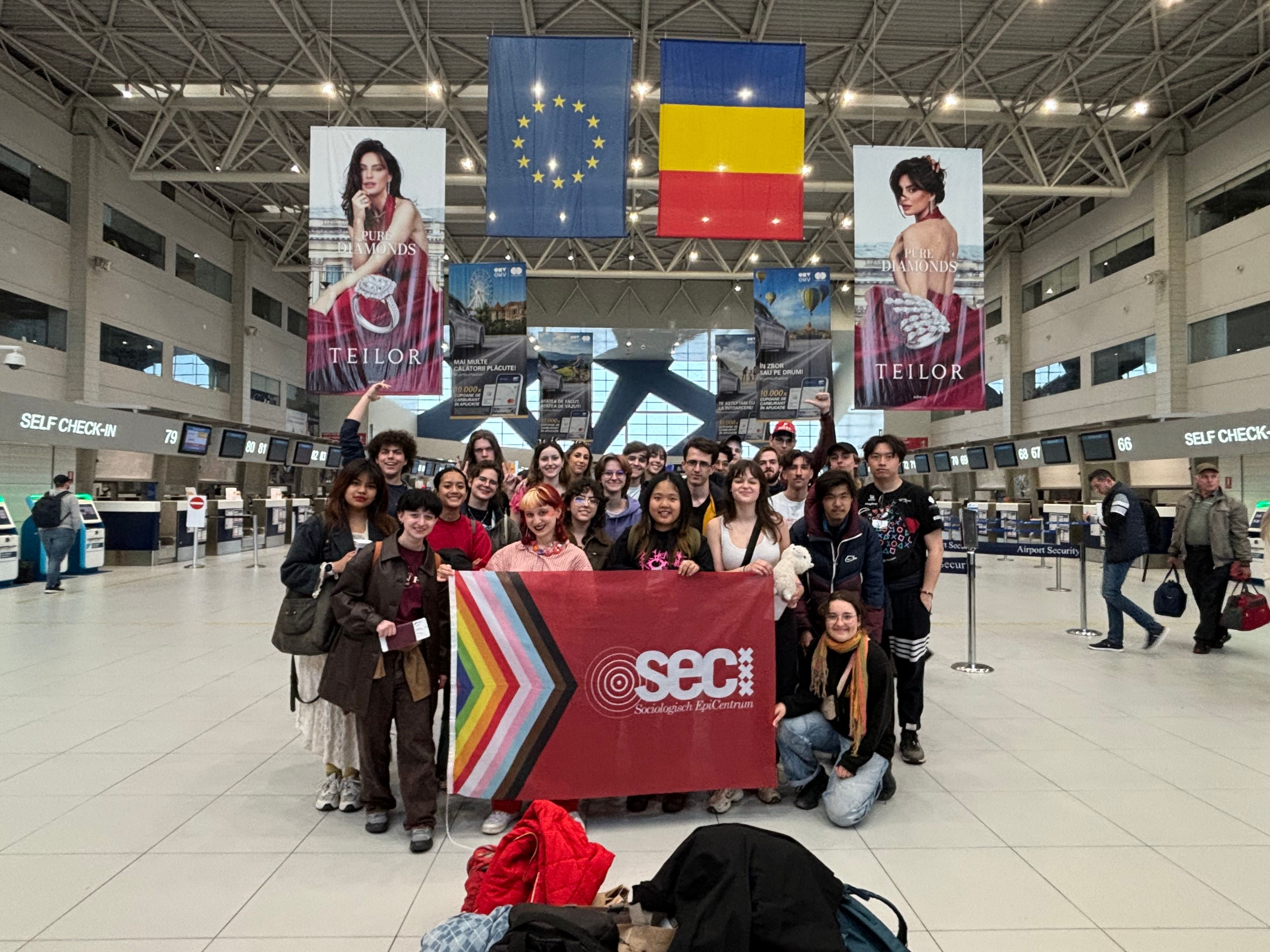
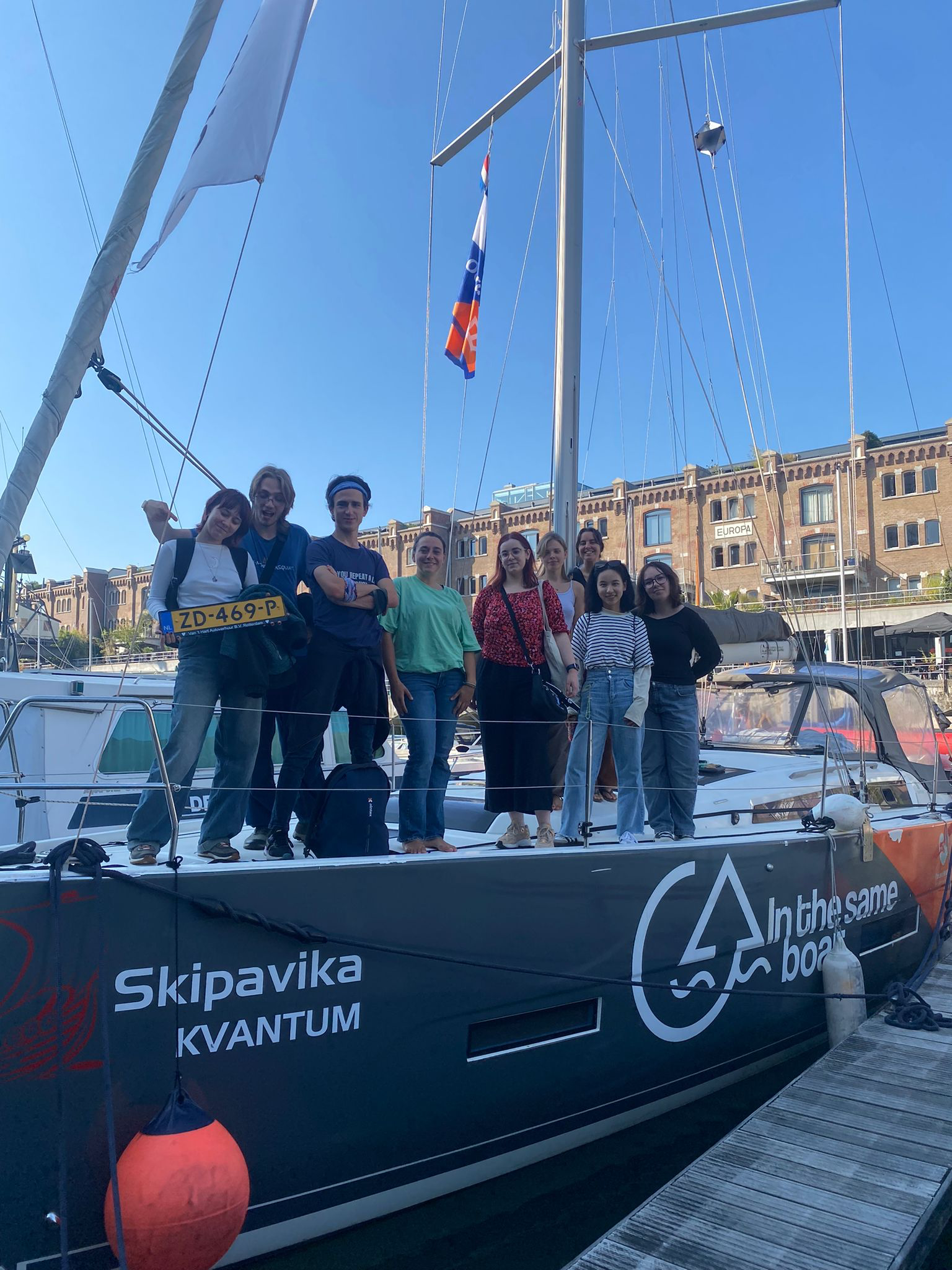
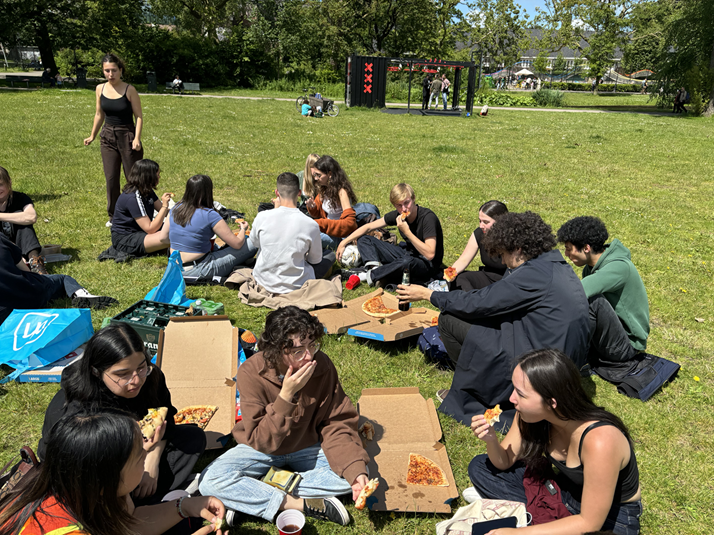
Sociologisch EpiCentrum (SEC) is the student association for sociology students. They organise talks, social events, study meetings, open mics, cultural nights, and field trips. It’s an easy way to meet other students and do things outside your studies.
Would you like to organise events yourself? Join a committee! You will learn useful skills that help you both at university and later in life.
From applied sciences to Sociology at university
Sociology and Political Science: what is the difference?
Sociology in pop culture: Stranger Things