Urban and Regional Planning
The Urban and Regional Planning minor focuses on people, their environment and spatial issues emerging from their interaction. Space is a finite resource and we need to use it carefully, particularly in the Netherlands. An urban or regional planner considers the future use of space and concentrates primarily on the built environment. Societal changes constantly require spatial modifications. Planners work to ensure that spatial changes are implemented as effectively as possible.
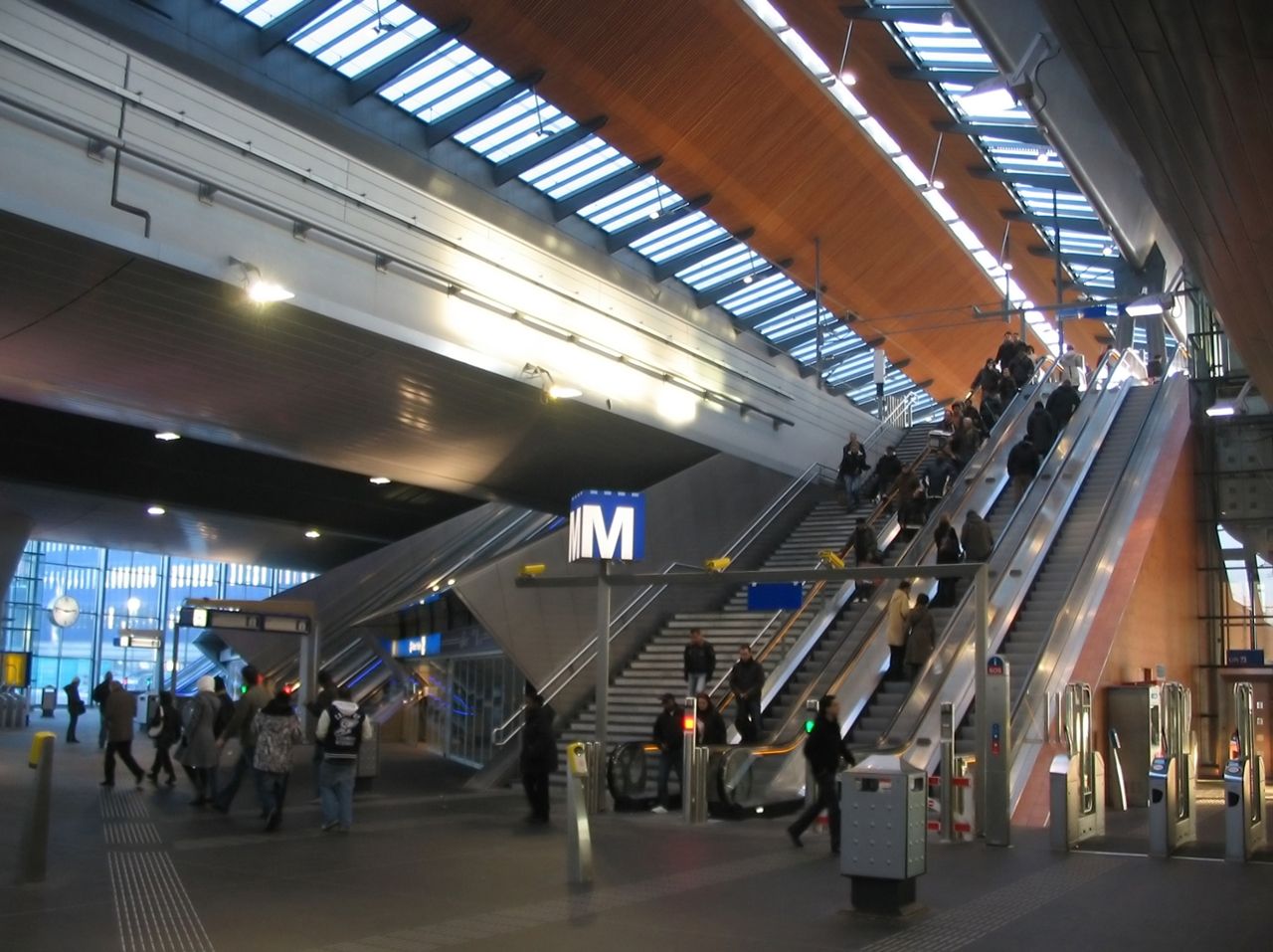
For students who are interested in decision-making and policy on current issues such as:
- accessibility in cities
- designing effectively at a regional level
- deciding for whom to build houses
- improving deprived neighbourhoods
- conserving nature
- Theories of Spatial InterventionsPeriod 1Period 212This course introduces fundamental models of spatial interventions, blending theory with practical examples across four central planning themes. Students explore theoretical approaches in the first week of each theme, then engage in practical problem-solving exercises using diverse forms of knowledge. Topics include eco-modern planning roots, urban development governance, inclusive city planning, and deliberative planning methods.
- Restricted-choice electives: Thematic Urban Planning electives:Period 1Period 2Period 4Period 5Period 618Students may select either one thematic elective and (In)Accessible Cities: Disabilities and Urban Space (30 EC minor) or two thematic electives (36 EC minor). Students may also consider replacing one thematic elective by the course: Spatial Implications of Environmental Change (5132SIE12Y), offered by the Bachelor's programme Future Planet Studies.
- Migration & Population DynamicsPeriod 1Period 212This course examines population dynamics and migration's impact on spatial developments across different scales, emphasizing their relevance for policy-making and societal practices like housing and labor markets. By exploring these dynamics in relation to spatial development issues, it provides valuable insights for students interested in urban geography, planning, sociology, economics, urban studies, or migration studies.
- Urban Planning: Contesting the CityPeriod 1Period 212This course combines lectures, workshops, and storytelling events to explore urban studies. Lectures delve into the historical shaping of contemporary cities, workshops facilitate critical analysis of key texts and urban changes, and storytelling events illustrate the practical relevance of theoretical debates in understanding urban life.
- (In)Accessible Cities: Disabilities and Urban SpacePeriod 66This course examines how disability is shaped by societal and urban structures rather than individual limitations, using critical disability studies to analyse inaccessible design, policies, and norms.
- Spatial Implications of Environmental ChangePeriod 4Period 512This course delves into the accelerating environmental changes caused by human activities, focusing on the Anthropocene epoch. It examines both global environmental issues and local urban responses, emphasizing the interaction between social and natural systems. Through theories like Social-Ecological Systems and Political Ecology, as well as concepts such as climate governance and environmental justice, students explore the complexities of societal reactions to environmental change.
- Urban Planning: Building the CityPeriod 4Period 512This course examines contemporary urban development within complex governance settings, focusing on housing, property markets, and the built environment. It delves into the influence of neoliberalism on cities, particularly regarding financialisation and privatisation of housing. Through a planning perspective, it analyzes the actors, economics, politics, and governance of property and housing development, aiming to foster critical thinking and explore innovative planning solutions.
- Urban Planning: Moving in the CityPeriod 4Period 512This module addresses the challenges of urban mobility, emphasising the need to balance its positive and negative impacts. It equips participants with a critical perspective to understand the complexities of urban development and mobility systems, while also focusing on practical skills for planning solutions. The course aims to foster a holistic understanding of mobility issues and prepare students to contribute constructively to ongoing debates and developments in urban mobility.
- Ruimtelijke ordening in Nederland: balanceren tussen wensen en belangenPeriod 4Period 512In this course, we examine how urban planners influence spatial planning through legal and financial methods and techniques. We do this by exploring both the theoretical possibilities and drawing extensively on practical lessons.
Get a taste of the atmosphere
Video Minor Urban and Regional Planning
Continue your studies with a Master's programme
This minor may serve as a good preparation for academic Bachelor’s students who want to apply for admission to the Master's programmes in Urban and Regional Planning, Urban Geography (Human Geography) or Spatial Sustainability Studies and the Research Master's programme in Urban Studies. Always check the entry requirements of the Master’s programme you are interested in.
Entry Requirements
- You can apply for this minor if you are a Bachelor’s student and have obtained at least 60 ECTS from university-level courses at the time of application.
- Or if you have completed the first two years of an HBO bachelor successfully.
Application and Admission
The registration period for a minor for the second semester of the academic year 2026-2027 is 14 October - 10 November 2026.
You are guaranteed placement if you apply and meet the entry requirements. There is no limit on the number of places.
Non-UvA-students: For your registration as an elective student, select the 'Sociale Geografie en Planologie/Human Geography and Urban and Regional Planning’- elective degree programme in Studielink.
NB: Only Non-UvA students need to upload a transcript of grades.
Contact
For questions about the Minor's programme, you can contact the Education Desk Social Sciences.
- Email: edss@uva.nl
- REC B7.00 (Mondays to Fridays 9:00-17:00 CEST)
- Phone +31 205253777 (Mondays to Fridays 10:00-16:00 CEST).
Facts & Figures
- Credits
- 30 or 36 EC
- Language of instruction
- English
- Starts in
- February, September
- Conditions for admission
- Preliminary training necessary
- Location
- Roeterseiland campus