East European Studies (European Studies)

Study programme

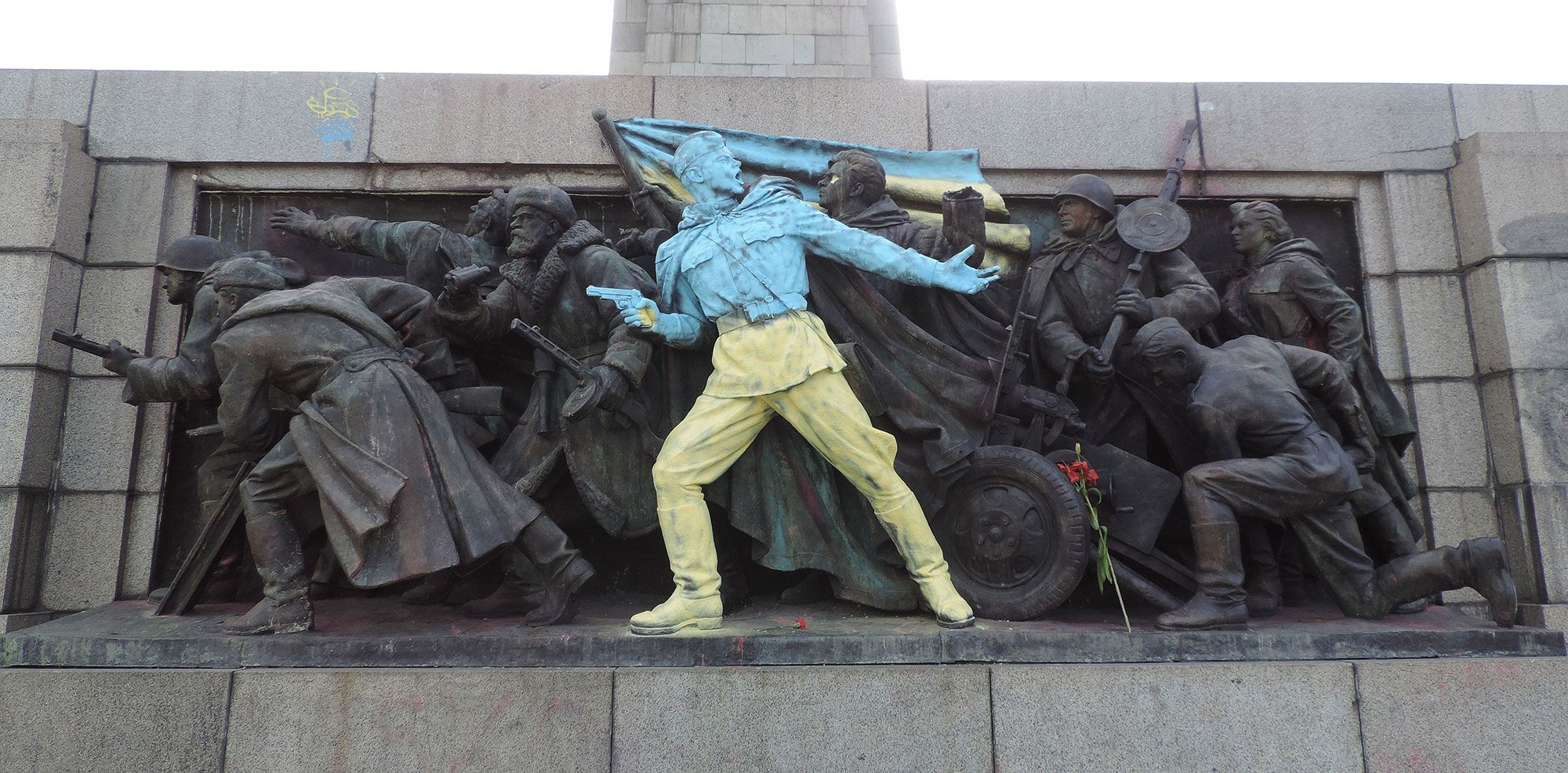
The Master's in East European Studies offers a fascinating, research-oriented journey into the politics and culture of this region in the 20th and 21st centuries. The first semester comprises two core modules and a series of electives, while the second semester focuses on the Master's Thesis.
Master's

Programme structure

The one-year Master's in East European Studies comprises 60 ECTS credits.

coursesec
  • Alternative Modernities
    Period 1
    6
    This course introduces the Eastern European Studies Master's programme by examining the Russian Empire and Soviet Union as multi-ethnic states, exploring alternative routes of modernization, revolutionary transformation, center-periphery relations, and the contradictions that contributed to the collapse of socialist modernity in 1989/1991.
  • Post-Socialist Puzzles: Europe after 1989
    Period 2
    6
    Building on Alternative Modernities, this course examines post-1989 Eastern Europe by analysing political and economic transformation, the rise of new Russian imperialism, nationalism, religion as political legitimacy, and nation-building conflicts in the former USSR and Yugoslavia.
  • Thesis Seminar European Studies: East European Studies
    Period 3
    6
    This course guides you through the academic research process, from identifying a subject area and formulating research questions to peer feedback and collaborative proofreading, using individual thesis projects as the primary vehicle.
  • Restricted-choice electives: East European Studies
    Period 1
    Period 2
    Period 4
    Period 5
    12
    You can choose two of the following courses: 'Enlargement and External Relations of the EU', 'Intimate Politics: Culture and Subjectivity in Soviet and post-Soviet Russia', 'East-West Perceptions in Post-Communist Europe', 'Europe and its Discontents: A political History of Anti-liberalism', 'Ukraine’s Plural Geographies: War, Europe, and the Politics of Difference', 'Memory & Conflict in Eastern and South-Eastern Europe', or 'The Global South and Russia'.
  • Free-choice electives
    Period 1
    Period 2
    Period 4
    Period 5
    12
  • Master Thesis European Studies
    Period 4
    Period 5
    Period 6
    18
Compulsory course
Elective

Check the schedule

Wondering what your weekly schedule will look like as a master's student East European Studies? Download the illustrative timetable and get an impression of the contact hours, balance between weekdays and your spare time.
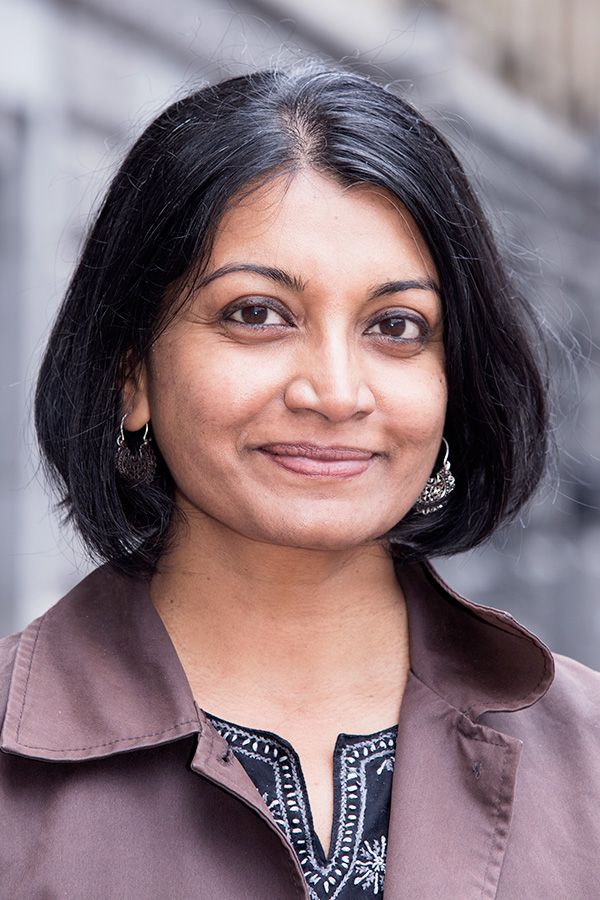
The ordinary and the unspectacular are significant, both politically and socially. This principle underpins my teaching and research.Dr Sudha Rajagopalan, Senior LecturerProfile page Dr. Sudha Rajagopalan