10 years of ‘douba’ Medicine and Biomedical Sciences
In September 2014, UvA launched the double Bachelor (douba) of Medicine - Biomedical Sciences. This gives talented students the chance to become a medical professional who can combine sound clinical knowledge with new insights from biomedical research. The double bachelor is a collaboration between the Faculty of Medicine and the Faculty of Science.
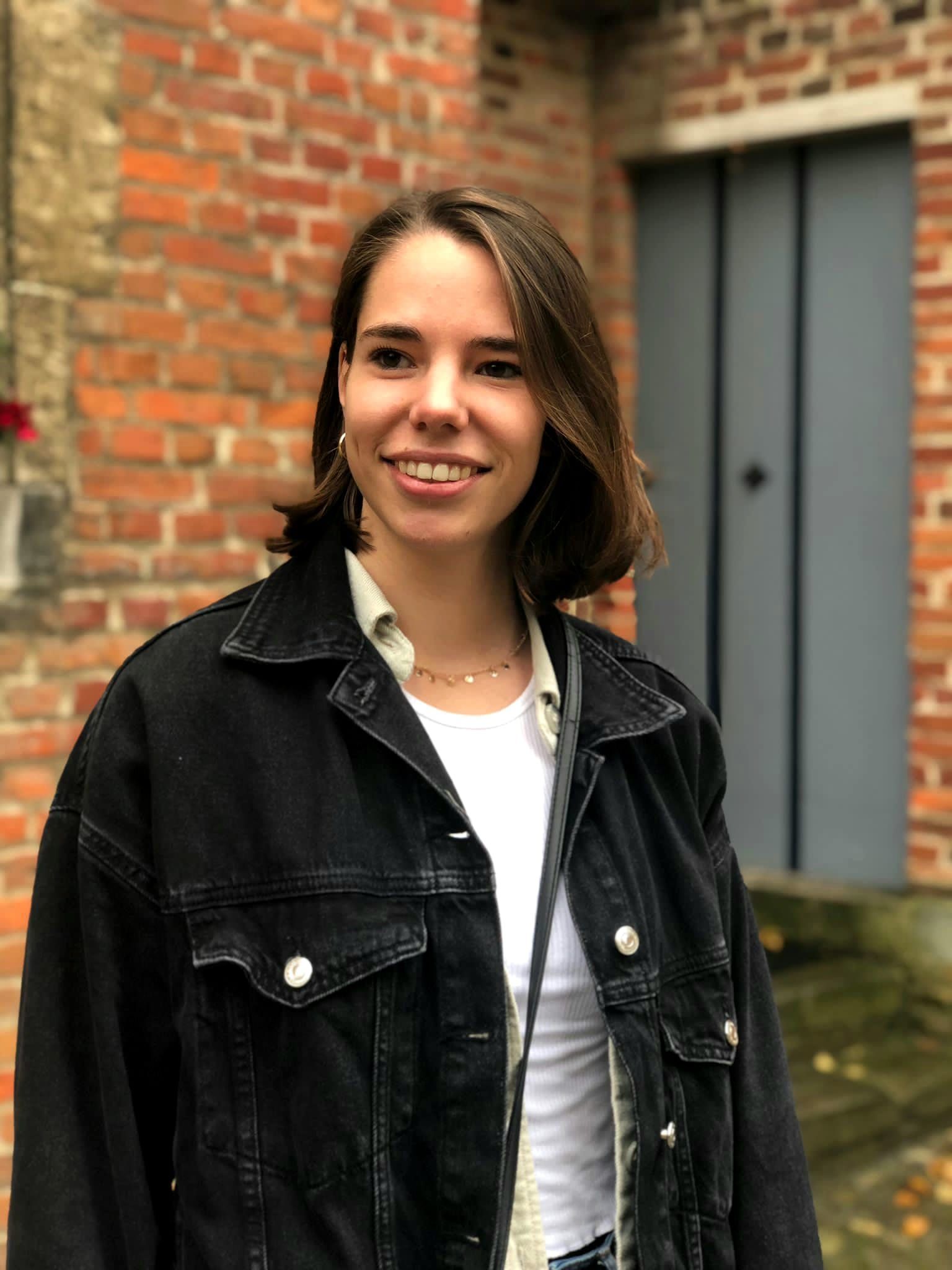
Every year, 6-12 students enter. For the professional field, it produces students with valuable qualities. From day 1, they take courses in both disciplines. ‘One of the main advantages of the two degrees is that you have already become well acquainted with both the world of medicine and research during your studies,’ says alumnus Sarah van Zon. She started the douba programme in 2014. ‘This makes it much easier to act as a bridge between these nevertheless very different worlds. In addition, during my current work as a physician-researcher at Amsterdam UMC, it helps that I started reading and writing scientific articles at a young age. This makes it easier to interpret research results and ultimately apply them in the consulting room.’
Experimental
After the double bachelor's, Sarah also completed the double master's and entered a PhD track at the Department of Gastrointestinal and Liver Diseases. ‘During my current PhD trajectory, I am researching new ways to predict whether drugs will benefit patients with intestinal disease, Crohn's disease. Because this topic is quite experimental, the scientific knowledge that I gained during biomedical sciences has benefitted me greatly. The research is conducted in the hospital, with ‘real patients’, so the knowledge I gained during my studies in Medicine is also indispensable. In short, the duba comes in handy here.’
New medicines
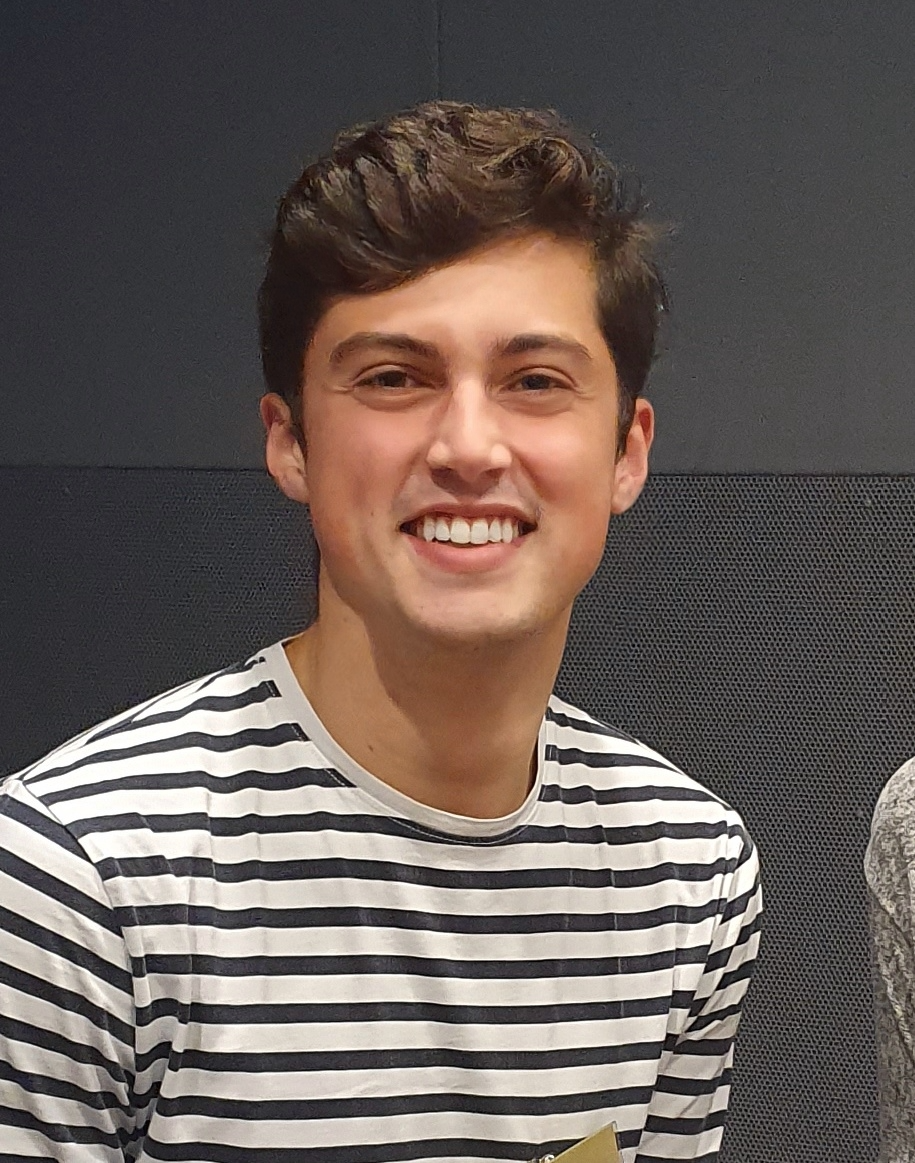
Alumnus Maxim Annink joined douba in 2015 and notices that medicine is increasingly benefiting from high-tech biomedical applications. ‘Think, for example, of the low-threshold use of genetic information about the patient to tailor possible therapies to his or her situation as well as possible.’
As a physician-researcher at Amsterdam UMC's Vascular Medicine, Maxim is currently researching cholesterol particles and arteriosclerosis. ‘As a doctor, I do clinical research, which means I investigate therapies and diagnostic strategies to detect and treat cardiovascular diseases in patient groups. So a lot of patient contact. However, my biomedical background also allows me to spend a significant part of my working time in the lab, where, among other things, I investigate the effect of potential new drugs on vascular cells in Petri dishes. So very varied!’