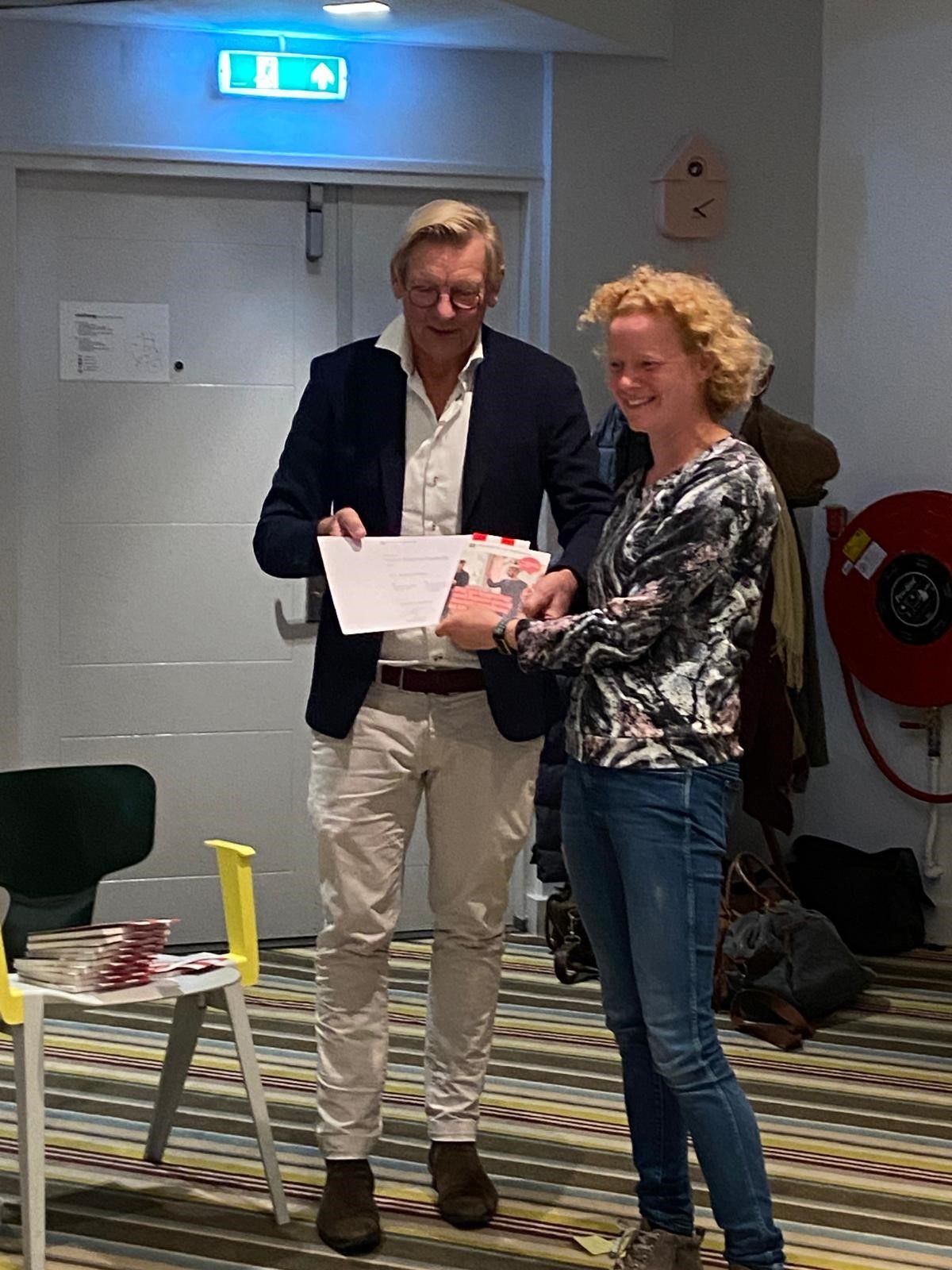
Four teachers complete Teaching Leadership Course
Innovation in education at the Faculty of Science
Four Faculty of Science staff recently completed the Educational Leadership Course (LOL). With their participation, Erwin van Vliet, Jan Pieter van der Schaar, Emiel van Loon and Sandra Cornelisse have taken an important step in their development as educational leaders. Their efforts demonstrate how educational innovation is actively shaped and strengthened within the UvA.
The Educational Leadership Course (LOL) is a programme aimed at experienced teachers and education directors. It offers them the chance to develop leadership skills and further develop a personal vision of education. By working on hands-on oriented projects, the course not only contributes to the development of the participants, but also to innovations within UvA education.
We highlight the contributions of three of the participants.
Jan Pieter van der Schaar, theoretical physicist and education director of the Graduate School of Sciences (GSS), championed the Faculty of Science's teacher agenda during the LOL. Initially, he hesitated about participating, but colleague Lucy Wenting convinced him.
His project focused on motivating more students, PhD students and science teachers to obtain a 1st- or 2nd-degree teaching qualification. ‘The current number is shamefully low,’ he says. Through better information, mandatory educational components in curricula and a stronger teaching community, he aims to achieve lasting change.
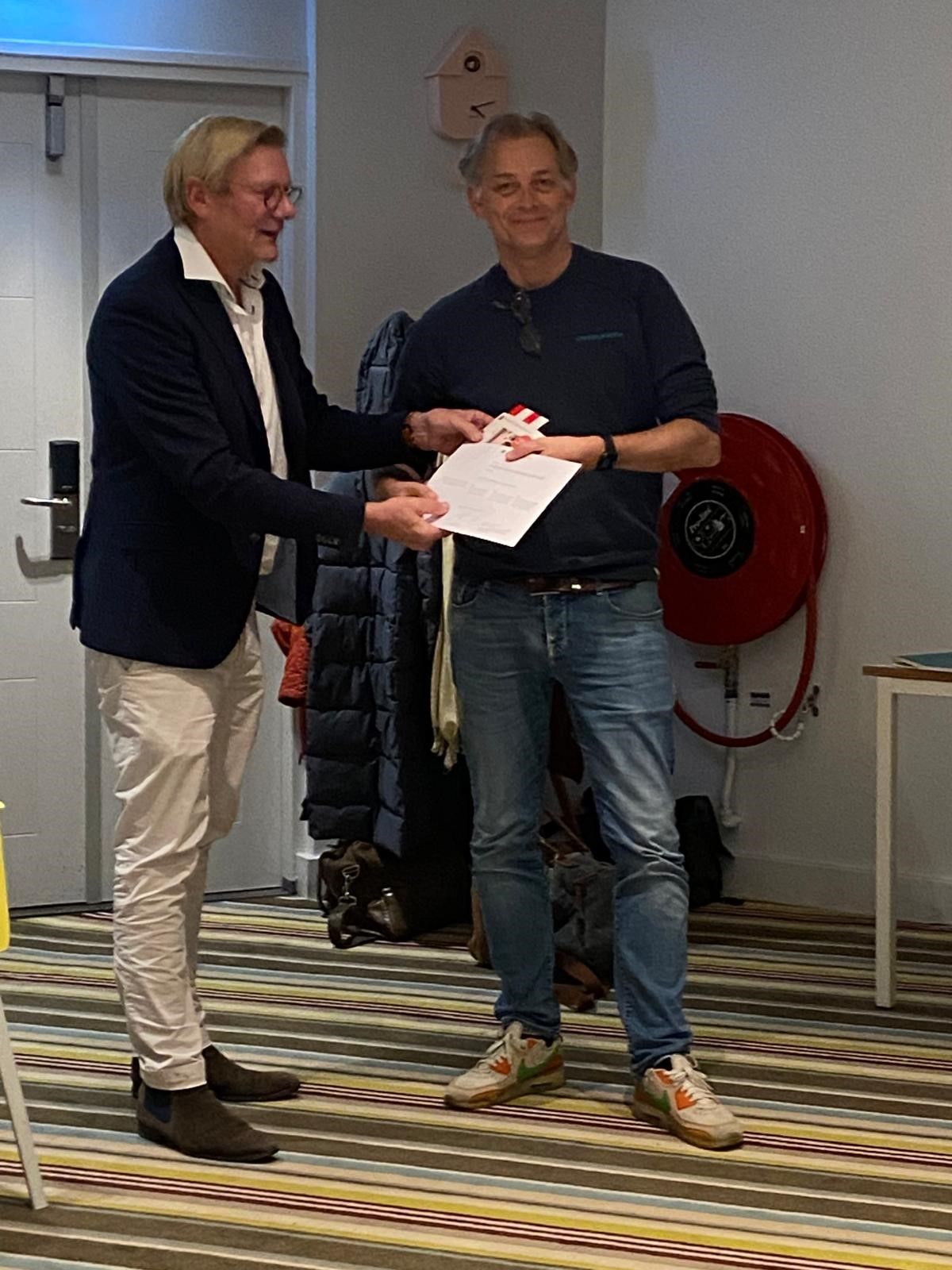
For University Senior Lecturer at Cellular and Circuit Neuroscience (SILS-CNS) and programme director of the Bachelor of Psychobiology Erwin van Vliet, the LOL was an excellent opportunity to learn from and with colleagues, exchange experiences and further professionalise.
During the course, he worked on ‘self-directed learning for students through collaborative teaching teams’. Within the Psychobiology bachelor's programme, Erwin strengthened cooperation between university lecturers and specialist lecturers. This resulted in a joint educational vision that focuses on curiosity, self-reliance and a critical and realistic outlook. Thanks to this approach, education becomes future-proof and students get more room for self-direction in their learning process.
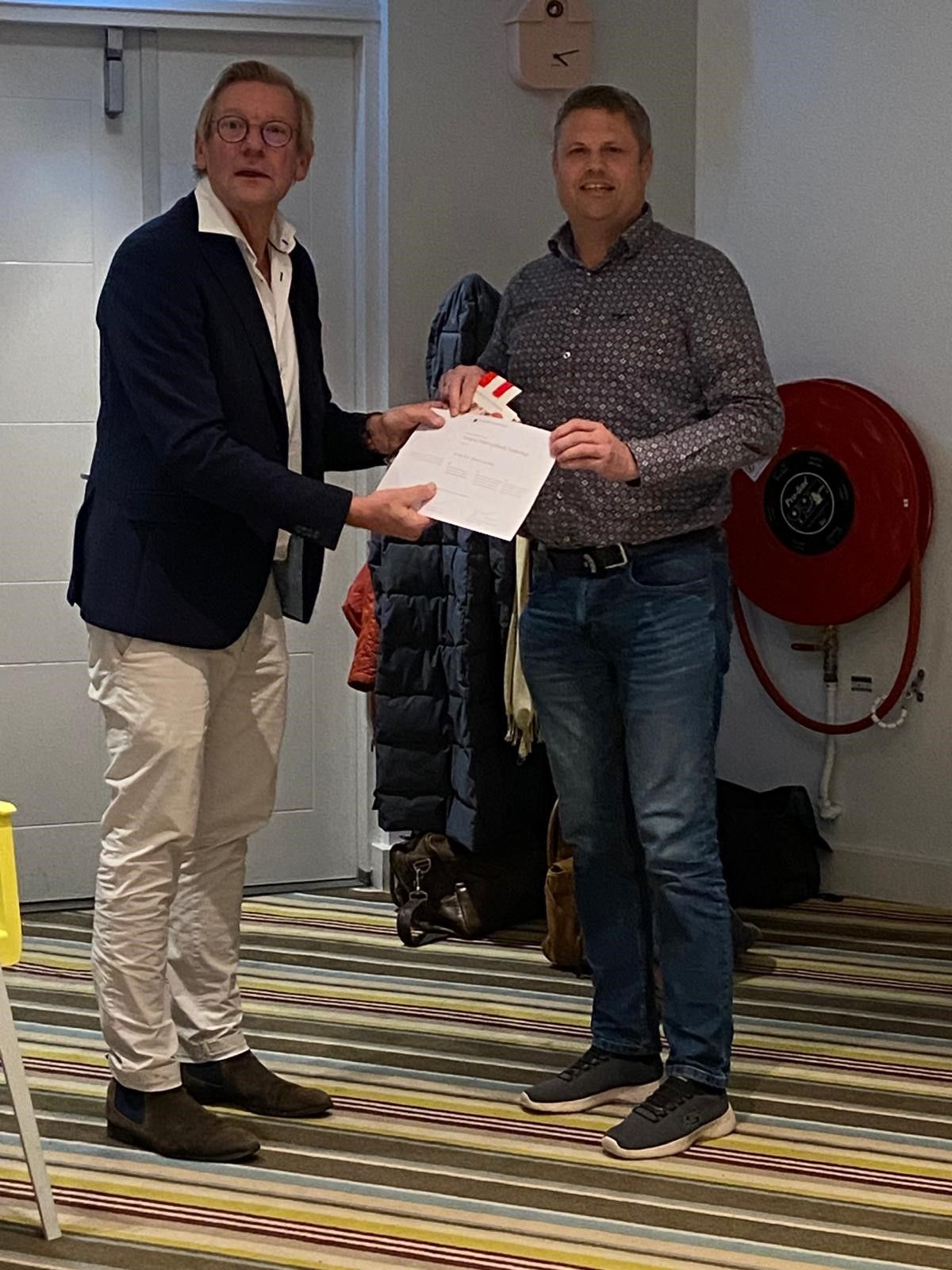
Emiel is associate professor at the Institute for Biodiversity and Ecosystem Dynamics (IBED) and programme director of the bachelor Future Planet Studies.
Emiel focused on setting up and formalising expert groups around broad basic subjects, such as programming, ethics and applied statistics. These subjects are found in almost all Faculty of Science bachelor programmes, but are often offered in a fragmented way. As a result, such potential as shared expertise and material development, is not optimally used. By creating expertise groups, Emiel wants to strengthen cooperation between institutes and make education more efficient and effective. ‘This structure not only makes education more consistent, but also more sustainable,’ he says.
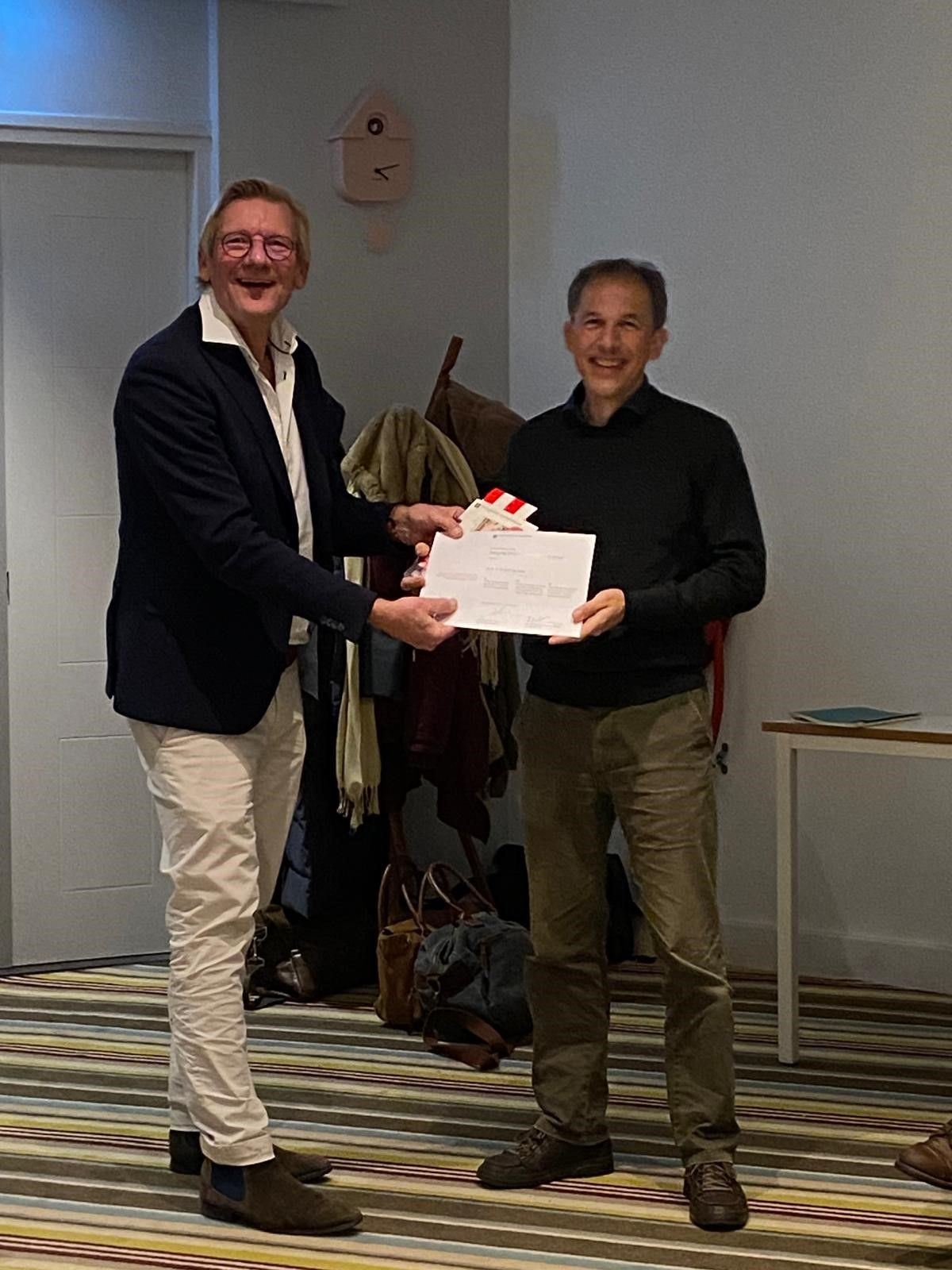
The Faculty of Science congratulates all four participants. In addition to the above participants, also Sandra Cornelisse.. Their dedication and vision enrich not only their own fields, but also the learning experience of future generations of students.