Joyeeta Gupta, Hanneke Grootenboer, Max Welling and Stefania Milan elected as KNAW-members
UvA professors Joyeeta Gupta, Hanneke Grootenboer, Max Welling and Stefania Milan have been elected as new members of the Royal Netherlands Academy of Arts and Sciences (KNAW). In total, the Academy has elected 17 new members this year.
KNAW members are leading scholars from all academic disciplines, selected on the basis of their scientific achievements. The Academy has approximately 600 members and membership is for life.
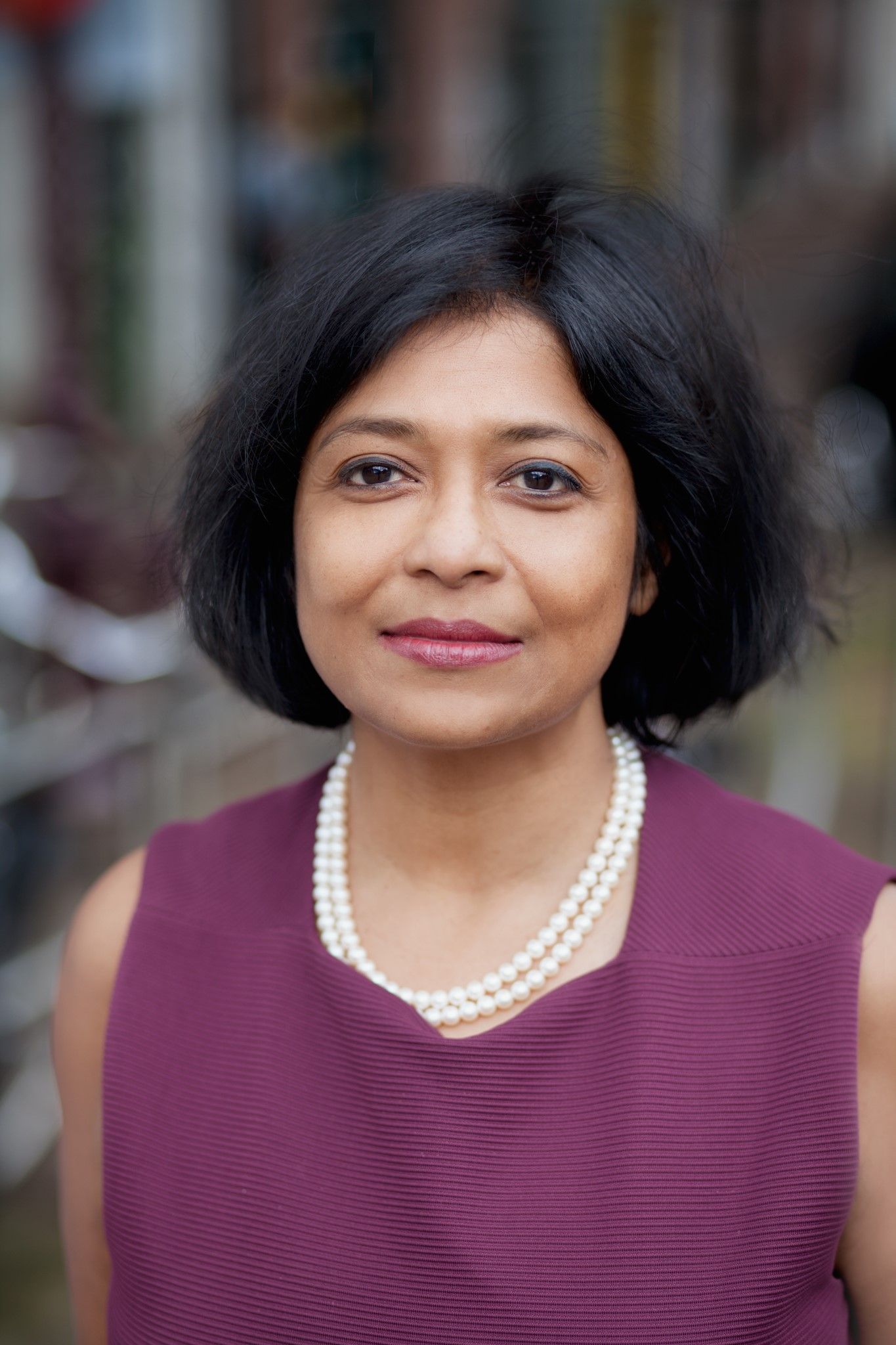
Joyeeta Gupta, distinguished professor of Climate Justice, Sustainability and Global Justice
Professor of Environment and Development in the Global South (Faculty of Social and Behavioural Sciences), Joyeeta Gupta plays a globally prominent role in the climate change debate. Her influential research demonstrates how climate impacts disproportionately affect people in the Global South. Gupta has firmly placed the issue of justice on the agenda in international climate cooperation.
In addition to her role at the UvA, she is also a professor at the IHE Delft Institute for Water Education. Gupta serves as co-chair of the Ten High-level Representatives of Civil Society, Private Sector and Scientific Community to Promote Science, Technology and Innovation for the SDGs , a component of the UN Technology Facilitation Mechanism. She is currently in New York participating in UN Science, Technology and Innovation governance events. Gupta has received multiple honours for her work. In 2007, she was a lead author for the Intergovernmental Panel on Climate Change (IPCC), which was co-awarded the Nobel Peace Prize that year. In 2023, she received the prestigious Spinoza Prize – the highest scientific award in the Netherlands.
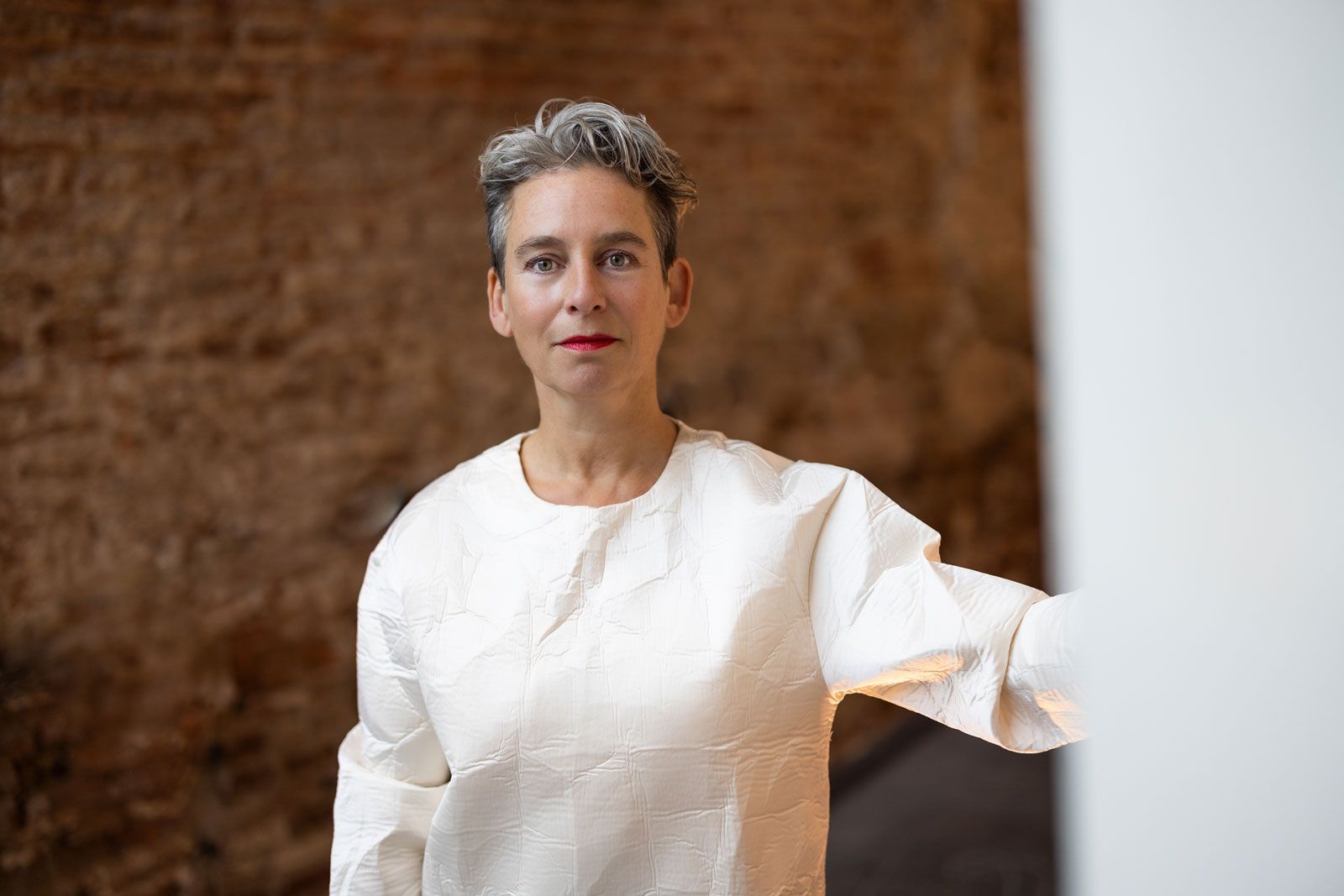
Hanneke Grootenboer, professor of Early Modern Art and Visual Culture
Art historian Hanneke Grootenboer approaches painting not primarily as an aesthetic or historical object, but as a mode of thinking. Through a philosophical lens, she reveals how paintings function as reflections on themes such as time, existence, and sensory experience. To her, a still life is a visual meditation: a phenomenology in paint.
Grootenboer’s work is characterised by attention to the seemingly insignificant: shells, embroidery, or miniatures in dollhouses. Her analyses show how these small objects speak to universal, timeless themes such as intimacy and the self. In doing so, she connects centuries-old visual culture with contemporary philosophical questions, contributing to a renewed way of seeing art: where meaning, time and materiality are intertwined.
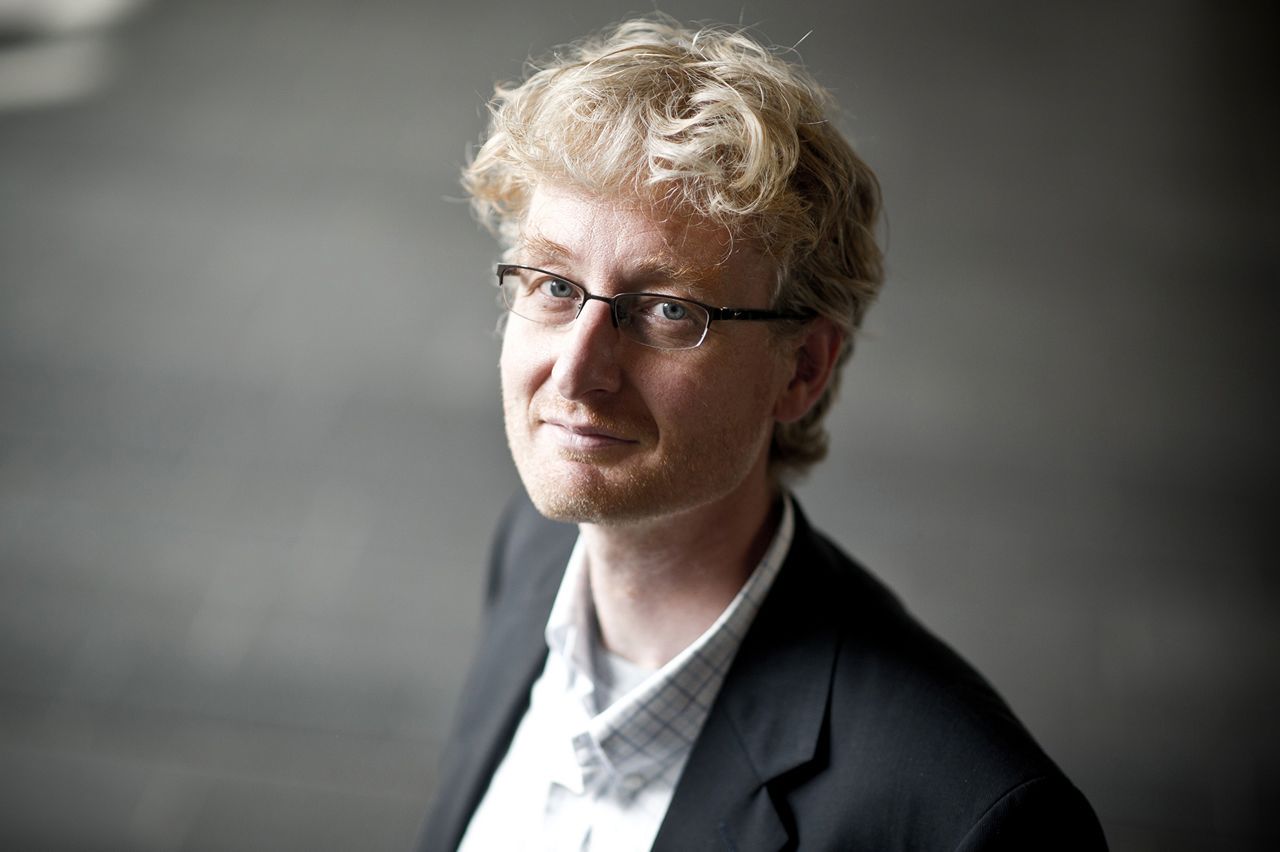
Max Welling, professor of Machine Learning
Without our own artificial intelligence, Europe has no future, says Max Welling. As Professor of Machine Learning at the UvA, he puts that conviction into practice. Welling has developed models that have become new standards in AI and plays a leading role in advancing machine learning in the Netherlands and across Europe. He bridges science, politics, and industry. He is co-founder of CuspAI, a startup that combines AI and chemistry to develop sustainable materials. Through this work, he contributes to a resilient and autonomous Europe in which AI is not only developed, but also directed towards societal and ecological progress.
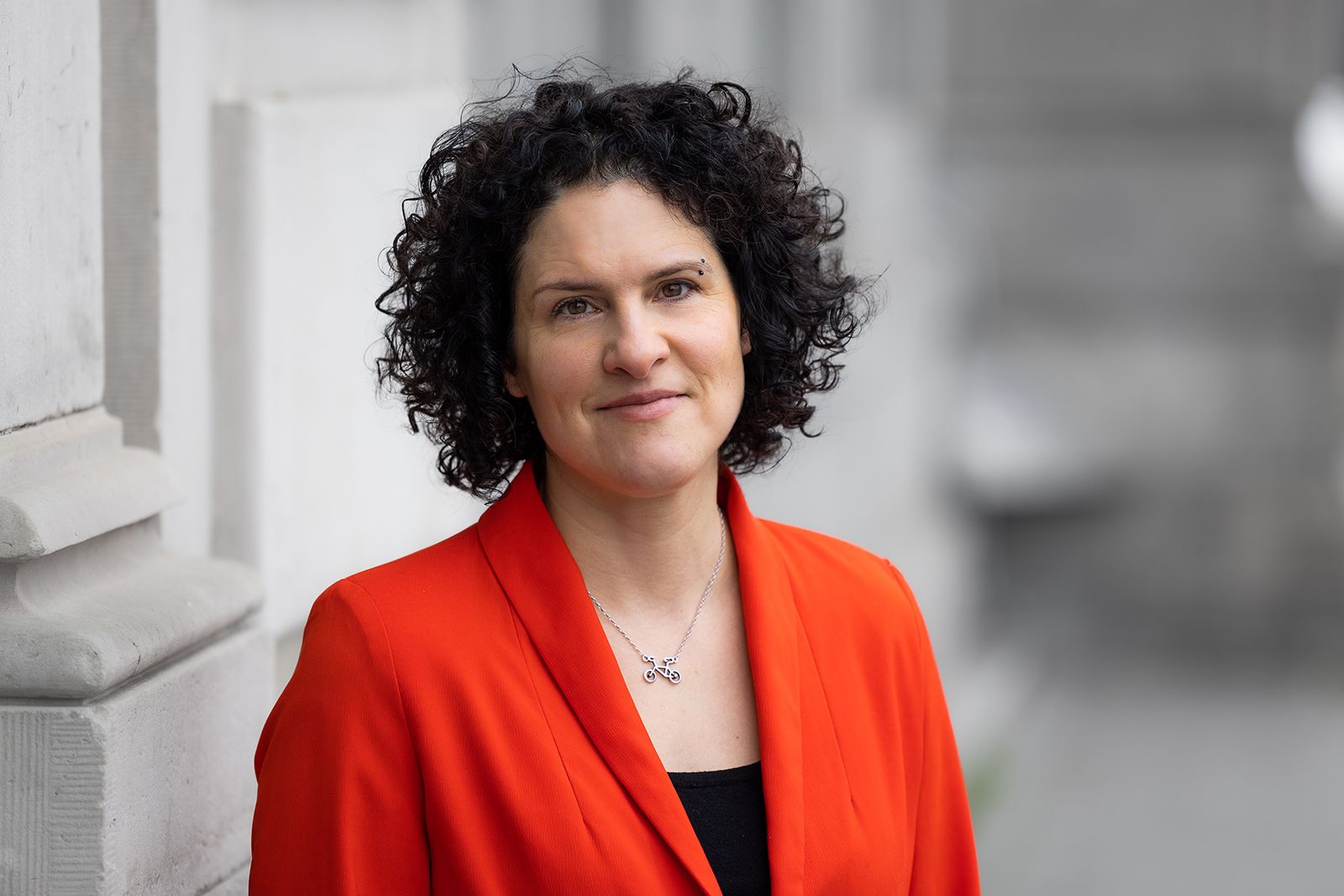
Stefania Milan, professor of Critical Data Studies
Stefania Milan is professor of Critical Data Studies at the Faculty of Humanities, Department of Media Studies. Her research highlights the darker sides of a data- and algorithm-driven society. Milan explores how technological developments, such as artificial intelligence, can undermine democratic processes. She approaches these topics by integrating perspectives from the humanities, social sciences and computer science. With her interdisciplinary method, Milan sheds light on the consequences of AI for vulnerable groups, both in the West and the Global South. Her work is not only conceptual, she actively collaborates with stakeholders to contribute to just and sustainable solutions.