Voices return home: colonial sound collection given back to Indonesia
Musicologist Barbara Titus recently travelled to the Indonesian island Nias in order to bring back digitised sound recordings, film and photos to the villages where they come from. The recordings, which were made in 1930 by the ethnomusicologist Jaap Kunst and painter Rudolf Bonnet, had been stored at the University of Amsterdam (UvA). ‘I couldn’t have imagined how many emotions handing them over would stir up, including in me.’
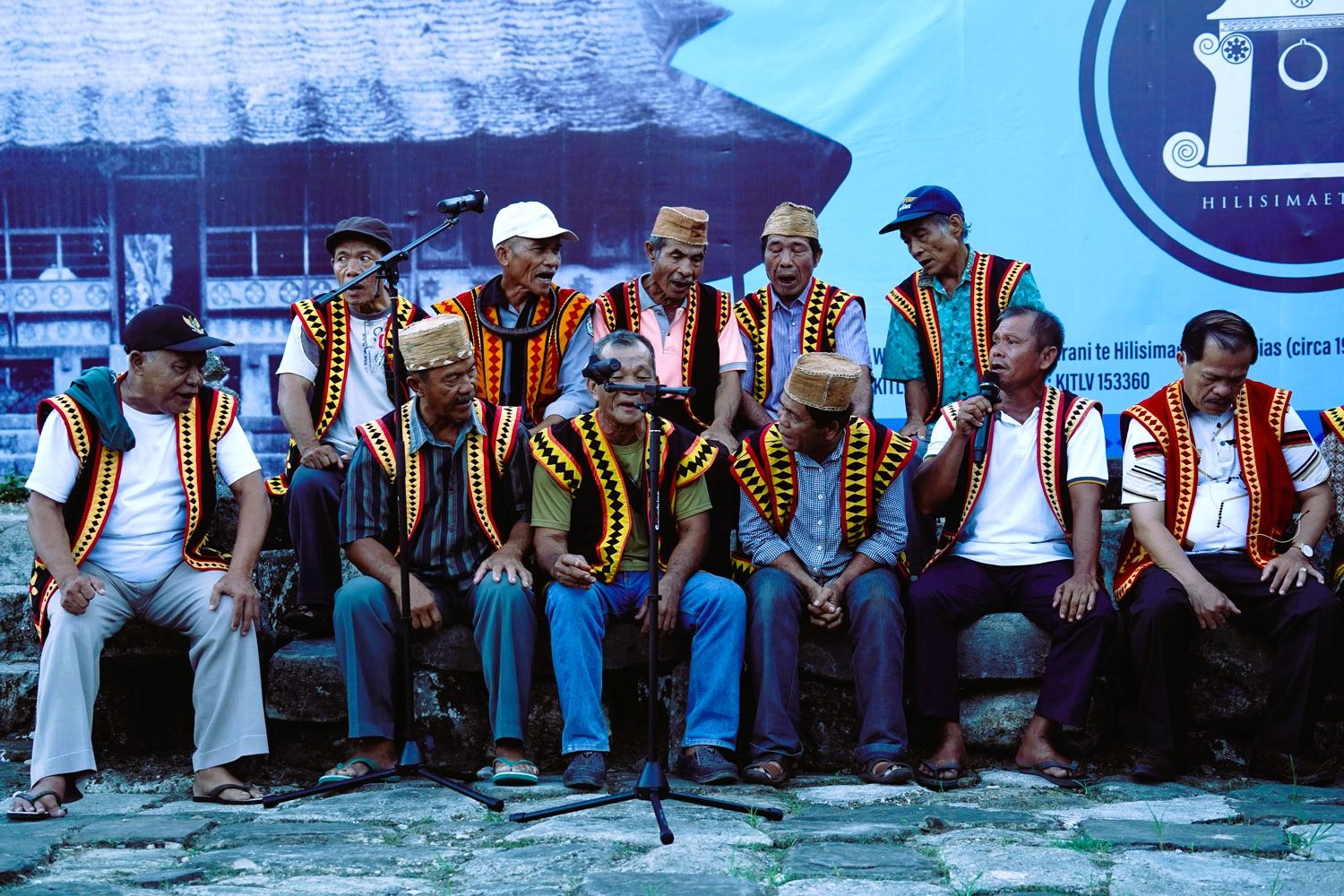
The restitution project Suara yang Pulang (Voices that return home) was conceived by Doni Kristian Dachi, who comes from South Nias, says Titus. ‘He knows everything about the local culture, history and traditional customs of Nias. Thanks to a previous restitution project, he ended up on the website of our research project DeCoSEAS (Decolonizing Southeast Asian Sound Archives), where we have made the Jaap Kunst Collection, which we manage, available online.’
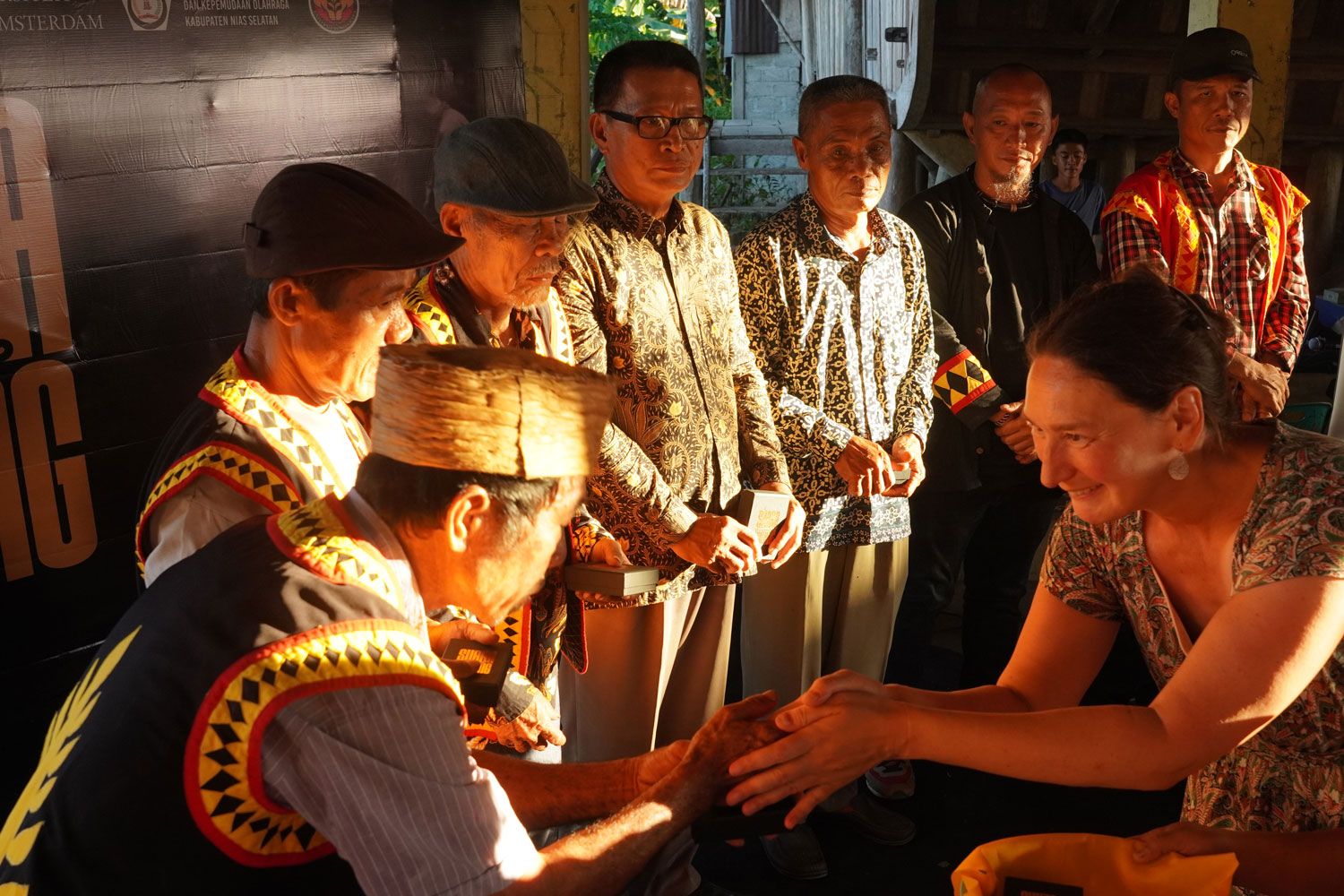
Handing over sound recordings, photos and film
One thing led to another and Titus ended up travelling to Indonesia last summer in order to hand over film material, photos and sound recordings, which were once captured on Nias, to the local inhabitants there. During the trip, she and her colleague played sound fragments and displayed images from the collection at a folklore festival. Barbara Titus ceremonially handed over the digital archive to the descendants of those people whose voices were recorded at that time. ‘I couldn’t have imagined how many emotions handing them over would stir up,’ she says, ‘including in me.’
Deeply moving
Titus and her colleague also visited descendants in different villages in order to discuss the sound recordings, film and photos with them. ‘Previous experiences in Timor have taught me that material which had been stored in Europe seems to come alive once again, with people commenting on and singing along to it, thus giving it new meaning’, she says.
It is crucial that communities of interest in Indonesia indicate what should happen with the material.
‘This is an incredibly important aspect of restitution and it is always deeply moving as well. In addition, it is crucial that communities of interest in Indonesia indicate what should happen with the material, and what is or isn’t problematic about it as heritage from a colonial past.’
Integrating old songs into church services
The sound recordings that were returned are of songs that were considered ‘pagan’ and ‘backward’ by the Protestant mission at the time, says Titus. ‘But some Protestant Niasians, particularly in the metropolis of Jakarta, now want to integrate these old songs into their church services. Others do not, however, so there is some debate about this. Such discussions reveal bigger questions about identity, faith and cultural expression, and the colonial past, of course.’
You can also read the report of the journey written by Barbara Titus, which was published by the Dutch daily newspaper NRC (in Dutch).
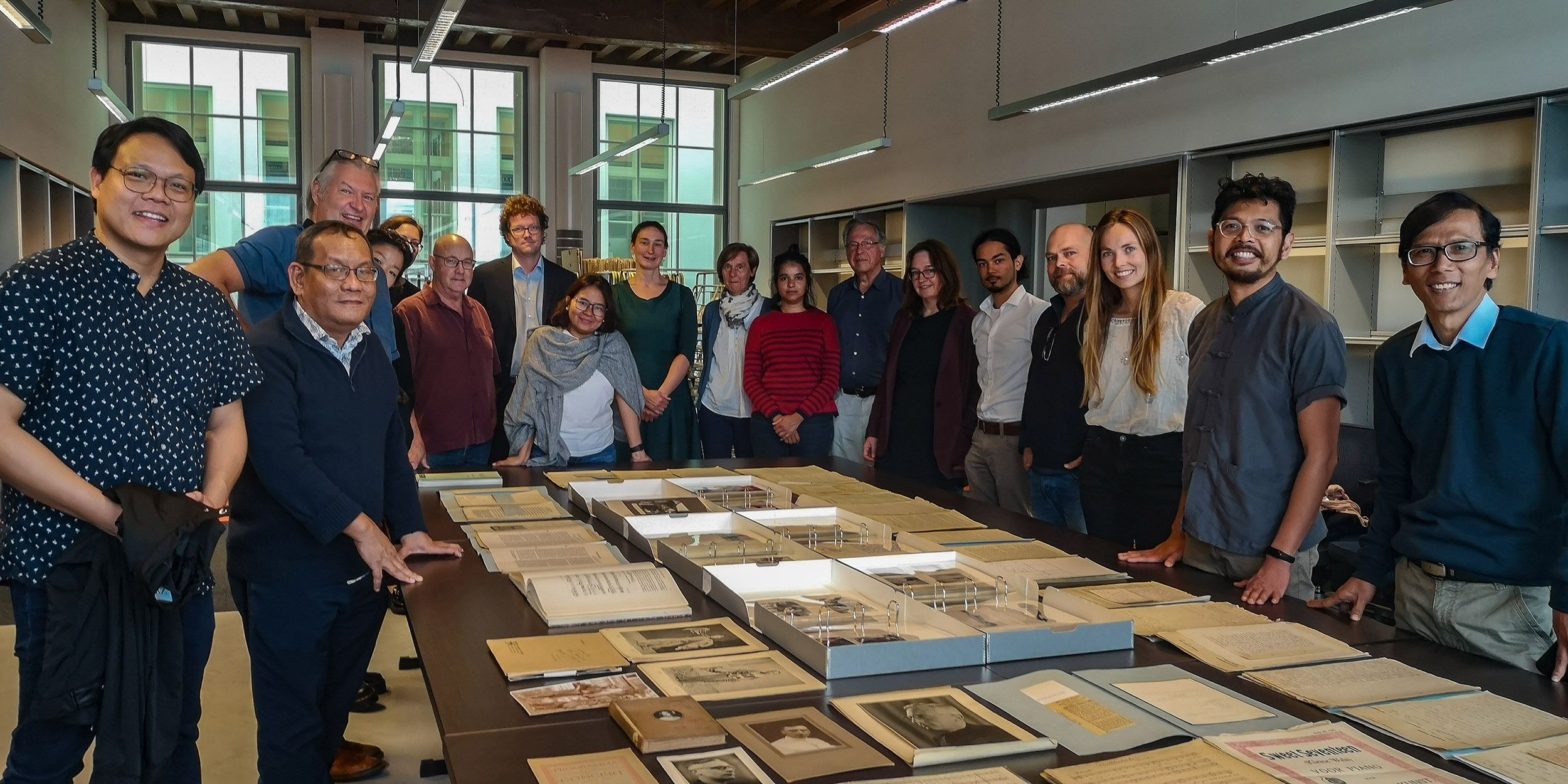
European grant for disclosure of colonial sound collections from Southeast Asia
A Dutch-French-British research consortium, led by UvA researchers Barbara Titus and meLê yamomo, has received a European grant for their three-year project titled Decolonizing Southeast Asian Sound Archives (DeCoSEAS). ...- Master's
Music Studies (Arts and Culture)
Specialise in historical, cultural or cognitive musicology, or a combination of the three. 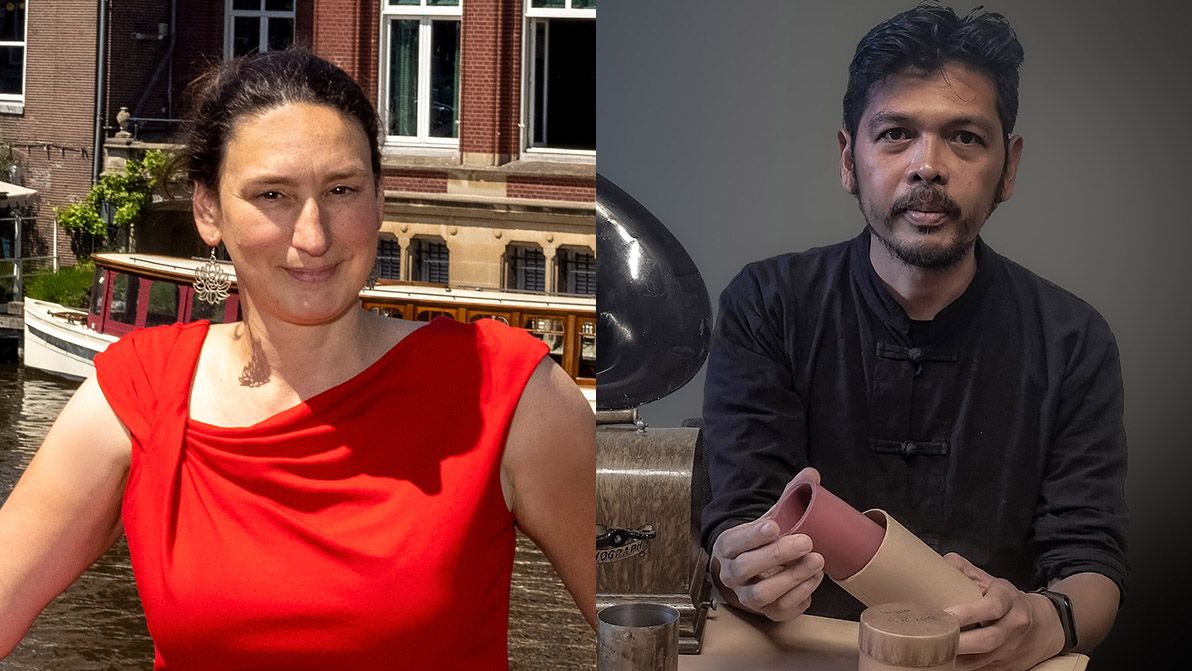
Samen de wetenschap dekoloniseren
Hoe maak je koloniale geluidsarchieven toegankelijk voor de gemeenschappen waar het erfgoed vandaan komt? In hun project DeCoSEAS (Decolonizing Southeast Asian Sound Archives) gaan Barbara Titus en meLê yamomo dit onderz...