CORNER on campus: talking about the future of housing and energy
A travelling exhibition where research, art and societal questions about housing and energy come together.
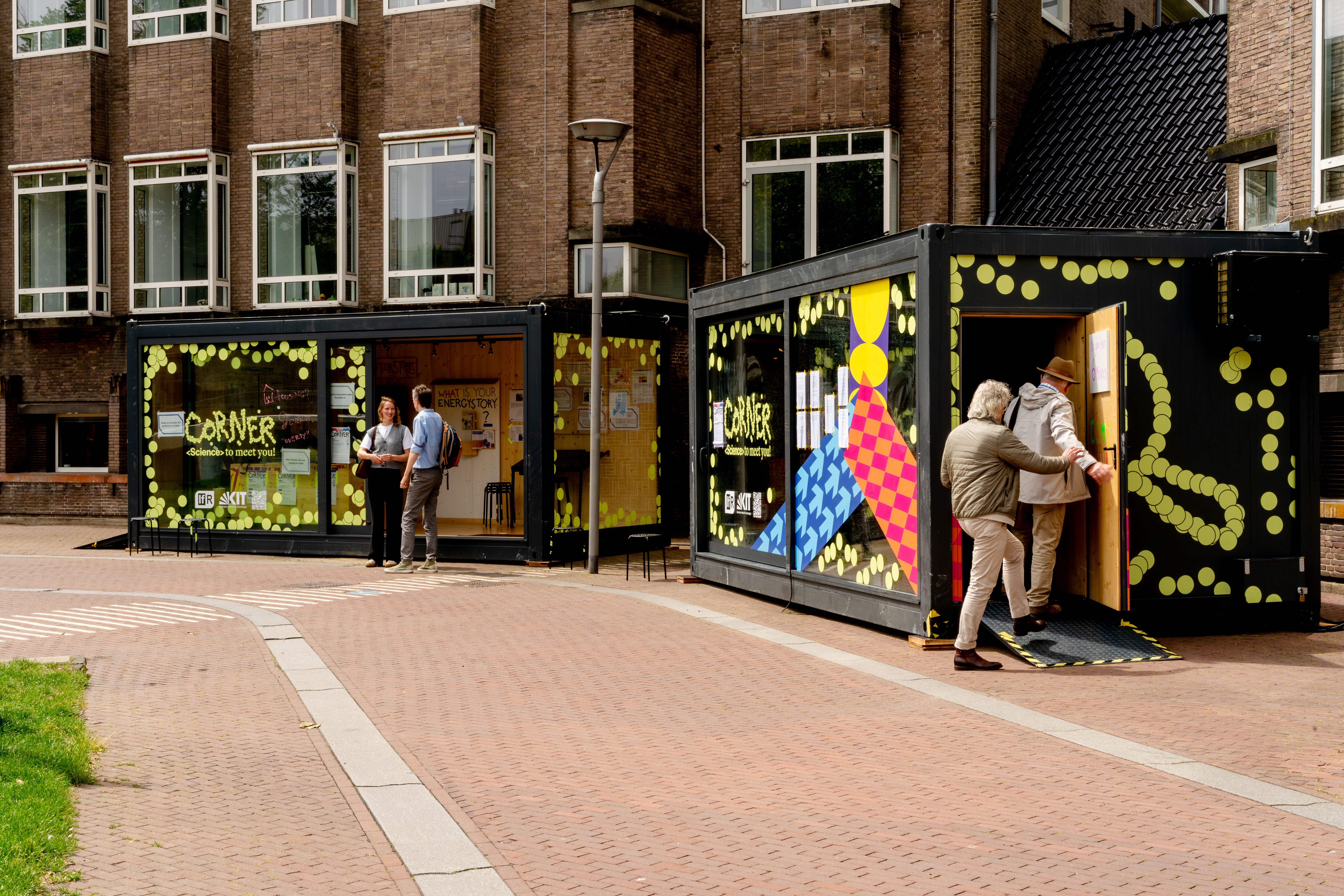
From 2 to 4 June, CORNER was at the Roeterseiland Campus. The travelling exhibition was hosted in shipping containers alongside the J/K Building. CORNER is a meeting place where research, art and societal questions about housing and energy converge. The event was part of the PREFIGURE research project, which focuses on affordable, sustainable and inclusive housing.
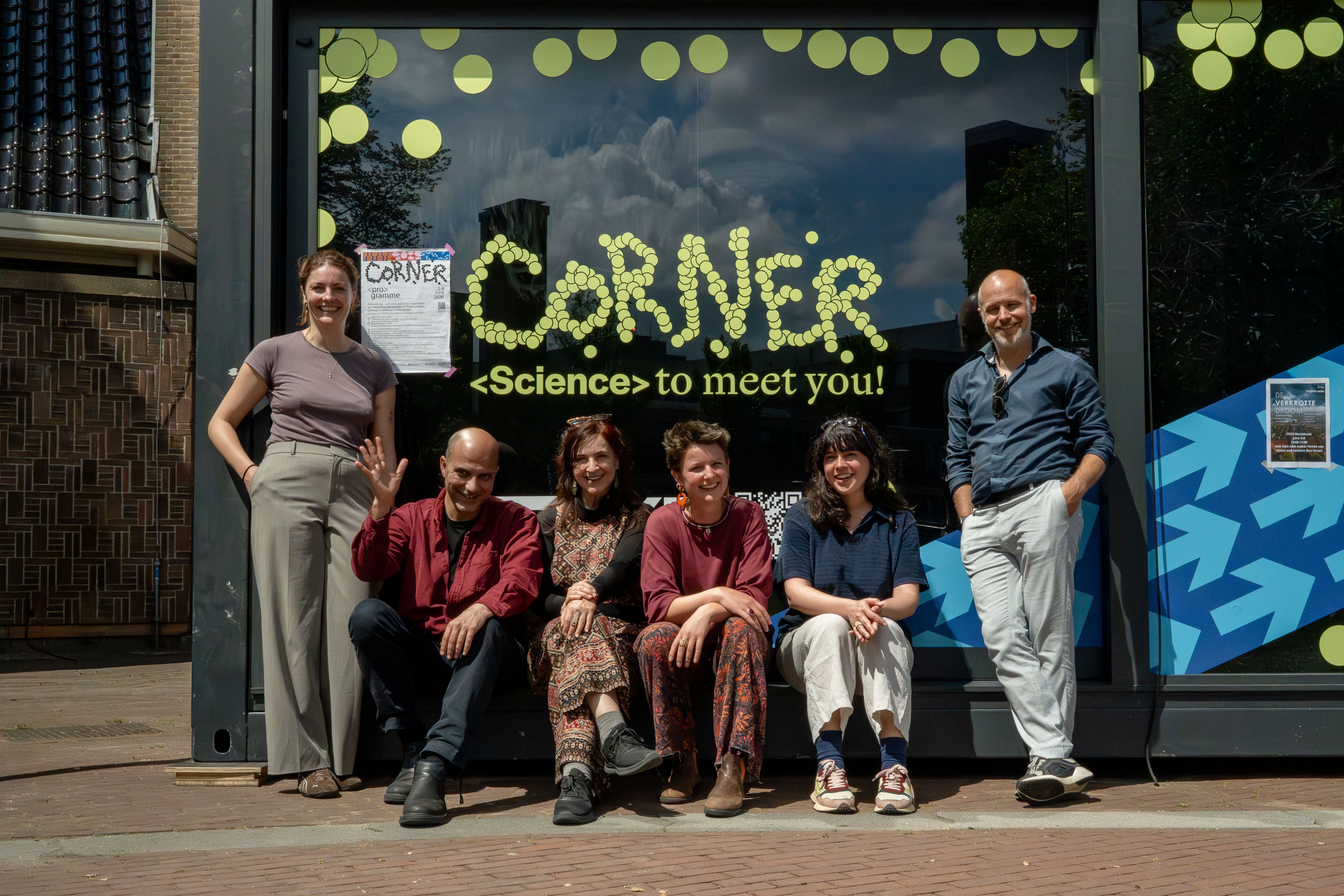
Over the three days, UvA researchers, policy-makers, civil-society organisations, residents’ initiatives and students came together for conversations. They discussed the challenges of the energy transition and the housing market, addressing questions such as: how do we keep housing and energy affordable? Who benefits from sustainable solutions? And how can residents have a say in plans for their neighbourhoods? Everyone was welcome to visit the exhibition and activities — from students and staff to visitors from outside the university.
Day 1: the collective role in the energy transition
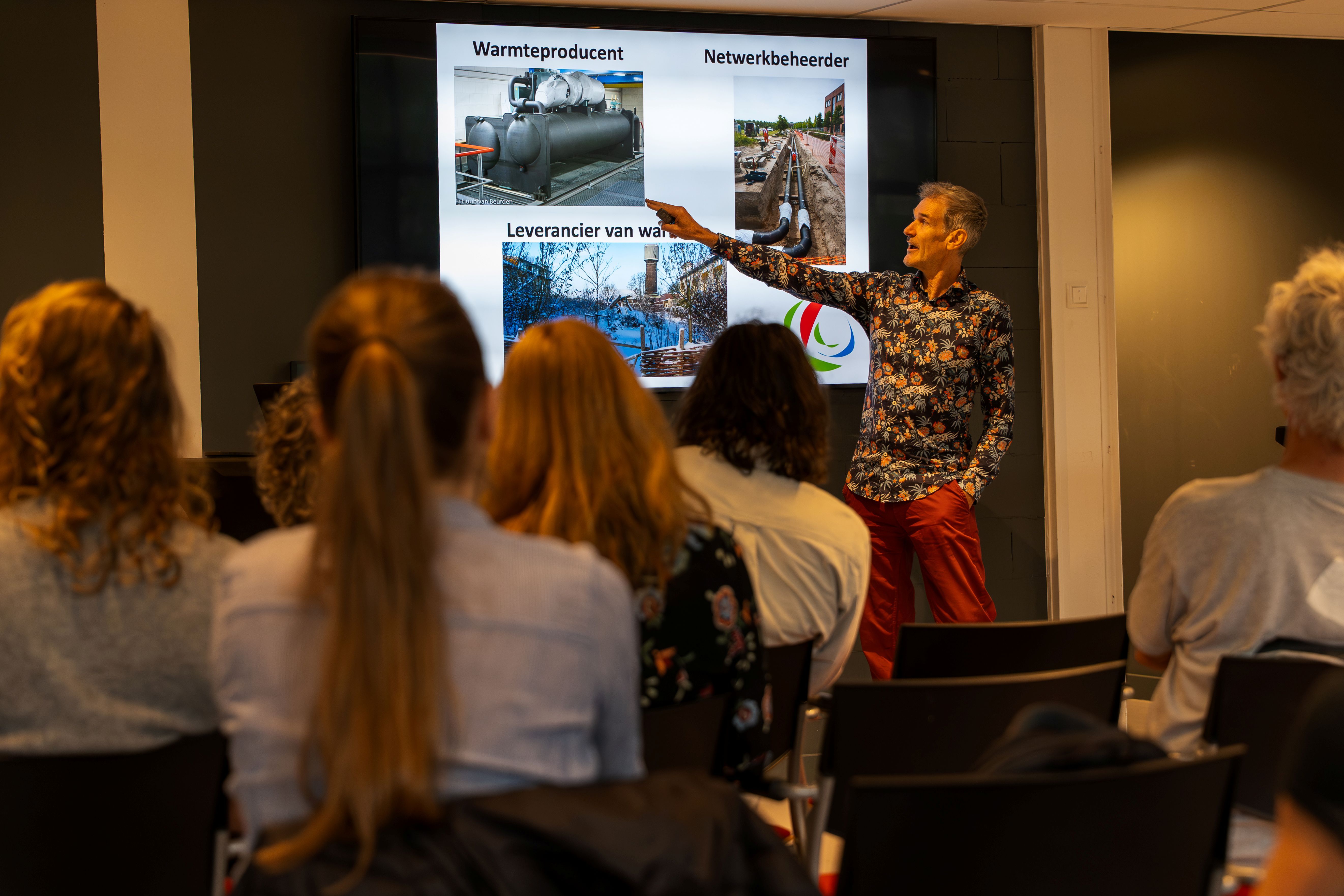
The first day focused on energy and heat communities. Residents, researchers and policy-makers discussed the opportunities and challenges of heat networks in neighbourhoods. Topics included shared decision-making, resident engagement, costs and the benefits of collective energy systems.
Students also found the discussions valuable: ‘I’m here because this panel is discussing neighbourhood heat networks, which I’m also researching for my dissertation. I wanted to know whether my findings align with the discussions and challenges in practice.’
Day 2: housing, energy and inequality
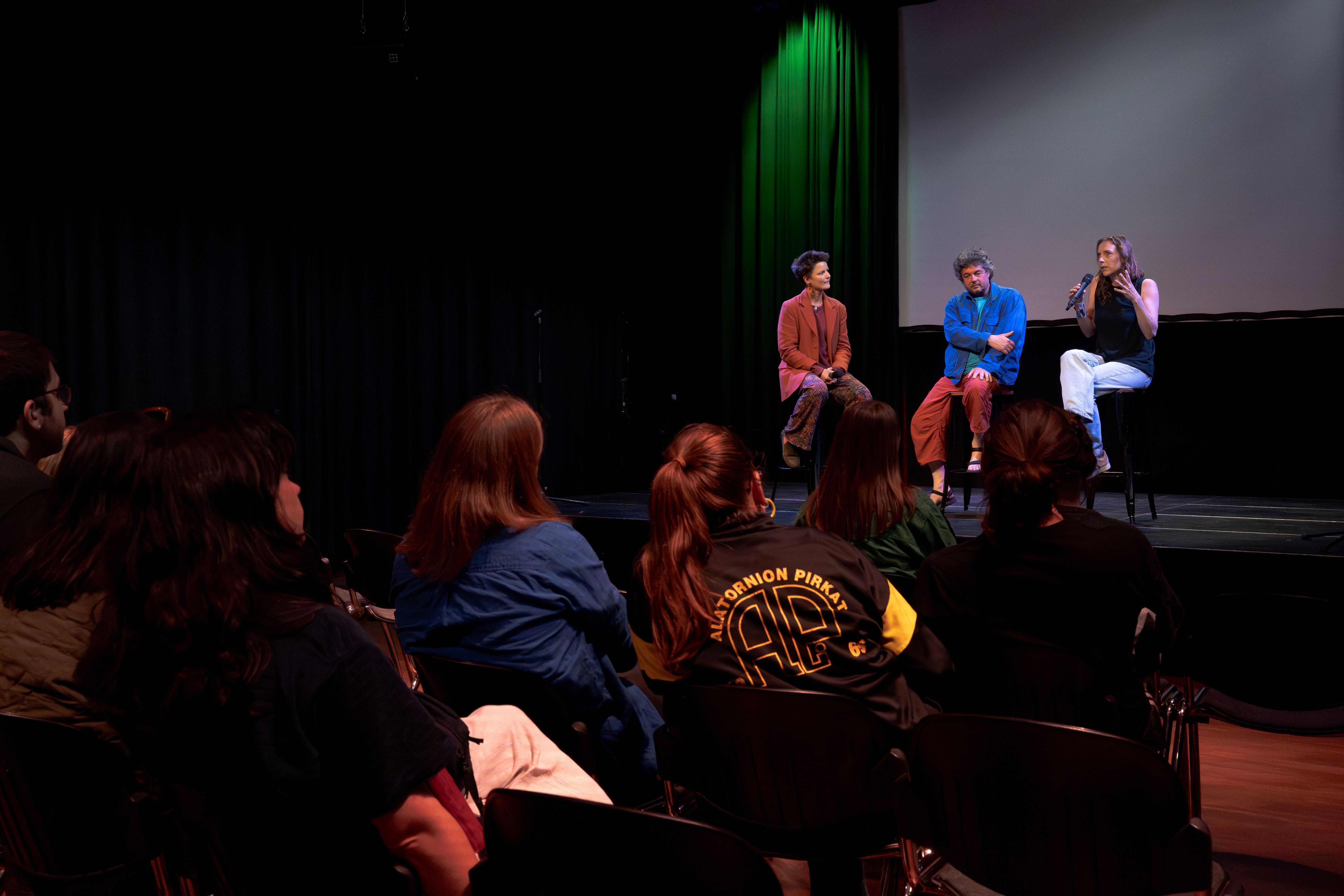
The second day focused on the relationship between energy, housing and social inequality. Researchers presented findings on energy provision for refugees and on the housing and energy situation of different groups of residents. In a creative workshop, participants explored their personal experiences with housing, energy and access to services. Using short scenarios and conversations, they reflected on the role energy plays in their daily lives.
The day ended with a screening of the documentary De Verkrotte Droom. The film highlights problems in the housing market and the consequences for residents. After the screening, participants discussed the issues together.
Day 3: research and policy in conversation
On the final day, researchers and policy-makers met to talk about affordable housing, urban development and the energy transition. Through presentations and discussions, they explored how research can contribute to fair and accessible policy. They also shared examples of residents’ initiatives, housing co-operatives and local energy projects, showing how engaged residents can make a meaningful contribution to sustainable solutions.
A local resident described how an earlier meeting inspired him to get involved: ‘I received an invitation to a meeting about the city’s heat transition. I was curious and decided to go. What struck me most was the enthusiasm of the people working on it. That’s when I knew: I want to be part of this. The idea of working together on a neighbourhood heat network especially appealed to me.’
The energy transition is a social transition, too
CORNER shows that housing and energy are about more than technology and policy. People matter as well. The exhibition and activities underscored the importance of collaboration. Researchers, residents, organisations and public authorities need each other to ensure a fair energy transition.
As CORNER organiser Mirte Jempa put it: ‘It’s precisely by talking to one another that you can discuss what’s fair. Why are housing and energy so expensive? How do we make them more affordable? And above all: how do we do this together? Because the energy transition is ultimately a social transition as well.’
Organisation
The event was co-organized by: Mirte Jepma, Mendel Giezen, and Maria Kaika, and run with the contribution of Charis Tsavdaroglou, Carolin Seiberlich and Imre Degenhart. It received funding from: IMPACT hub, the Centre for Urban Studies, EPICURE, and PREFIGURE EU Horizon.