How Airbnb turns homes into workplaces and cities into testing grounds
Airbnb is often associated with overtourism and rising house prices. But the platform is also changing something more fundamental: the way people think about their homes, their work and their relationships with the city around them. A new study by University of Amsterdam (UvA) geographer Jelke Bosma shows how Airbnb has helped turn private homes into businesses, created new inequalities among those who provide accommodation, and found ways to influence the rules governing urban housing. Bosma will defend his dissertation on 30 November at the UvA.
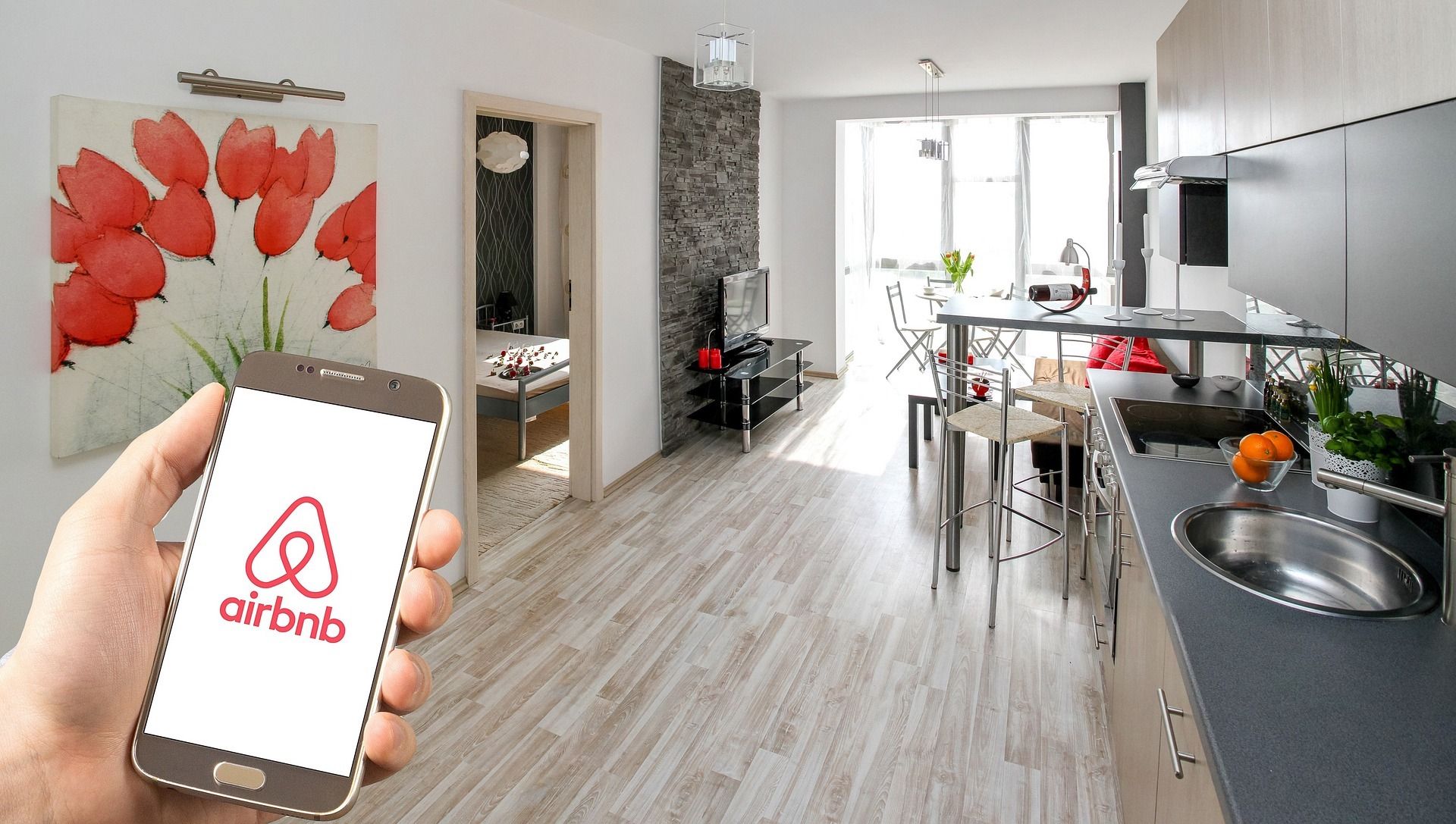
Based on research in Amsterdam and Berlin, Bosma examines how the platform essentially created the short-term rental market as we know it today, as well as reshaped the everyday lives of the people involved in it.
When homes become businessness
Airbnb originally presented itself as a way for ordinary people to share their homes with visitors. The idea of the friendly host welcoming guests into their own living space became central to the platform’s identity. Bosma’s research shows that this image still matters – but that it can also obscure what hosting actually involves.
‘Airbnb has made it possible to present hosting as something that is both entrepreneurial and caring,’ says Bosma. ‘You are not simply renting out a room: you are welcoming people, looking after them and sharing something of your own world. But behind that image is also a considerable amount of work.’
Preparing rooms, cleaning, communicating with guests and managing bookings all take time and effort. By emphasising the personal relationship between host and guest, the platform can make this labour less visible – while presenting hosting as an attractive business opportunity.
Not everyone benefits equally
The familiar image of an individual homeowner renting out a spare room also hides the increasingly complex reality of the short-term rental market. A listing may involve a property owner, a manager, a cleaner and other people, each with a different role and share of the income.
Airbnb doesn’t just respond to the rules that cities make, it also tries to influence how those rules are discussed and put into practice.Jelke Bosma
Bosma finds that the growth of professional hosting has changed the balance of power between these groups. Those who own properties or manage large numbers of listings are often best placed to expand their businesses. Others, including cleaners and people carrying out the day-to-day work of hosting, may have less control and less opportunity to benefit.
‘The word “host” makes it sound as though everyone is doing roughly the same thing,’ Bosma says. ‘But there are very different positions behind that label. Someone who owns several properties and someone who cleans them are both part of the Airbnb economy, but they do not have the same power or opportunities.’
Influencing the rules of the game
Airbnb’s influence extends beyond the transactions between hosts and guests. The company has also sought to shape how cities regulate short-term rentals. Bosma traces how its approach in Amsterdam and Berlin has evolved since 2015.
Rather than presenting itself as a business that needs to be regulated, Airbnb increasingly positions itself as a practical partner for local authorities. One example is its City Portal, which provides municipalities with information about listings and hosting activity. Such tools can be useful to city officials, but they can also make public authorities more dependent on the platform for information and technical services.
‘Airbnb doesn’t just respond to the rules that cities make, it also tries to influence how those rules are discussed and put into practice,’ says Bosma. ‘By presenting itself as a technical partner, the company can shift attention away from the political questions surrounding its business.’
More than just a place to stay
Bosma’s research shows that the effects of platforms such as Airbnb cannot be understood simply by counting holiday rentals or measuring their impact on housing supply. They reach into households, workplaces and the way cities are governed.
‘Airbnb depends on something very local – people’s homes – but it operates at a global scale,’ says Bosma. ‘To understand its impact, we need to look not only at the platform and its users, but also at the workers, communities and public authorities whose lives and decisions are connected to it.’