Liza Mügge: ‘Diversity is indispensable for our democracy’
Liza Mügge appointed Professor of Politics of Diversity
A well-functioning democracy requires diversity and equal opportunities. Yet women, people with a migration background, and other vulnerable groups remain underrepresented in politics. As a result, issues that matter to them often receive less attention. How do these disparities arise, and what do they mean for our democracy? Liza Mügge has recently been appointed Professor of Politics of Diversity. We spoke with Mügge about her research, the safety measures it requires, and her collaboration with theatre companies.
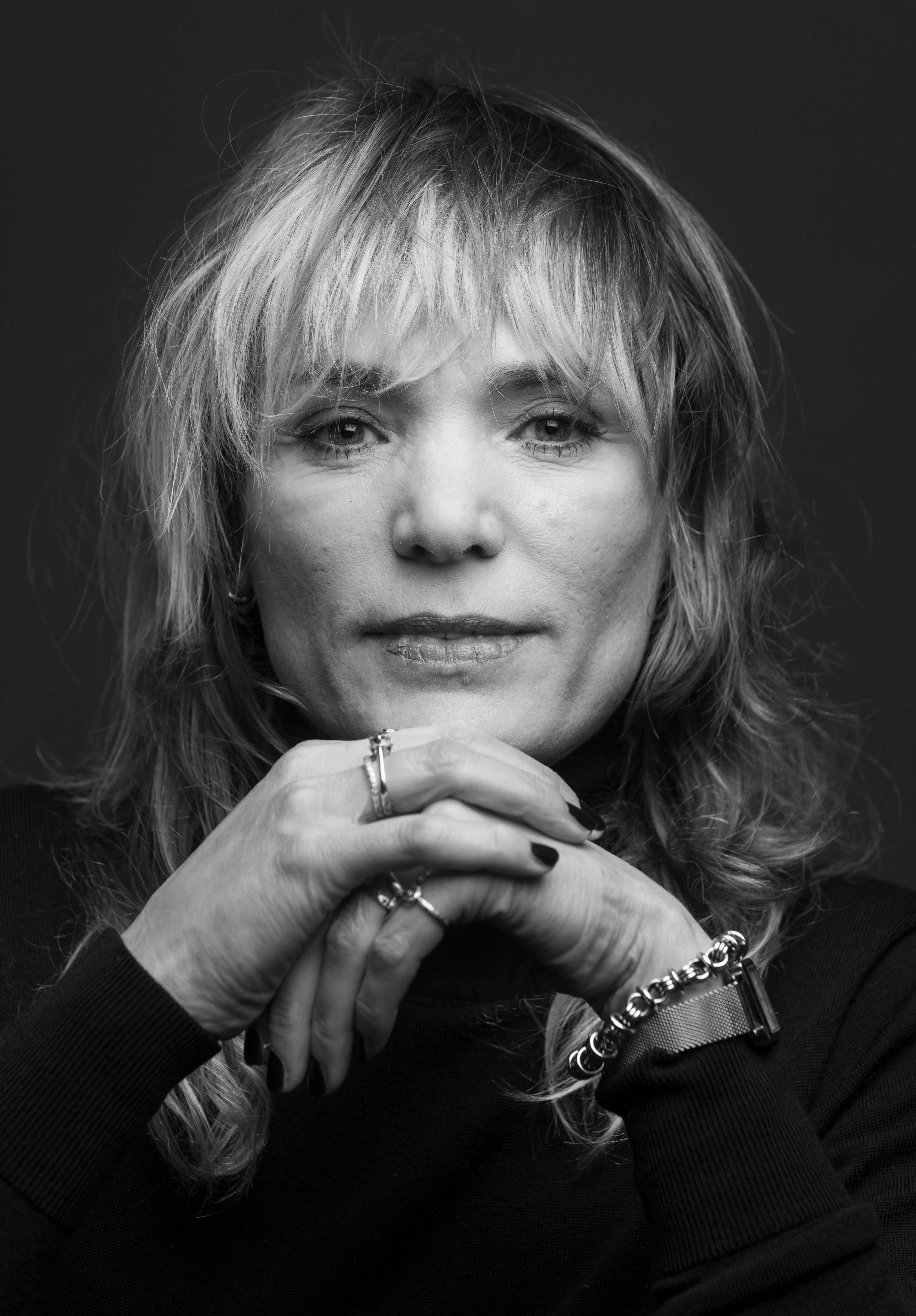
The path to this chair did not follow a fixed plan. Mügge was a first-generation student and chose to study cultural anthropology. Through an internship in political science, she moved into the field of migration and ethnic studies, in which she also completed her PhD.
I grew up in a highly diverse neighbourhood in Amsterdam, but noticed that my surroundings became less and less diverse as I got older.
Increasingly less diverse
Mügge later broadened her research to include different forms of inequality and how they intersect. ‘Looking back, I can see how diversity played a role in my life from an early age. I grew up in a highly diverse neighbourhood in Amsterdam, but noticed that my surroundings became less diverse as I grew older. At secondary school, I was surrounded almost exclusively by white peers. When I then went to university, the contrast with my childhood was even greater. When I completed my PhD, there were no female professors in my department. Realisations like these made me more aware of differences in position and opportunities.’
In Mügge’s research, diversity is a broad concept: it includes gender, sexuality, ethnicity, disability, religion, or combinations of these. Together with her team, she has studied, among other things, the political careers of MPs with a migration background, violence against politicians, and online resistance to feminism.
Online hate shapes who speaks out
Discussions about diversity are often accompanied by resistance and polarisation. During an earlier project on the political representation of people with a migration background, Mügge realised that this theme cannot be separated from intimidation and threats. This has far-reaching consequences for the political process as a whole: ‘It affects whether people feel able to enter politics. It shapes what they feel safe to say and how much room for manoeuvre they have. Online hate therefore influences who speaks out and who feels safe. This directly affects how democracy functions.’
The safety and wellbeing of researchers in my team have become an important concern in recent years.
Mügge also observes how debates on diversity are becoming more polarised within her current research projects. This has consequences for researchers in her team as well. ‘Because it is such a sensitive topic to speak about, the safety and wellbeing of researchers in my team have become an important concern in recent years.’
Focus on masculinity
Mügge’s more recent projects have been funded by an NWO Vici grant and a Horizon grant. These projects also focus on masculinity, for instance in relation to privilege and dominance. ‘This perspective has been more fully developed in other disciplines than in political science, even though masculinity is currently so prominent in politics. By examining the male norm, it becomes clearer how power operates. In this way, we make visible mechanisms of inequality that would otherwise go unnoticed because we are so accustomed to them.’
Science beyond the university
An important part of Mügge’s chair is sharing knowledge beyond the university. In recent years, she has done so in a variety of ways, often in collaboration with artists and civil society organisations. For example, she has contributed to several theatre productions as part of her research projects. Mügge explains: ‘Theatre can help to make sensitive topics discussable, because people can take some distance from a situation through characters and stories.’
Our research addresses major democratic issues. That is why it is so important that our knowledge finds its way into policy and society.
Live Action Role Play
At the moment, Mügge’s team is even working with a theatre company on a Live Action Role Play (LARP) about masculinity and democracy. In this project, they combine the scientific knowledge of her team with practical expertise in the emancipation of boys and men across six European countries. This is quite different from writing academic papers. Mügge actively seeks out this challenge: ‘Our research addresses major democratic questions. That is precisely why it is so important that our knowledge finds its way into policy and society. Stepping outside the comfort zone of the ivory tower is both exciting and inspiring.’