The Allard Pierson returns an ancient vase to Sicily and launches long-term international (research) collaboration
On October 7, the Allard Pierson has returned the ‘Centuripe pyxis’ – a richly decorated ceramic vase with a lid dating from the third century BCE – to the region of Sicily. Provenance research into the object brought to light new information about its history. In consultation with the Sicilian authorities, this led to the decision to return the object voluntarily. The restitution not only underlines a careful and transparent approach to cultural heritage, but also marks the starting point for further research and international cooperation.
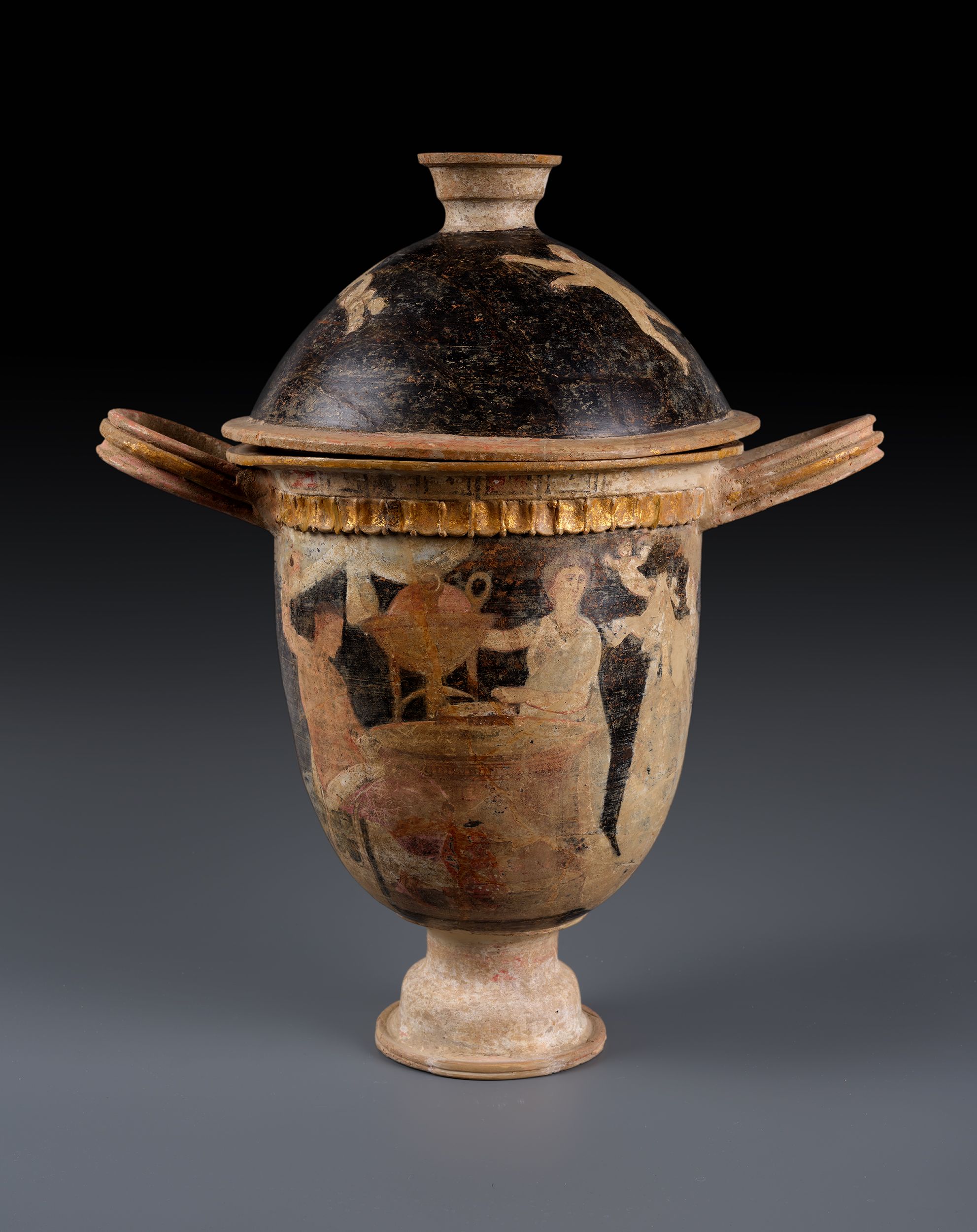
After a long absence, the ‘Centuripe pyxis’ – a vase with polychrome decoration named after its place of origin in Sicily – is returning to Italy. The pyxis (a storage vessel with a lid) is made from local clay and belongs to a relatively small group of striking and distinctive objects produced in the third century BCE in the vicinity of the present-day Italian town of Centuripe. The pyxis depicts a wedding scene, under the watchful eye of the god Apollo and several love gods, who also adorn the lid.
The object has been part of the Allard Pierson’s archaeological collection since 1997. In that year, the Amsterdam museum acquired the pyxis from a Swiss art dealer at TEFAF (The European Art Fair) in Maastricht. The seller stated at the time that the object had been in private Swiss ownership since before 1970 – the year in which the UNESCO Convention on the Illicit Trade in Cultural Property was drawn up. However, no further provenance documentation was provided at the time of purchase, nor was an export licence for the object presented.
Restitution without a legal obligation
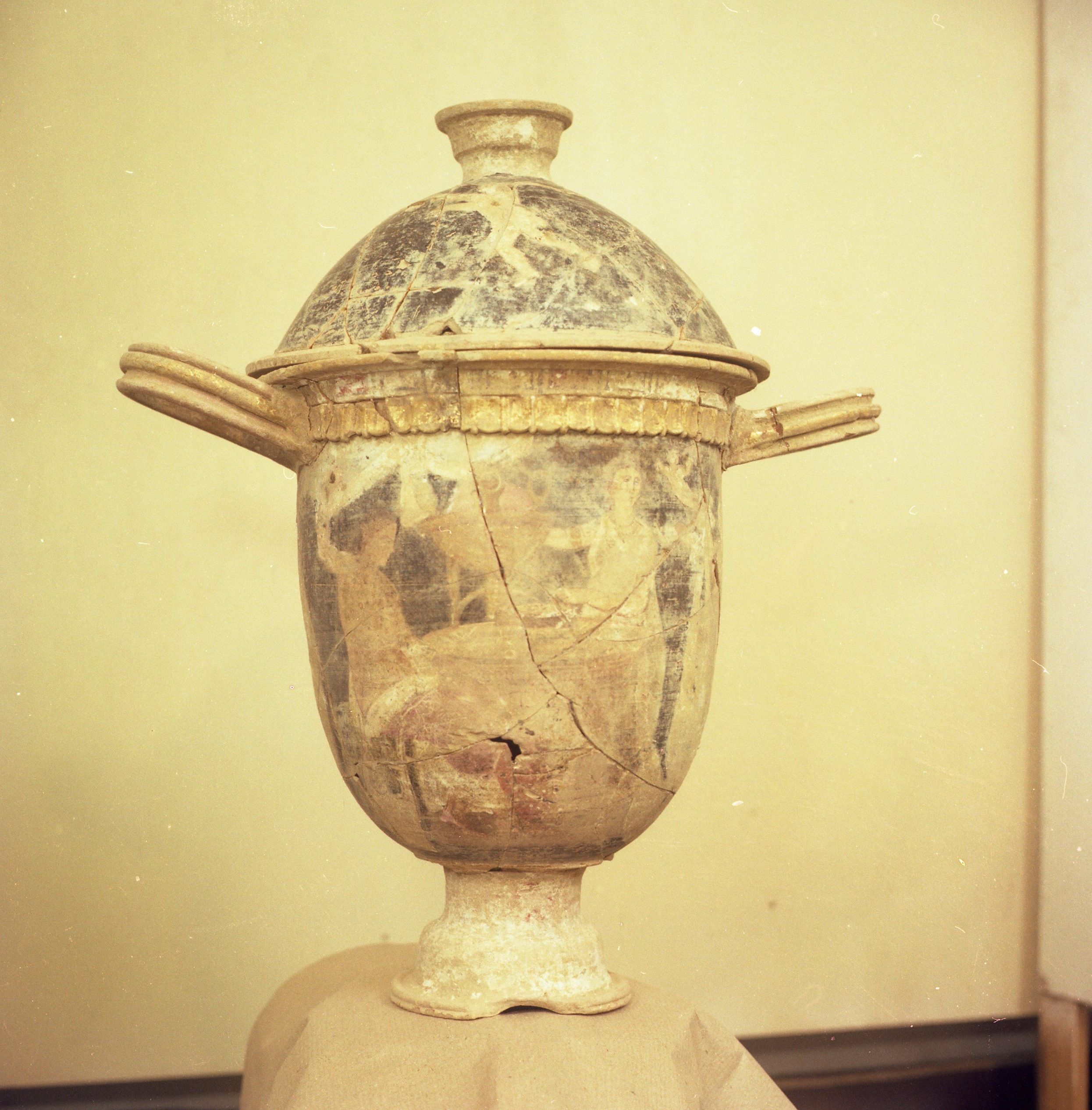
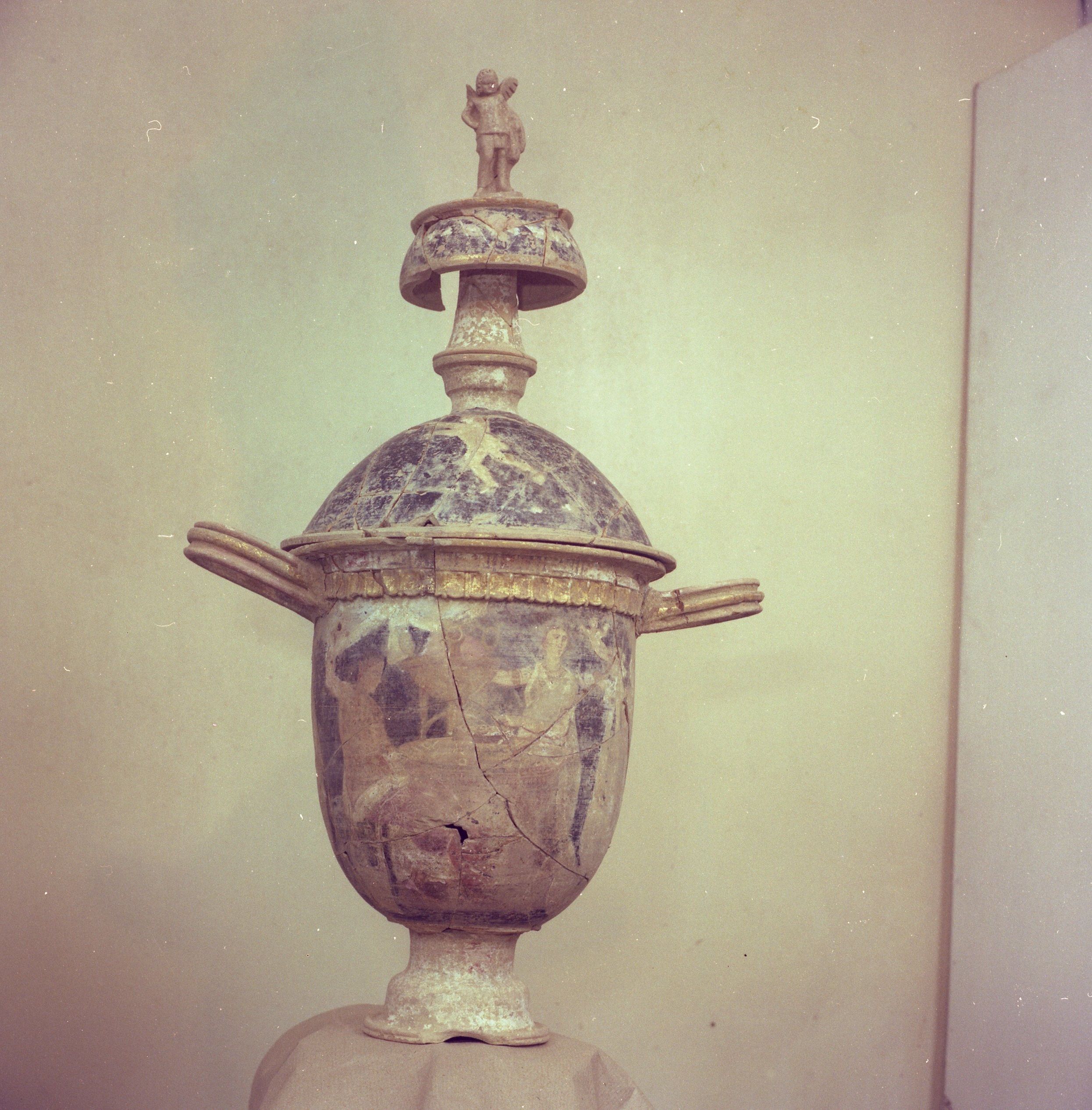
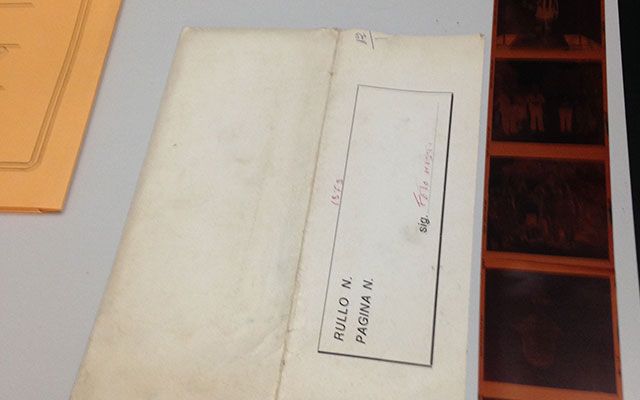
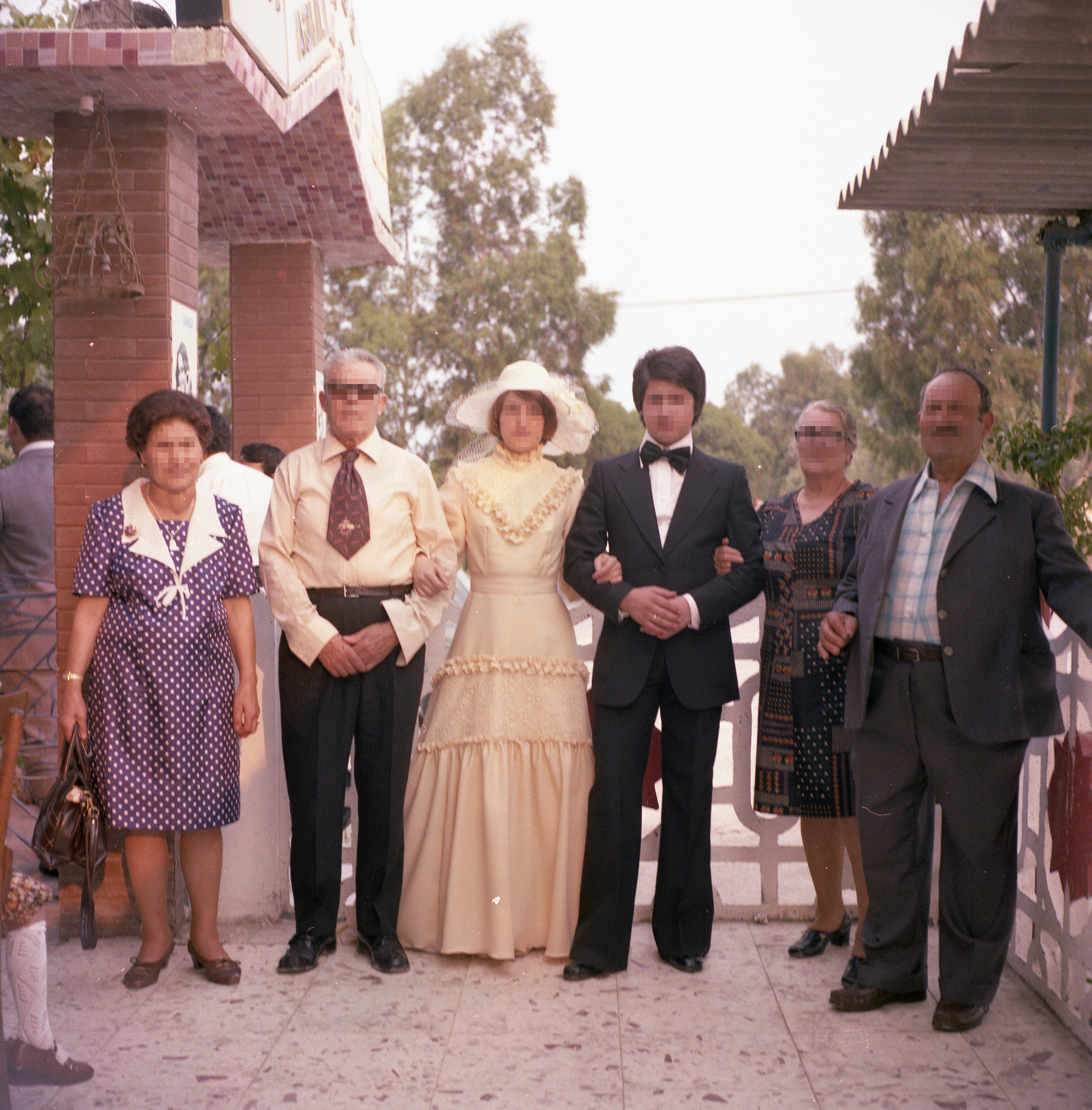
Twenty years later, in 2017, the Allard Pierson received a request from the Sicilian authorities for the return of the vase. This followed an investigation by the Carabinieri unit for the protection of cultural heritage (TPC) in Palermo, together with the Carabinieri TPC’s operational department for international cooperation, under the coordination of the Public Prosecutor’s Office in Enna. The pyxis appears to have been captured in photographs that came into the possession of SiciliAntica, the historical society in Centuripe. These photographs were taken by a local photographer who, alongside his everyday assignments, photographed recently excavated objects for local tombaroli (grave robbers). On the same roll of film as the photographs of the pyxis, a group photograph was also found of a wedding that took place in Centuripe in 1976 – more than two millennia after the pyxis was painted with a wedding scene at that very spot. From this, it can be inferred that the vase did not originate from a Swiss ‘old collection’, but most likely from the illicit trade. This hypothesis is reinforced by the documented practice of clandestine excavations of rock-cut tombs in the immediate vicinity of Centuripe.
Based on the provenance investigation, it is plausible that the object was exported from Italy at the time without the required authorisation. However, the purchase was not unlawful: the Netherlands did not ratify the 1970 UNESCO Convention until 2009. The implementing legislation came into force on 1 July 2009 and has been incorporated into the Dutch Heritage Act since 2016. This legislation does not have retroactive effect. Consequently, in this case, there was no legal obligation to return the object under the UNESCO Convention or the Dutch legal framework. Nevertheless, on moral grounds, the Allard Pierson has agreed to the voluntary return of the Centuripe pyxis.
A starting point for further provenance research and collaboration
With this voluntary restitution, the Allard Pierson emphasises the importance of a responsible, transparent and collaborative approach to cultural heritage. The museum and research institute also aims to play a proactive role in provenance research into archaeological collections, thereby contributing to ethically responsible collection management.
‘As far as the Allard Pierson is concerned, this restitution does not mark an end, but rather the beginning of further collaboration with Sicilian authorities, researchers and museum institutions in the field of provenance research,’ says Rogier Kalkers, head of provenance research at the Allard Pierson.
‘I would like to thank the Allard Pierson and the University of Amsterdam for this act of great generosity and responsibility, which marks an important step in the cooperative relations between the Netherlands and Sicily,’ said Francesco Paolo Scarpinato, Regional Minister for Cultural Heritage and Sicilian Identity. ‘We are extremely proud and delighted by this homecoming, which will undoubtedly further enhance the appeal of the precious collections featuring the rare pottery from Centuripe. The pyxis will be on permanent display at the Regional Museum of Centuripe.’
Following the restitution ceremony, the Allard Pierson will set up a working group, together with Sicilian and Dutch experts, to further investigate the pyxis and similar objects.
‘Objects from this region have a history of looting, plunder and forgery. As a result, little is known about the archaeological context, and the authenticity of some artefacts and paintings is in question. Through research into clay and pigments, alongside stylistic analysis, we hope to gain a better understanding of the production and authenticity of this type of pottery,’ says Laurien de Gelder, curator of the Allard Pierson’s archaeological collections for the Near East and the Greek world.
During the restitution ceremony on 7 October at the Allard Pierson in Amsterdam, the Centuripe pyxis was officially handed over to the Sicilian authorities. They were represented by the assessore (regional minister) and director-general of the Assessorato dei beni culturali e dell’identità siciliana (the Department of Cultural Heritage of the Region of Sicily), and the Comando Carabinieri Tutela Patrimonio Culturale (the Carabinieri’s cultural heritage protection unit).