When protection also creates vulnerability: lessons from the pandemic
A day activity programme that shuts down, family members who are no longer allowed to visit, or government information you cannot understand. During the COVID-19 pandemic, measures were intended to protect people, but sometimes they also made them more vulnerable. Anthropologists Ronja Jansz and Danny de Vries investigated how this happened and developed a platform to share their findings. Through the website coronatijden.nl, they aim to ensure that the lessons learned from the pandemic are not forgotten.
Who is vulnerable during a pandemic?
When we think of a contagious virus, we often think of people who are at greater risk of becoming seriously ill because of their age or health. But that is not the whole story, say Jansz and De Vries. Your living situation, social connections and the support you receive also determine how well you get through a crisis.
This emerged from the recent coronavirus hearings, which heard testimony from those who shaped Dutch policy during the pandemic. ‘The Outbreak Management Team consisted almost entirely of biomedical scientists, so the focus, particularly early in the pandemic, was primarily on physical vulnerability. That is important, of course, but the social consequences of the measures received insufficient attention,’ De Vries explains.
Many children are still struggling with psychological problems as a result of school closures.Danny de Vries
Protection with a downside
‘The social consequences became apparent when day programmes and social activities stopped,’ Jansz continues. ‘For some people, this meant losing not just something to do, but also their main source of contact with others. They suddenly found themselves home alone, without the structure and support they relied on, leaving them feeling lonely.’
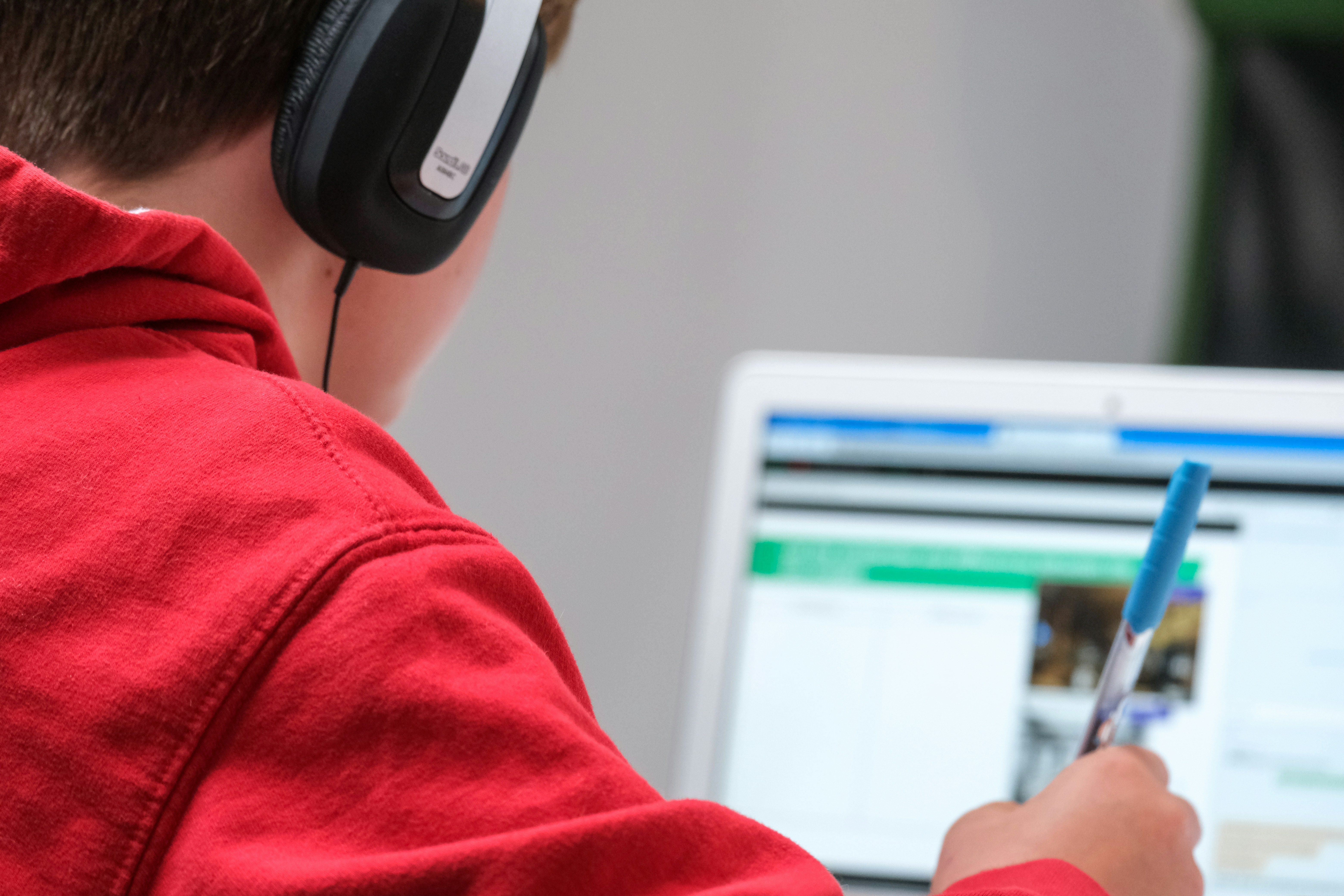
In addition, policies concerning schools affected children’s well-being. Many children are still struggling with mental health problems as a result of school closures. ‘At first, it was understandable that decisions were made quickly,’ says De Vries. ‘But as the implications of the measures became clearer, there should have been more consultation with experts outside the biomedical field about the consequences for children and other socially vulnerable groups.’
Visiting restrictions in nursing homes also had a major impact. Protection against infection meant that people had to go without seeing their loved ones. And for people in unsafe home environments, staying at home could actually pose additional risks.
You can become vulnerable because of what happens around you and the choices the government makes.Danny de Vries
Research during the pandemic
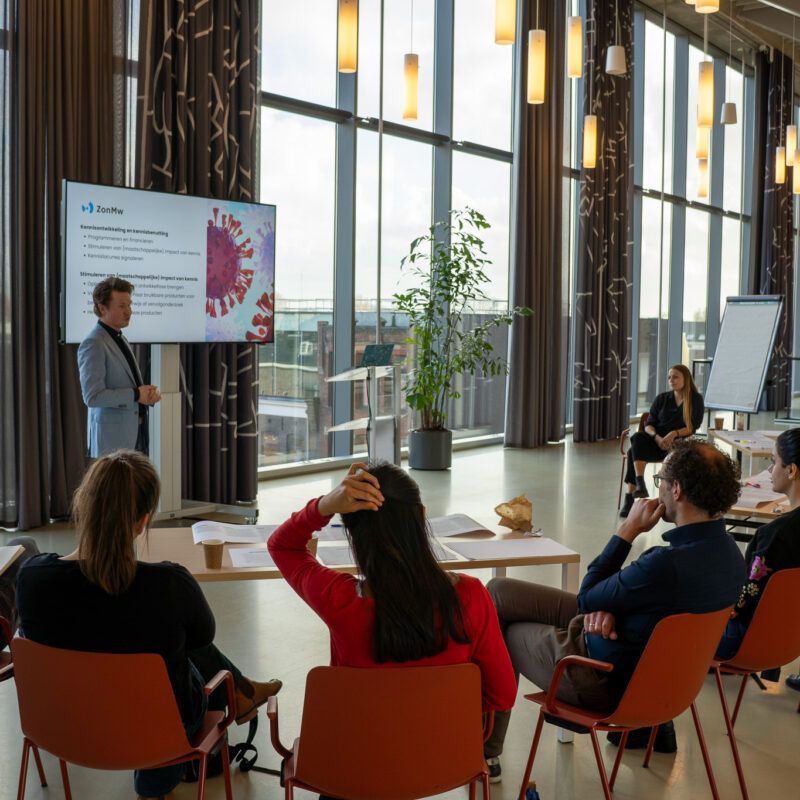
De Vries has worked as an anthropologist at the University of Amsterdam since 2010. He previously researched flooding, citizen-led initiatives in healthcare, and scientific advice during pandemics. When the coronavirus outbreak began, he and his colleague Jeannette Pols launched the Social Isolation study into the social impact of physical isolation during the first wave of the pandemic. The study was supported by the funding organization ZonMw.
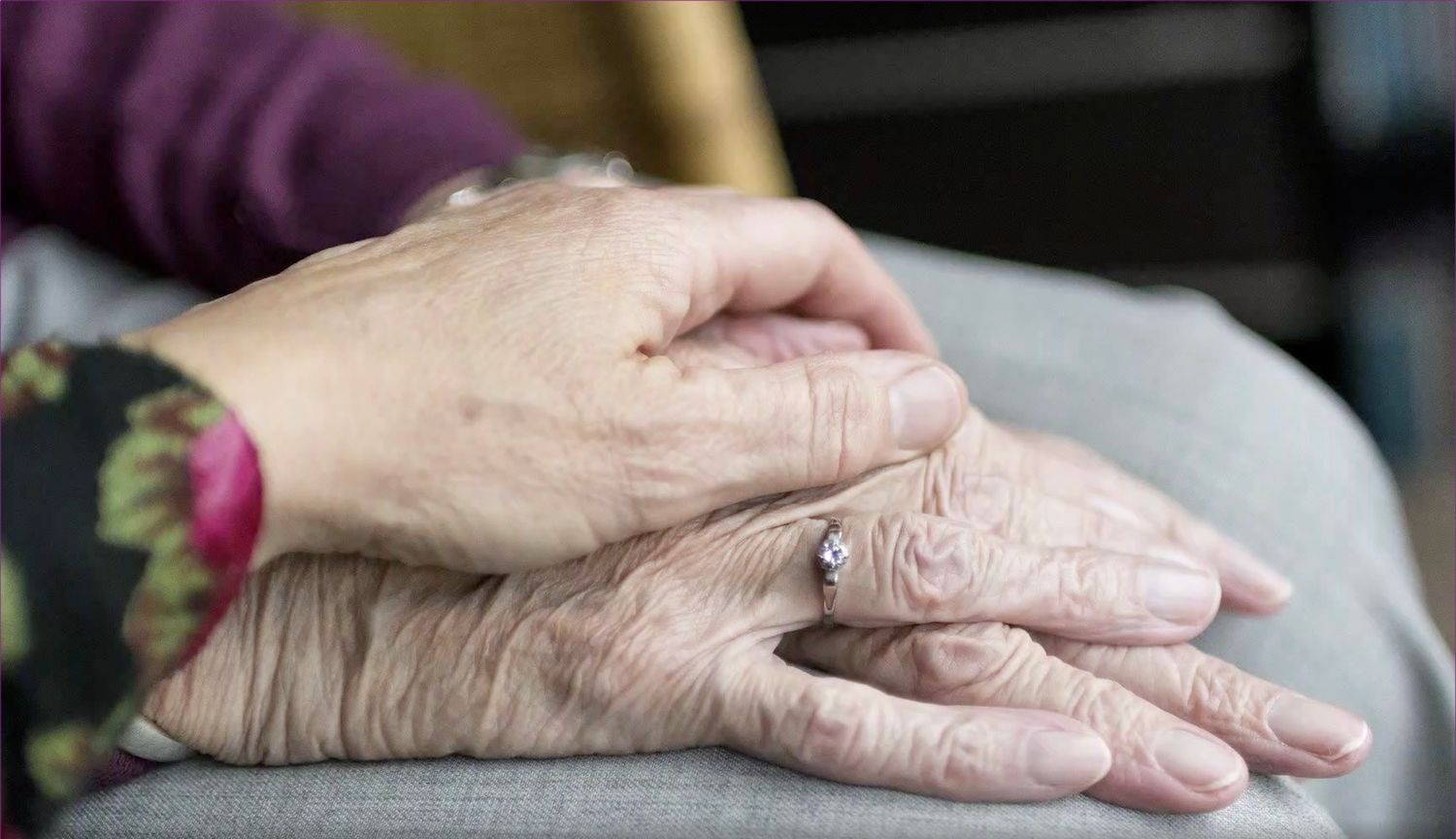
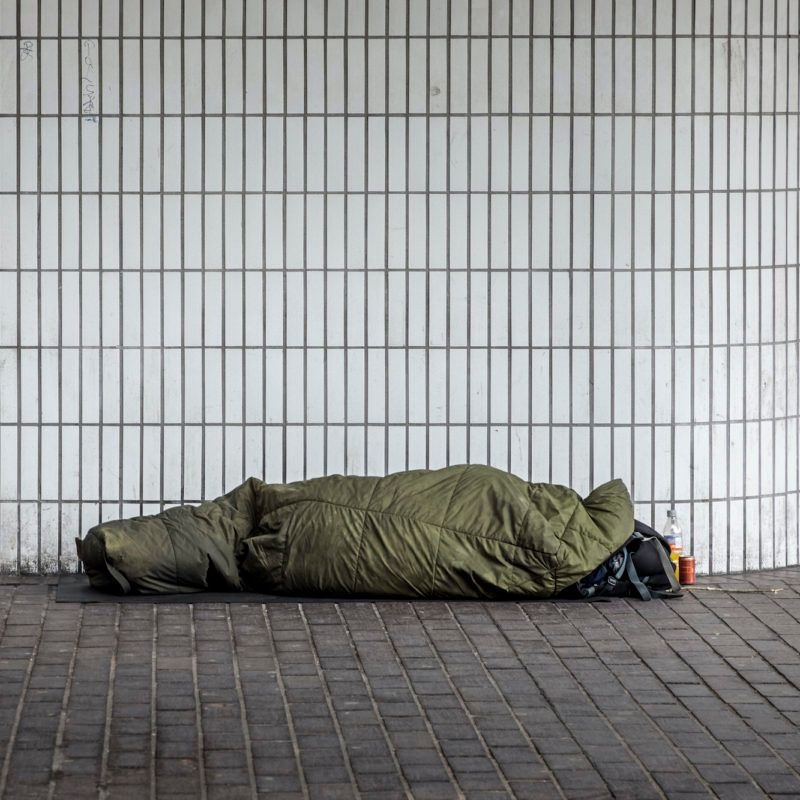
Initially, ZonMw’s research question focused primarily on older people. But according to De Vries, age was not the only factor determining vulnerability to the virus. The researchers therefore also included other groups, such as people with disabilities, people with mental health problems, people experiencing homelessness, and families with young children facing a crisis.
Coronatijden.nl
The research led to the creation of the website coronatijden.nl. Jansz, who was a master's student in visual anthropology at the time, helped develop the website further. Her knowledge of anthropology, web design and film helped make the research findings accessible. What began as a website for a single study grew into a knowledge-sharing platform where 12 ZonMw-funded research groups currently share their work on social vulnerability.
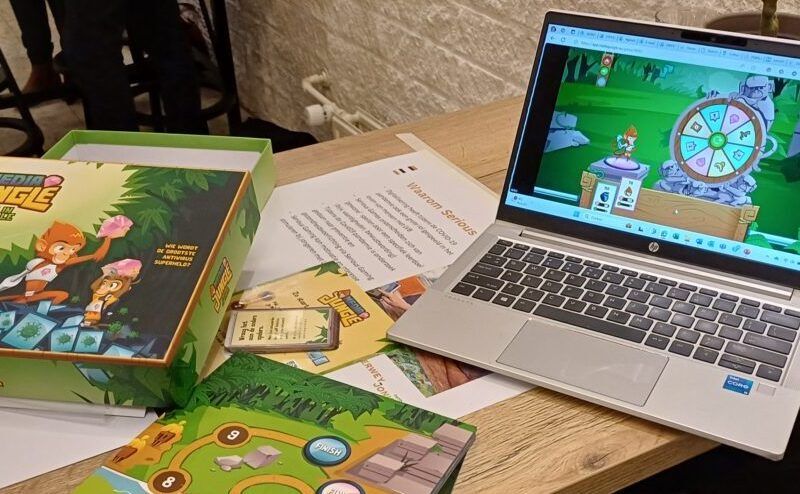
The research continued after the pandemic. One of the projects, called Serious Game, focused on a video game for young people with mild intellectual disabilities. The researchers tested whether such a game could help convey information in an accessible way. Jansz: ‘The project explored whether young people with mild intellectual disabilities could learn something important through play. This can be a good way to convey information, as this can sometimes be particularly challenging for this group.’
Jansz also discusses the research project Covid Uncovered, which consisted of three short films made after the pandemic. The films explored the experiences of people experiencing homelessness, people with mild intellectual disabilities, and older people living at home who relied on informal care. ‘How did they look back on that time? And what effects do they still notice in their daily lives?’
From knowledge to action
Coronatijden.nl brings together research, films and lessons learned about this social vulnerability. Through this initiative, Jansz and De Vries aim to preserve knowledge and make it useful to care professionals and policymakers. This saves visitors from having to piece together the lessons learned from a wide range of studies themselves.
Those lessons have been developed further in an online course. ‘This brings the knowledge together and explains why these insights matter. We also feature experts with extensive knowledge of the pandemic and its social consequences,’ says Jansz.
De Vries emphasizes why that is important: ‘If something happens somewhere, you want to know immediately which social scientists you can involve.’
Having a room of their own gave homeless people peace and space to think about the futureRonja Jansz
Don't just focus on what went wrong
The researchers are looking not only at what went wrong, but also at solutions that did work. During the pandemic, for example, some homeless people were temporarily given a place of their own in a hotel. Necessity drove organizations to seek creative solutions, and they began approaching hotels themselves. ‘Having a room of their own offered peace and space to think about the future,’ says Jansz.
Preparation starts now
Jansz and De Vries believe we need to learn from the pandemic. They say: when the next crisis hits, involve people who need support as well as the professionals who help them. ‘Let people have a say in what works for their situation. Listen to the professionals, trust their expertise, and incorporate their knowledge into policy,’ says Jansz.
We can already do more to prepare socially vulnerable people, says De Vries. ‘Preserve places where people can meet, strengthen social ties, help people use digital tools, ensure consistent policies and establish a broad base of scientific expertise to inform policymaking. This will make them more resilient in the face of a new crisis.’