Wout Arentzen’s legacy to science
The archaeology of archaeology
At the end of 2024, the academic community lost an exceptional man: Wout Arentzen, an independent, free-thinking scholar who explored a unique area of archaeology. Arentzen specialised in the history of archaeology, and in the archaeology of archaeology. In his will, he established a named fund at the UvA Fund to support new research and initiatives in this distinctive field.
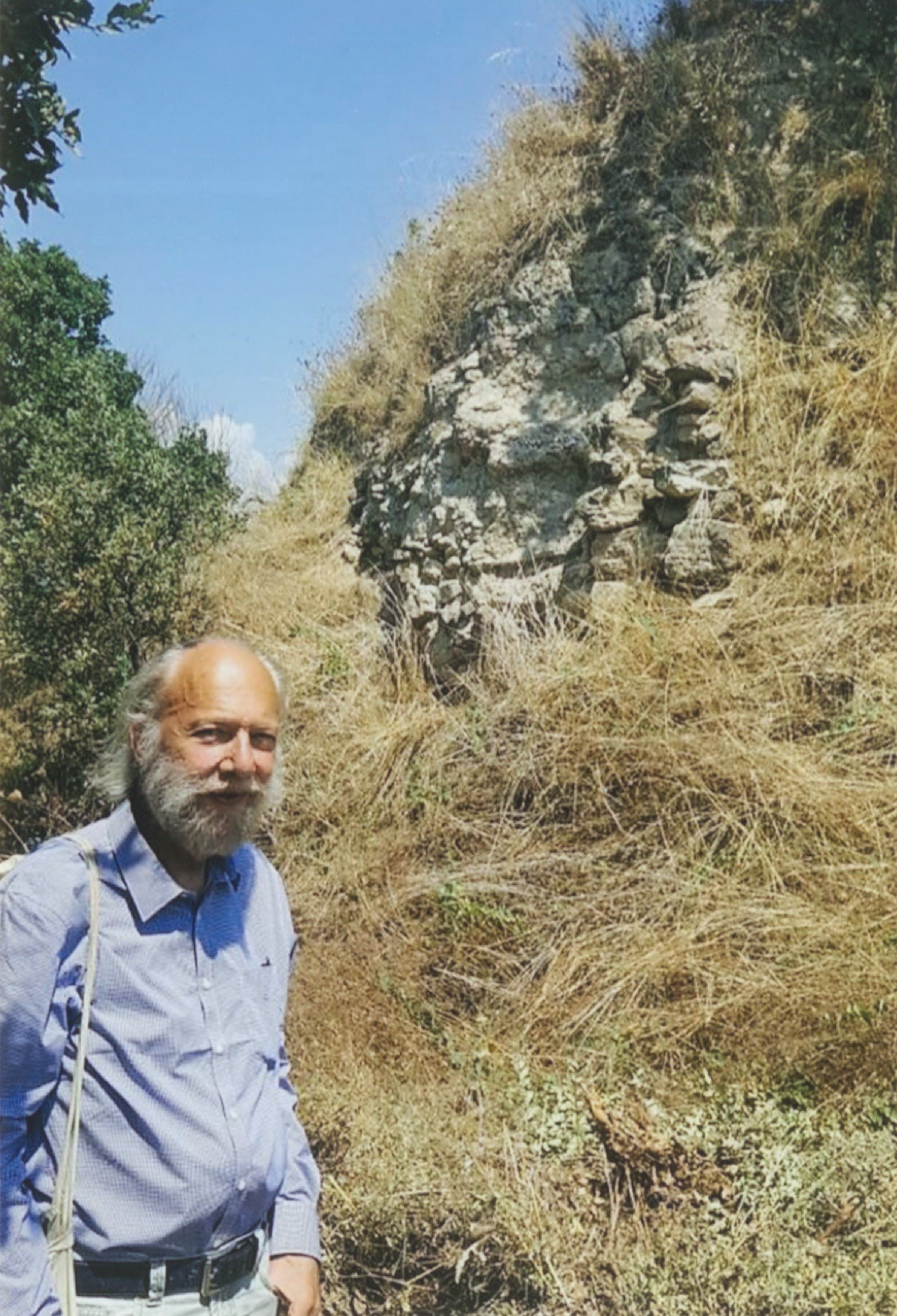
Wout Arentzen was an independent and passionate scholar who devoted his retirement to studying archaeological methods and their development. His research initially focused on the Mediterranean, but in his later years his interest increasingly turned to the history of archaeology. In this relatively unexplored field, Arentzen devoted his time, knowledge and passion to understanding archaeological methods and their impact over time. Among other things, he was an expert on the eccentric archaeologist Heinrich Schliemann.
The Troy Project and the archaeology of archaeology
One of the projects Arentzen was closely involved in was the Troy Project, led by Gert Jan van Wijngaarden of the University of Amsterdam. The project explored the archaeology of archaeology at Troy. Rather than focusing primarily on historical artefacts, it also looked for traces and remains of the archaeologists who had worked at the famous site.
Troy, known as the city of the legendary horse in Homer’s epics, rose to prominence in the late nineteenth century when Heinrich Schliemann claimed to have discovered it. The Troy Project examined Schliemann’s excavation methods, as well as those of other pioneers, to better understand how their approaches influenced the interpretation of finds.
“His knowledge of Schliemann’s work and diaries was invaluable to me.”
Arentzen also spent a week at Troy with Van Wijngaarden. “Arentzen had translated Schliemann’s diaries and was an expert on his life and work. This enabled him to help us interpret our findings at the site.”
Leaving a legacy to the history of archaeology
The bequest Arentzen left to the UvA Fund has been used to establish a named fund supporting the history of archaeology. Van Wijngaarden says: “This allows us to inspire future generations to look beyond finds and methods in isolation, and to reflect critically on the history of the discipline and its impact on interpretations today.”
The first projects have now received funding. Foske van den Boogaard was able to present her thesis at an international conference, while Eline Verburg received support to have her doctoral thesis on the history of collecting edited. Before the summer, a group of 20 students will travel to Pompeii and Herculaneum for an elective course on the history of archaeology. The fund has made this possible too.
More about leaving a bequest
For more information about leaving a bequest to the Amsterdam University Fund, or for personalised advice, please contact Juliëtte Nieuwland, relationship manager and fundraiser.