Bible and Quran
The Hebrew Bible and the Quran are two of the most widely known written compositions in human history. Both have played key roles in the shaping of worldwide cultural systems.
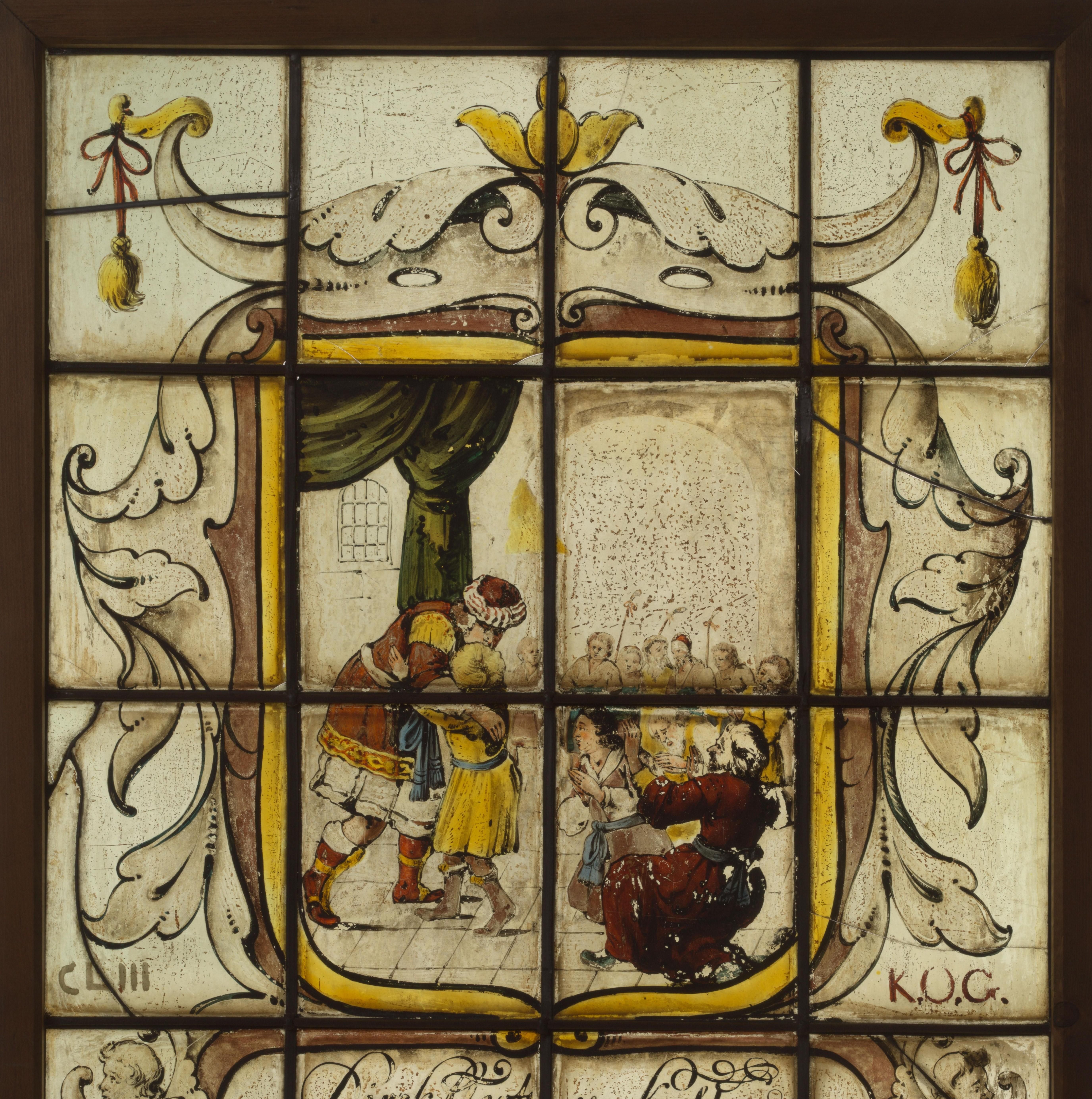
The religious and moral authority, real or alleged, has ensured that the Bible and Quran are often read from an orthodox perspective. In the course ‘Bible and Quran’ however, we will gain surprising insights by using historical-critical methods and discussing literary aspects. Ideals, taboos, collective imaginations – they are all traced, whether appropriate or not, to texts in the Bible and the Quran.
Time, location and price
- 4 November - 11 December 2026
- Wednesday and Friday from 09:00-10:45 (on both days)
- P.C. Hoofthuis 1.04 (Wednesday and Friday)
- Costs: € 210 (€ 189 AUV members)
Important to know
- Registration deadline: 15 October 2026
- You can only audit an OUC, which means that you may only attend lectures and cannot attend seminars, take part in the examination, or obtain ECTS credits.
- The location of the lectures may change during the semester. For the current study schedule, please consult the UvA timetable website.
Study material
Online translations of the Hebrew Bible:
- Hebrew-English, downloadable: mechon-mamre.org
- Multiple languages, including Dutch: biblegateway.com
Online translations of the Quran:
Various articles and book sections:
- A reader will be made available through e-mail and/or Canvas.
Lecturers
Public programme Humanities
This Open UvA Course is part of the Faculty of Humanities' public programme. Beside Open UvA Courses, the public programme also comprises special lectures and series of courses. The public programme is intended for alumni, employees looking for extra training, and all others who are interested in art, culture, philosophy, language and literature, history and religion.
Facts & Figures
- Mode
- Open UvA Course
- Credits
- 6 weeks
- Language of instruction
- English
- Starts in
- November
- Open programme
Byzantium. Kunst van het Oost-Romeinse Rijk
Deze cursus belicht de beeldende kunst en architectuur in het Oost-Romeinse Rijk, later Byzantium genoemd, vanaf het moment dat Constantijn de Grote in 330 de Griekse nederzetting Byzantion tot het “Nova Roma” doopte en ... - Open programme
Christendom
Het christendom heeft geen vaste identiteit maar wordt in verschillende tijden, op verschillende plaatsen, door verschillende maatschappelijke groepen en soms door individuen telkens opnieuw 'uitgevonden'. - Open programme
Arabische cultuur, islamitische beschaving (600-1600)
In twaalf hoorcolleges krijgt u een overzicht van het ontstaan van de islam en de (cultuur)geschiedenis van de Arabische wereld in de premoderne periode, van ca. 600 tot 1600. U leert de historische context van de Arabis... - Open programme
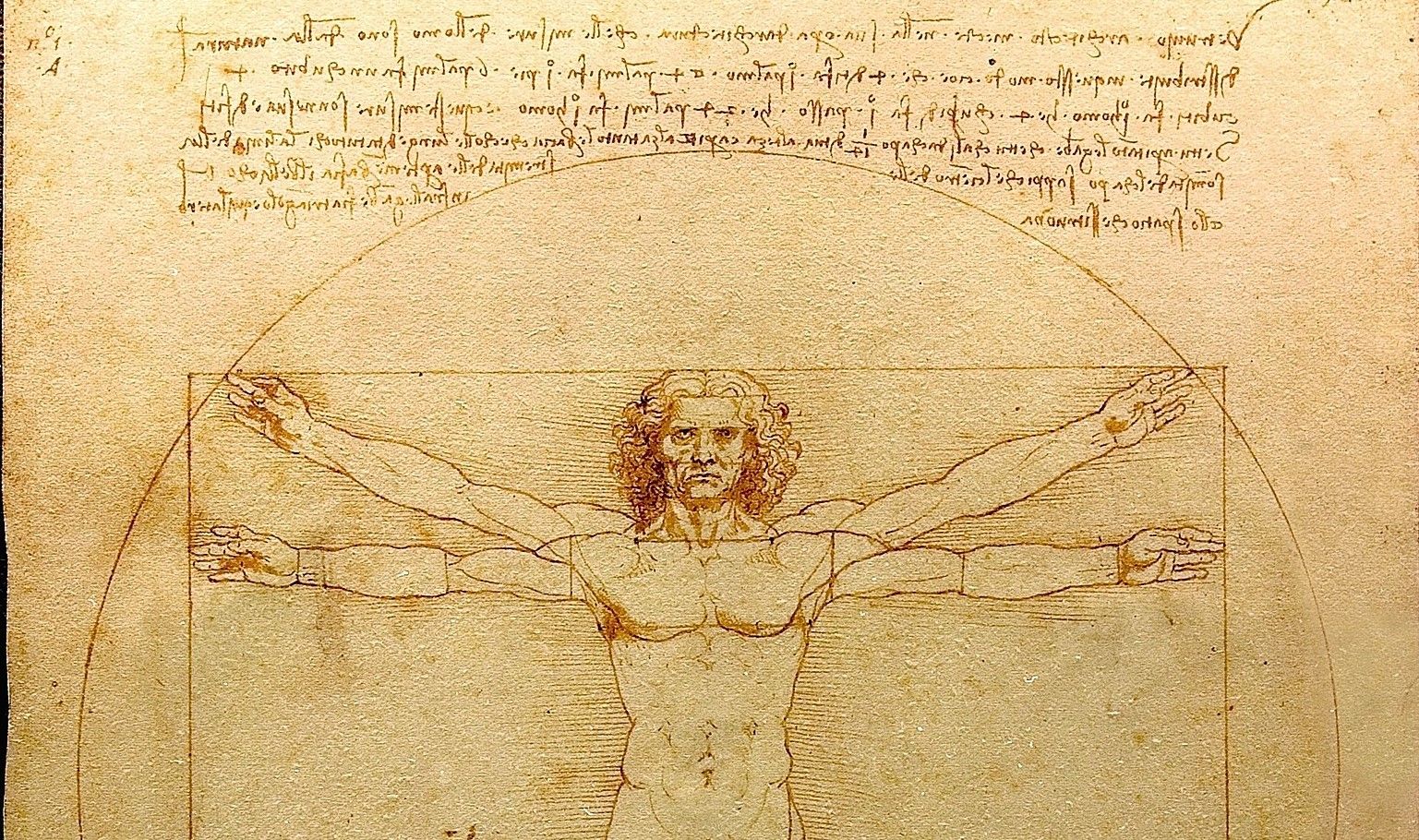
De wereld van de mens: inleiding in de geesteswetenschappen
Geesteswetenschappers bestuderen het leven, van groots en tijdloos tot alledaags en tijdgebonden, en van individueel tot collectief.