
Nudging for a Better World
Research on the use of ‘nudges’ and behavioural interventions to solve pressing societal problems.
Research Highlights and Impact

Bias is not colour blind
In their registered report, Amsterdam School of Economics researchers Hagai Rabinovitch, Linh Vu, and Shaul Shalvi (all with the Microeconomics section) examined whether people correct for bias when making hiring decisio...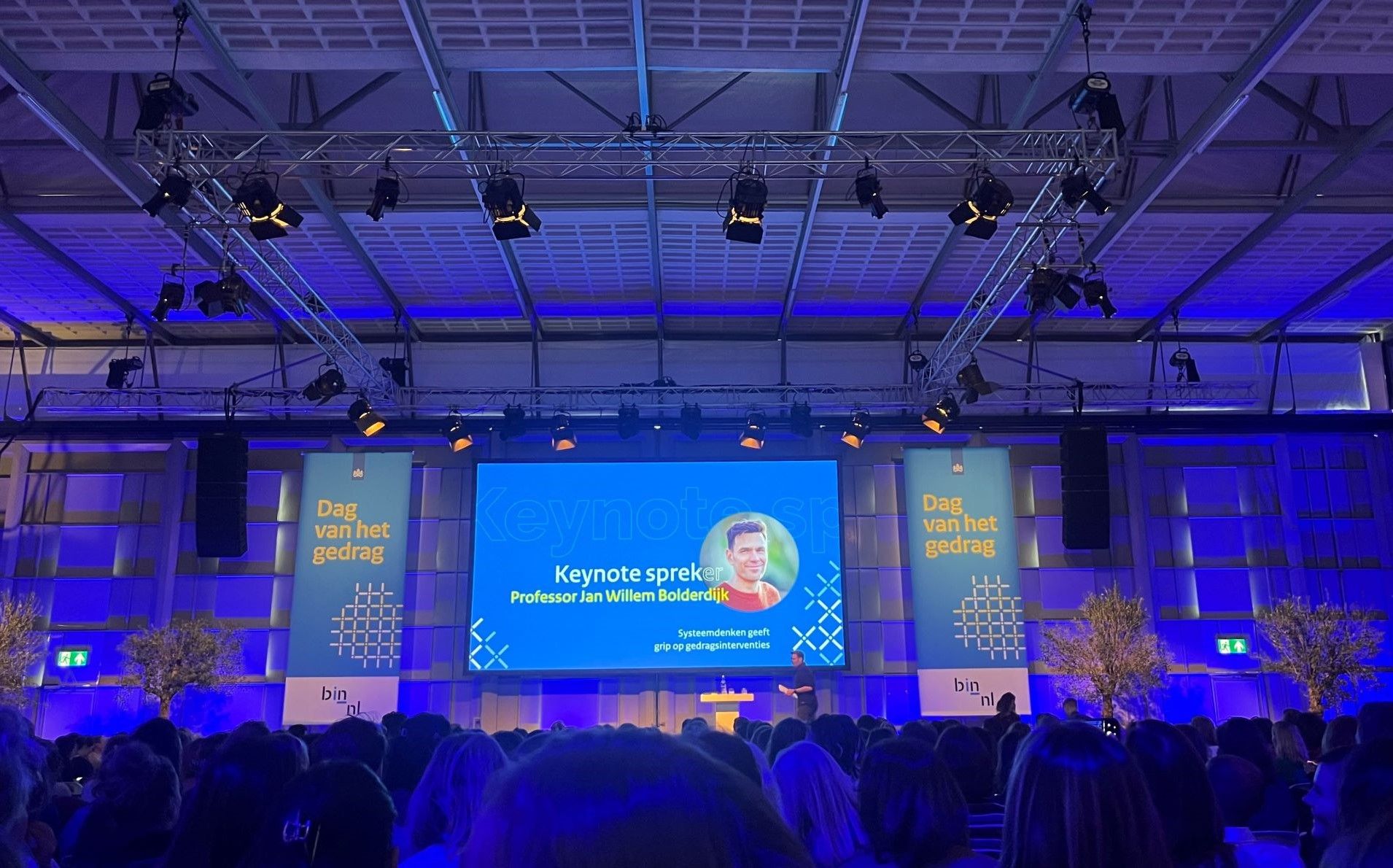
Systems thinking helps understand behavioural change
Why does behaviour change often happen in sudden shifts? Why does an intervention have a major impact one moment, yet hardly any effect a month later or in a different organisation?
From tone of voice to choice of clothes, subtle cues drive negotiation success
Negotiations are everywhere in daily life, from boardroom deals and salary discussions to deciding who takes out the trash at home. While most people think success depends on tactics and strategy, new research suggests t...
MT1000 survey: trust is key to success in business services
The annual MT1000 survey identifies the top 1000 service providers in the Netherlands. Conducted by the Amsterdam Centre for Business Innovation (ACBI) at the University of Amsterdam, this year's survey reveals that smal...
ABW launches €600,000 Impact Accelerator to fast-track SDG impact
Analytics for a Better World (ABW) – the non-profit institute founded by the Amsterdam Business School (University of Amsterdam) and ORTEC – is launching the Impact Accelerator Programme to achieve Sustainable Developmen...
Guilt makes us more prosocial
People are more likely to do something good for others when they understand the consequences of their actions and would feel guilty if they made a less prosocial choice. This finding comes from a new international study ...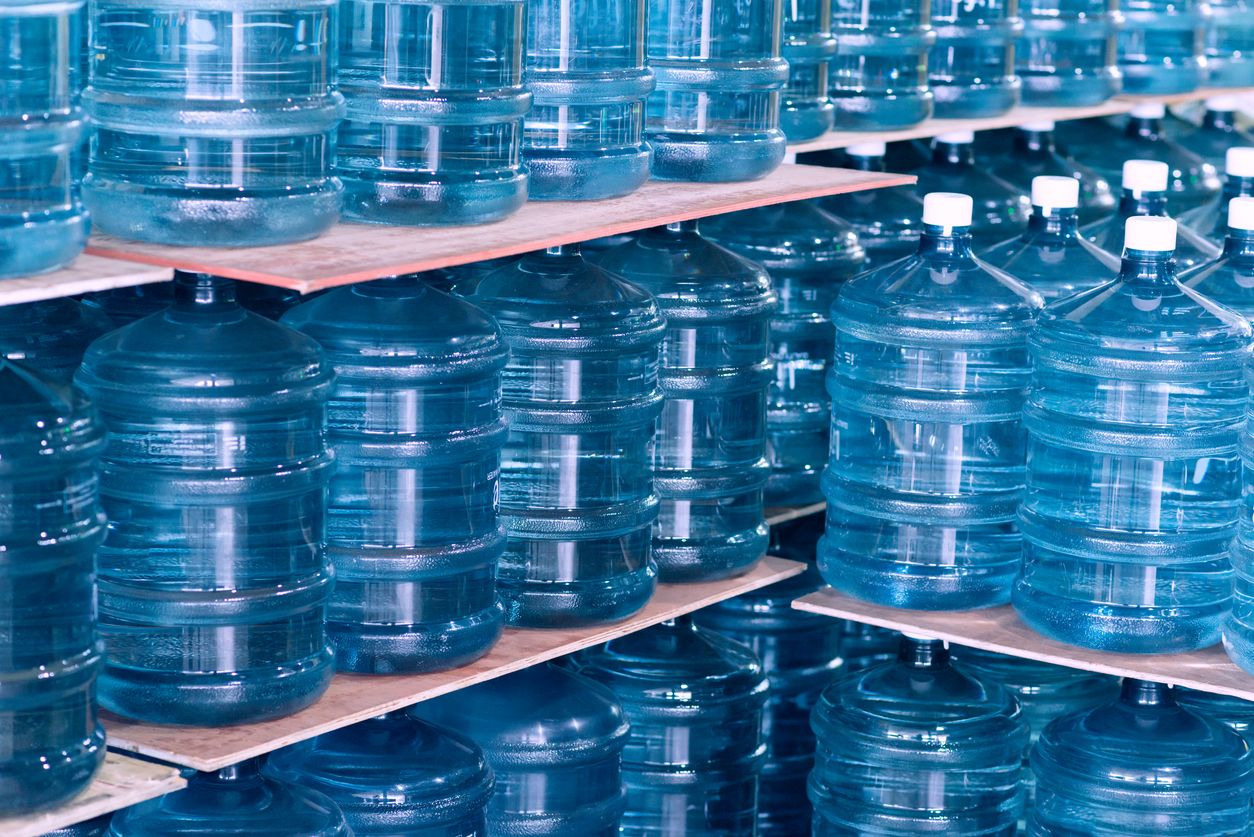
How bottle deposits on water change more than you think
Amsterdam Business School (ABS) researcher Jonne Guyt (Marketing section) and Kristopher Keller (University of North Carolina) studied how deposits on bottles change the behavior of consumers and retailers.
Hiring bias in recruitment
Alejandro Hirmas and Jan Hausfeld investigated how intermediaries form beliefs about hiring managers’ preferences and whether these beliefs influence their selection process.
Why the best candidate doesn't always get the job
3 recent publications coauthored by ABS accounting professor Victor Maas investigate why the best candidate for a job is not always chosen. The overall conclusion is that middle managers consider their own personal inter...
Why do or don’t we behave ethically?
We make decisions all day long. Some decisions are minor, like whether you should buy an apple or a chocolate bar. While other decisions are major. Why do we make the most ethical decisions in some cases but not in other...
Stigmatisation in contentious industries
Researchers Ana M. Aranda and Jonne Guyt published a paper about the stigmatisation process in the U.S. tobacco industry. How did the industry manage to slow down this process?
Do you want to change behaviour? Then look at people who make unexpected choices
We don’t all have to be Greta Thunberg. What’s more, seemingly small changes in behaviour can have a major impact.
Are ads for unhealthy foods making us fat and sick?
In an episode of the investigative journalism programme ‘Pointer’, Jan Willem Bolderdijk, director of the Amsterdam Centre for Responsible Consumption was asked how advertising for unhealthy foods works.
Help! My boss is a narcissist
Narcissistic leaders often lead companies. Research from professor of Responsible Leadership Annebel de Hoogh shows that they are not actually capable of fulfilling this role.
How does ethical labelling have an impact on consumers’ choices?
Dianna Amasino (a former post-doc researcher with the ASE Microeconomics section) carried out research to determine how consumers respond to sustainability information (ethical labelling) when purchasing products. She re...
Amsterdam Centre for Responsible Consumption
Consumer marketing has a deep and constant impact on our consumption patterns. Fuelled by insights from science as well as from practice, it opens exciting possibilities to ask questions such as ‘How might marketing brin...
About Nudging for a Better World

This theme explores how changes in individual and institutional behaviour can be achieved to effectively move towards closing the gender gap, responsible consumption or wellbeing at work. Our researchers investigate how nudges, incentives and institutions can be used to improve people’s decision-making with respect to a sustainable environment.
Impact Centres
To genuinely create impact, our researchers collaborate on this theme in several transdisciplinary Impact Centres.
- Center for Research in Experimental Economics and Political Decision Making
The Center for Research in Experimental Economics and Political Decision Making (CREED) uses laboratory experiments to research common biases in decision-making. In doing so, it combines research methods from behavioural economics, psychology and neuroeconomics. For more information, please contact Joep Sonnemans. - Amsterdam Center for Behavioural Change
The Amsterdam Center for Behavioural Change (ACBC) looks at how we can actively use insights into the drivers of human behaviour in economic decision-making to improve human decisions and economic outcomes. For more information, please contact Theo Offerman. - Marketing Insights for Societal Transitions (MIST)
Marketing Insights for Societal Transitions (MIST) Helps businesses, consumers, governments, and social organisations understand how their choices contribute to sustainable system change. Through marketing research, we ensure that scientific insights – rather than unfounded claims – guide the public debate. For more information, please contact Jan Willem Bolderdijk.