Research theme: PURE
Fundamental research forms the basis for all lines of research at our faculty. However, while the research conducted as part of our other themes is ultimately aimed at resolving concrete social issues, there is also another research category aimed purely at gathering fundamental knowledge. Although this research is not aimed at developing any specific applications, there is always potential for concrete uses in future. Research in the Pure category focuses on major questions that touch on the essence of physical reality. What are the most basic and essential characteristics of life? How did the universe come into being? What about some of the universe's more obscure elements, like black holes and dark matter? What is the most fundamental nature of matter? How can we gain an even deeper understanding of the language our universe is written in - mathematics?

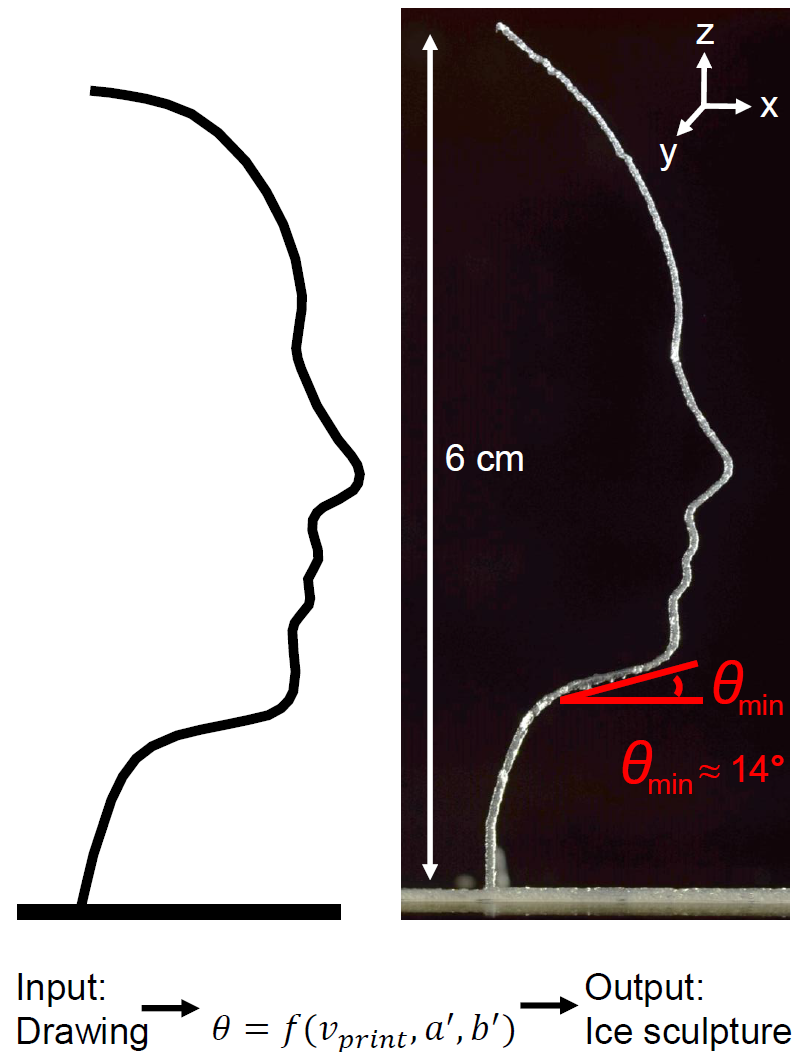
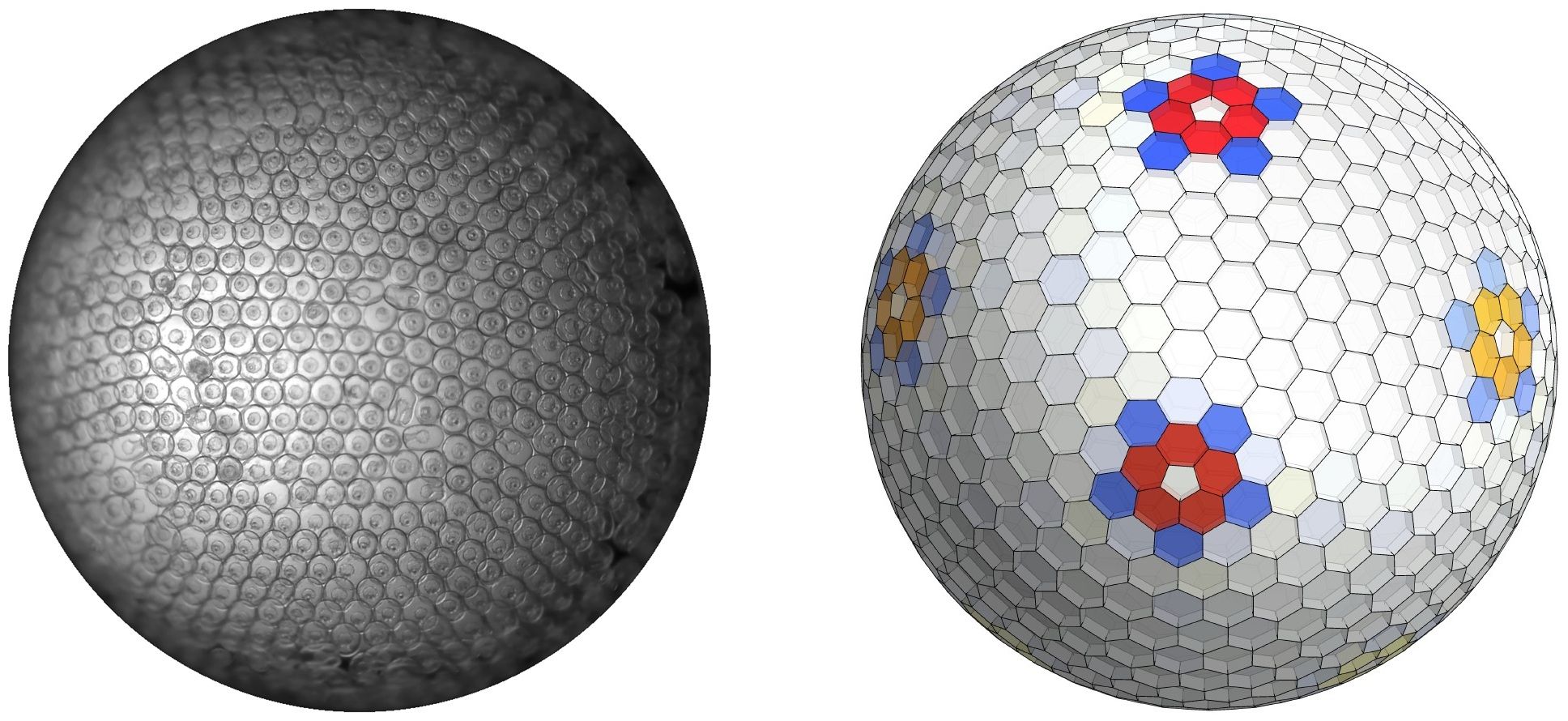
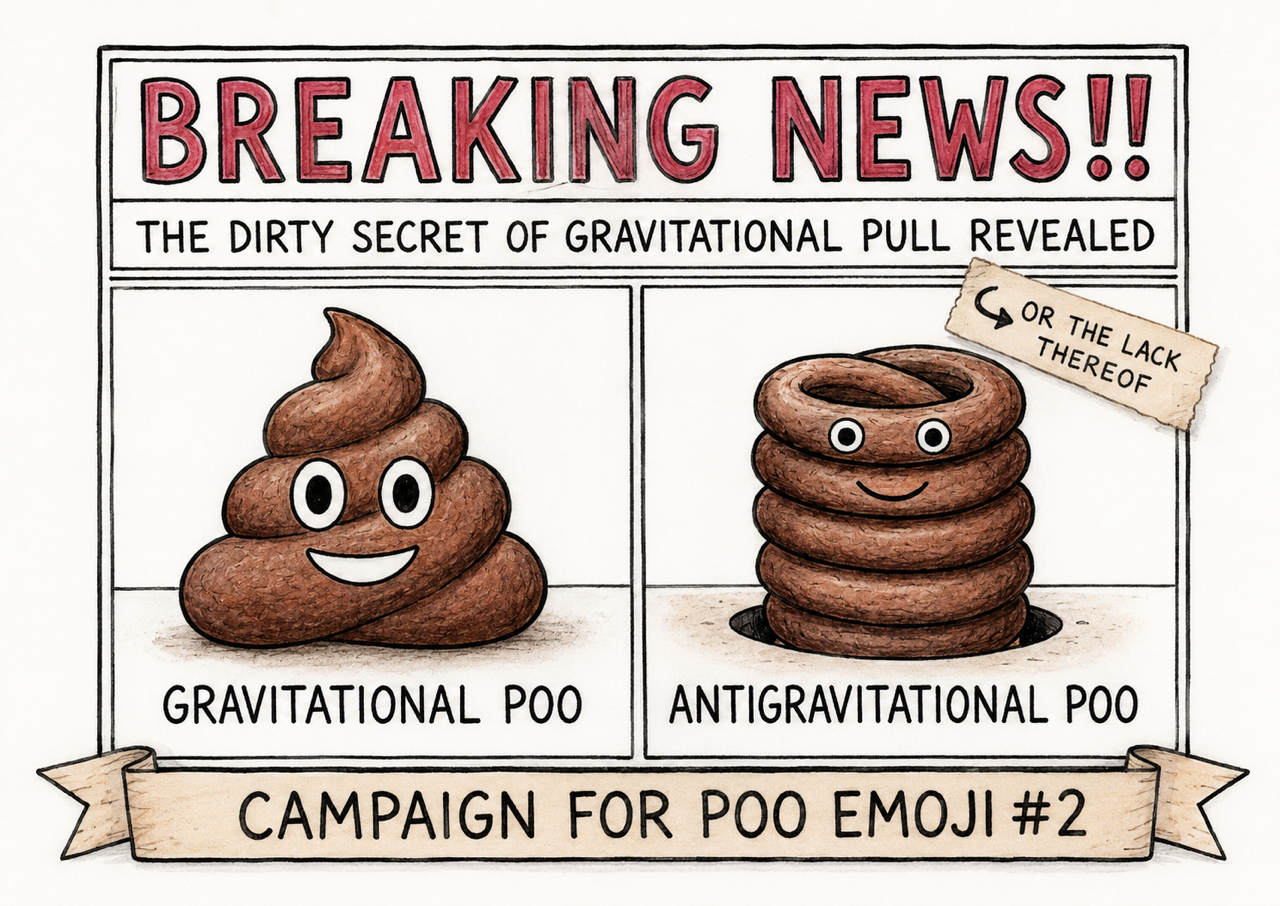
Ask a child to draw some poo, and the shape will invariably be the same: a coil, broad at the base and pointy at the top, similar to a spiral swirl of soft-serve ice cream. In fact, the often-used poo emoji has this exac...
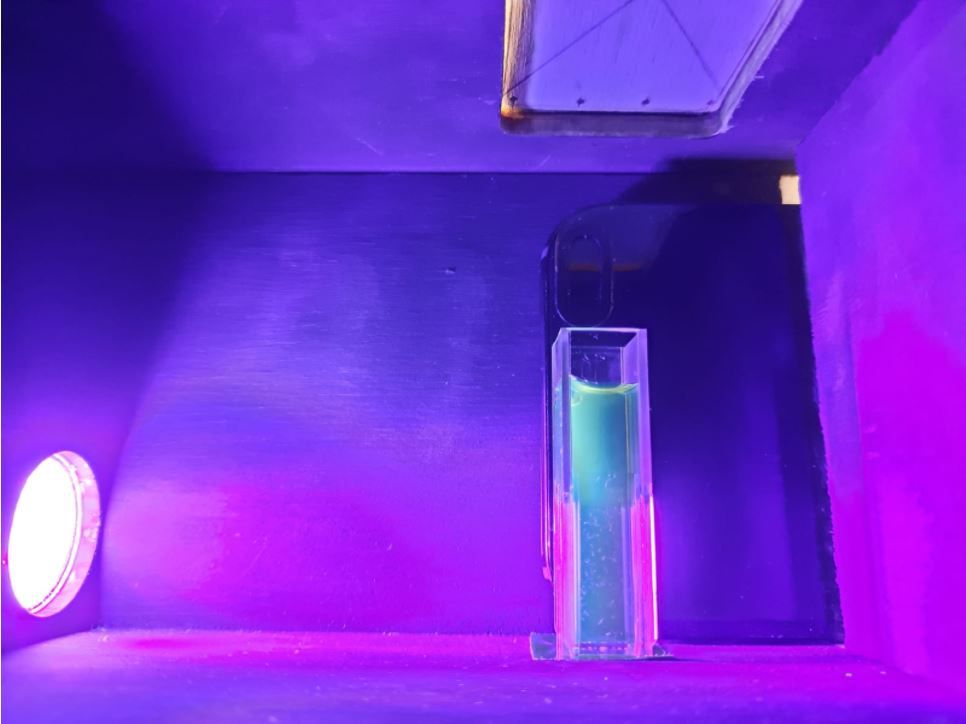
Machine learning to detect carbon molecules in space – and pollution on earth
All life on Earth is based on carbon. But how did carbon material evolve in space and end up on our planet? In a research project of the UvA MMD TechHub, scientists use machine learning to detect a key class of carbon mo...
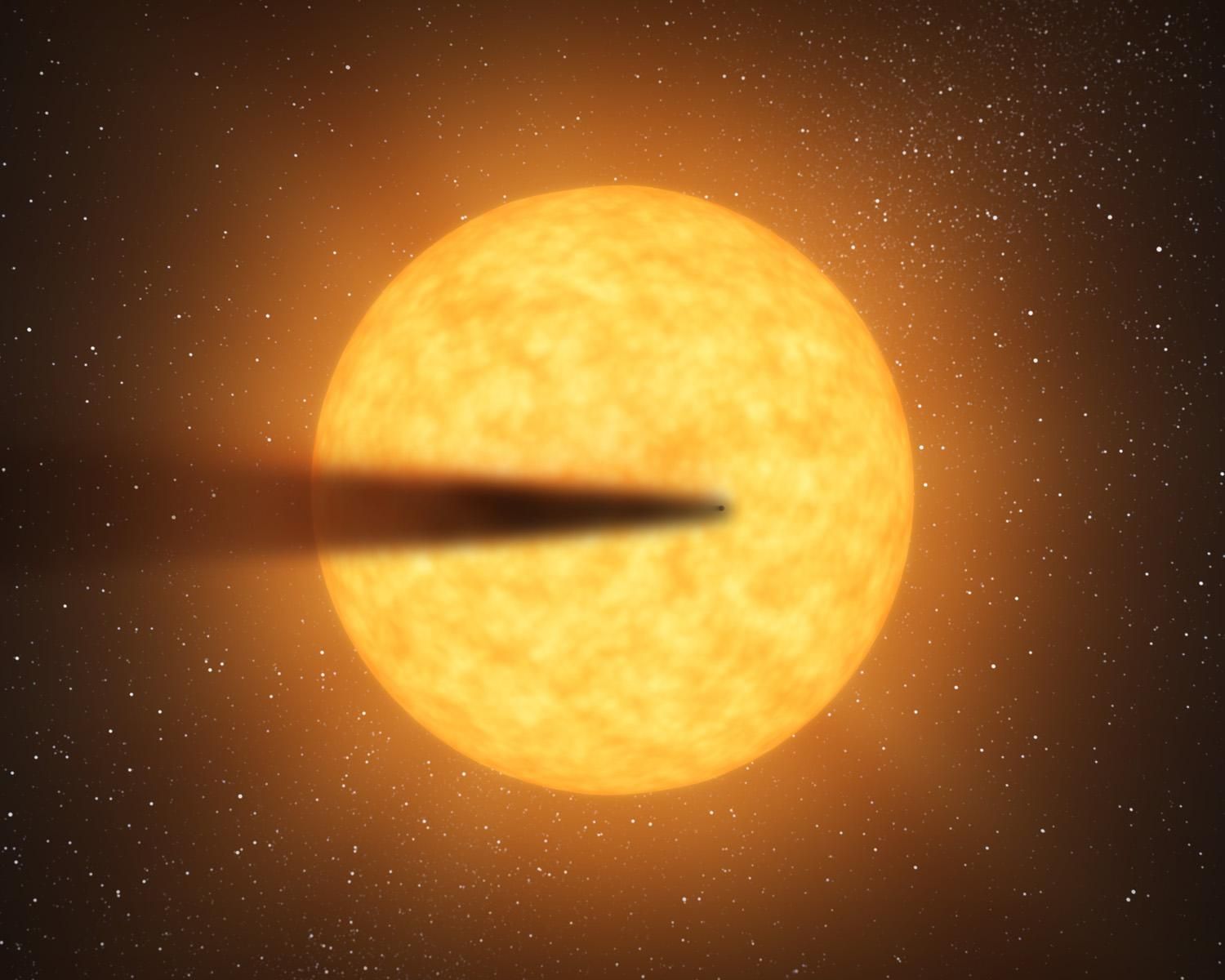
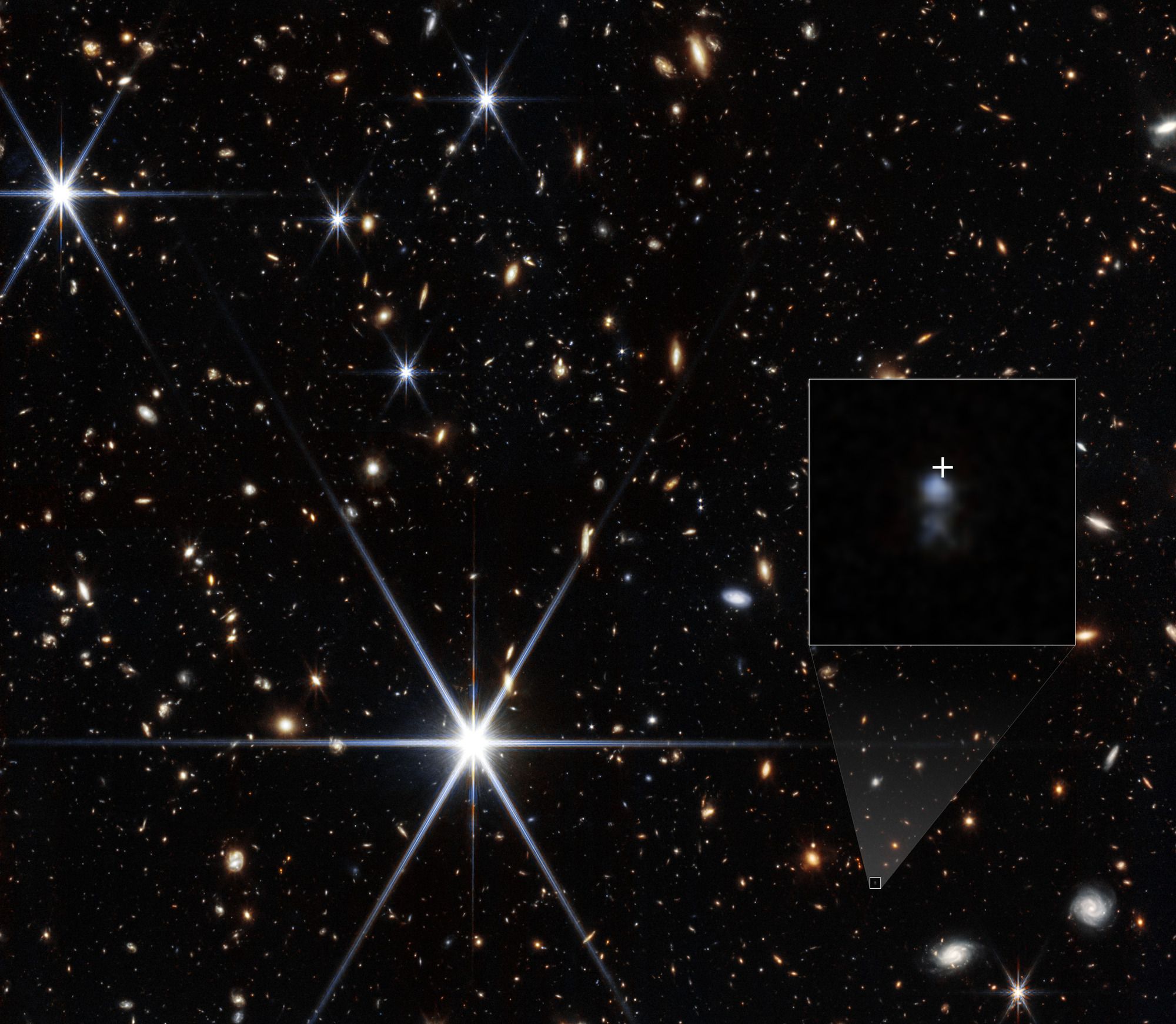
MSc student UvA discovers 'almond shaped' exoplanet on the brink of falling apart
Master's student Kaya Han Taş from the University of Amsterdam, together with colleagues, has discovered an exceptional exoplanet: a rocky world that orbits its star in just five hours.
Priority areas
As mentioned, our Pure theme comprises all fundamental research that is - currently - not focused on concrete applications. For example, information on fundamental life sciences research, computer science or chemistry research can be mainly found on the applied research theme pages.

The page also features information on aspects of our Institute of Physics study, with a focus on experimental physics. The research projects at quantum gases, quantum information and quantum materials overlap with ongoing quantum computer research under the Smart theme. Research by the soft matter group and nanolithography (as part of the ARCNL partnership) intersects with Green. Our other main lines of physics research are Pure. Among other subjects, our theoretical physicists are focused on the theoretical aspects of condensed matter and string theory. Our particle physicists join colleagues from other institutions at the Nikhef.
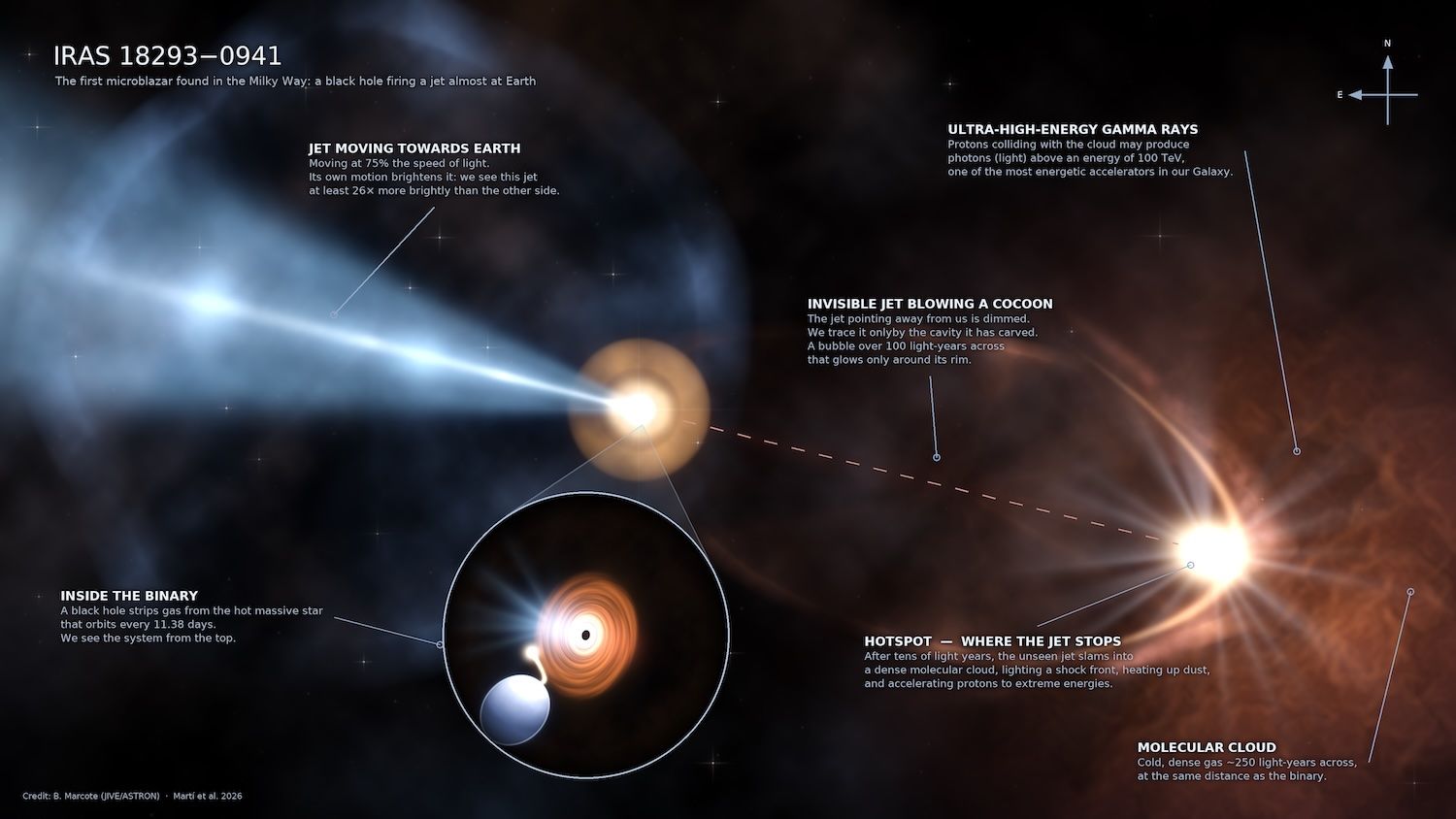
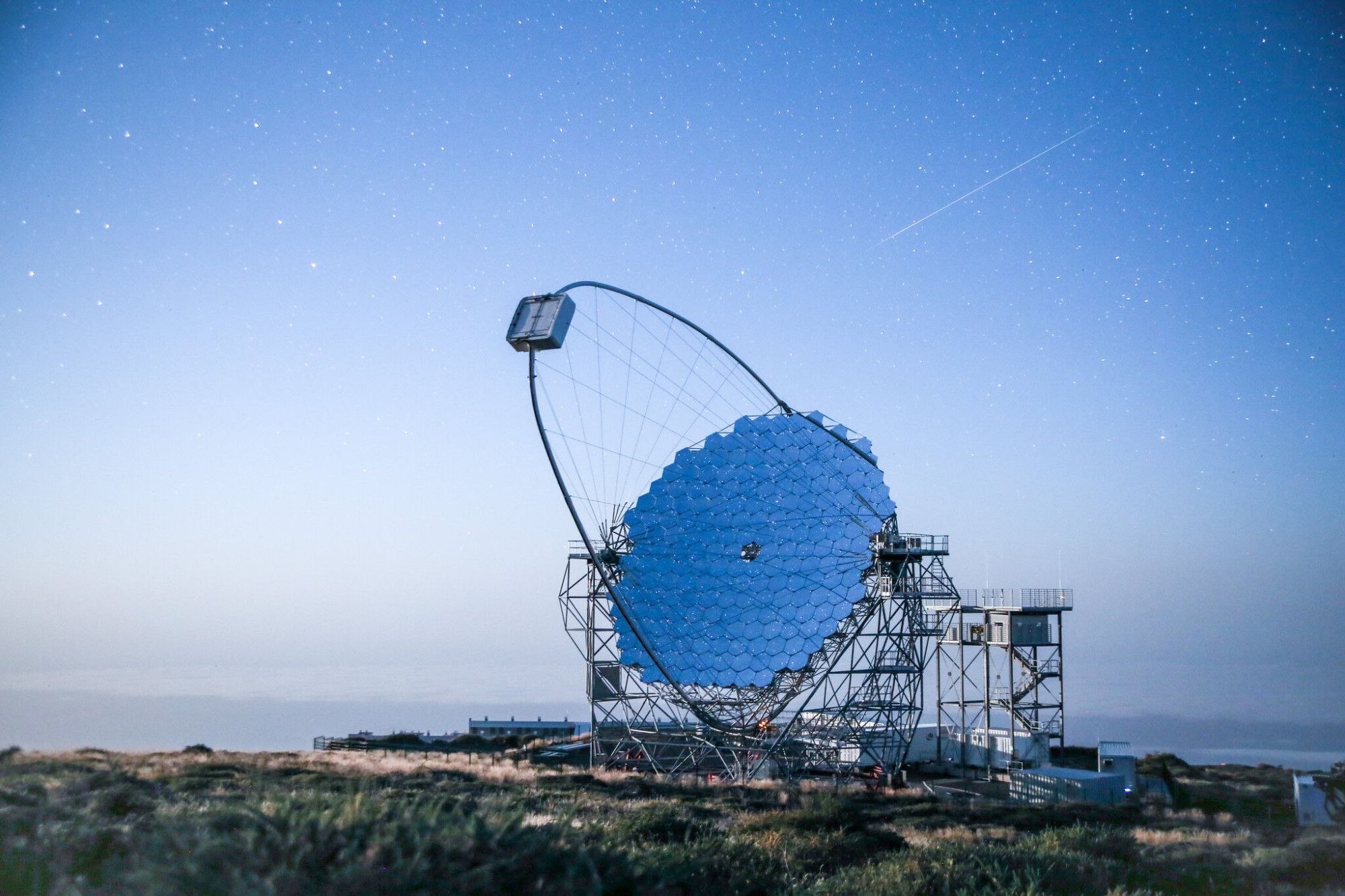
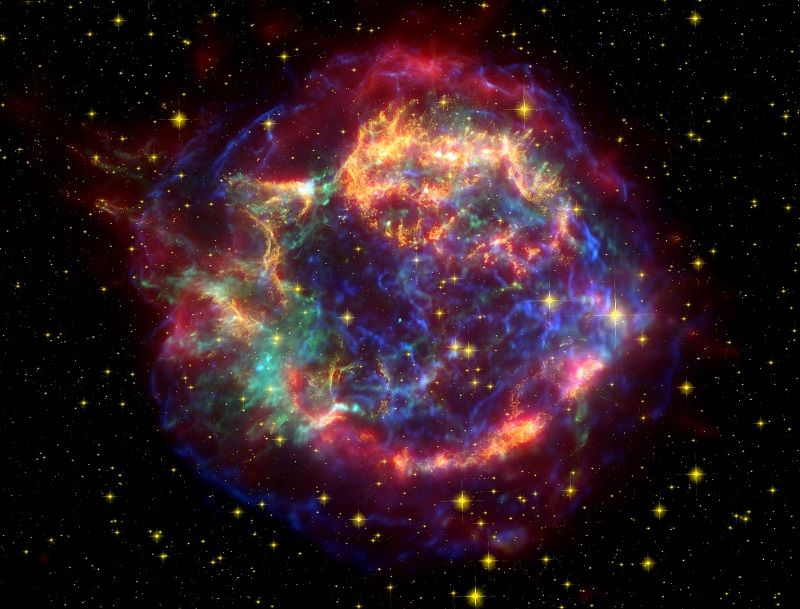
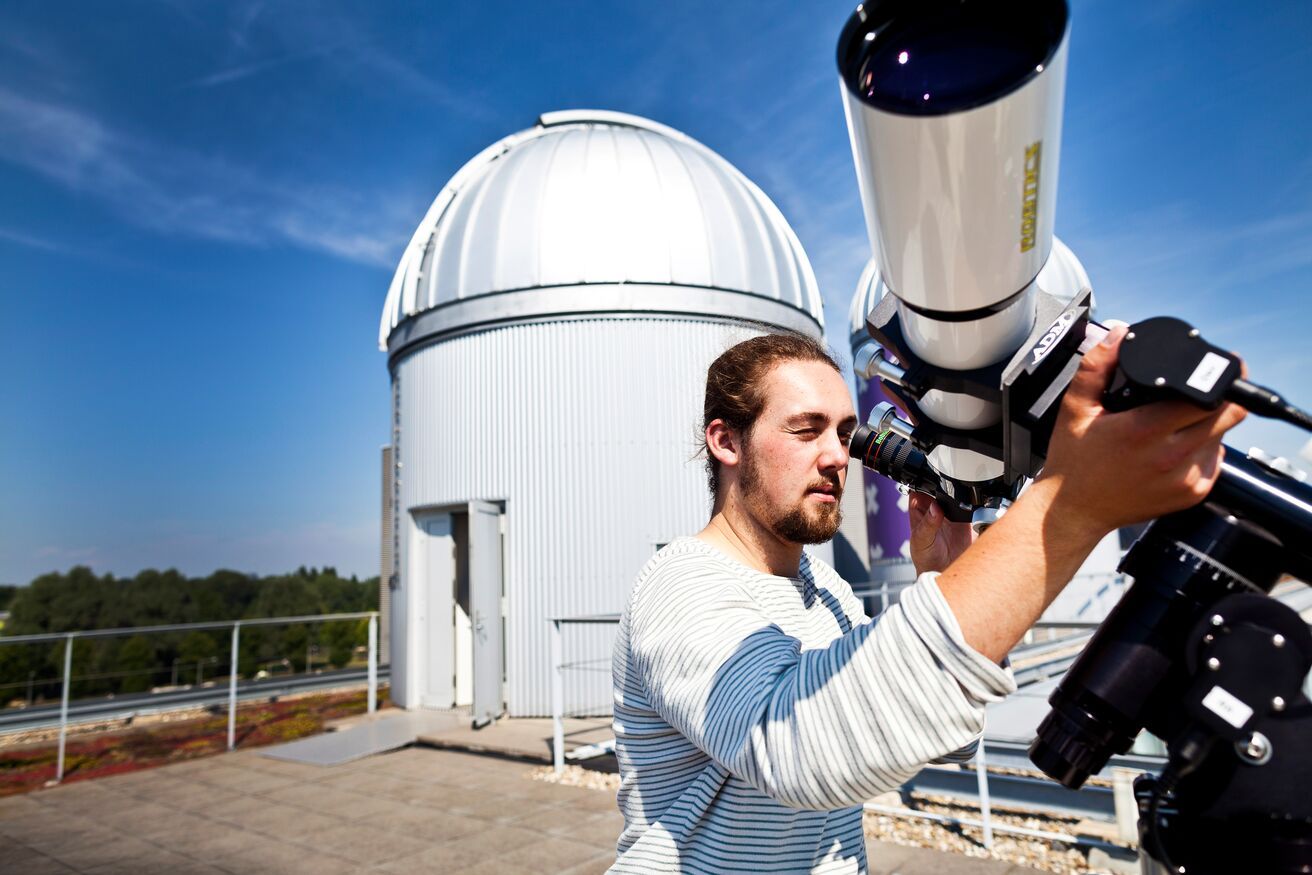
Our physicists are working with astronomers from the Anton Pannekoek Institute of Astronomy at the GRAPPA (GRavitation AstroParticle Physics Amsterdam) research centre. The centre is home to various high-energy astrophysics research activities. This key line of astronomical research focuses on radiotelescopic and X-ray imaging of objects and phenomena such as neutron stars, black holes, massive stars, binary stars, jets, accretion disks, fast radio bursts and dark matter. Our astronomers also conduct crucial research as part of the Origins of Life. This includes research on exoplanets, planet formation, massive stars, star populations, and the presence of organic molecules - the building blocks of life - in space.

Our Institute for Logic, Language en Computation is also home to projects along various Pure research lines, such as theoretical computer science, the philosophical foundations of science, the logic of agency andmathematical logic.
Finally, the bulk of our mathematical research is conducted at the Korteweg de Vries Institute for Mathematics. The Institute is mainly focused on algebra & geometry, stochastics (including probability theory and mathematical statistics), numerical analysis (including numerical solutions to partial differential equations) anddiscrete mathematics.
AMOLF
AMOLF initiates and conducts leading fundamental research on the physics of complex matter, and creates new functional materials, in partnership with academia and industry.
ARCNL
ARCNL is a public-private partnership that conducts fundamental research into the physics and materials science of key technologies in nanolithography, primarily for the semiconductor industry (ASML in particular).
CWI
The CWI is the Dutch national research institute for mathematics and computer science.

Dutch Institute For Emergent Phenomena
The DIEP is an interdisciplinary research centre across fundamental sciences with the purpose of furthering the understanding of emergent phenomena.
Nikhef
Nikhef is the national institute for subatomic physics. It conducts research on the elementary building blocks of our universe, their mutual forces and the structure of space and time.
NOVA
The Netherlands Astronomy Research School coordinates and promotes astronomical research in the Netherlands.
Origins center
The Netherlands Origins Center is the national knowledge centre for research on the origins and evolution of life on Earth and across the universe.
Physics and Astronomy
Quantum technology