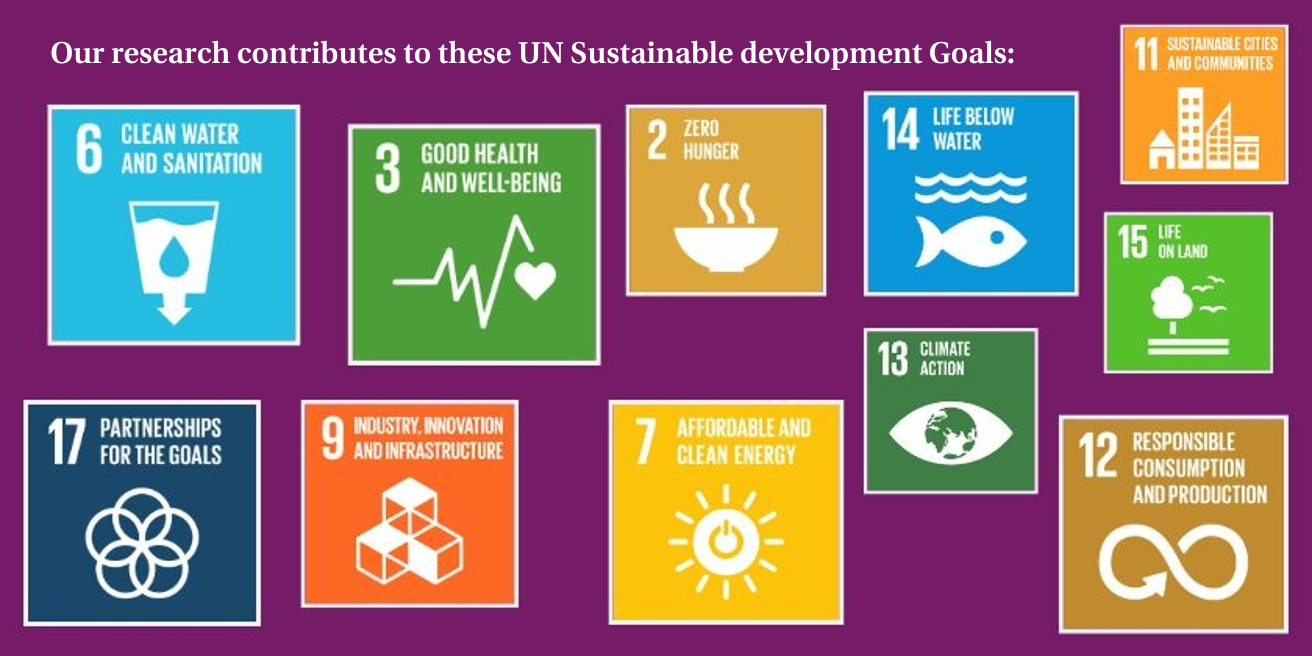
The need to transition to a more sustainable society, with a circular economy and healthy environment for people and all other organisms on earth, is one of the biggest challenges currently facing the world. The issues involved in this transition are complex and require an interdisciplinary approach. Examples include the energy transition, environmental issues, challenges related to the global food supply, and the need for a new approach to scarce resources. The UvA's Faculty of Science has developed numerous lines of research and initiatives to help our society navigate this transition in line with the global UN Sustainable Development Goals.
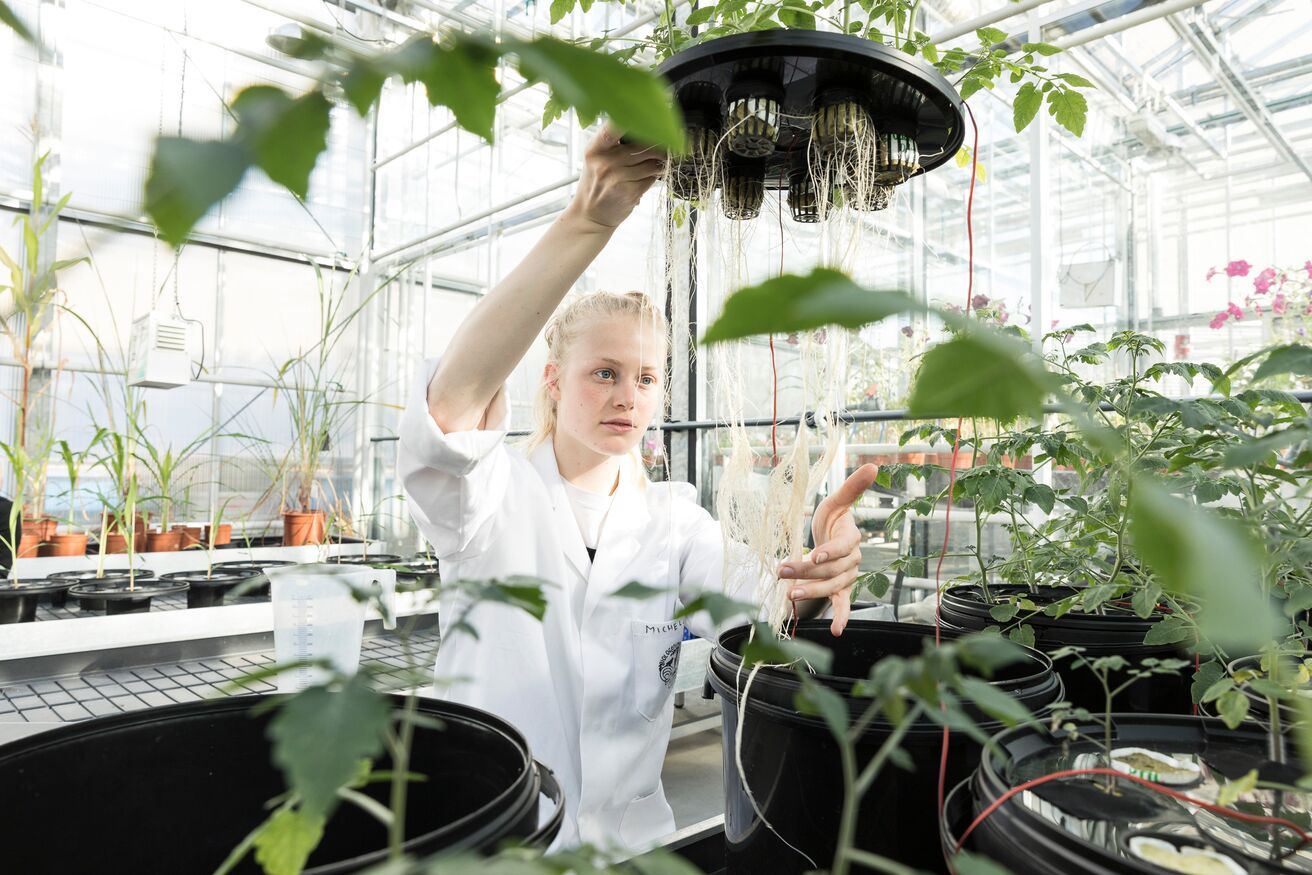
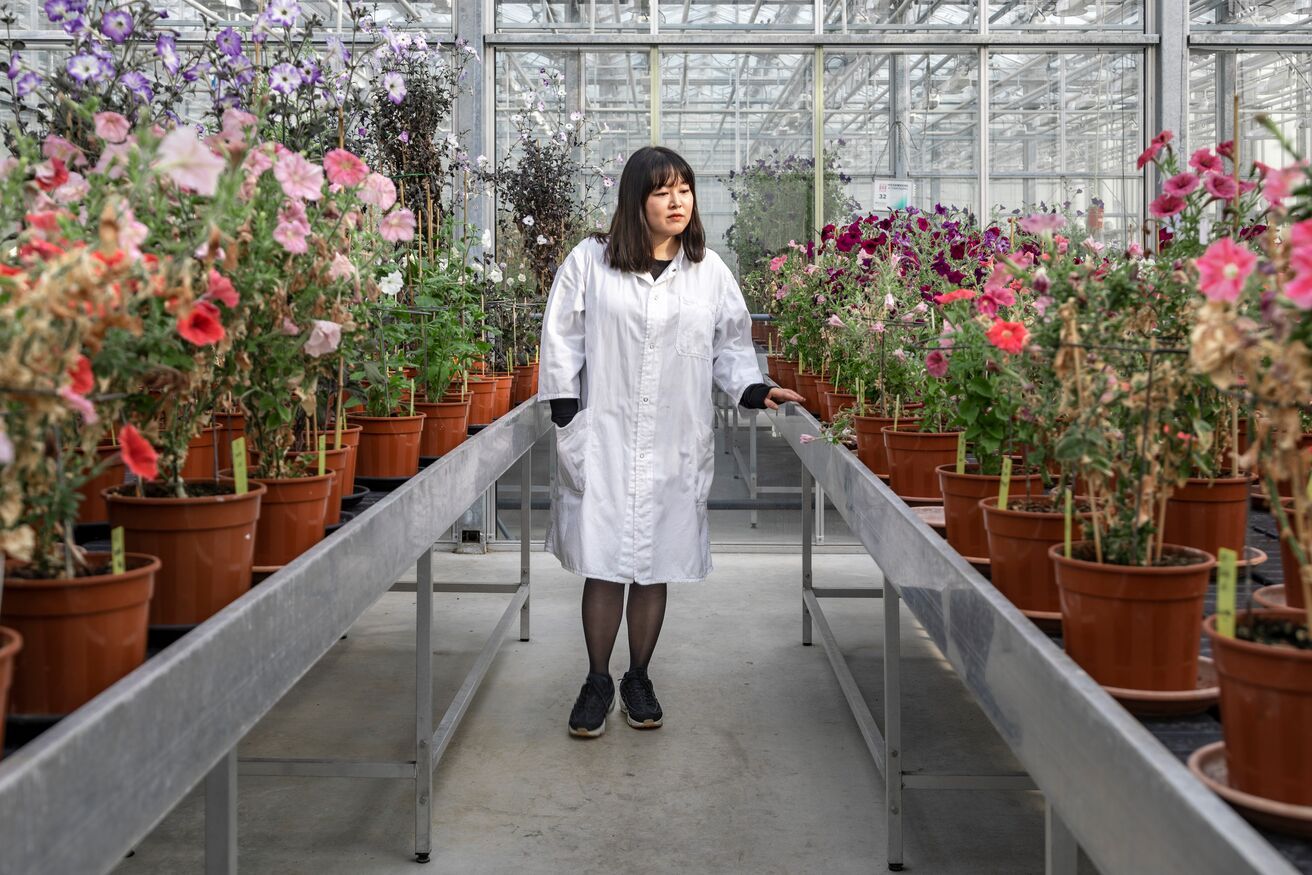
The future of our agriculture sector is currently in doubt. This development coincides with the growth of our world's population, which is putting pressure on existing agriculture systems as climate change creates additional challenges. This is why our research focuses on improving agricultural crops' resistance to all sorts of pests and challenging conditions, such as drought, heat and soil salinisation. Research groups dedicated to these issues can be found at both our biology institutes. The researchers at Swammerdam Institute for Life Sciences work under the banner of Green Life Sciences, while the research groups at Institute for Biodiversity and Ecosystem Dynamics operate as part of the Biocontrol and crop protection.
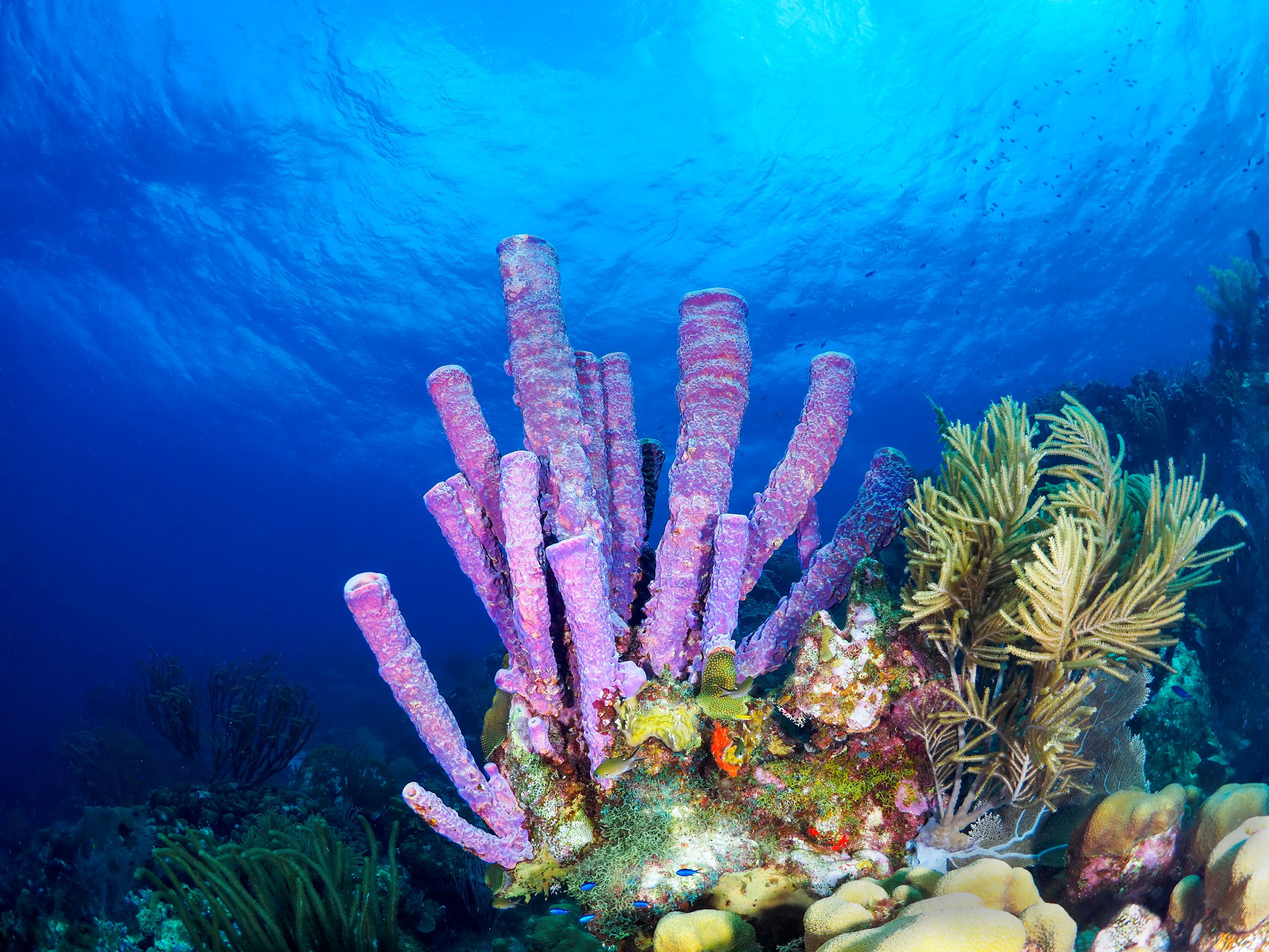
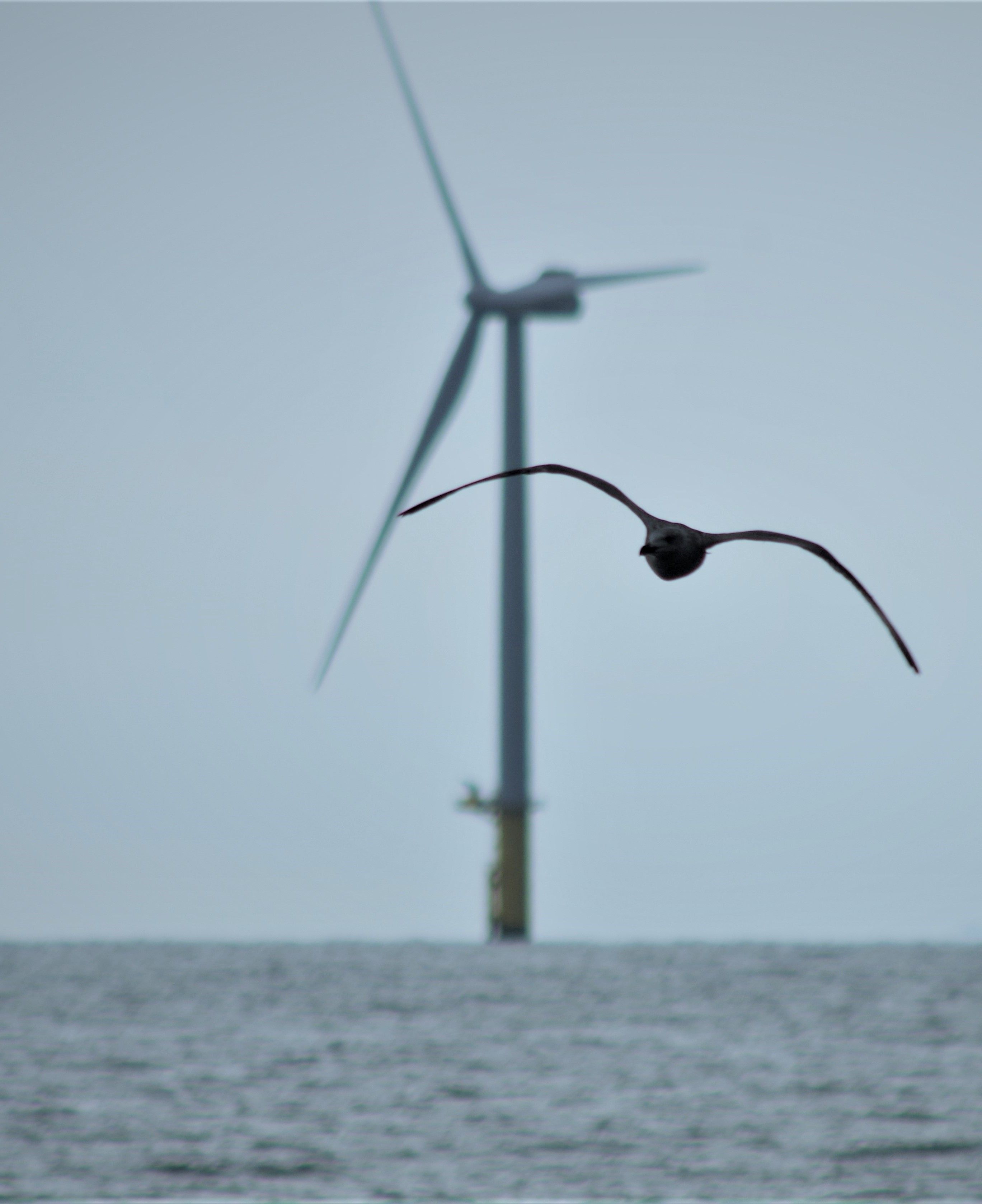
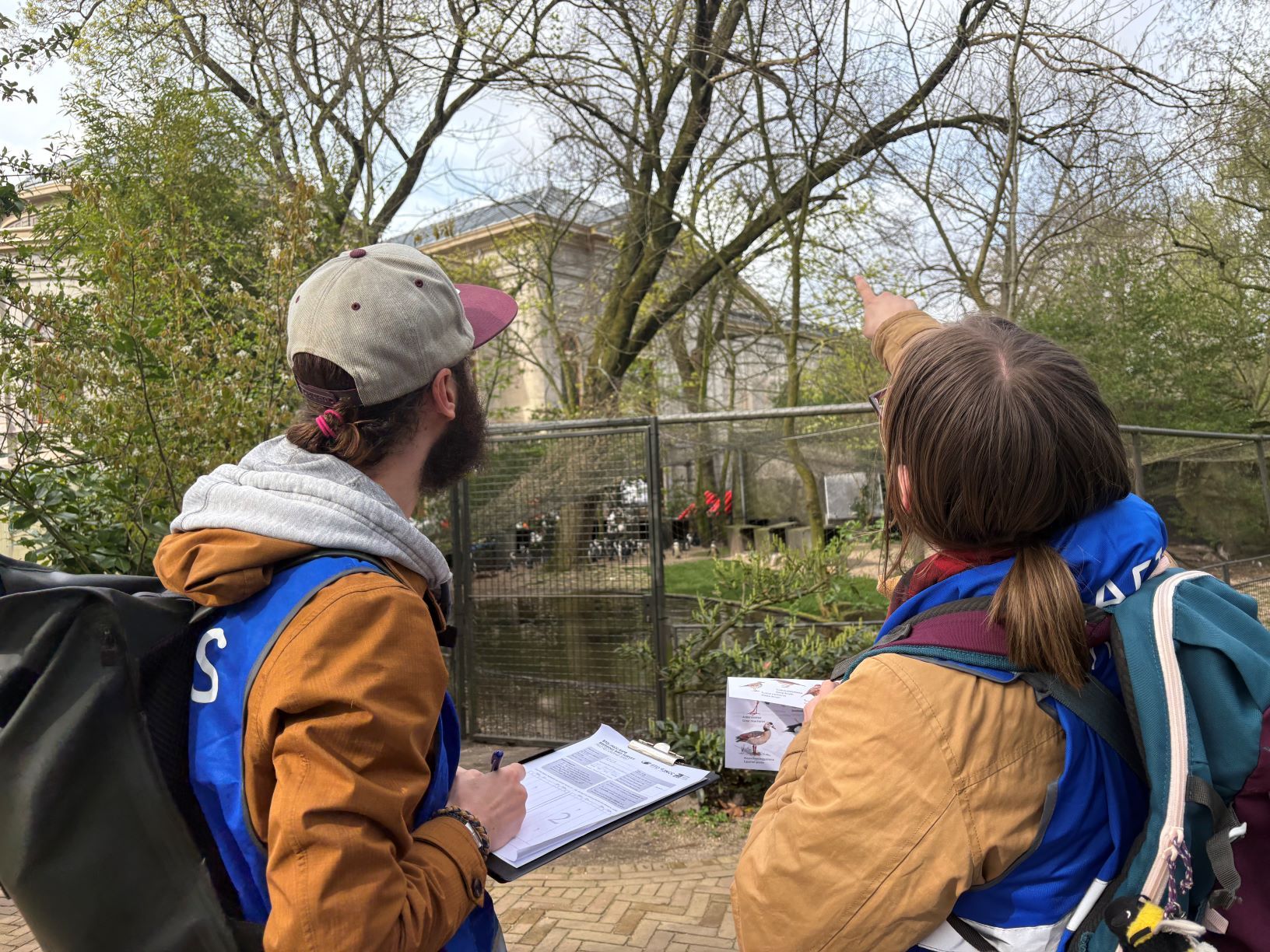
Our biologists also study the impact of human activities on ecosystems, focusing on the role of urban areas, climate change, tropical ecosystems and freshwater & marine ecosystems.
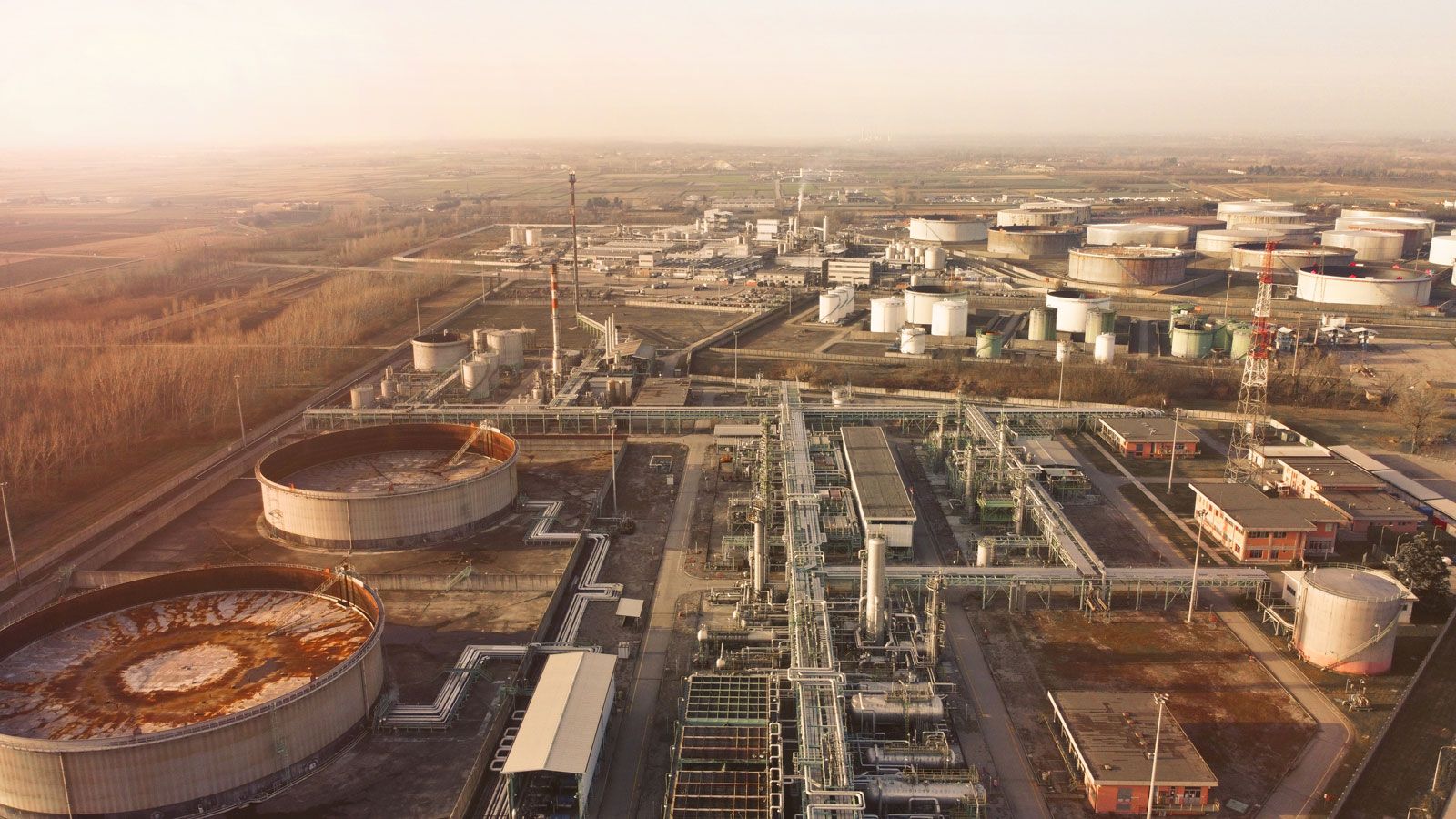
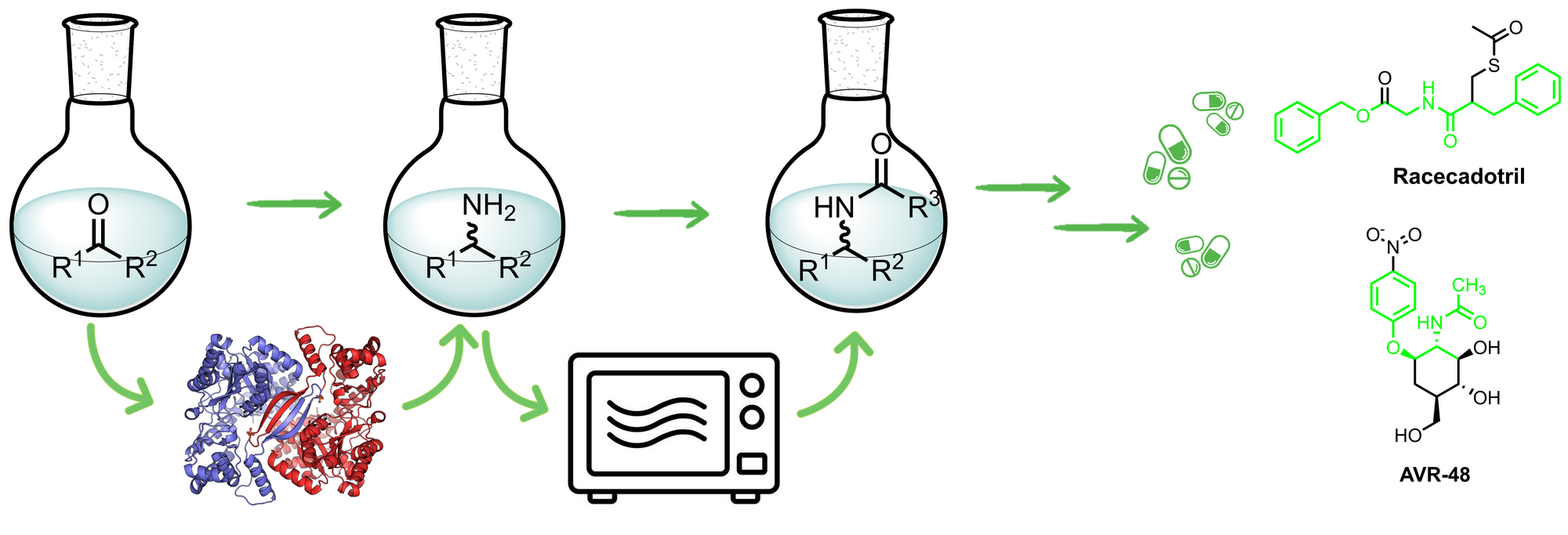
A more sustainable society will also require more sustainable industries. Sustainable Chemistry combines various lines of research pursued by our chemists at the Van ’t Hoff Institute for Molecular Sciences. For example: new, sustainable and clean processes for synthesising a wide range of raw and processed materials; sustainable cycles; the recovery of valuable raw materials from waste streams. They also collaborate with physicists from our Institute of Physics, who are researching material characteristics and developing materials with unique qualities as part of the Soft matter research group.
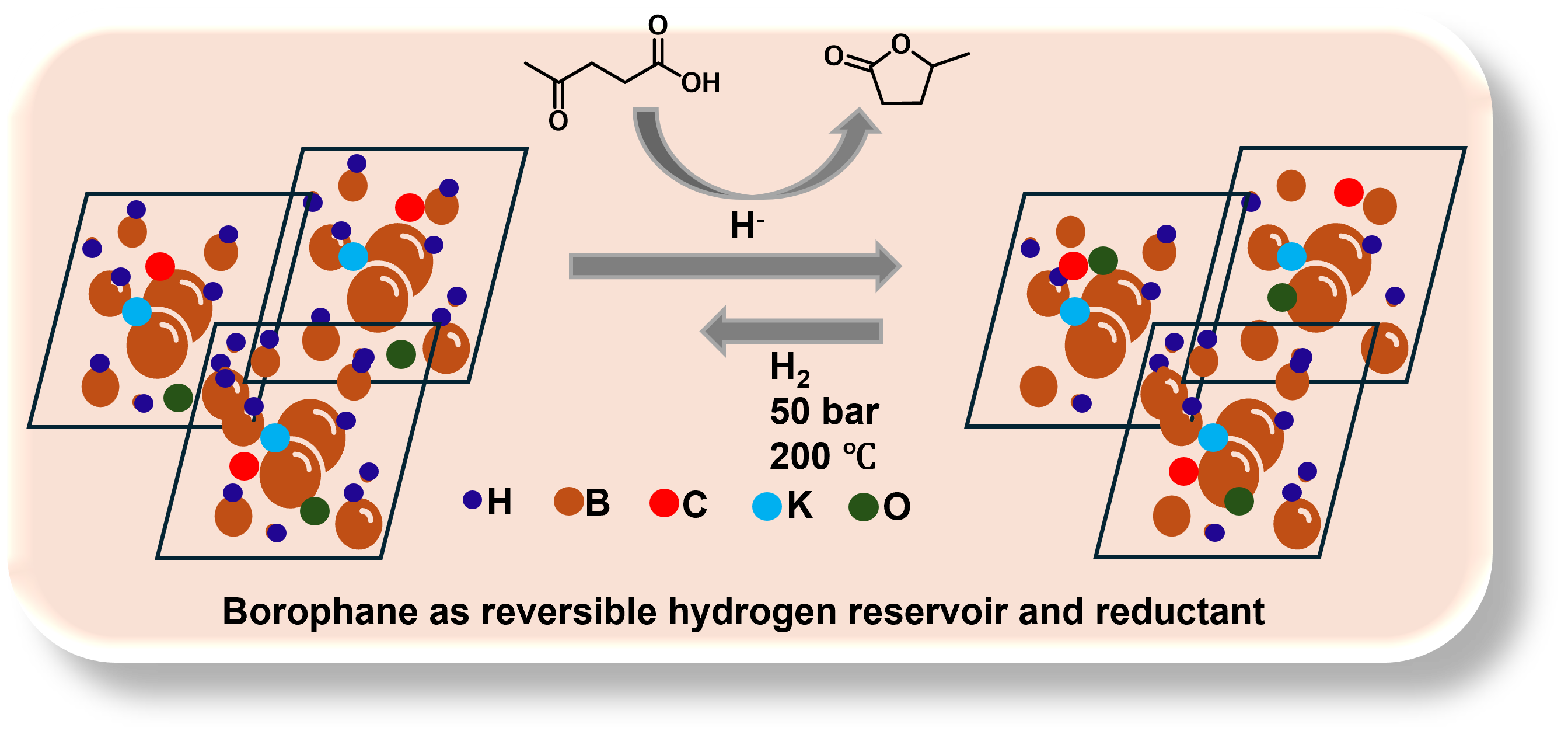
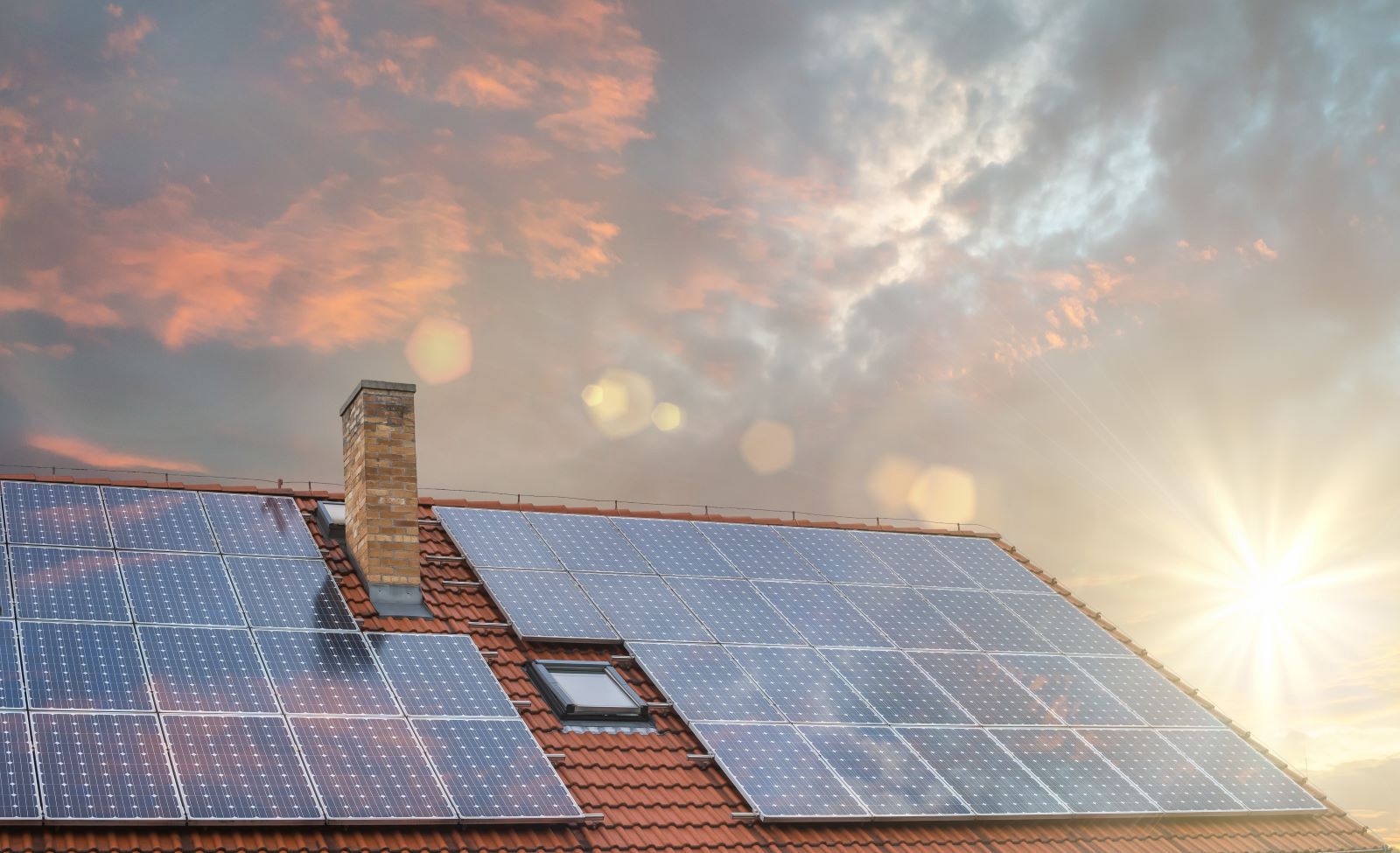
Finally, our chemists and physicists are also collaborating on various issues relating to the energy transition. These include: using nanotechnology to design new, more efficient solar cells; energy storage issues, such as the storage of energy in new types of fuel cells, salts or hydrogen; and alternative energy sources, such as the use of hydrogen or ammonia as fuel for global shipping.