Annual review 2022
Research at the Faculty of Science (University of Amsterdam)
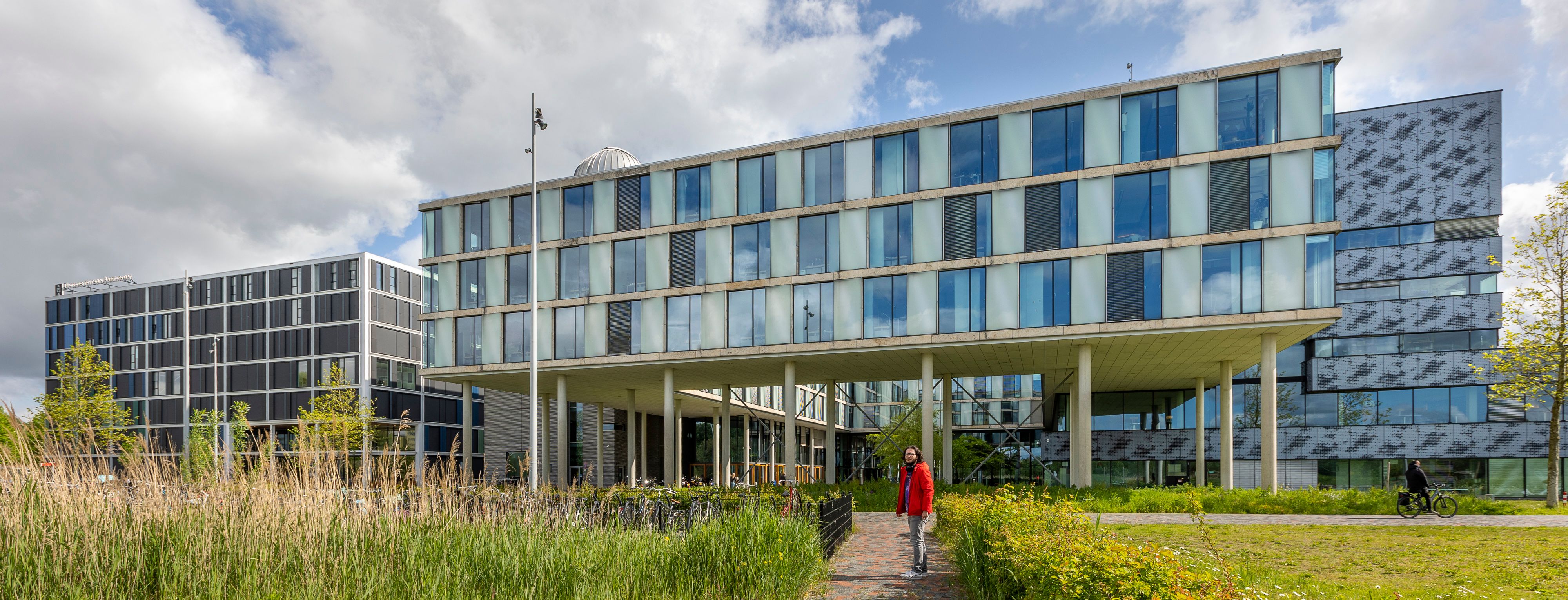
We started 2022 in a lockdown, while gradually loosening the reigns during the year until everything was almost ‘back to normal’. Our staff and students deserve a big compliment for their resilience in bouncing back from a difficult period. We were happy to be able to organize events in person again and connect with our community. We welcomed many people, young and old, during our Science Park Open Day in the Weekend of Science. And opened our new state-of-the-art building Lab42 where entrepreneurship, research and education come together.
Our focus remains on excellent research and education with our partners, following our tagline “Connecting Science”. Last year we looked at new ways for interfaculty research and interdisciplinary collaborations, often with a link to the UN’s Sustainable Development Goals.
In this 2022 review we share our highlights and present key data for our research. After the summer we will present the developments in education for the academic year 2022-2023. Feel free to forward the reports to colleagues, collaboration partners and stakeholders.
I am proud of all the accomplishments, knowing that they are the result of the joint efforts and commitment of all people in our Faculty.
Peter van Tienderen,
Dean of the Faculty of Science
Science & Society
At the Faculty of Science we participate in research activities that are geared towards the development of applications for the benefit of society at large; activities that are often conducted in large national and international collaborations, and funded through research consortia and public-private partnerships. We also reach out to schools and general public to demonstrate the value of our research.

Opening of POP-AART lab, a new ICAI Lab
GoGreen: Developing sustainable strategies for conservation of cultural heritage
New technologies for remote biodiversity monitoring
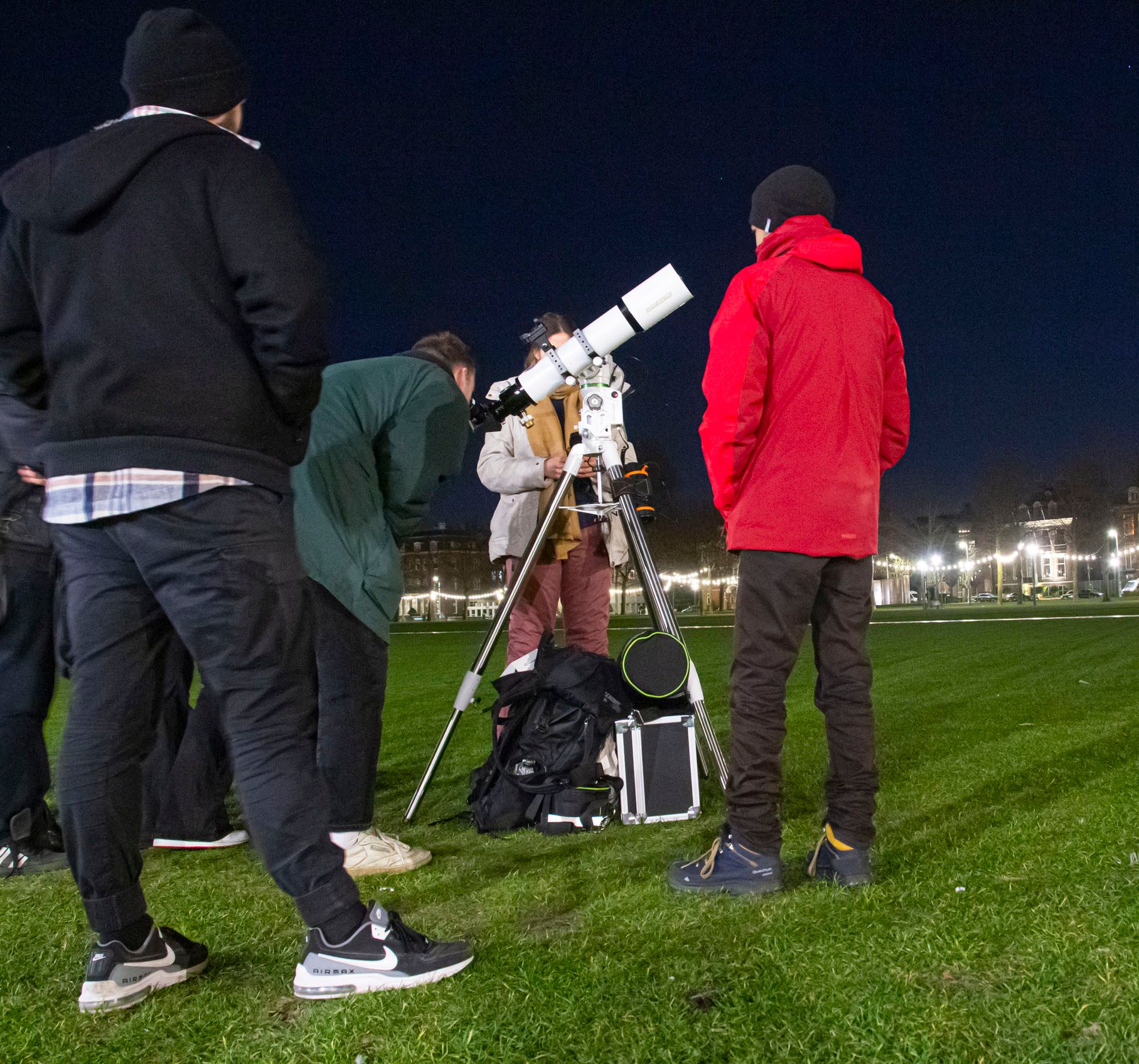
Stargazing in the heart of Amsterdam with the Anton Pannekoek Institute
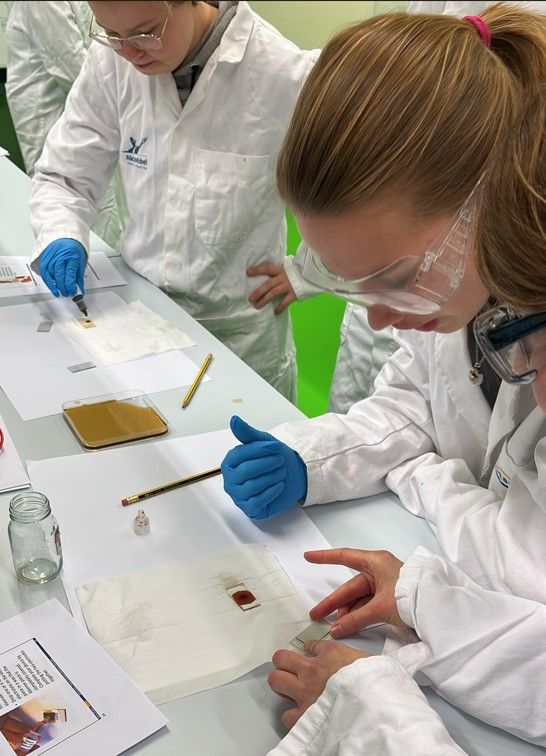
Engaging ‘Chemie in Amsterdam’ programme inspires high school students
Figures on research
8 research institutes
132 million budget
1,693 (co-authored) publications with 60% online attention
132 PhD ceremonies
1,156 academics
613 PhD's 99 full professors
59% international researchers
30% female academics
Highlights SMART
The multidisciplinary research theme Smart compromises research areas such as information technology, computational science and quantum computing.
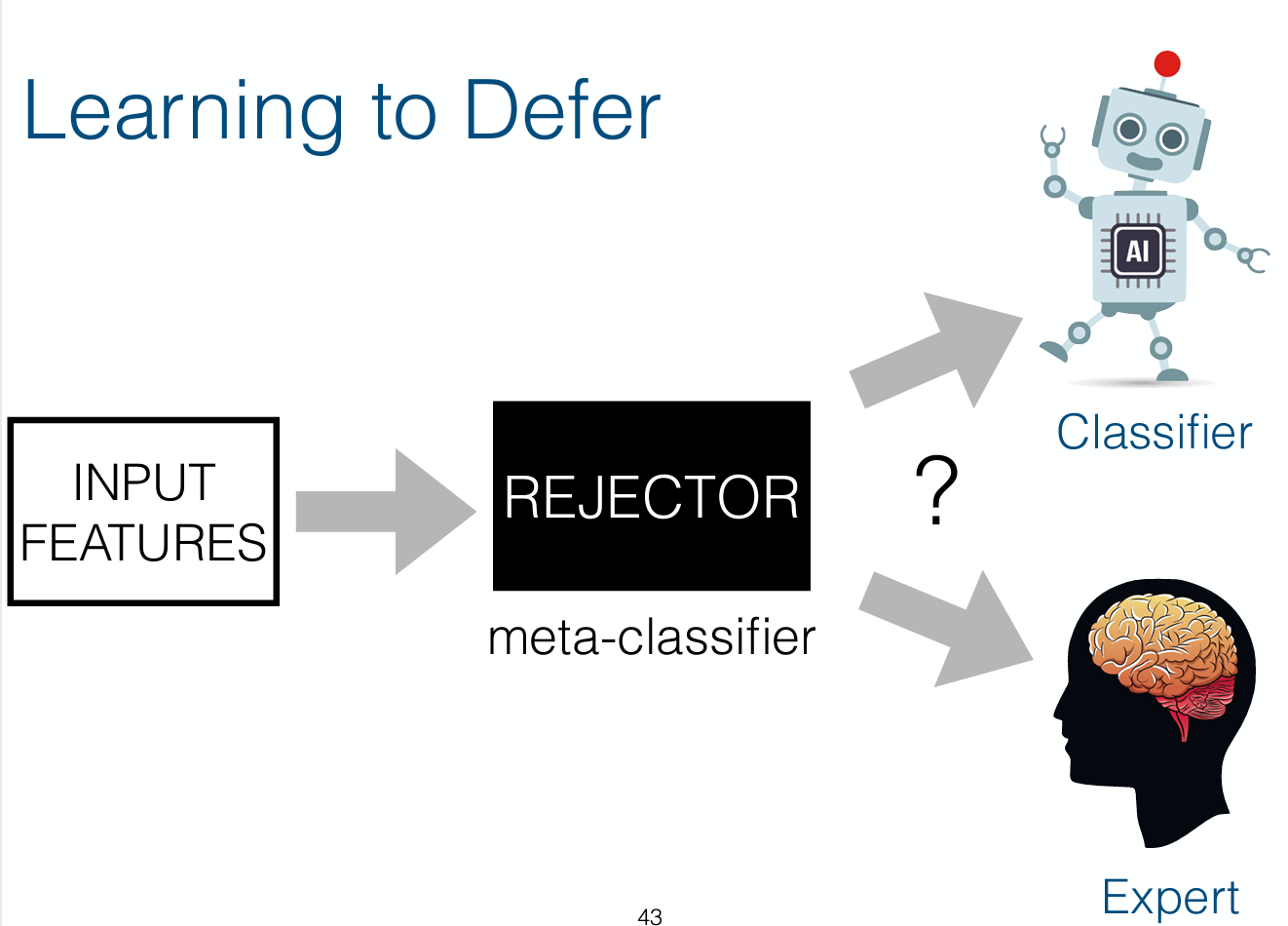
AI learns when it is safer to leave a decision to a human expert
Part of being smart is knowing where your limitations lie. Learning AI systems have long been bad at this. But thanks to UvA researchers Rajeev Verma and Eric Nalisnick, AI systems are now starting to learn when it would...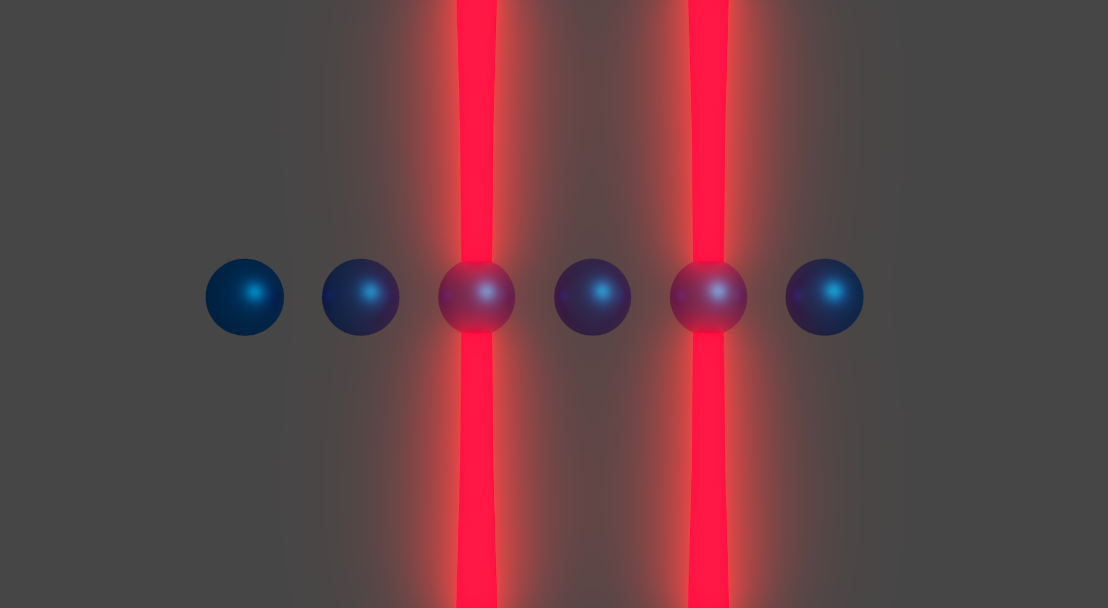
A new method for quantum computing
Physicists from the University of Amsterdam have proposed a new architecture for a scalable quantum computer. Making use of the collective motion of the constituent particles, they were able to construct new building blo...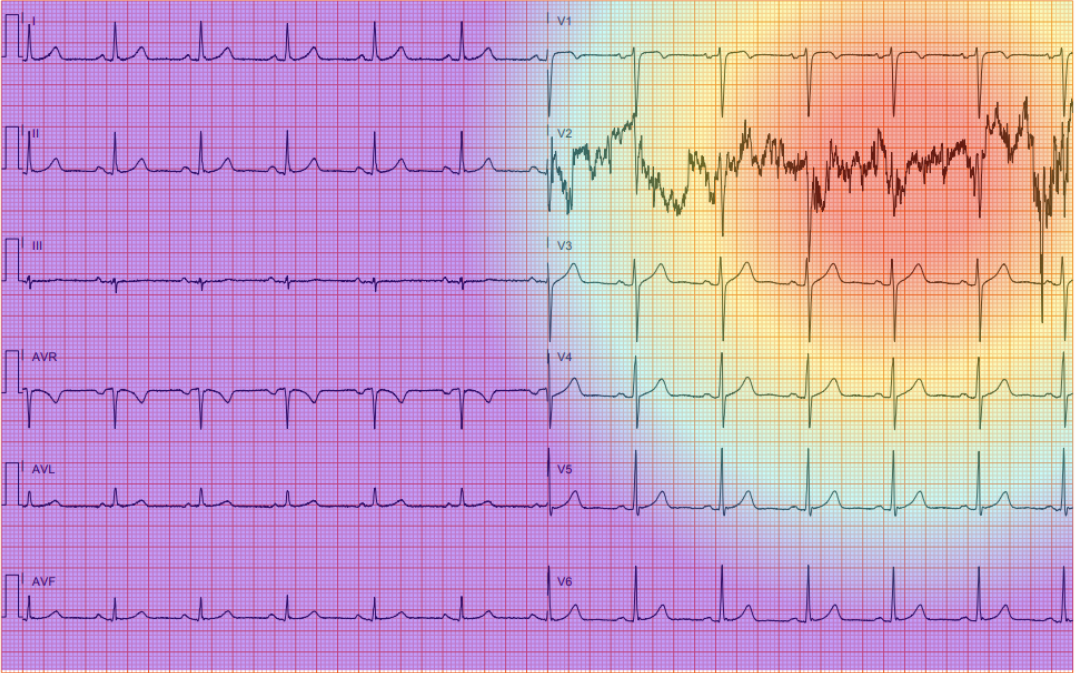
An AI-system that explains its own outcomes can improve heart examination for underserved communities
Explainable AI (XAI) is an exciting new field in computer science. PhD-candidate Ana Lucic developed some new algorithms to make the black box of machine learning more transparant. One of them could help healthcare in un...
Prestigious Test of Time award for 2007 publication
On October 11th, Andy Pimentel and Simon Polstra of the Informatics Institute, received the prestigious Test of Time award from the IEEE/ACM International Conference on Hardware/Software Codesign and System Synthesis. T...
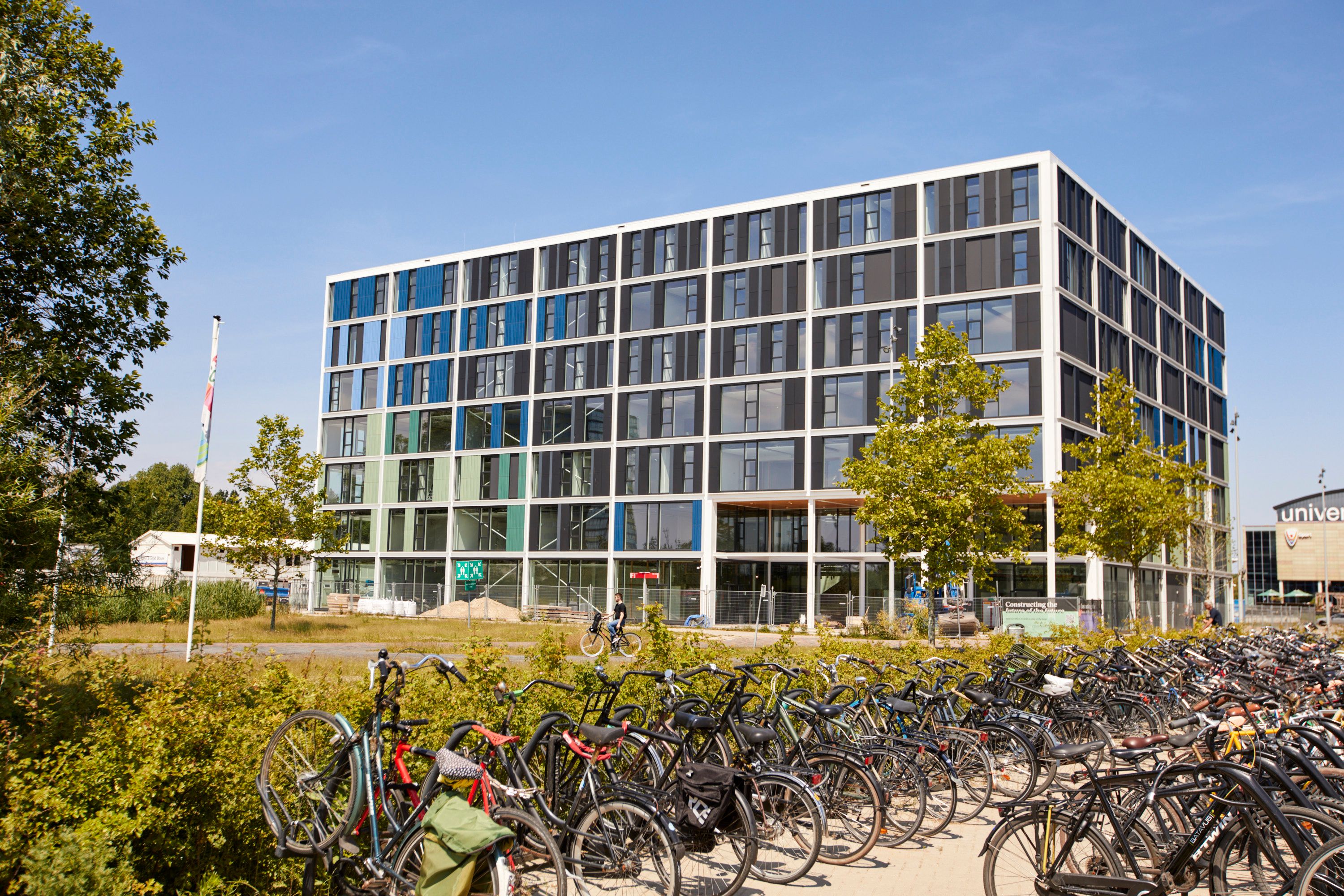
Grand opening LAB42
In September 2022, the new building LAB42 officially opened its doors. Chairman of the UvA Board of Governors, Geert ten Dam, Amsterdam Alderman for Housing and Urban Development, Reinier van Dantzig, and Jos de Groot on behalf of the Ministry of Economic Affairs were present for words of praise on behalf of their roles and fields of expertise. 'New innovation for smart cities will come from LAB42,' said the politician. Collaboration, inspiration and innovation were key words emphasised in all speeches.
Fundings SMART
Grants and fundings for projects within the multidisciplinary research theme Smart.


Highlights GREEN
The multidisciplinary research theme Green compromises all our research on sustainability, ranging from zero waste and the development of new materials to future-proof agricultural crops and human impact on nature.
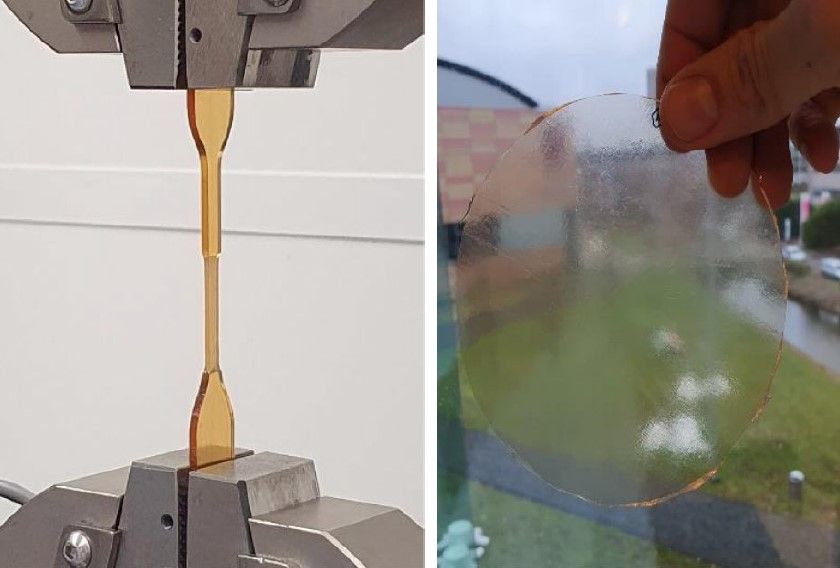
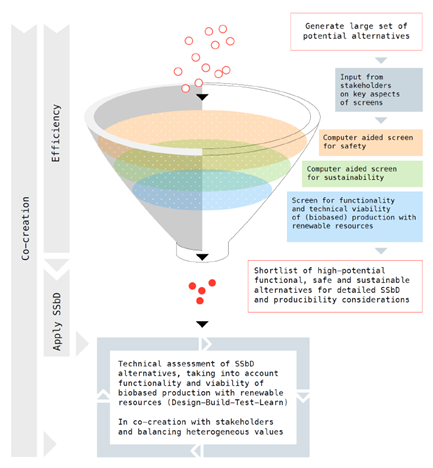
An important step towards strong and durable biobased plastics
In a recent paper in Nature Communications, researchers at the Industrial Sustainable Chemistry group led by Prof. Gert-Jan Gruter take an important step towards the production of fully biobased, rigid polyesters. They p...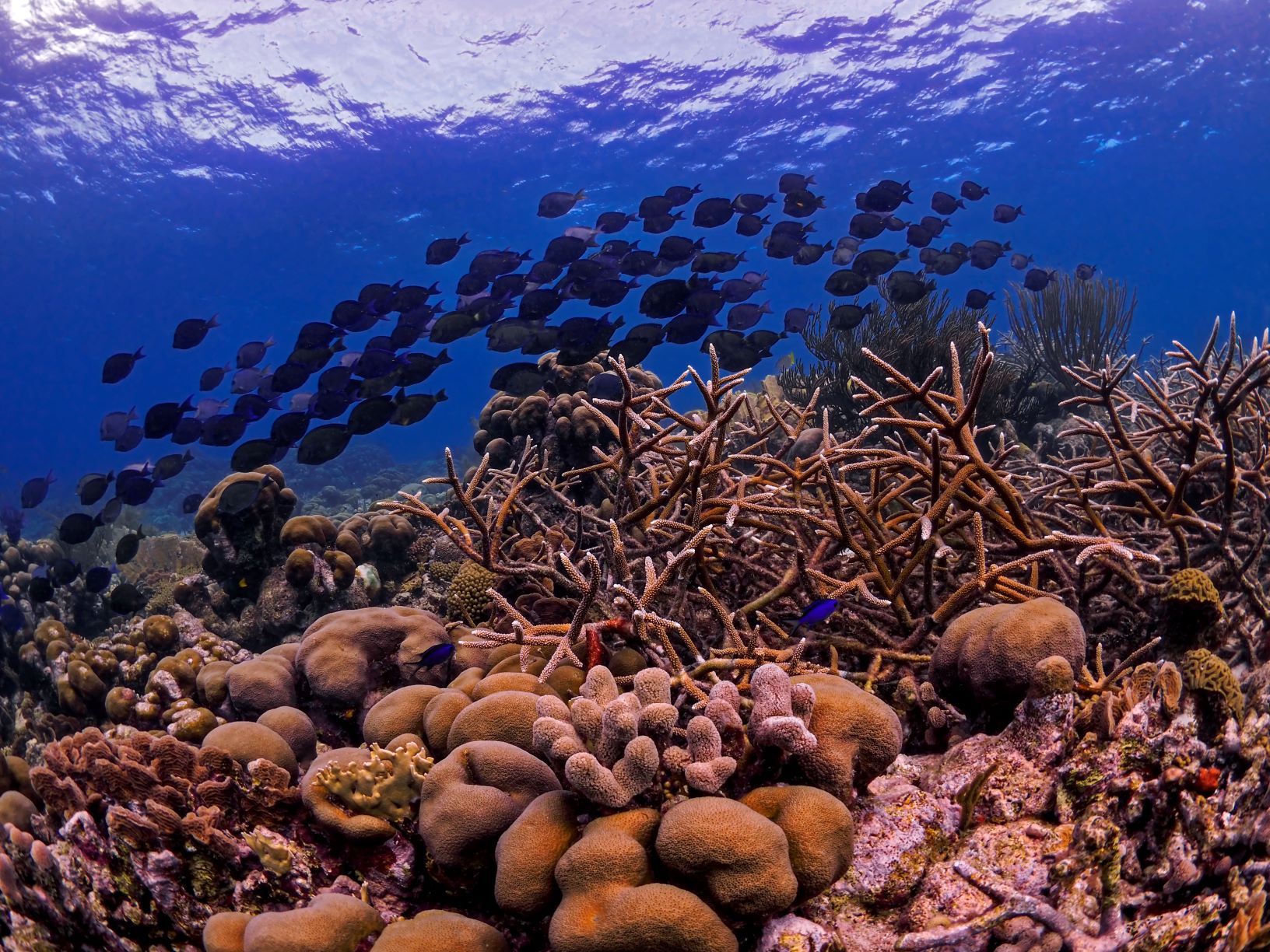
Sponges ‘sneeze’ waste
Sponges are among the oldest creatures on Earth and play a key role in many underwater ecosystems. A new study by Niklas Kornder of the University of Amsterdam (UvA) and colleagues finds that sponges ‘sneeze’ to clear th...
Optimizing hydrogen storage in hydroborate salts
Researchers Fran Pope, Noë Watson, Antoine Deblais and Gadi Rothenberg at the University of Amsterdam (UvA) unravel the complexities of concentrated borohydride salt solutions that can be used as a medium to store hydrog...
Fundings GREEN
Grants and fundings for projects within the multidisciplinary research theme Green.
Highlights PURE
The multidisciplinary research theme Pure compromises fundamental research areas such as experimental physics, particle physics, mathematical lines of research, high-energy astrophysics an the Origins of Life programme.

Astronomers discover micronovae, a new kind of stellar explosion
A team of astronomers, including the UvA's Nathalie Degenaar have observed a new type of stellar explosion — a micronova, with the help of the European Southern Observatory’s Very Large Telescope (ESO’s VLT). These outbu...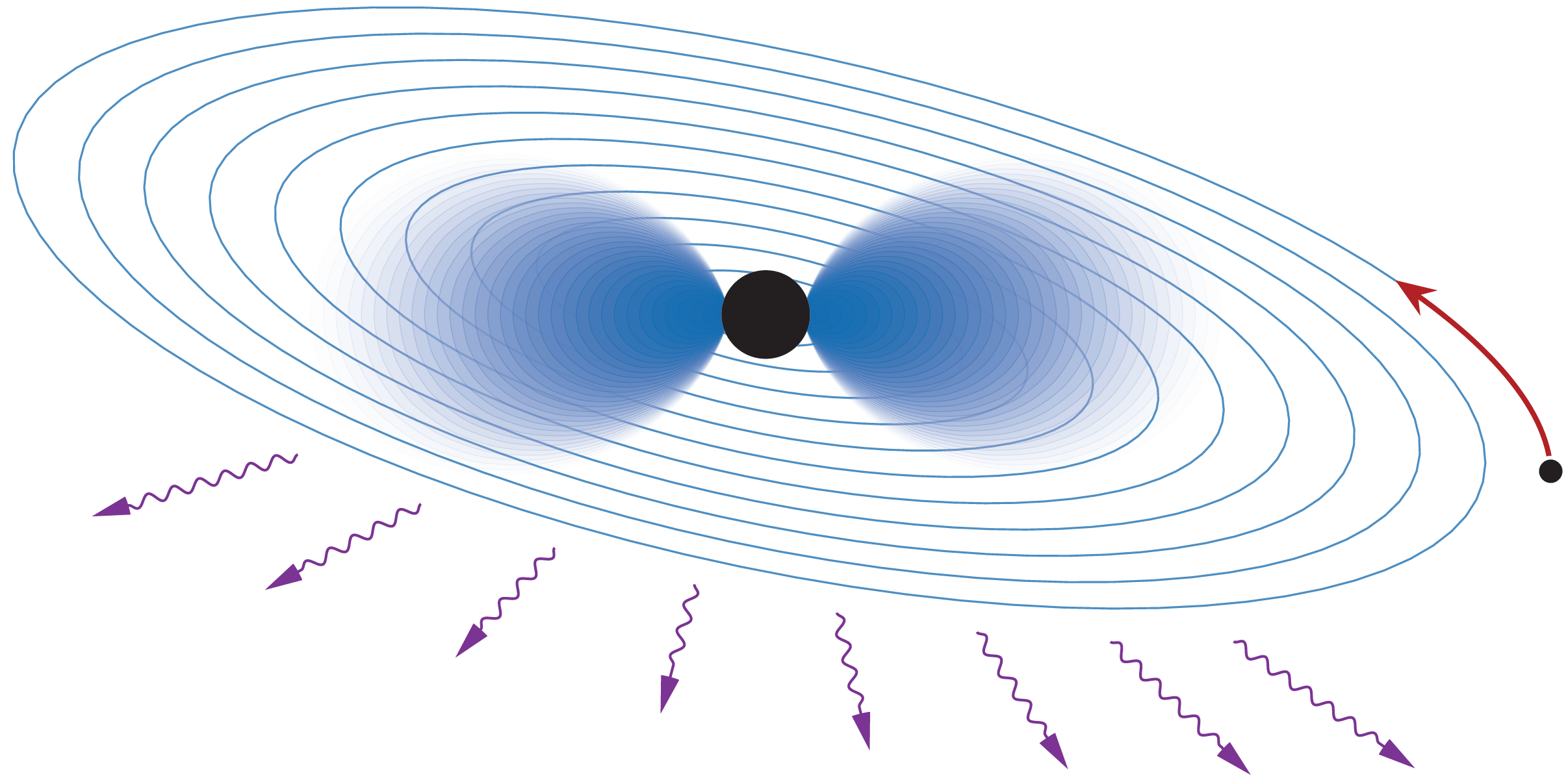
Detecting new particles around black holes with gravitational waves
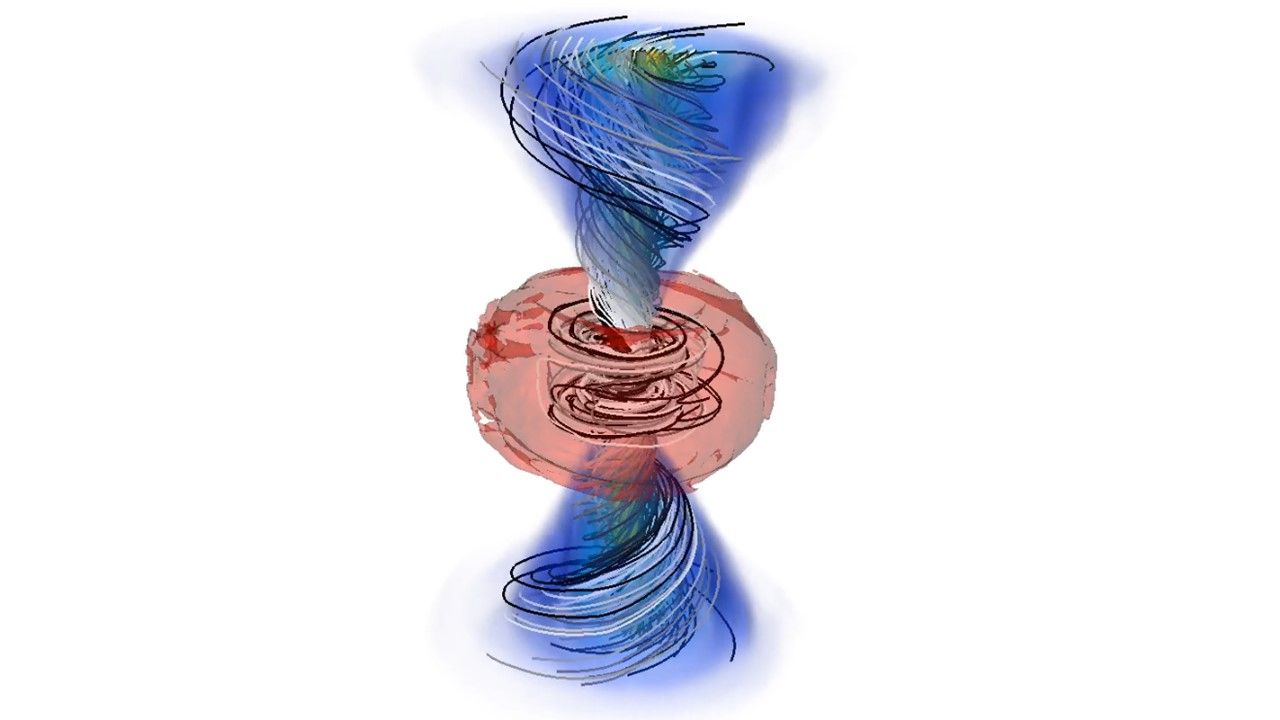
Clouds of ultralight particles can form around rotating black holes. A team of physicists from the University of Amsterdam and Harvard University now show that these clouds would leave a characteristic imprint on the gra...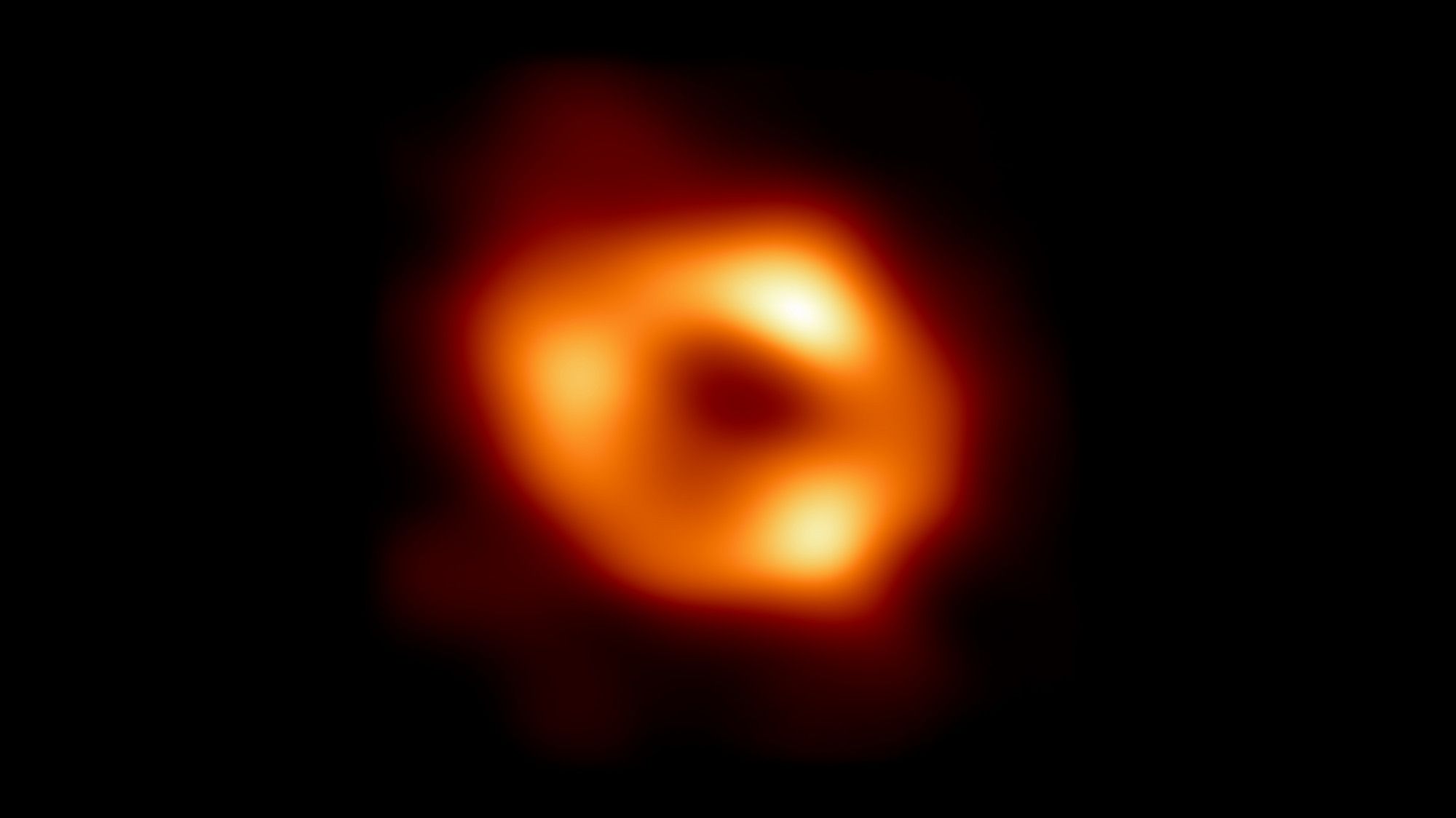
Astronomers reveal first image of the black hole at the heart of our galaxy
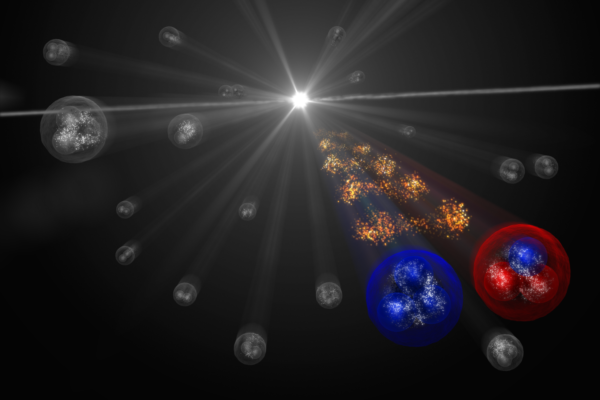
Astronomers have unveiled the first image of the supermassive black hole at the centre of our own Milky Way galaxy. Among the team are several UvA scientists. This result provides overwhelming evidence that the object is...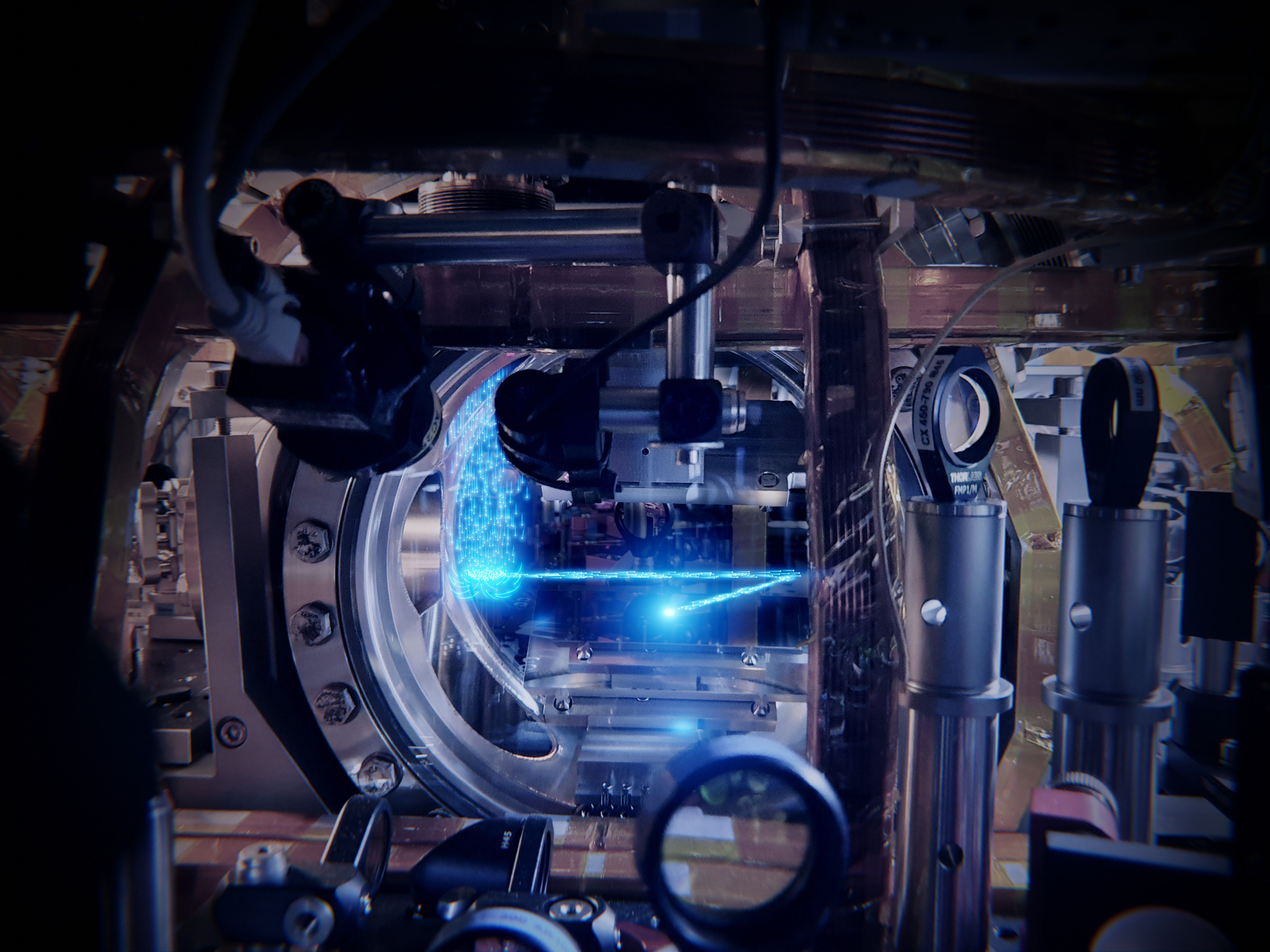
Eternal matter waves
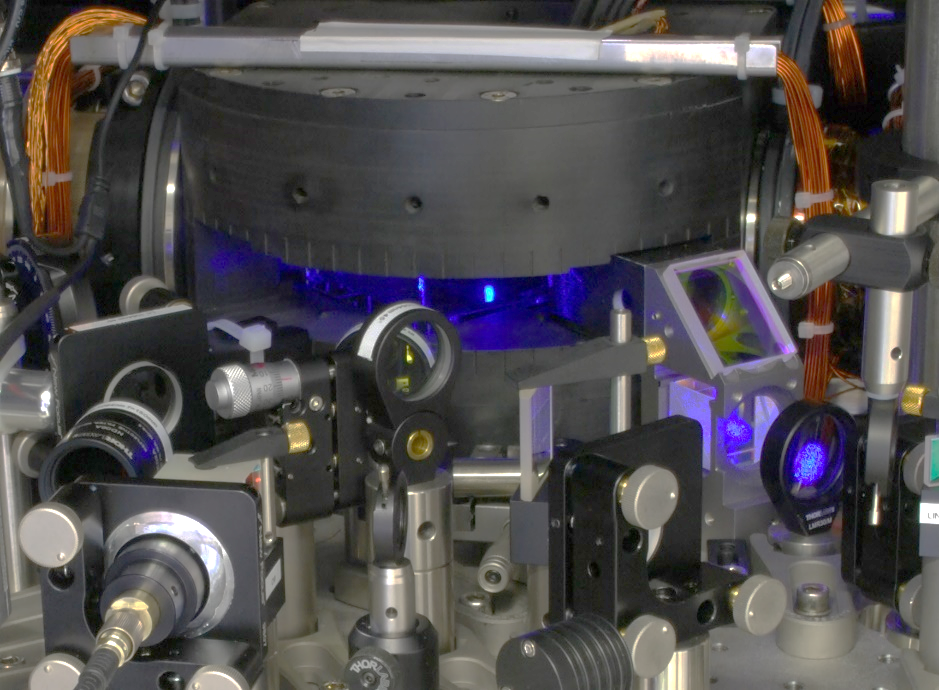
Imagining our everyday life without lasers is difficult. We use lasers in printers, CD players, pointers, measuring devices, and so on. What makes lasers so special is that they use coherent waves of light: all the light...


Fundings PURE
Grants and fundings for projects within the multidisciplinary research theme Pure.

Highlights HEALTH
The multidisciplinary research theme Health compromises research areas such as neurobiology, advanced microscopy and medical AI applications.

Transfer dynamics of resistance genes in multi-resistant bacteria
Resistance to antibiotics is a growing problem for veterinary and human healthcare. Trying to tackle a part of this problem, microbiologists from the Swammerdam Institute for Life Sciences at the UvA are trying to unders...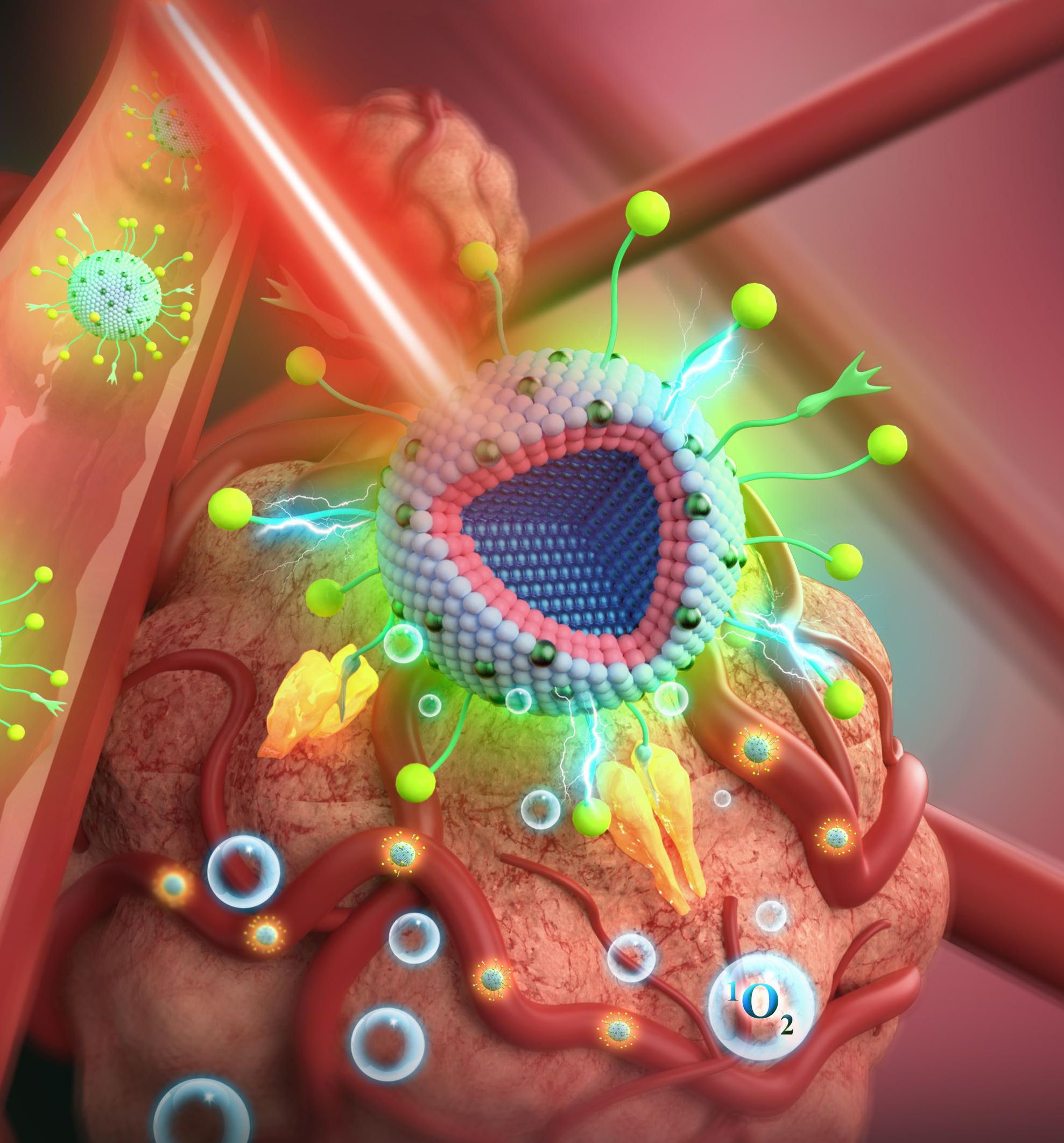
Novel nanoparticles with potential for enhanced deep tumour therapy
Researchers Dr Yansong Feng and Prof. Hong Zhang at the Van 't Hoff Institute for Molecular Sciences at the University of Amsterdam (UvA) have designed and synthesized novel multi-layered, multi-functional nanoparticles ...
Fundings HEALTH
Grants and fundings for projects within the multidisciplinary research theme Health.



Individual accomplishments

Our research institutes
Institute for Biodiversity and Ecosystem Dynamics

Informatics Institute
Institute of Physics
Korteweg-de Vries Institute for Mathematics
Swammerdam Institute for Life Sciences
Swammerdam Institute for Life Sciences is a multidisciplinary research institute with a systems biology approach to the life sciences and is situated in Amsterdam.
Van 't Hoff Institute for Molecular Sciences
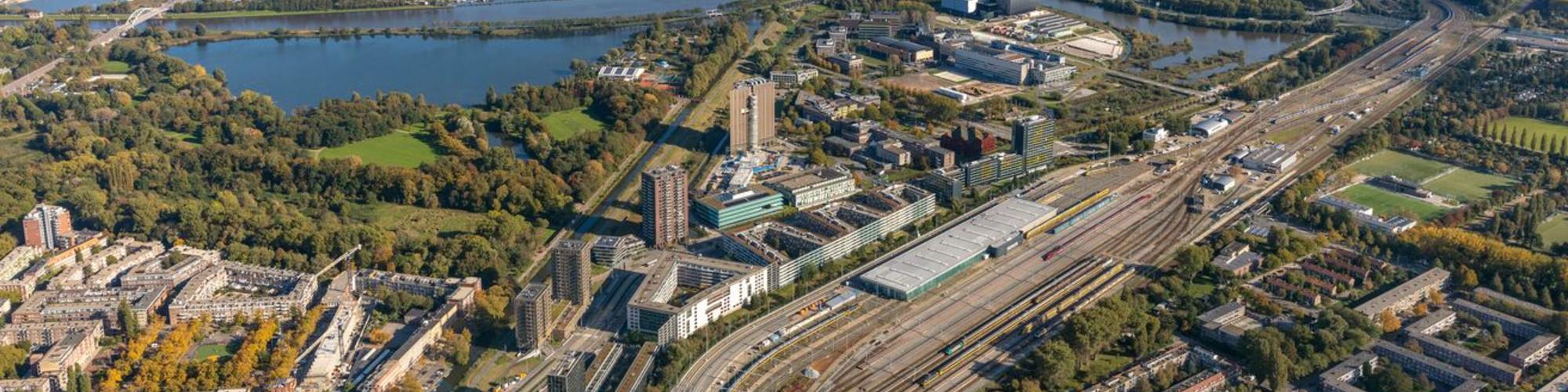
Institute for Logic, Language and Computation
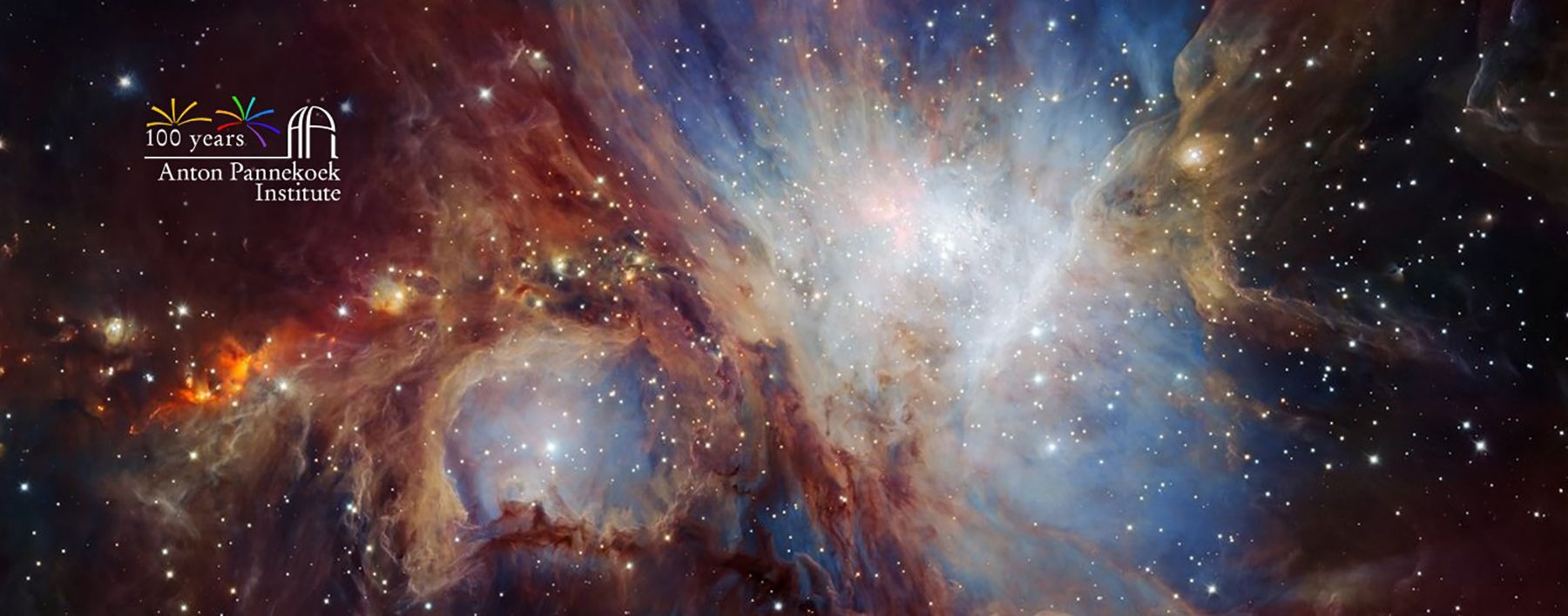
Anton Pannekoek Institute for Astronomy