
Annual review 2023
Research at the Faculty of Science (University of Amsterdam)
Every year I am faced with the challenge to introduce the annual review and mention a few accomplishments. Is it president Macron and King Willem-Alexander visiting us, to discuss the future of quantum technologies in Europe? Is it our participation in new infrastructure roadmap projects, such as the Extremely Large Telescope, or the Digital Twinning of ecosystems? Perhaps the ERC Synergy Grants on particle physics and cosmology, or on combatting brain cancer? Clearly, I cannot do justice to all this year’s achievements. What I can do is wholeheartedly thank everyone for their contribution to research, teaching and support. Now read all about it…
Please note that our achievements in education that took place up to the summer of 2023 can be read in our Annual Review Education 2022-2023.
Peter van Tienderen,
Dean of the Faculty of Science
King Willem-Alexander and President Macron are given a quantum tour
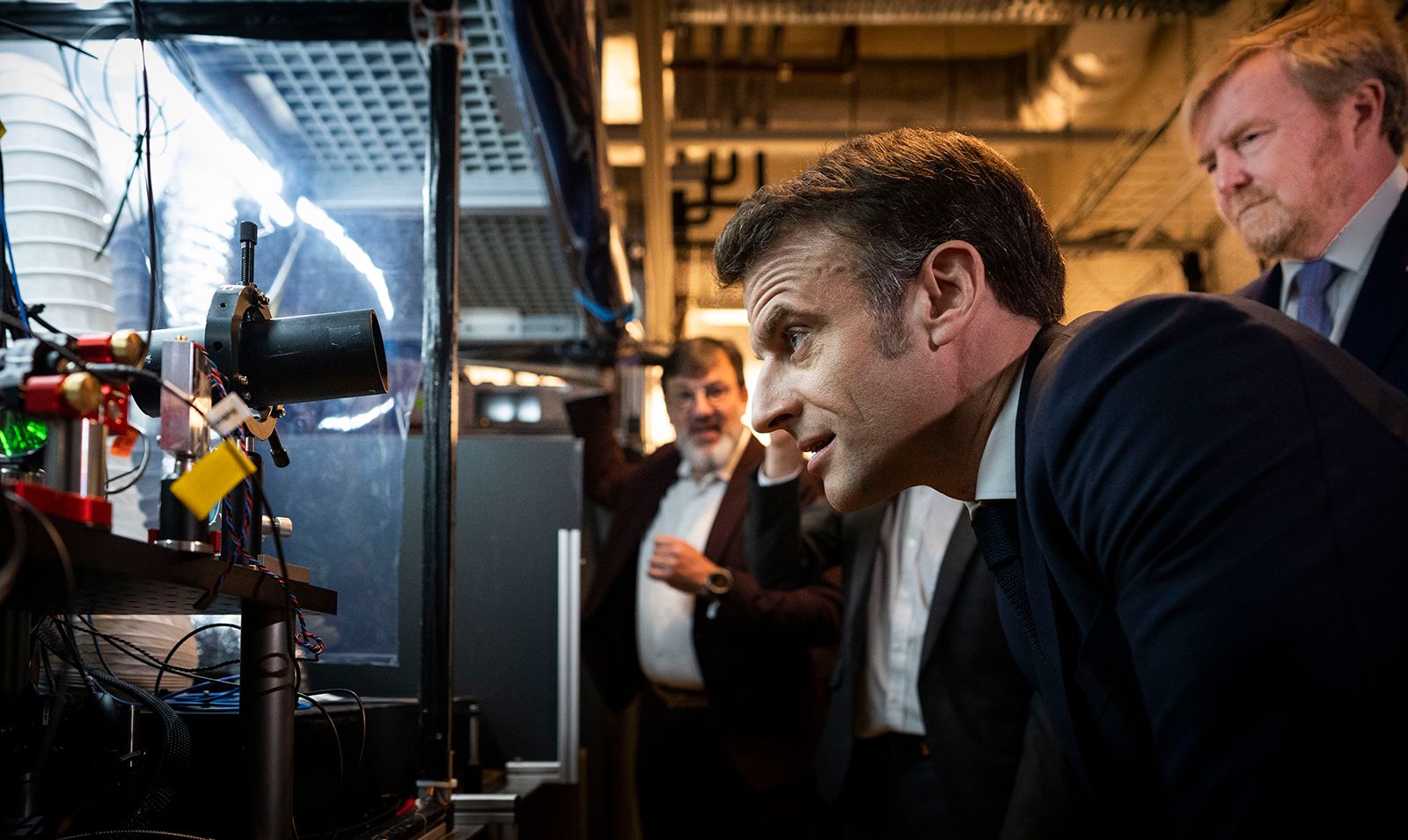
On 12 April 2023 His Majesty the King Willem-Alexander and the French president Macron honoured the UvA's Faculty of Science with a visit. Prof. Florian Schreck and Prof. Philippe Bouyer showed the King and the President around the Quantum Gases & Quantum Information Lab and talked about the promising possibilities of quantum technology.
Science & Society
At the Faculty of Science we participate in research activities that are geared towards the development of applications for the benefit of society at large; activities that are often conducted in large national and international collaborations, and funded through research consortia and public-private partnerships.
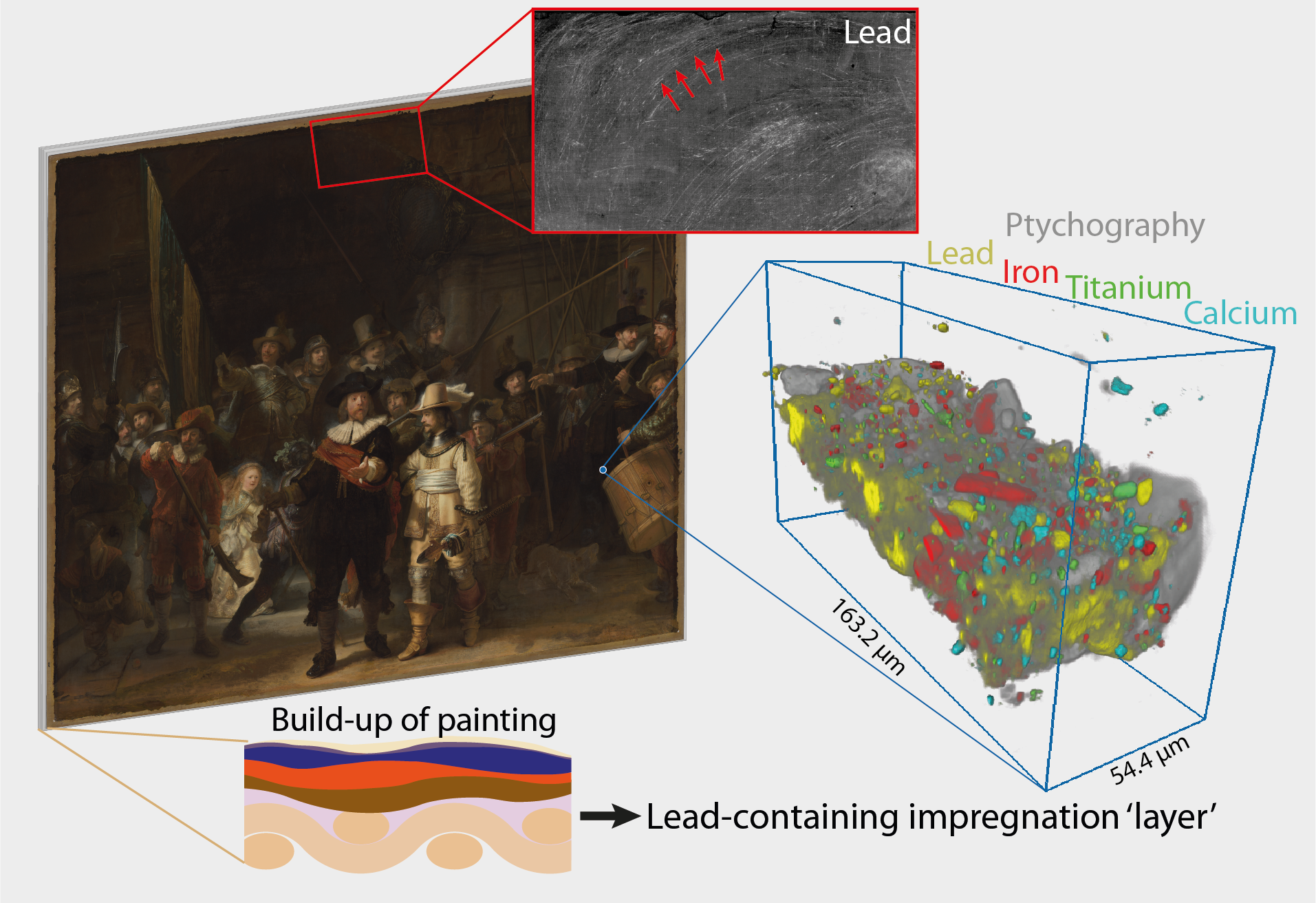
Rembrandt broke new ground with lead-based impregnation of canvas for The Night Watch

Social robots in math education & a digital tool for children to learn sign language

Fighting crime with the help of AI & fighting drug crime by detecting hidden chemical information

Amplifying the value of quantum technologies for end-users across various sectors
Educating the public: an exhibition, performances and two books
Harm Krugers and Sylvie Lesuis receive grants for researching Alzheimer's Disease
Consumers favour bio-based alternatives over traditional fossil-based plastic bottles
Figures on research
8 research institutes
140 million revenue
2,192 (co-authored) publications with 60% online attention
120 PhD ceremonies
1,130 academics
619 PhD's 99 full professors
59% international researchers
33% female academics
Highlights GREEN
The multidisciplinary research theme Green compromises all our research on sustainability, ranging from zero waste and the development of new materials to future-proof agricultural crops and human impact on nature.
Fundings GREEN
Grants and fundings for projects within the multidisciplinary research theme Green.
Highlights SMART
The multidisciplinary research theme Smart compromises research areas such as information technology, computational science and quantum computing.

Automatically clean up data sets to prevent ‘garbage in, garbage out’
Work of UvA’s assistant professor Sebastian Schelter now powers some of Amazon’s data quality services in the most used cloud service in the world.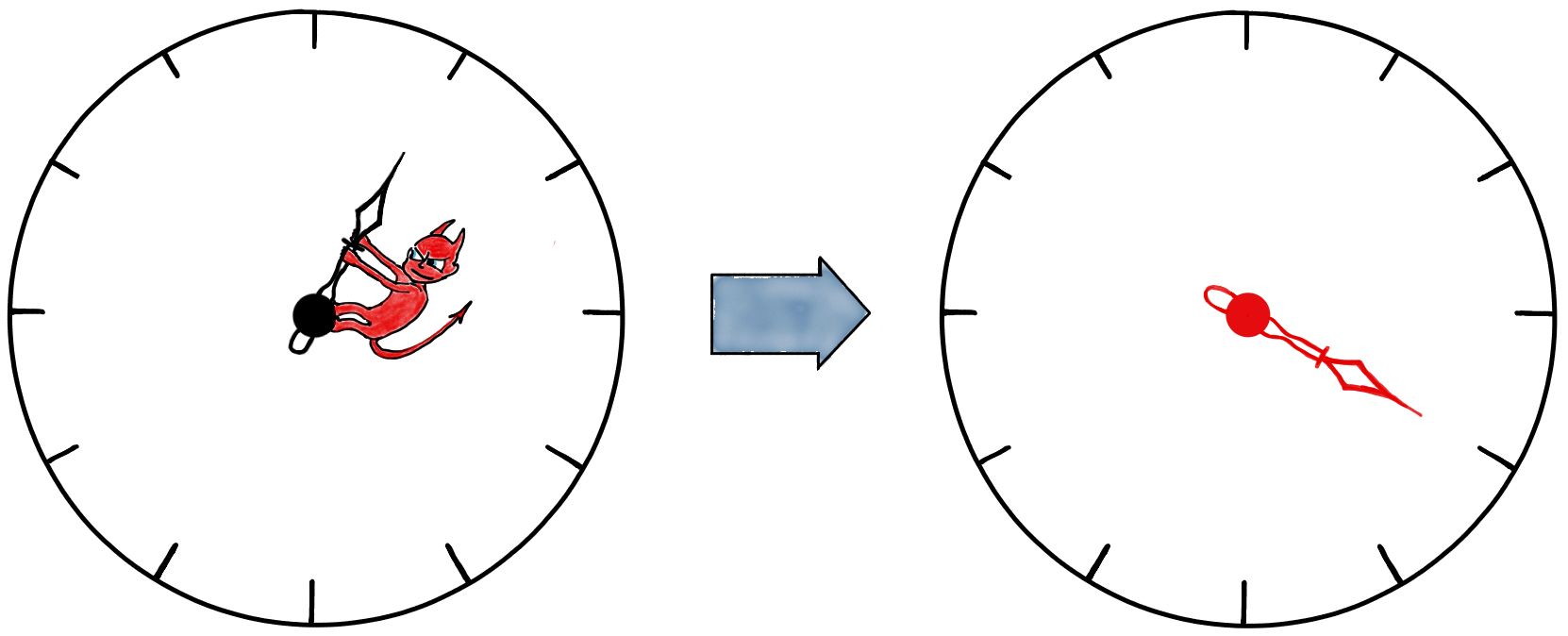
How to overcome noise in quantum computations
Researchers Ludovico Lami (QuSoft and IoP, University of Amsterdam) and Mark M. Wilde (Cornell) have made significant progress in quantum computing by deriving a formula that predicts the effects of environmental noise. ...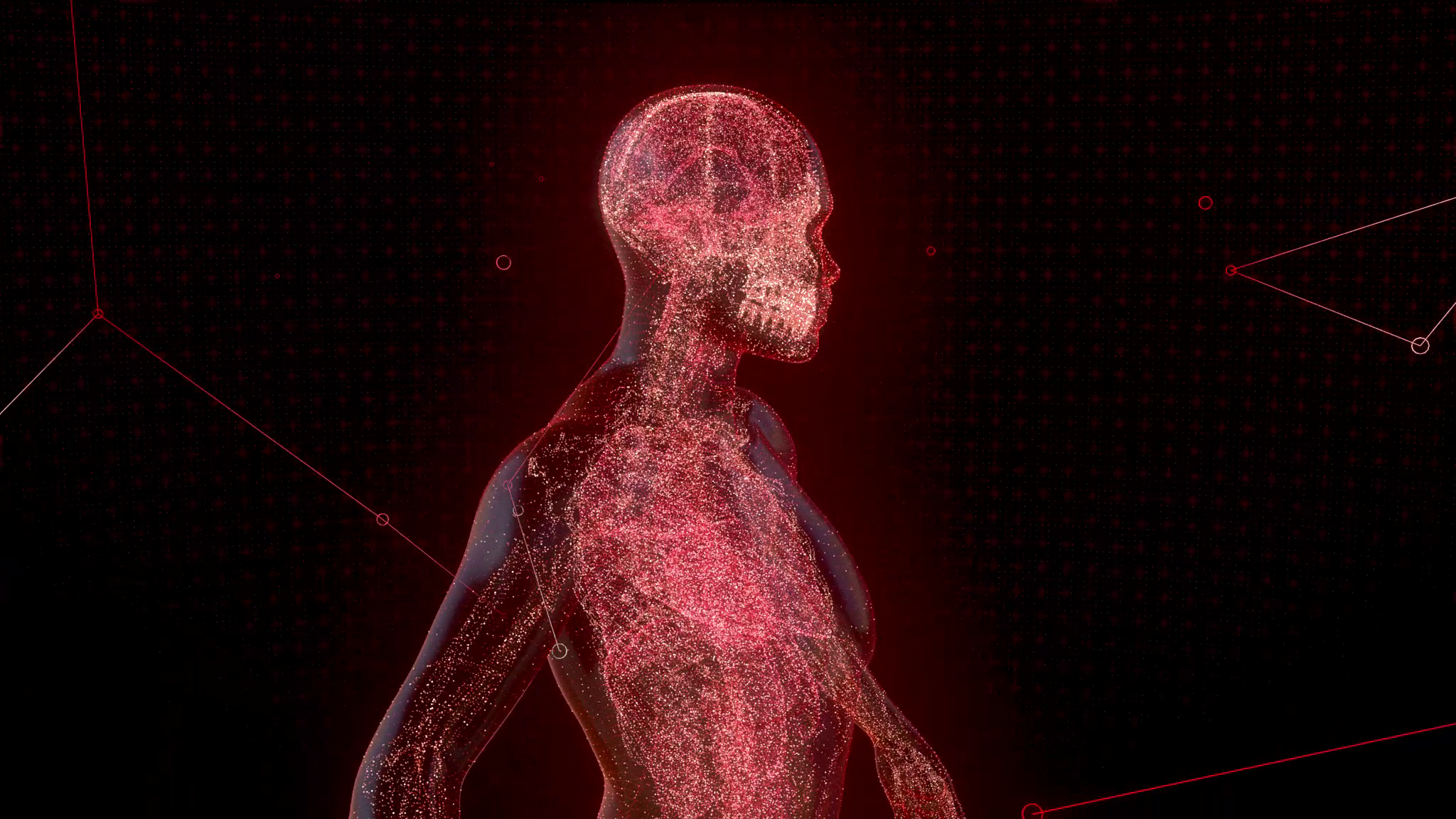
Accelerating medicine development with supercomputer simulations
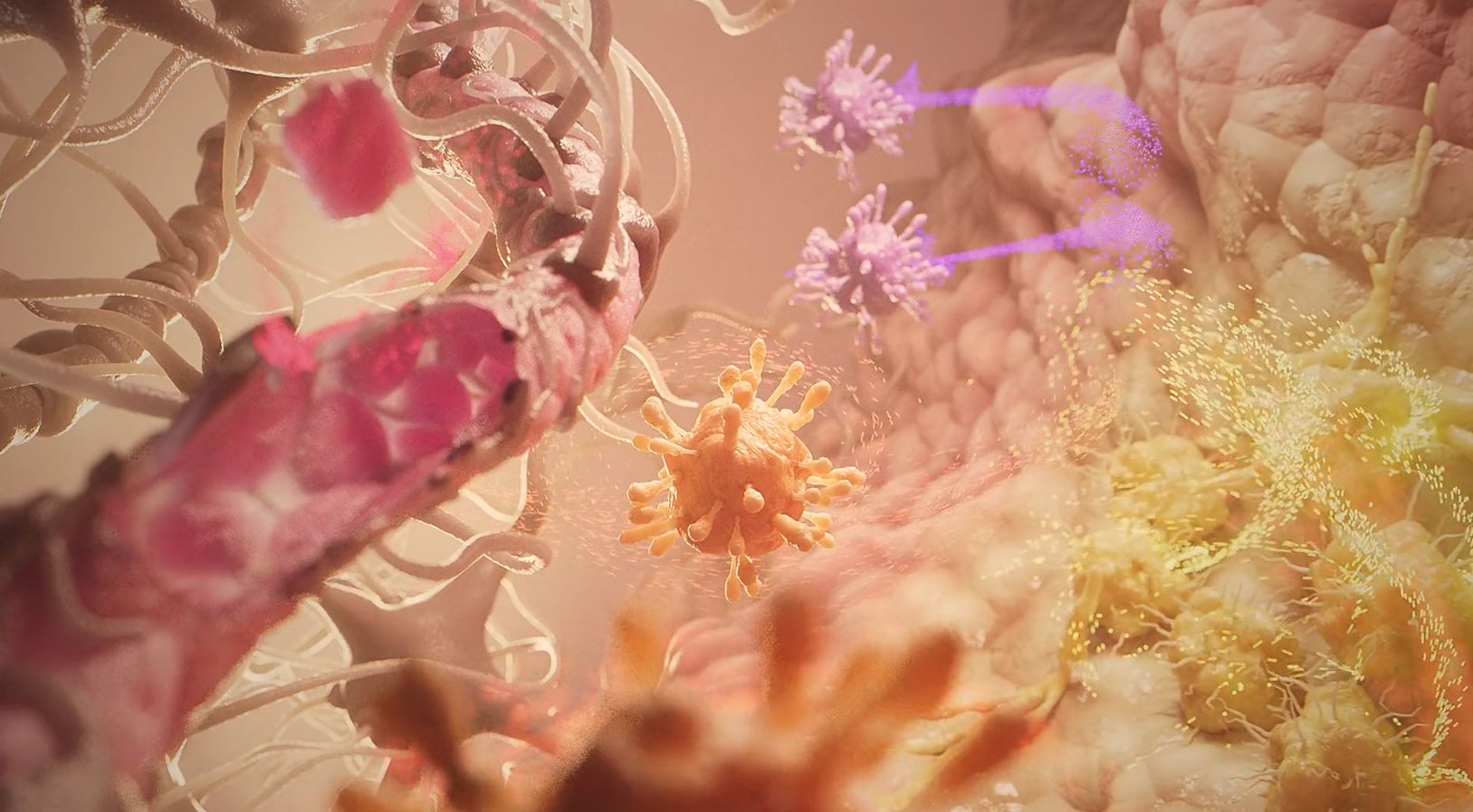
'The pandemic movie' tells the story of how scientists use a supercomputer to simulate how the human body responds to a virus. UvA researcher Gábor Závodszky simulated the behavior of blood cells for the movie.
How do you humanise talking machines (but without the bad parts)?
This year, AI systems that can write almost human-like texts have made a breakthrough worldwide. However, many academic questions on how exactly these systems work remain unanswered. Three UvA researchers are trying to m...
Fundings SMART
Grants and fundings for projects within the multidisciplinary research theme Smart.

Highlights PURE
The multidisciplinary research theme Pure compromises fundamental research areas such as experimental physics, particle physics, mathematical lines of research, high-energy astrophysics an the Origins of Life programme.
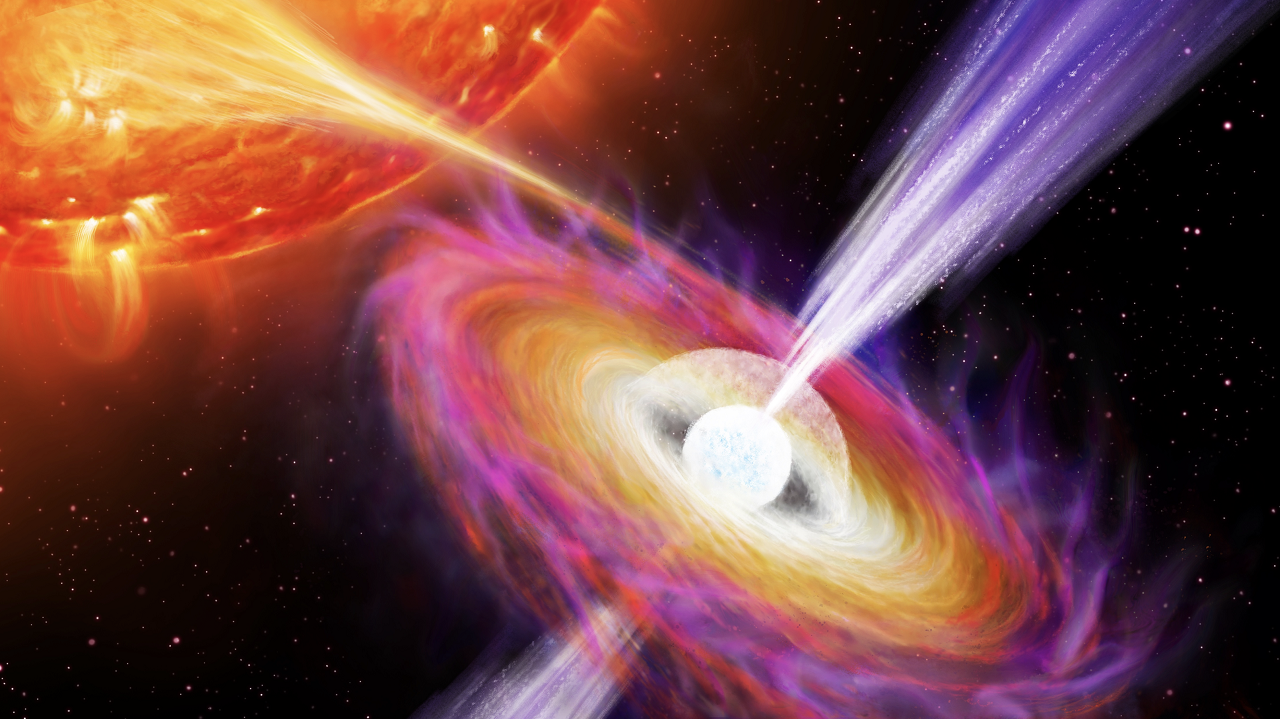
Cosmic fireworks from a neutron star shed light on an old black hole mystery
An international science team including UvA/API researcher Nathalie Degenaar found a neutron star that captures matter from a companion star through a violent and unstable process that was previously observed only in ext...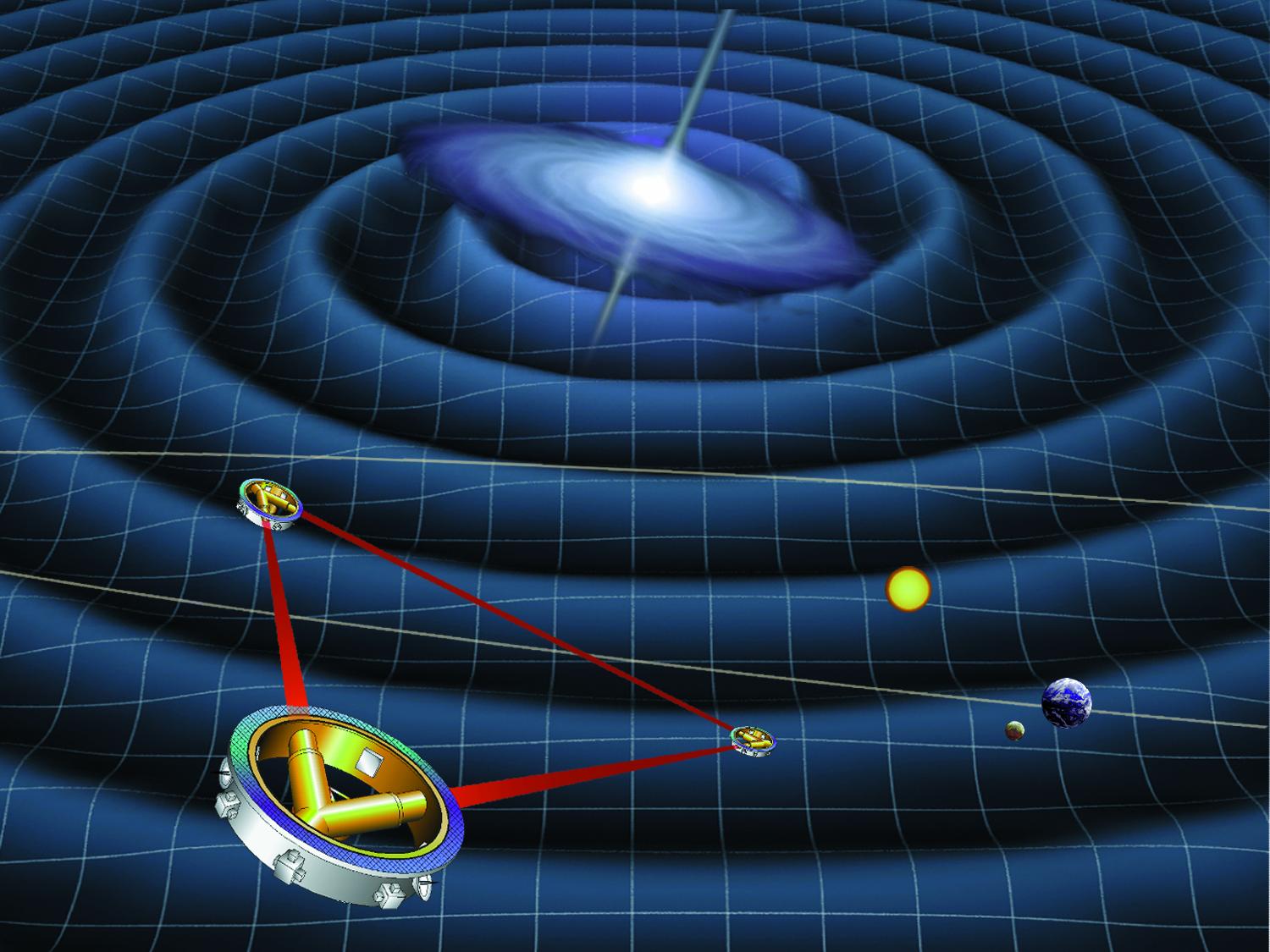
Disks, spikes and clouds
The detection of gravitational waves produced by the merger of black holes is teaching us a lot about the properties of these extreme objects. A team of researchers in the group of Gianfranco Bertone at the University of...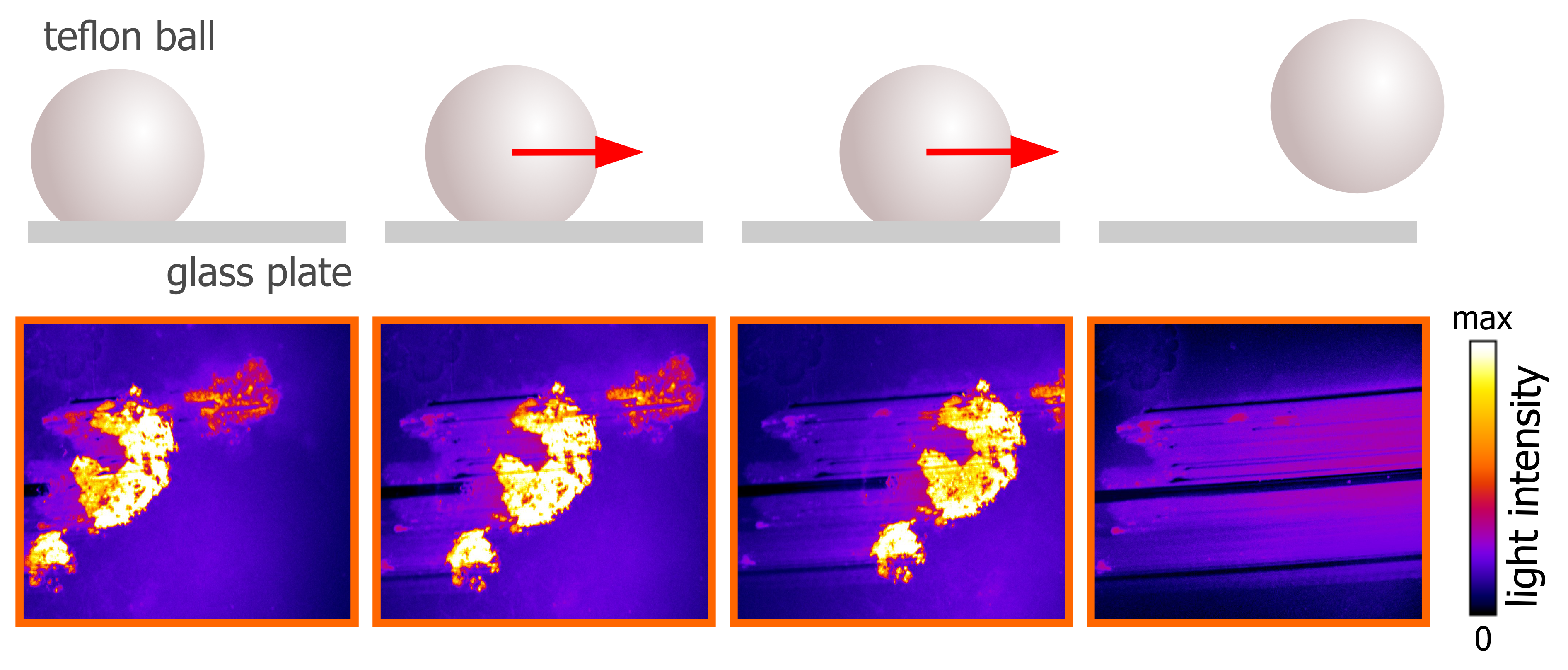
Teflon is so slippery because it slides on itself
The surface of Teflon – the non-stick coating in your pan – is incredibly slippery. Thanks to research carried out at the Institute of Physics (UvA) and research centre ARCNL, we finally know where this slipperiness come...
Fundings PURE
Grants and fundings for projects within the multidisciplinary research theme Pure.
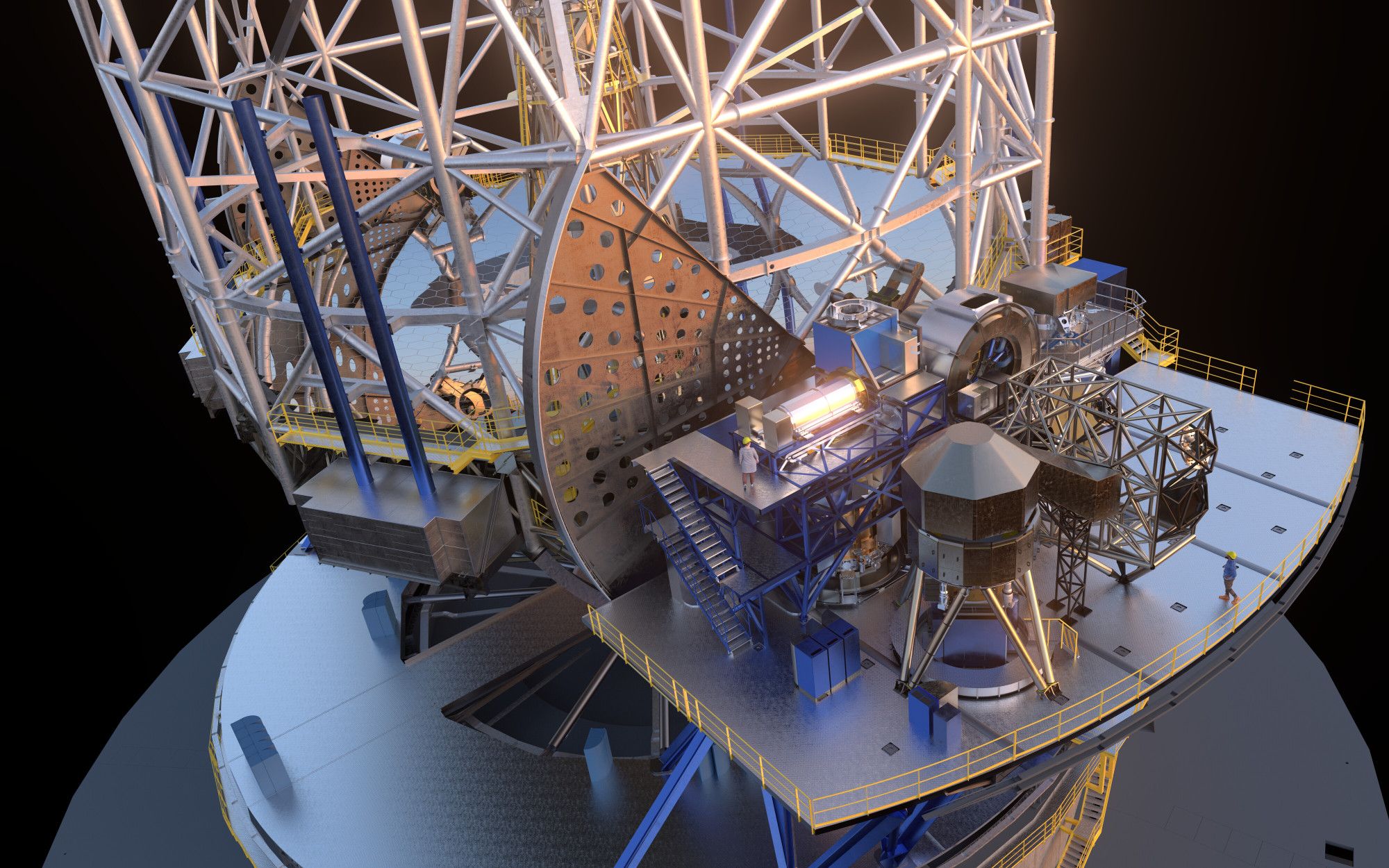
Large investment for development and construction of astronomical instruments for Extremely Large Telescope
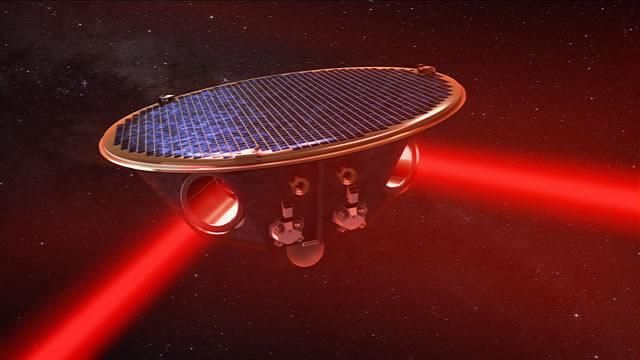
Road Map grant enables Dutch participation in LISA mission of ESA and NASA
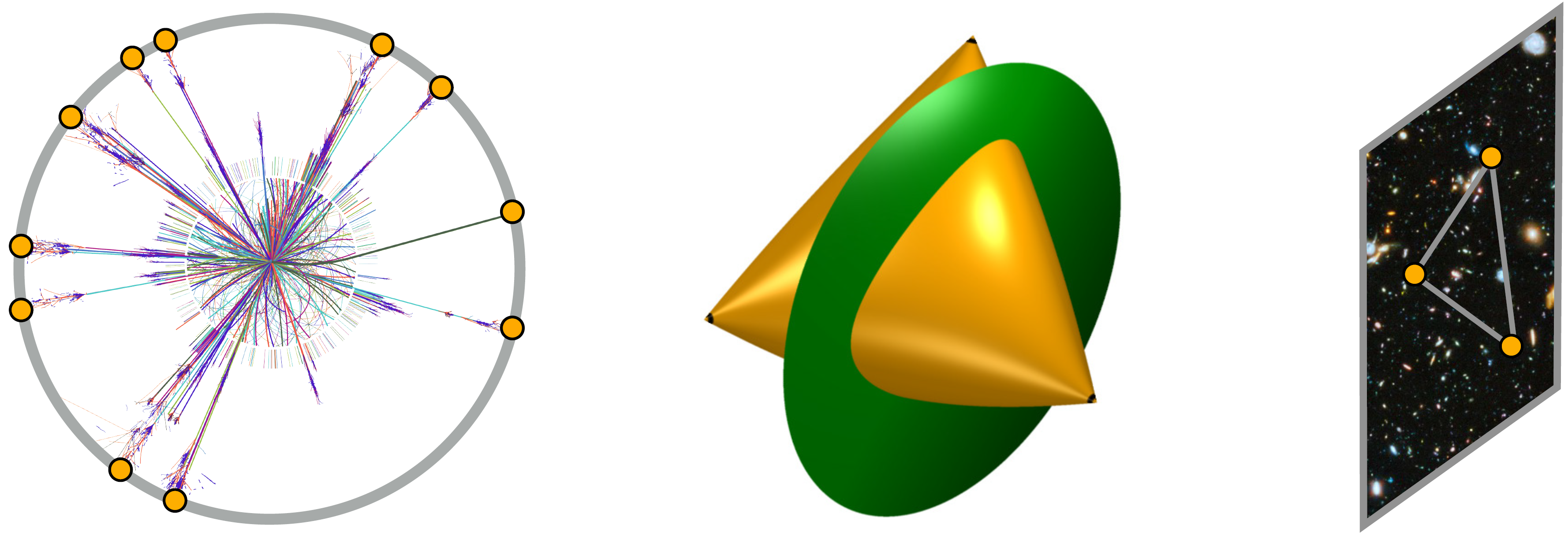
ERC Synergy grant for project UNIVERSE+: geometry in particle physics and cosmology
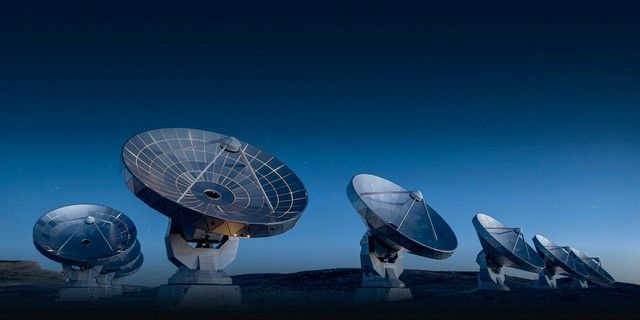
NWO grant for telescope that can film black holes in colour
Highlights HEALTH
The multidisciplinary research theme Health compromises research areas such as neurobiology, advanced microscopy and medical AI applications.
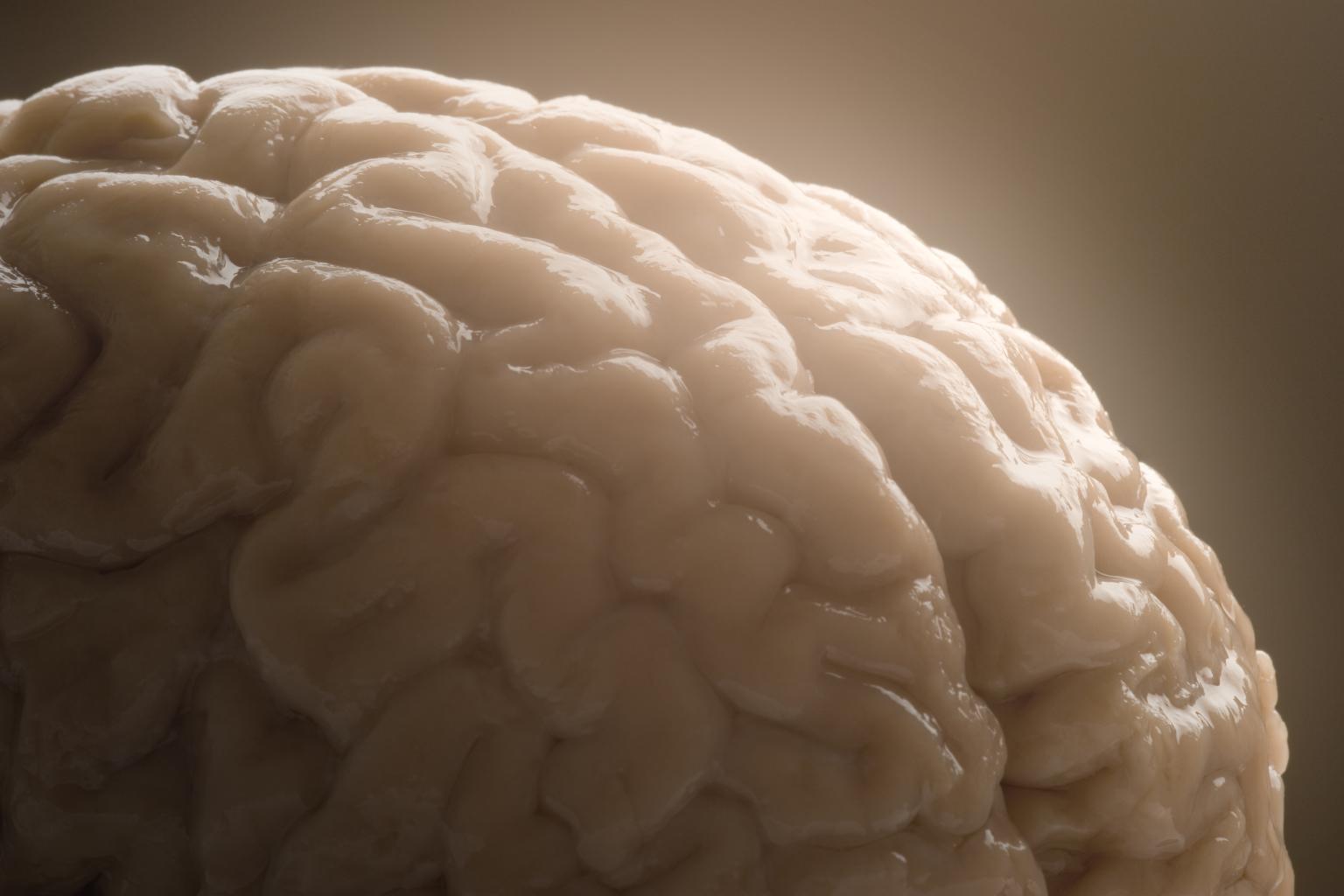
Suicide and the human brain
What changes in the brains of people who commit or think about committing suicide? PhD candidate Lin Zhang investigated at a molecular level the processes that take place in the human brain during suicide. The hope is th...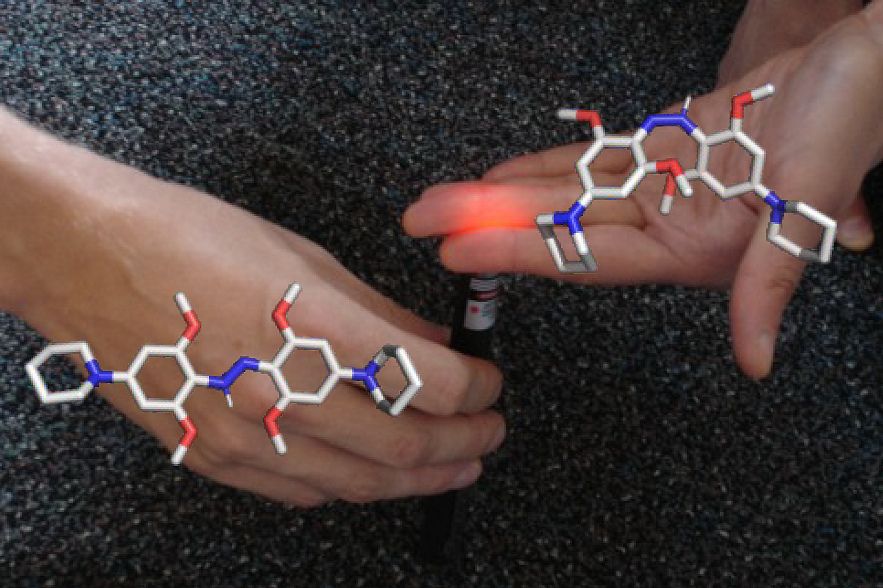
Gearing up towards light-switchable drugs
Molecules that change shape under the influence of light can be used as switches in biomedical applications, for instance to inhibit an enzyme. An international team of researchers, including chemists at the Universities...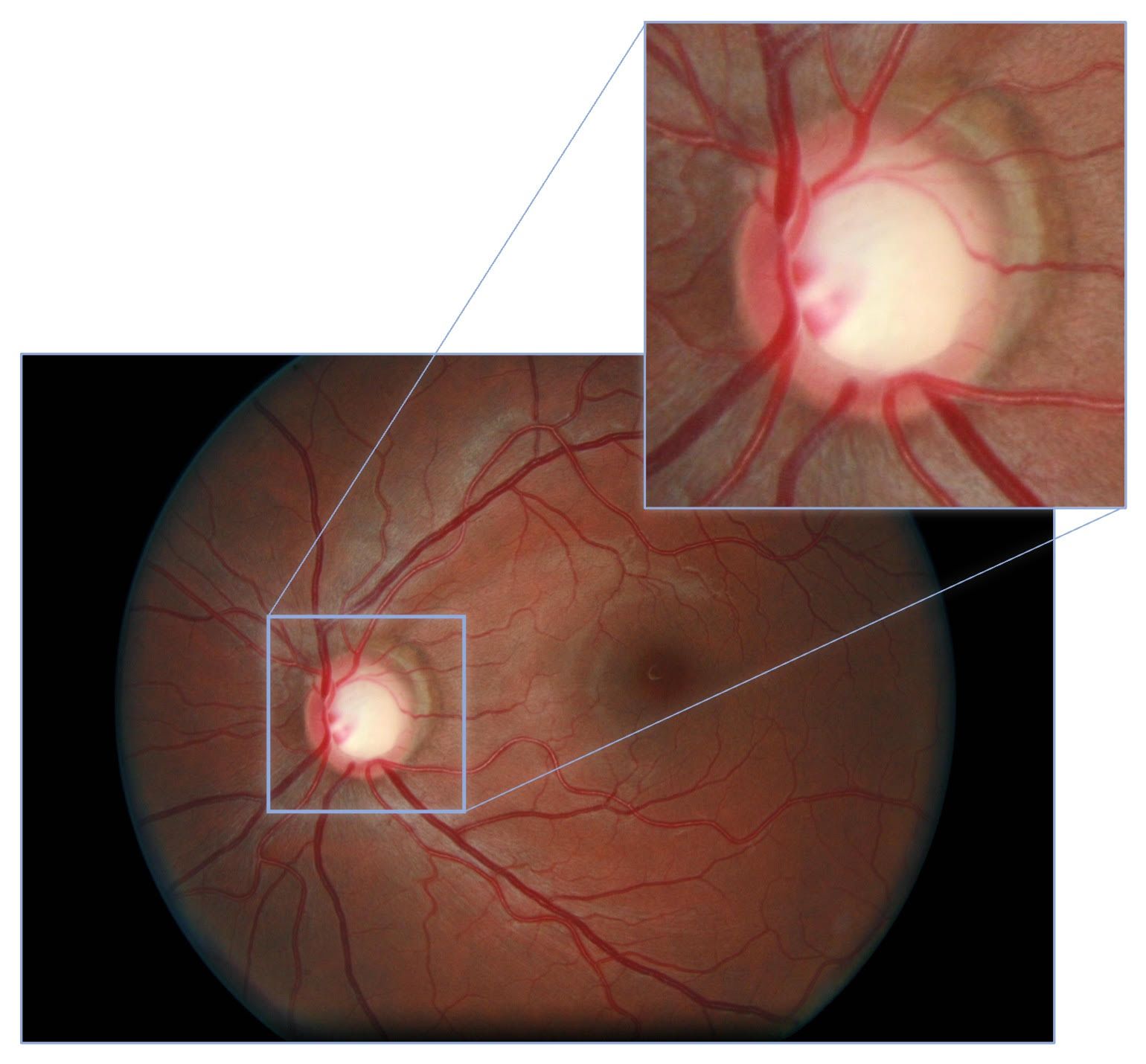
When will robust AI-supported medical imaging finally become a reality?
A team of UvA-researchers organised a glaucoma screening challenge for AI-systems to address the limitations of AI in disease detection.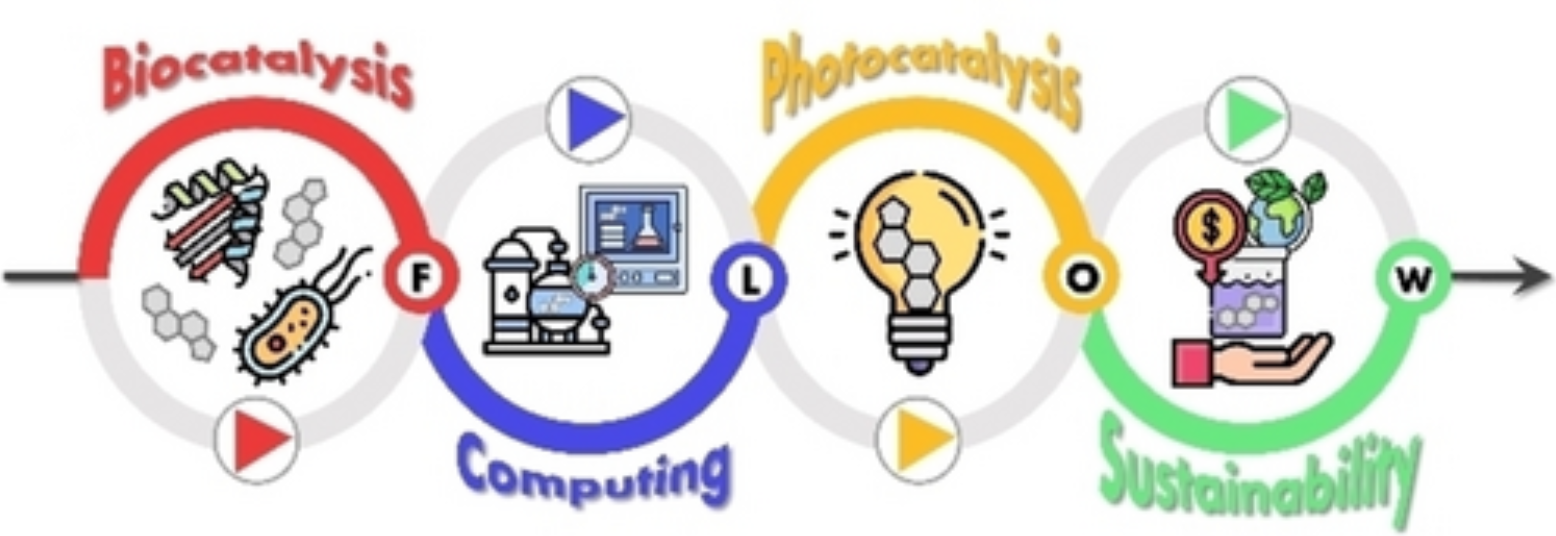
Improving steroid synthesis by merging continuous flow technology, photochemistry and biocatalysis
Researchers at the Biocatalysis research group have co-authored a paper in Advanced Synthesis & Catalysis describing methods to enable more efficient synthesis of structurally diverse steroids. In a joint effort with Bru...
Fundings HEALTH
Grants and fundings for projects within the multidisciplinary research theme Health.
Individual accomplishments

Appointments
Our research institutes
Institute for Biodiversity and Ecosystem Dynamics
Informatics Institute
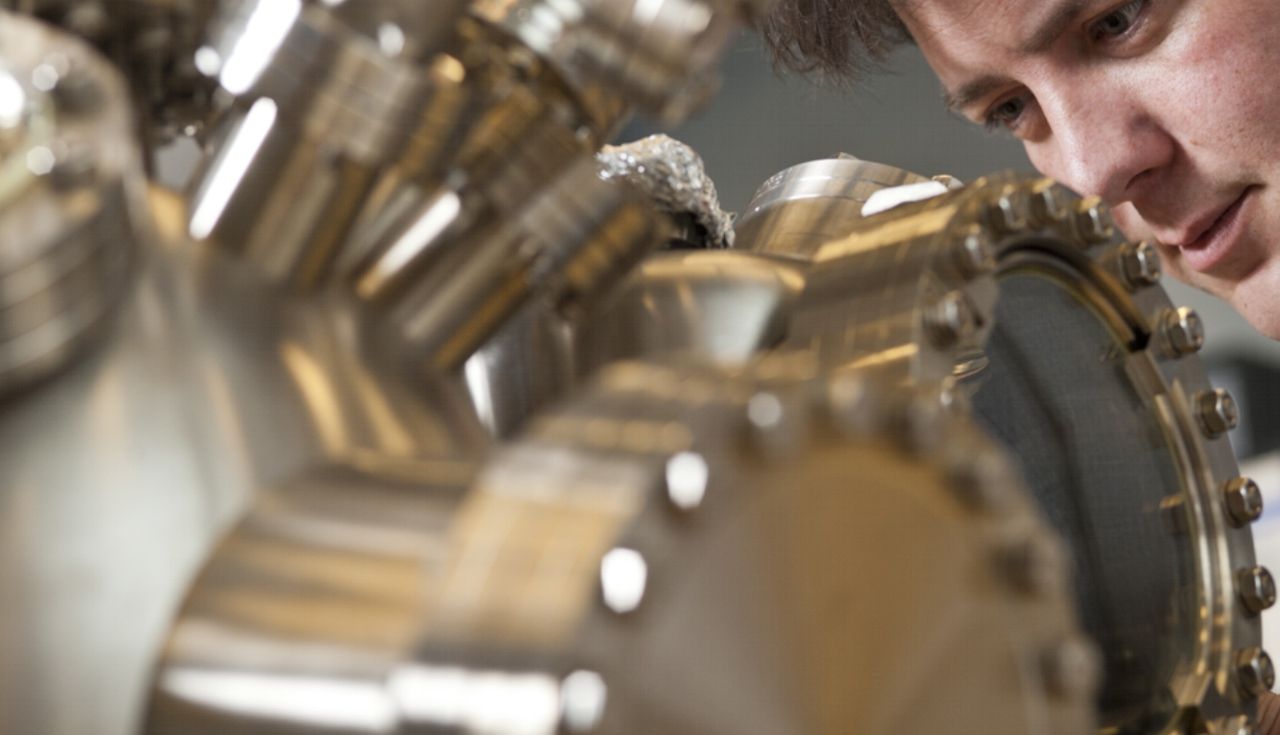
Institute of Physics
Korteweg-de Vries Institute for Mathematics
Swammerdam Institute for Life Sciences
Swammerdam Institute for Life Sciences is a multidisciplinary research institute with a systems biology approach to the life sciences and is situated in Amsterdam.
Van 't Hoff Institute for Molecular Sciences
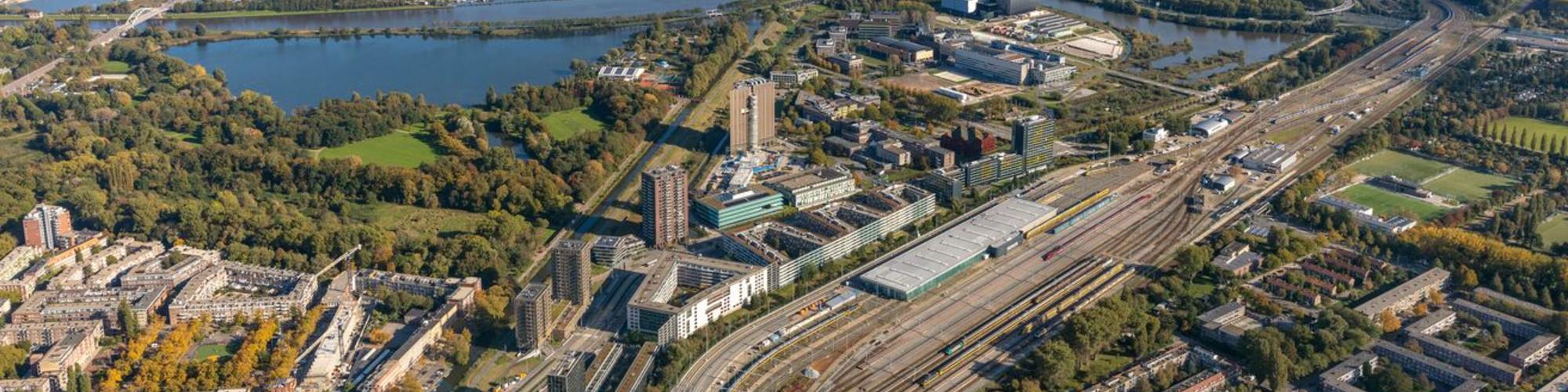
Institute for Logic, Language and Computation
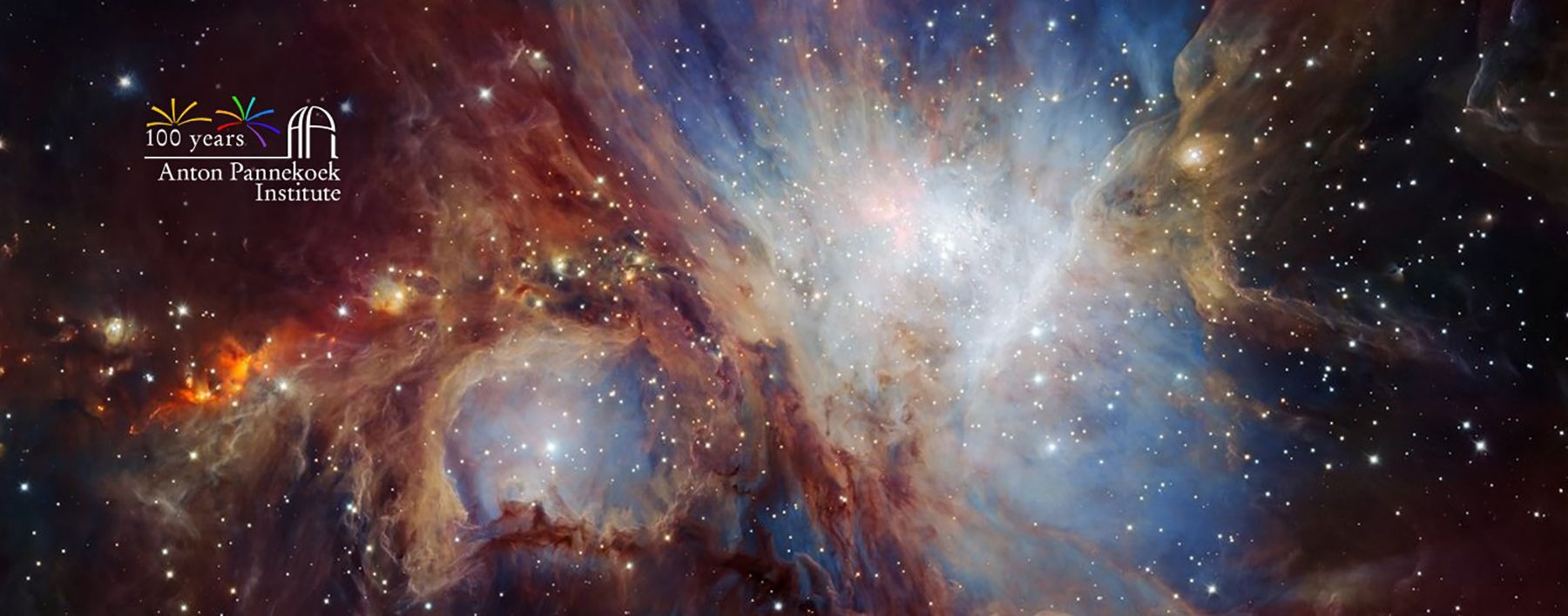
Anton Pannekoek Institute for Astronomy