
Global power
The global order is shifting at an unprecedented pace. UvA research explores how political, economic, technological and defence developments are reshaping the balance of power in today’s world.



What do you know about power and political leaders?
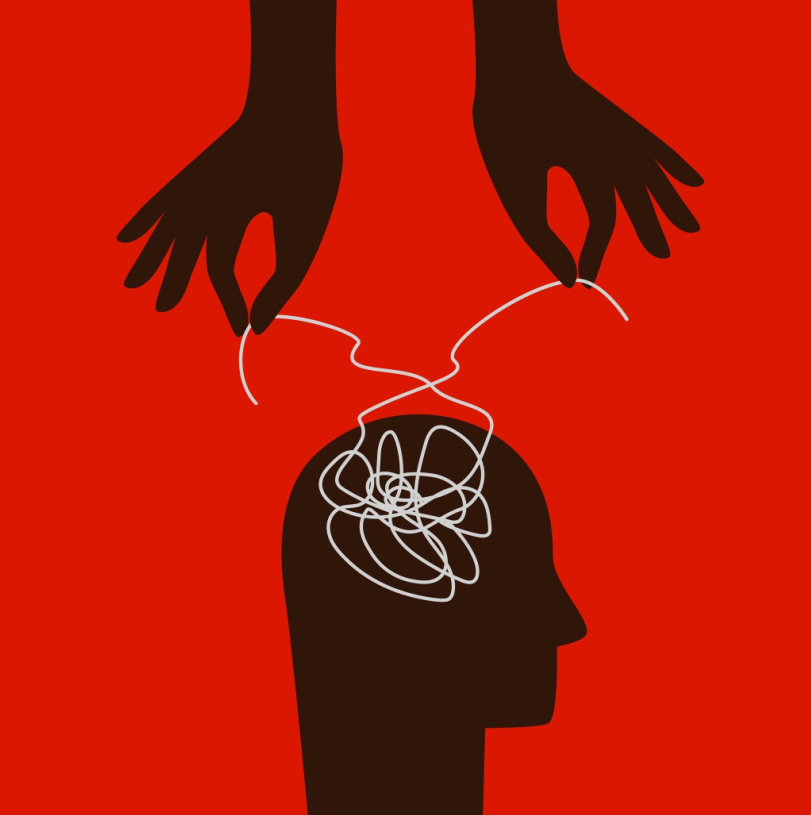
How can a perceived sense of threat influence support for rule-breaking leaders?
When people feel threatened, their moral boundaries may shift, and rule-breaking leaders can become more appealing because they appear to offer protection and stability.
How do certain political leaders use disinformation to achieve their goals?
Some radical-right populist leaders deliberately use disinformation as a political strategy to amplify cultural grievances and gain electoral advantages, potentially undermining democratic institutions.
How can politicians’ “dark” personality traits contribute to political polarisation?
Traits such as Machiavellianism, narcissism, or psychopathy can increase hostility between supporters of different political parties, intensifying affective polarisation.
Why do some voters find leaders attractive who break the rules?
They may use disinformation to mobilize supporters, shape public narratives, and weaken trust in democratic systems in ways that benefit their political objectives.
Study global power dynamics and conflicts at the UvA
- Master's
Conflict Resolution and Governance
- Master's

Political Science
- Master's

International Criminal Law
- Bachelor's

Politics, Psychology, Law and Economics (PPLE)
- Master's

Forensic Science