Human-centred AI
Artificial intelligence (AI) is becoming more capable every day. But how can we make the best use of it? And what should we avoid using AI for? Researchers at the University of Amsterdam are exploring both the possibilities and limits of artificial intelligence.

Can you spot a deepfake video? Here’s what to look out for:
1. Micro-expressions
Watch closely for micro-expressions. Sometimes, facial creases or wrinkles don’t move naturally when someone smiles or frowns.
2. Lighting
The lighting often doesn’t match reality. Pay particular attention to shadows, they’re frequently off.
3. Accessories
Check the small details, like jewellery. You might notice, for example, someone wearing an earring on one side but not the other.
4. Unnatural visuals
Look for inconsistencies like mismatched skin tones along the edge of the face, rarely blinking eyes, unnatural-looking hair, or a head that seems too large for the body.
5. Voice and synchronisation
It may seem real, but a deepfake voice has its imperfections. Emotion and intonation do not come through clearly. The synchronisation between mouth movements and voice is also often inaccurate.

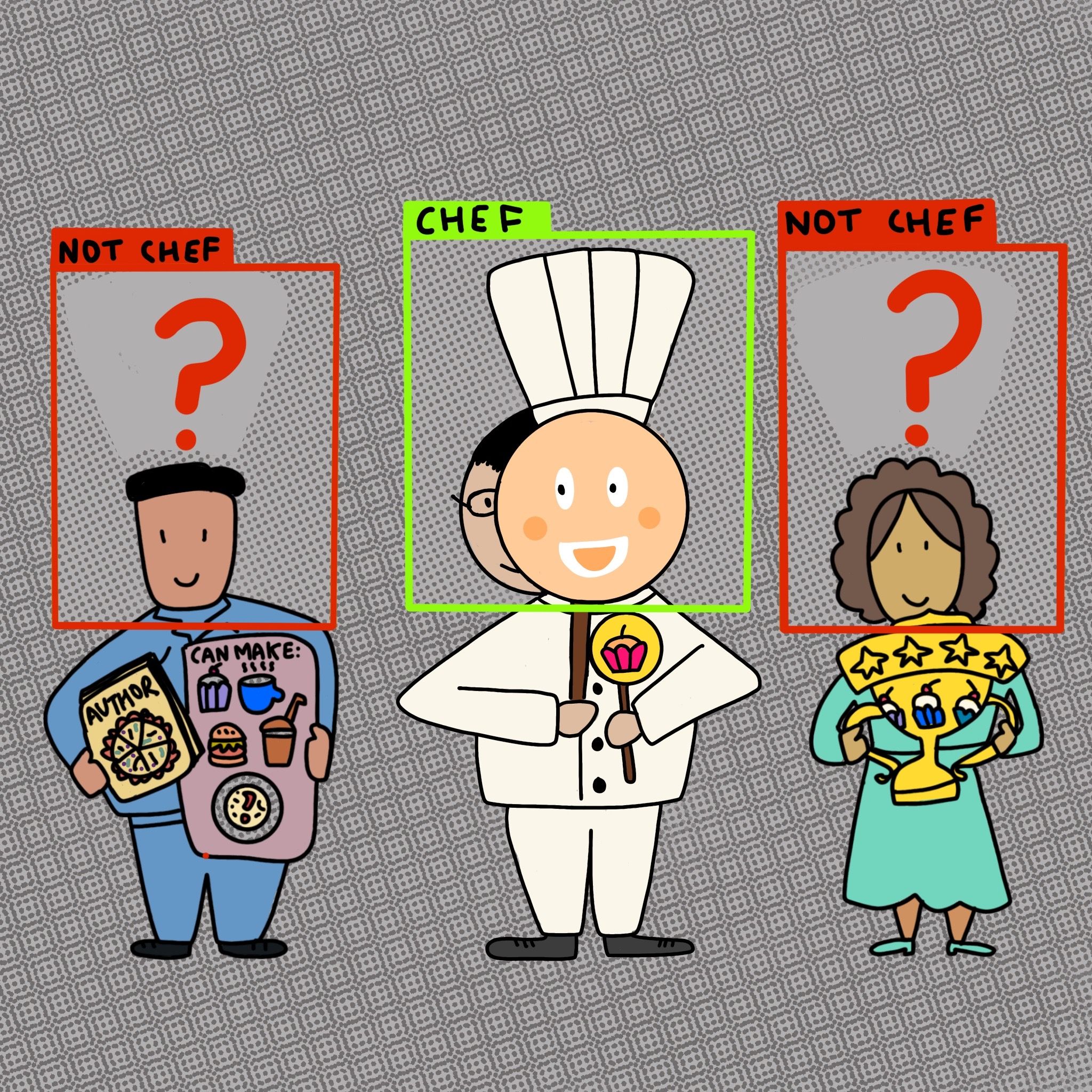
Tackling discrimination in AI hiring tools: FINDHR presents new solutions
An increasing number of companies are using AI-assisted recruiting systems to preselect candidates or rank applicants. While these tools can save time, they also carry significant risks of discrimination. The HORIZON EUR...
This is how we make AI understandable
AI creates opportunities by taking over certain tasks. But how can we ensure that AI models are understandable to humans? UvA researchers are developing a method to achieve this.
How can AI be applied in healthcare?
In the current ‘hype’ surrounding AI in healthcare, the patient is no longer the central focus, argues Hannah van Kolfschooten. Her PhD research was on the protection of patients’ rights and AI in EU healthcare.
How machines are changing our communication
We are increasingly talking not only to people, but also to machines. How does this affect the way we communicate?
Does AI make lawyers redundant?
AI in the role of judge or lawyer: it’s not an unthinkable scenario. Efforts are already underway to see whether AI can predict the outcome of court cases. How can we handle this responsibly?
How GenAI is changing our idea of creativity
From films to paintings, music and text - the use of generative AI (GenAI) is revolutionising the way we create art and culture. How is GenAI changing our understanding of creativity?
What can humans do that AI cannot?
Why GPT can't think like us
GPT may appear smart, but it doesn’t think like humans. The language model struggles to understand small changes in problems - an area in which humans excel, according to research.
An eight-year-old outsmarts AI
AI may have many capabilities, but an eight-year-old can outthink it. Studies indicate that young children are better at solving logical puzzles than language models such as GPT.
Don't ask AI for election advice
AI may sound smart, but don’t ask it who to vote for. Research from the University of Amsterdam shows that chatbots often give biased and misleading election advice.
Interested? Dive deeper with a degree at the UvA.
- Bachelor's
Artificial Intelligence
- Master's
Artificial Intelligence
- Master's

Cultural Data & AI (Media Studies)
AI Foundation Models