
Annual review 2024
Research at the Faculty of Science (University of Amsterdam)
Proud of our impact
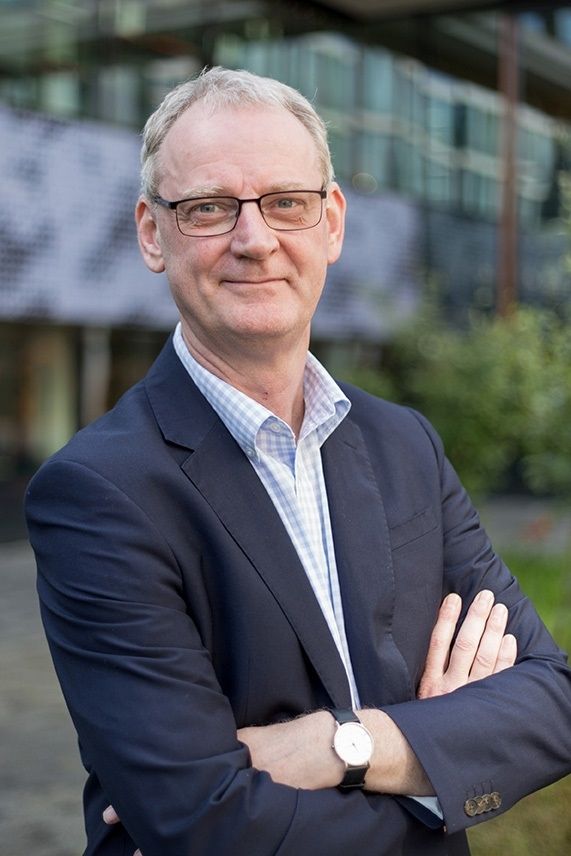
Looking back on 2024, we celebrate a year filled with remarkable achievements across the full spectrum of disciplines within our faculty. As in previous years, our researchers secured numerous grants for groundbreaking research and innovations that benefit society. In total, we were awarded 10 ERC Grants, 13 Veni/Vidi/Vici grants, and 9 NWO ENW grants in 2024. Congratulations to all the recipients—fantastic results! At the same time, I want to extend my thanks to those whose proposals were not funded this round. Don’t give up—your work is valued, and your persistence matters. I also want to recognize the dedication of the support staff who contributed so much to these applications.
I would like to highlight two particular accomplishments from this past year:
- The official launch of the MMD Technology Hub marked a major milestone. The hub aims to accelerate the scientific discovery cycle in molecular and material design. Ten new projects received seed funding—each a collaboration between experimental and computational researchers from different institutes.
- The Institute for Chemical Neuroscience (iCNS) held its first major meeting. With funding from the Gravitation programme, the institute is embarking on an ambitious journey to develop a “brain atlas” that maps psychiatric symptoms to their biochemical foundations.
You can read more below about the exciting research conducted over the past year.
Thank you all for the passion, dedication, and hard work you bring to Science Park every day—in research, teaching, and support. We can all be proud of the impact we've made in 2024.
Peter van Tienderen,
Dean of the Faculty of Science
Science & Society
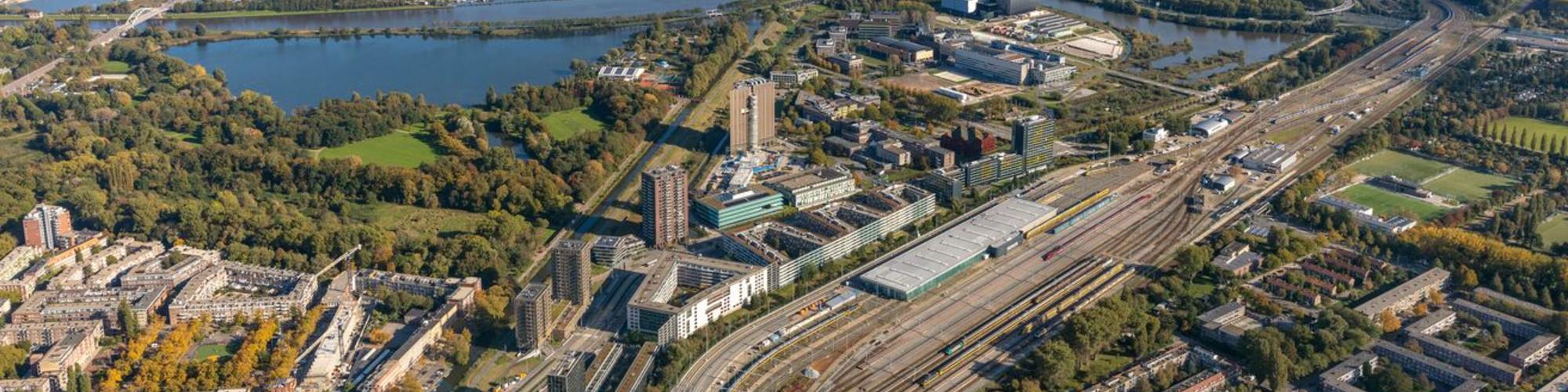
At the Faculty of Science we participate in research activities that are geared towards the development of applications for the benefit of society at large; activities that are often conducted in large national and international collaborations, and funded through research consortia and public-private partnerships.


The impact of our technological innovation
What is the role of technology in the work of scientists at the University of Amsterdam? And how can we use the developed innovations for societal challenges? In a series of interviews, we discuss this with researchers from the Faculty of Science.
Figures on research
8 research institutes
150 million revenue
2,190 (co-authored) publications with 52% online attention
120 PhD ceremonies
1,130 academics
619 PhD's 99 full professors
59% international researchers
33% female academics
Highlights PURE
The multidisciplinary research theme Pure compromises fundamental research areas such as experimental physics, particle physics, mathematical lines of research, high-energy astrophysics an the Origins of Life programme.
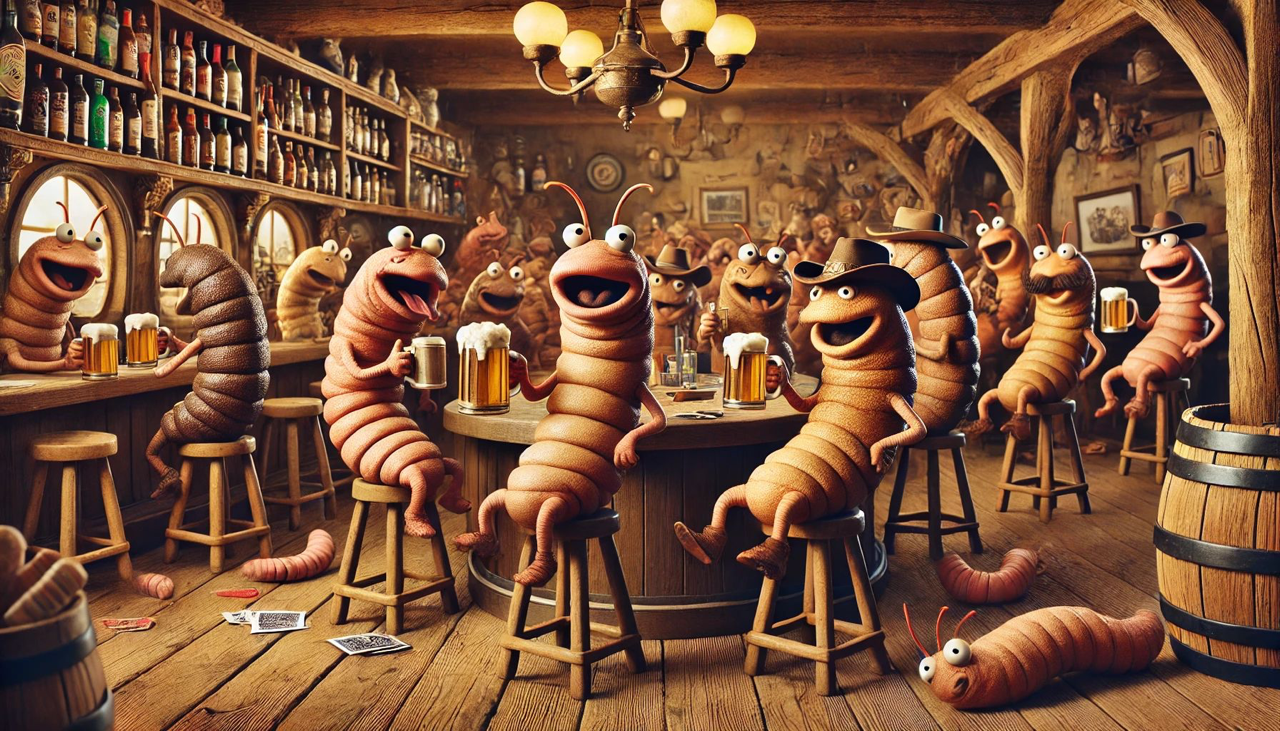
Ig Nobel prize for drunk worms
Daniel Bonn, Antoine Deblais, Tess Heeremans and Sander Woutersen have won an Ig Nobel prize for their research in which they investigate the behaviour of drunk worms as a particular form of active matter.
UV radiation from massive stars prevents formation of Jupiter-like planet
An international team of scientists including Alessandra Candian and Annemieke Petrignani of the University of Amsterdam has used space telescope Hubble and the ALMA observatory to show that UV radiation from massive st...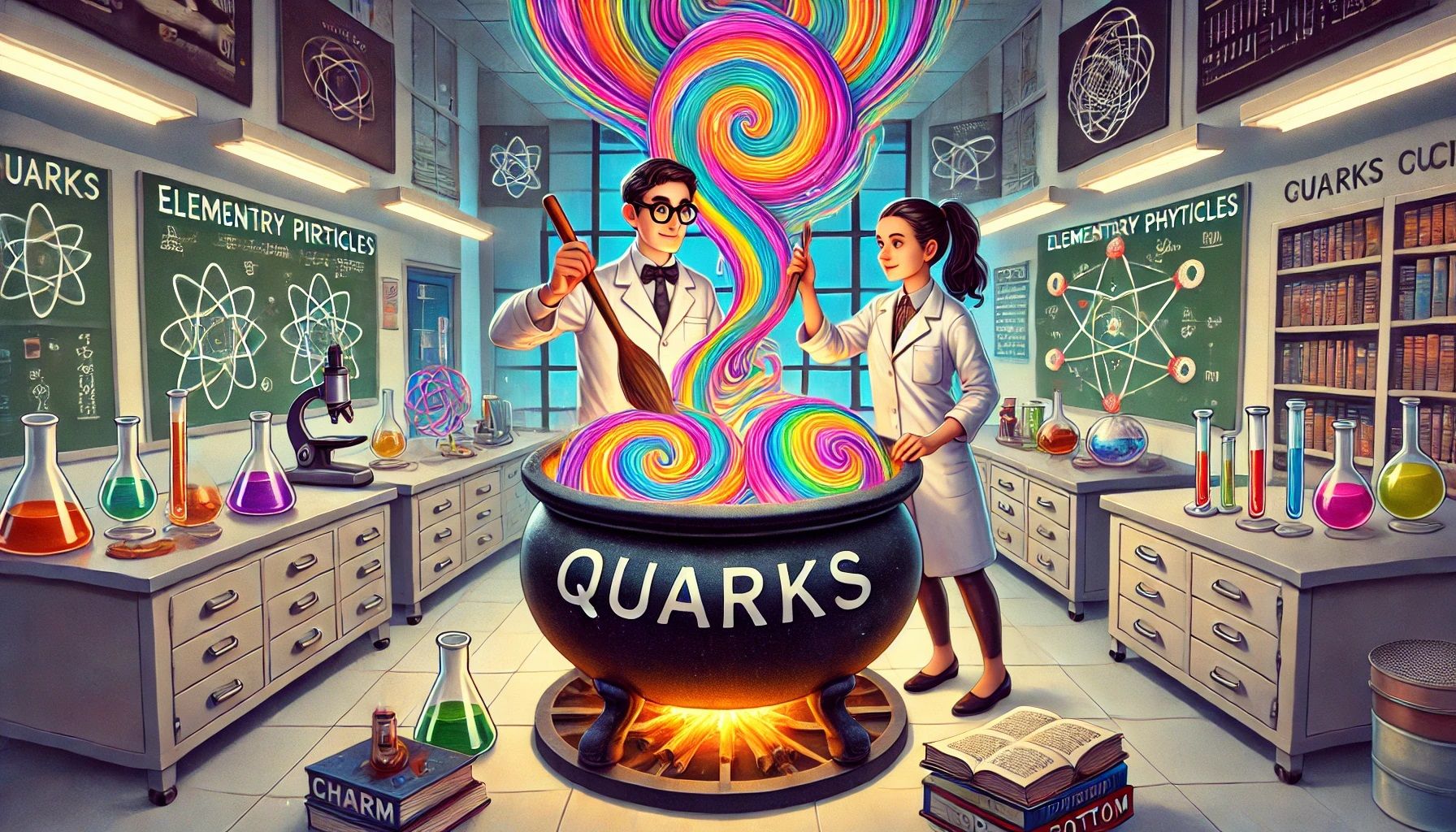
Getting a grip on quark mixing
The quarks that make up the nuclei of all atoms around us are known to “mix”: the different types of quark occasionally change into one another. The amounts in which these processes happen are not very well known, though...
Dozens of massive stars launched from young star cluster R136
Astronomers have used data from the European Gaia Space Telescope to discover 55 high-speed stars launched from the young star cluster R136 in the Large Magellanic Cloud, a satellite galaxy of the Milky Way. This increas...
Fundings PURE
Grants and fundings for projects within the multidisciplinary research theme Pure.

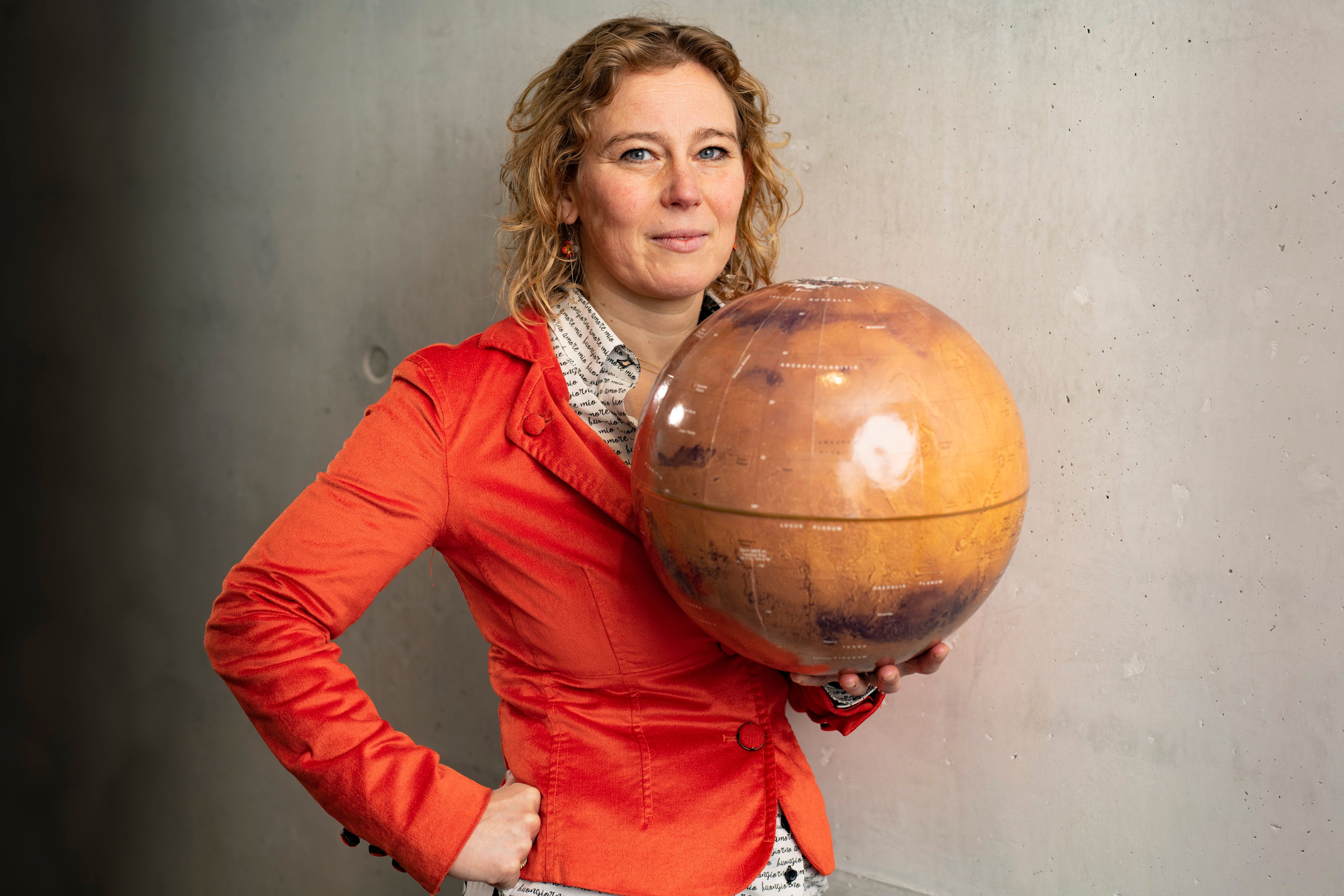
Highlights HEALTH
The multidisciplinary research theme Health compromises research areas such as neurobiology, advanced microscopy and medical AI applications.
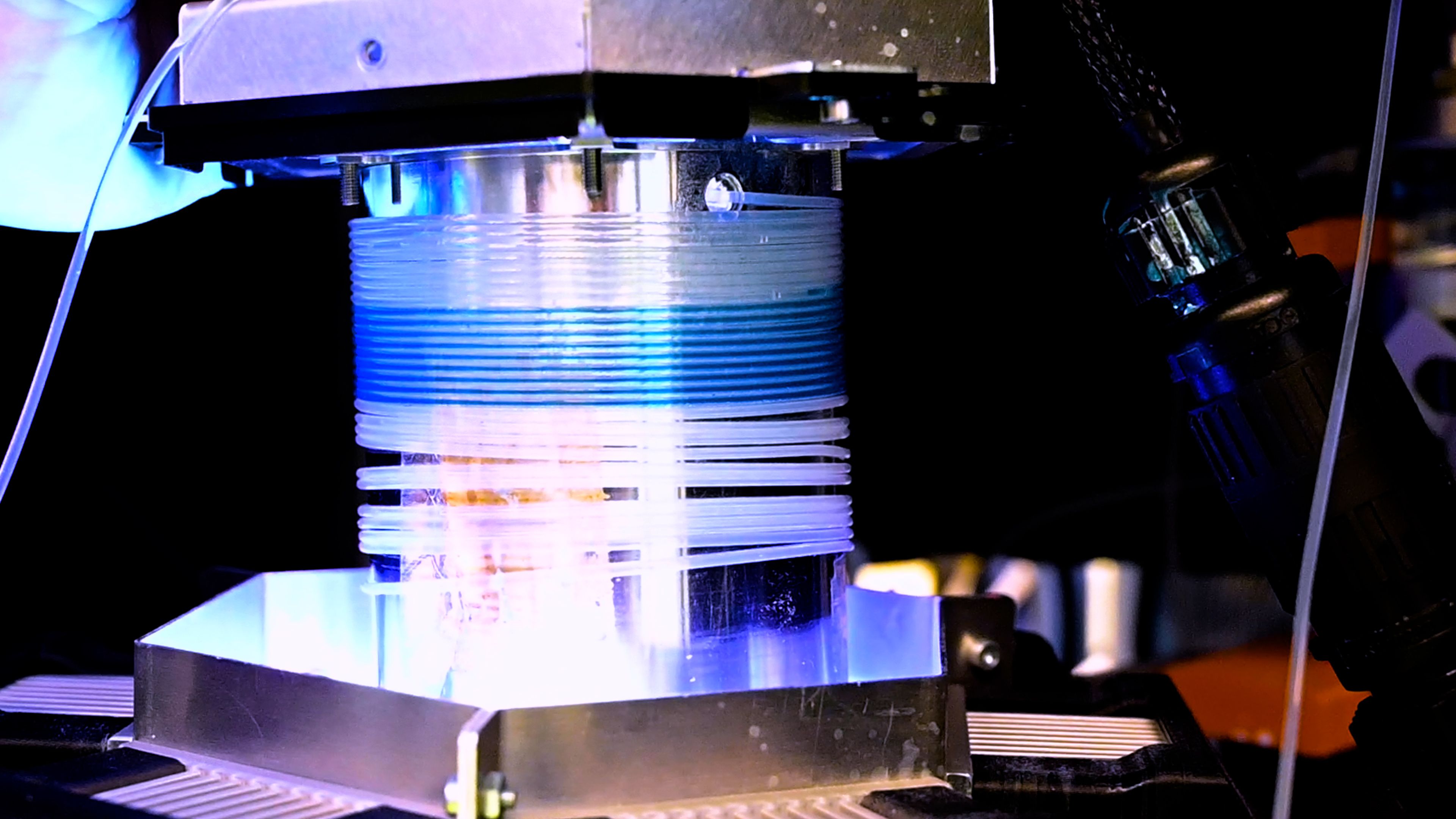
Autonomous synthesis robot uses AI to speed up chemical discovery
Chemists of the University of Amsterdam (UvA) have developed an autonomous chemical synthesis robot with an integrated AI-driven machine learning unit. Dubbed ‘RoboChem’, the benchtop device can outperform a human chemis...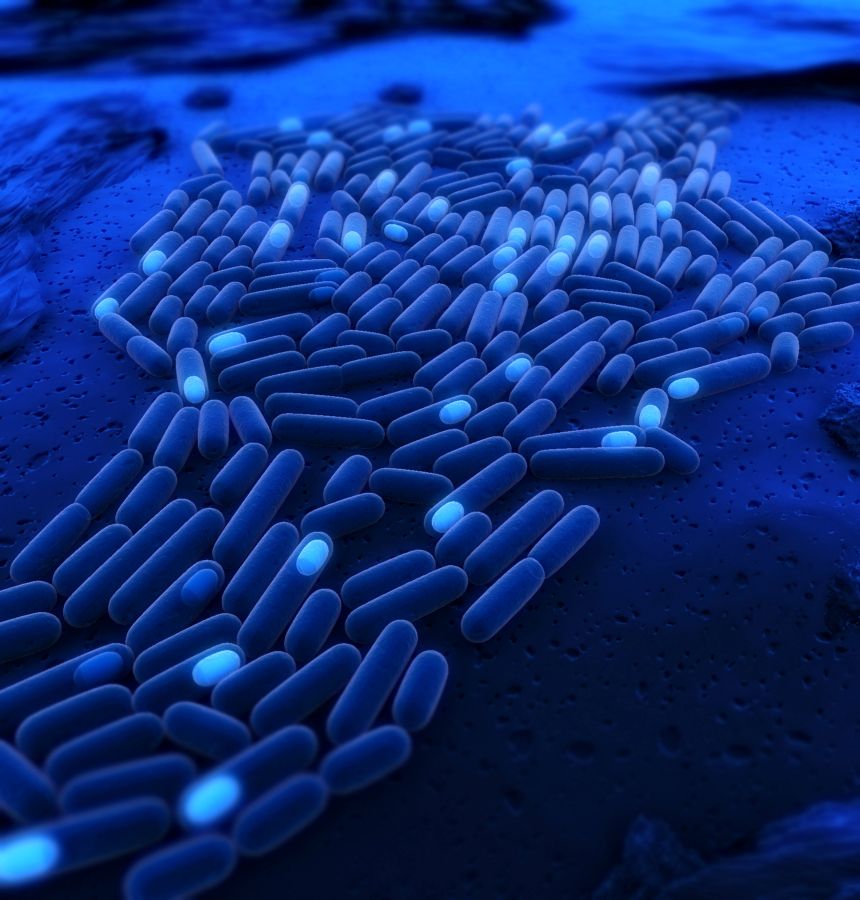
Microbiologists Discover How Antibiotic-Tolerant ‘Persister’ Cells Can Be Killed
Bacterial cells in a 'persister' state pose a significant problem for antibiotic resistance, as they are not susceptible to traditional antibiotics. An international team of researchers, led by UvA Professor of General M...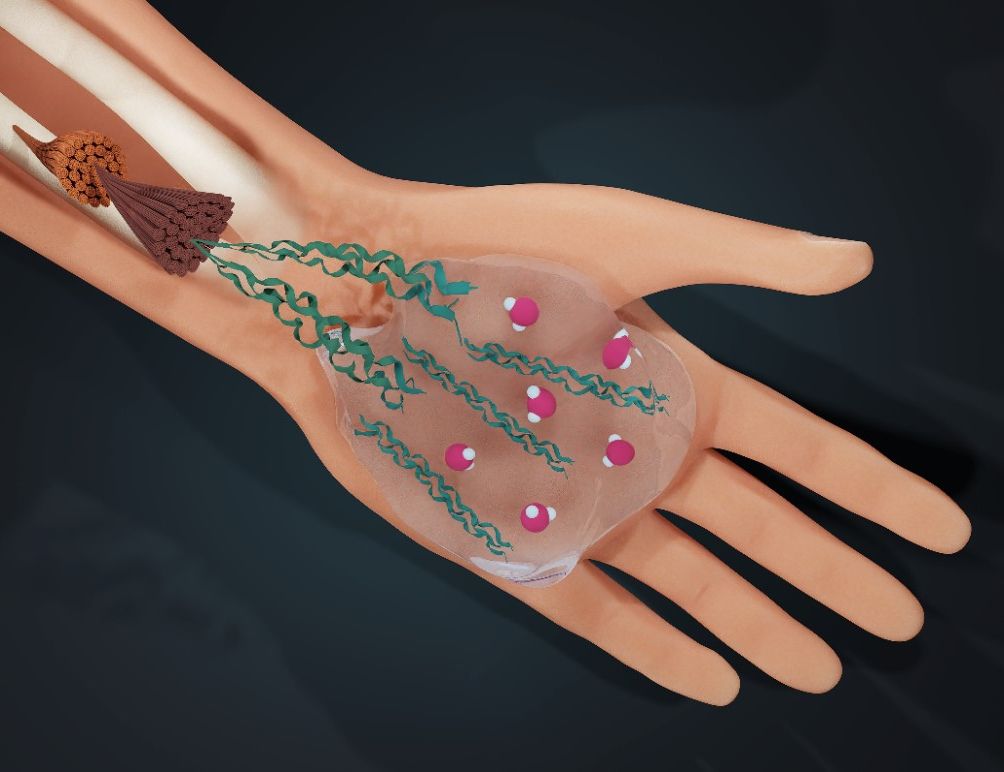
How water guides the assembly of collagen, the building block of all humans
Water determines life: humans are three-quarters water. An international research team led by the University of Amsterdam (UvA) has now discovered how water also determines the structure of the material that holds us tog...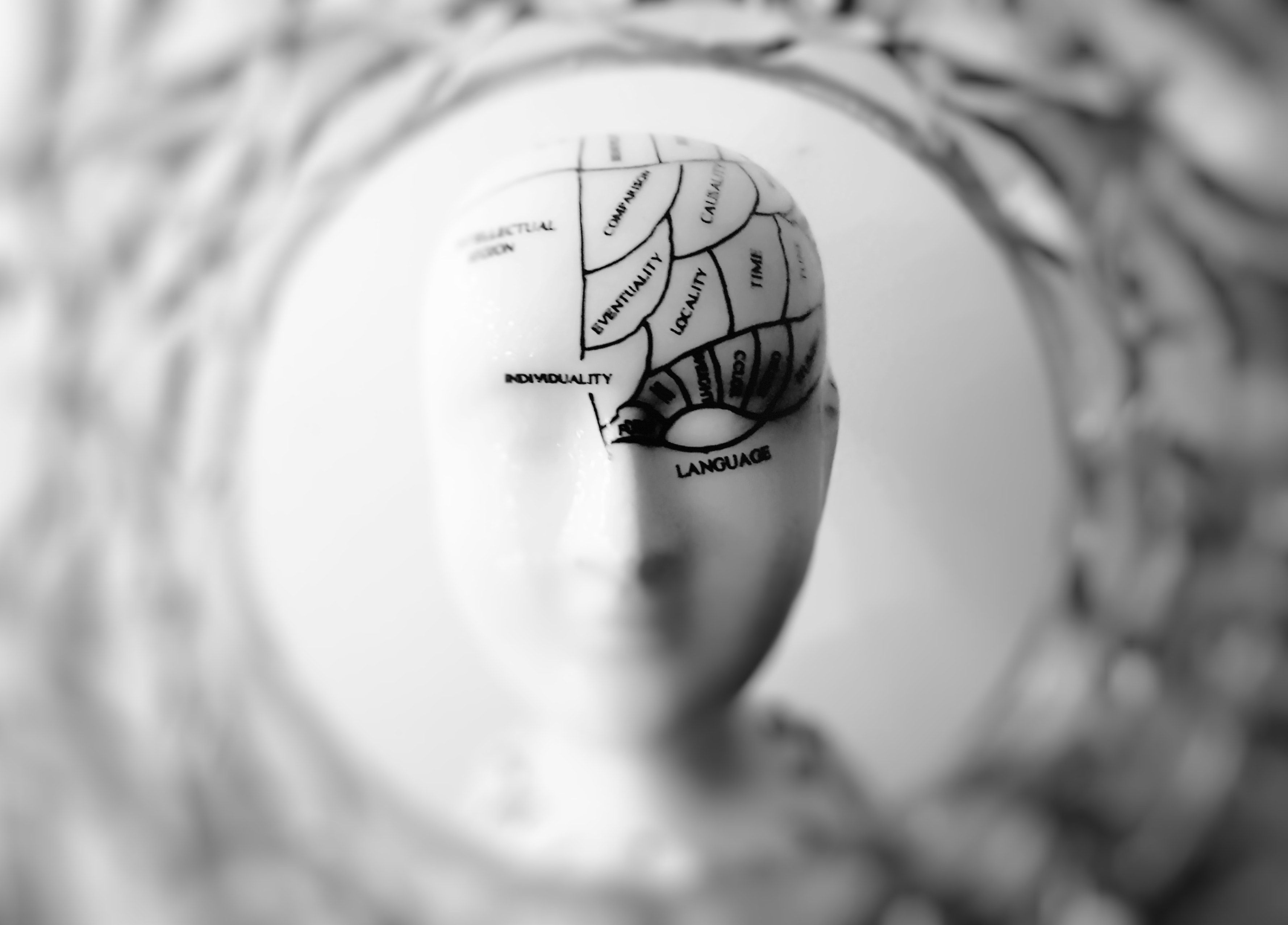
Disentangling the brain’s symphony of the senses
In a groundbreaking study, UvA-scientists have delved into the mystery of how our vision is influenced by events happening in other sensory modalities such as hearing, and by body movements. The study, published in Natur...
Fundings HEALTH
Grants and fundings for projects within the multidisciplinary research theme Health.
Highlights GREEN
The multidisciplinary research theme Green compromises all our research on sustainability, ranging from zero waste and the development of new materials to future-proof agricultural crops and human impact on nature.
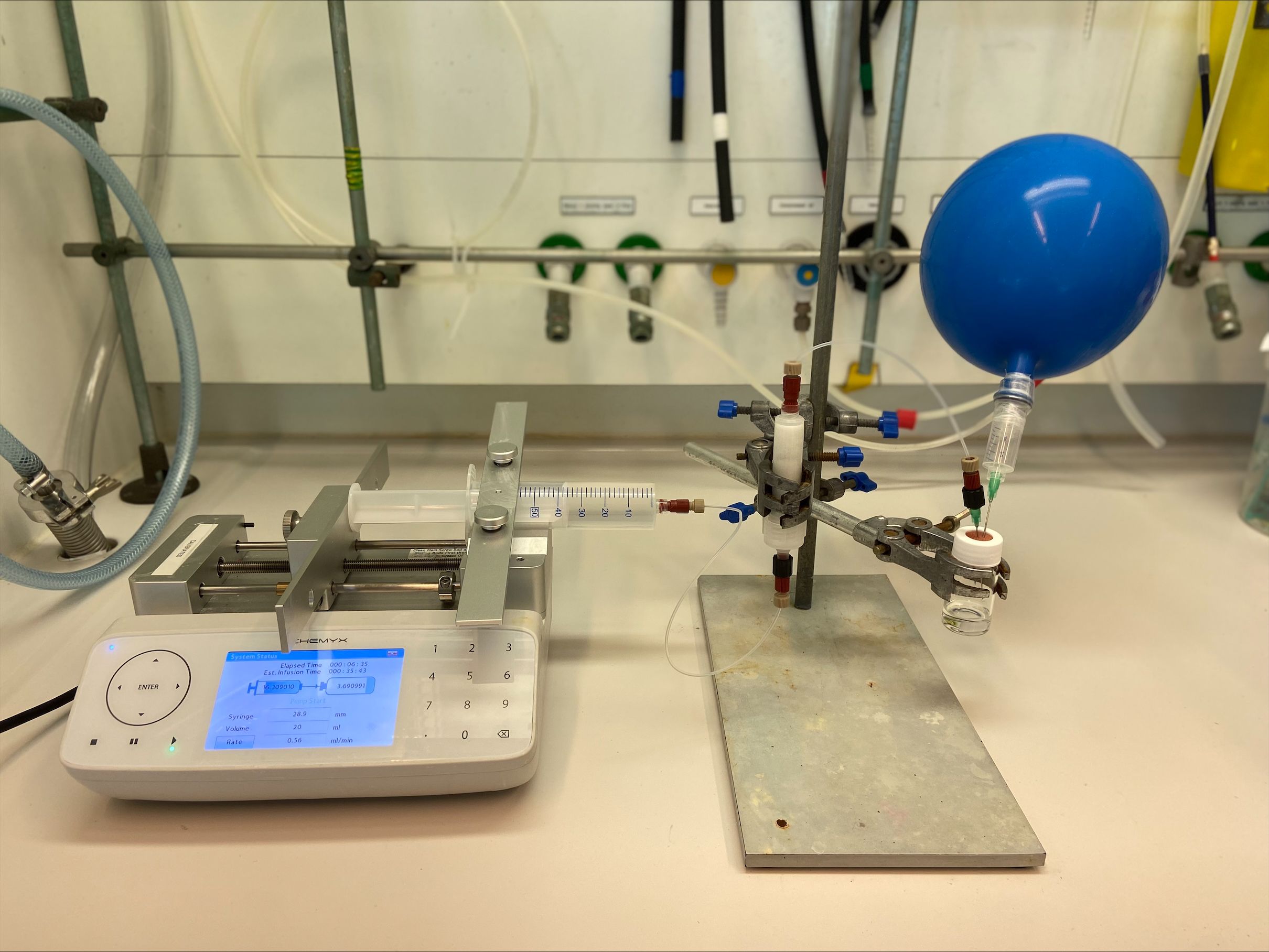
PFAS-free synthesis of fluorinated pharmaceutical and agrochemical compounds
Chemists at the University of Amsterdam have developed a method to furnish a range of molecules with a trifluoromethyl group attached to a sulphur, nitrogen or oxygen atom. Their procedure, which has just been published ...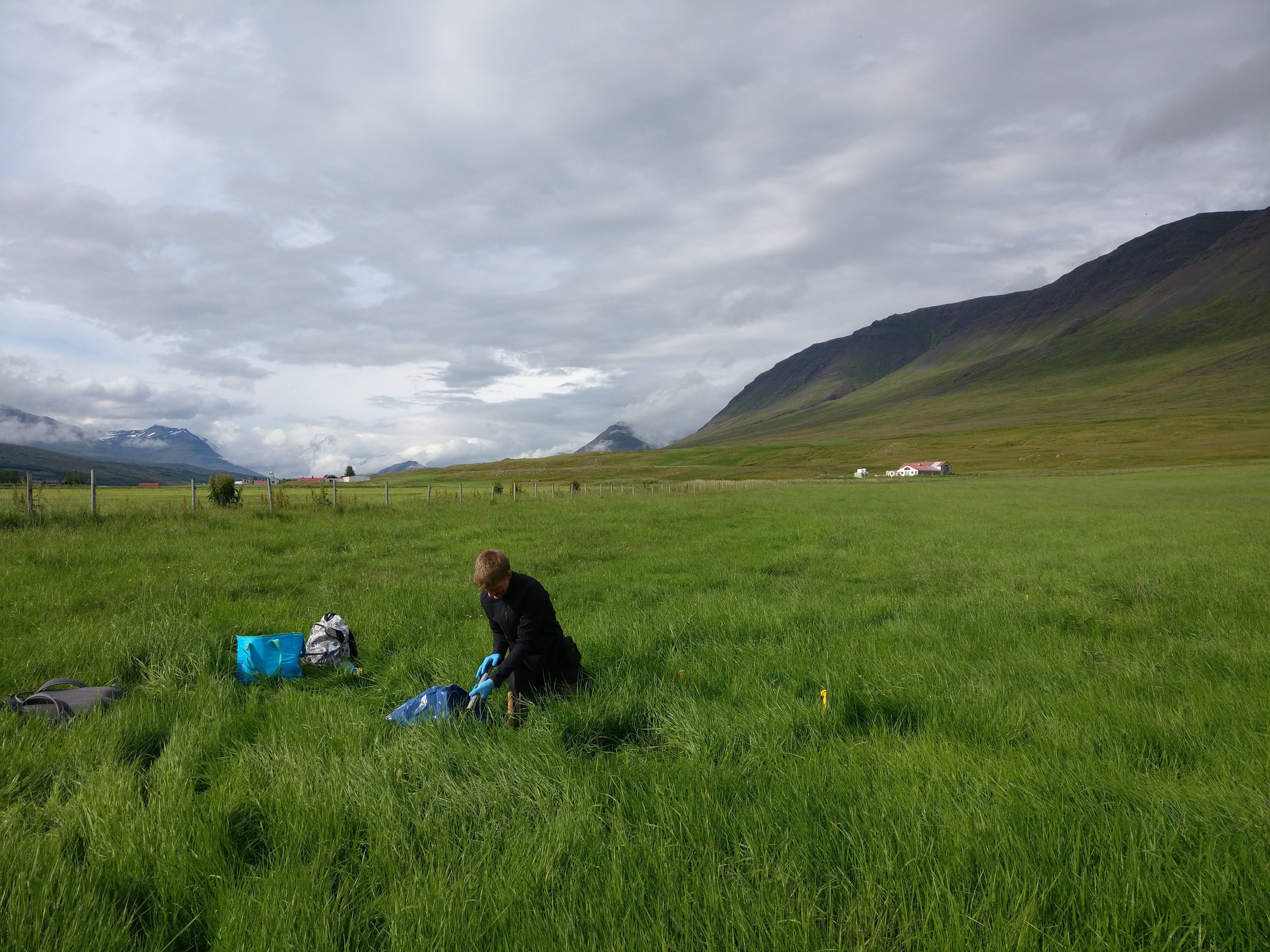
Climate change affects soil health in a predictable way
Worldwide all kinds of ecosystems, from nature reserves to agricultural lands, are under pressure from climate change. Bacteria and fungi in the soil play a sometimes overlooked but important role in this. They strongly ...
RIBIPOL realises significant progress in the development of bio-based polyesters
The research group Industrial Sustainable Chemistry at the University of Amsterdam’s Van ‘t Hoff Institute for Molecular Sciences has just completed the five-year research project Rigid Biobased Polymers (RIBIPOL). Suppo...
Study in Antarctica may shed light on how micro-algae help regulate the climate
Susanne Wilken from IBED and Gertjan Kramer from SILS are going to investigate micro-algae in the sea around Antarctica and their role in global cycles of carbon and sulphur. These algae form the basis of the ocean food ...
Fundings GREEN
Grants and fundings for projects within the multidisciplinary research theme Green.

Highlights SMART
The multidisciplinary research theme Smart compromises research areas such as information technology, computational science and quantum computing.
How can we use data while taking both privacy and climate into account?
In a new project, an interdisciplinary team of UvA scholars, including strategy & international business professor Ans Kolk, is researching how to better balance privacy and sustainability.
AI everywhere, but without sky-high energy usage
Making a large AI model available in devices that operate in isolated environments, such as agricultural areas, forests, or oceans. That is, in a nutshell, the mission of Dolly Sapra, assistant professor at the UvA, who ...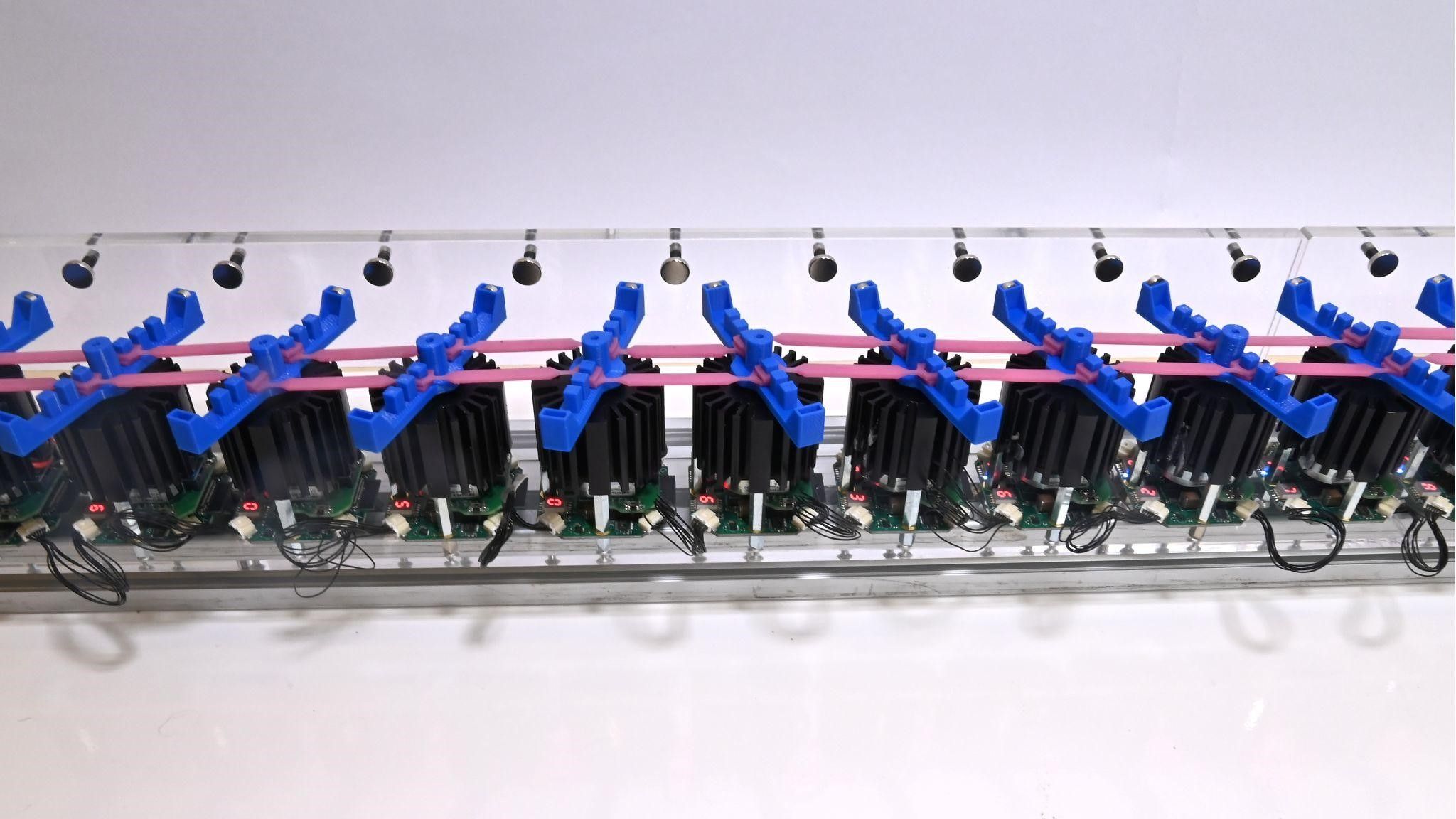
An endless domino effect
If it walks like a particle, and talks like a particle… it may still not be a particle. A topological soliton is a special type of wave or dislocation which behaves like a particle: it can move around but cannot spread o...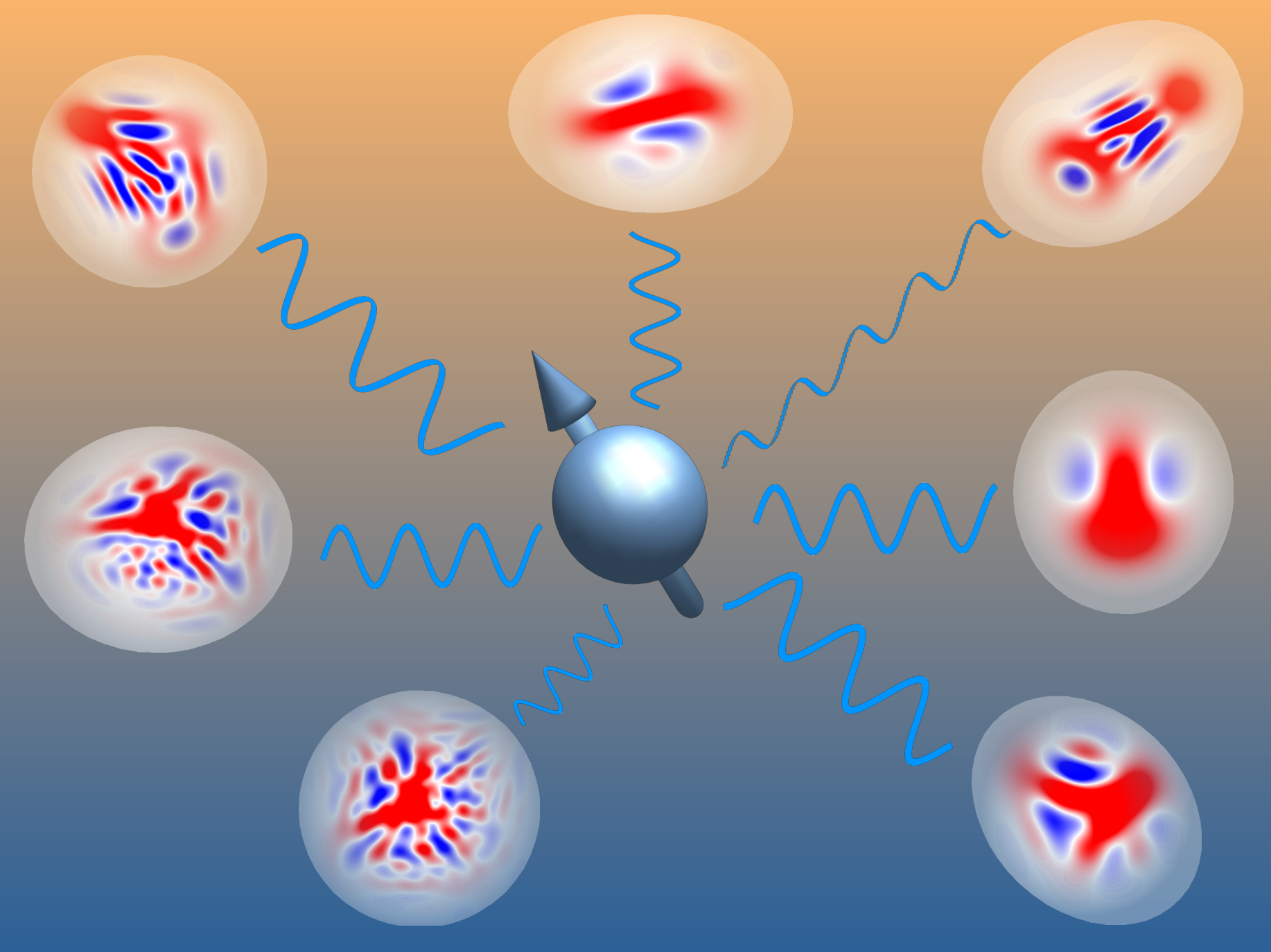
More than spins
Many of today’s quantum devices rely on collections of qubits, also called spins. These quantum bits have only two energy levels, the ‘0’ and the ‘1’. However, spins in real devices also interact with light and vibration...
Fundings SMART
Grants and fundings for projects within the multidisciplinary research theme Smart.

Individual accomplishments


Appointments
Our research institutes
Institute for Biodiversity and Ecosystem Dynamics

Informatics Institute
Institute of Physics
Korteweg-de Vries Institute for Mathematics

Swammerdam Institute for Life Sciences
Swammerdam Institute for Life Sciences is a multidisciplinary research institute with a systems biology approach to the life sciences and is situated in Amsterdam.
Van 't Hoff Institute for Molecular Sciences
Institute for Logic, Language and Computation

Anton Pannekoek Institute for Astronomy