
Annual review 2025
Research at the Faculty of Science (University of Amsterdam)
Proud to contribute
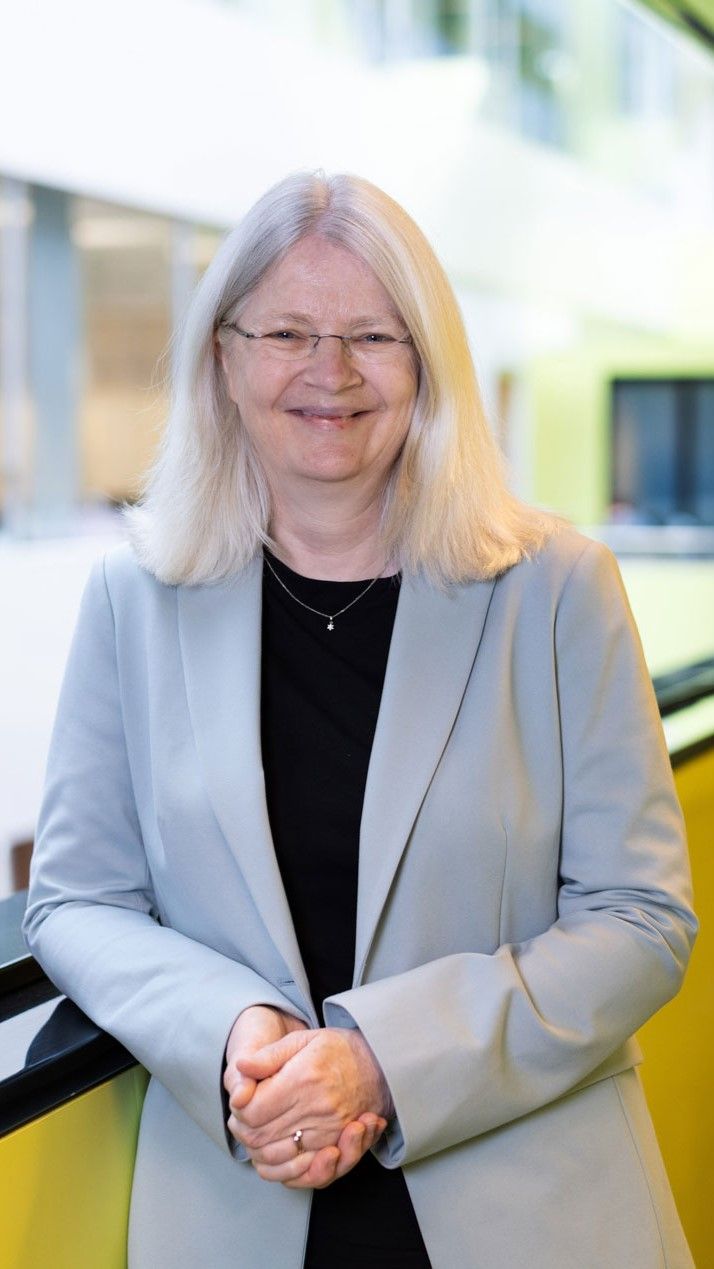
What I love about our faculty is that we are strong in science as well as in technology, and that the two are often intertwined. Last year our faculty celebrated it’s 25th anniversary in a time where the geopolitical situation is constantly changing and the trust in knowledge and research is not a given like it was in the past.
Universities have an increasing responsibility to contribute to societal challenges and our faculty does that in multiple ways. For example by researching ways of detecting chemical warfare agents, by trying to get a grip on nanoplastics, by tackling challenges related to our food supply and by developing an AI model for better forecasting natural disasters.
I am proud of the many wonderful initiatives and the rich research environment we have at this faculty, and I aim to ensure that our faculty continues to anticipate emerging opportunities and nurture talent.
Prof. Susan te Pas
Dean of the Faculty of Science
Impact
At the Faculty of Science we participate in research activities that are geared towards the development of applications for the benefit of society at large; activities that are often conducted in large national and international collaborations, and funded through research consortia and public-private partnerships.

Could police crackdowns actually help criminal networks?

SignLab Amsterdam launches sign language game for children
The chance that the weather forecast is correct
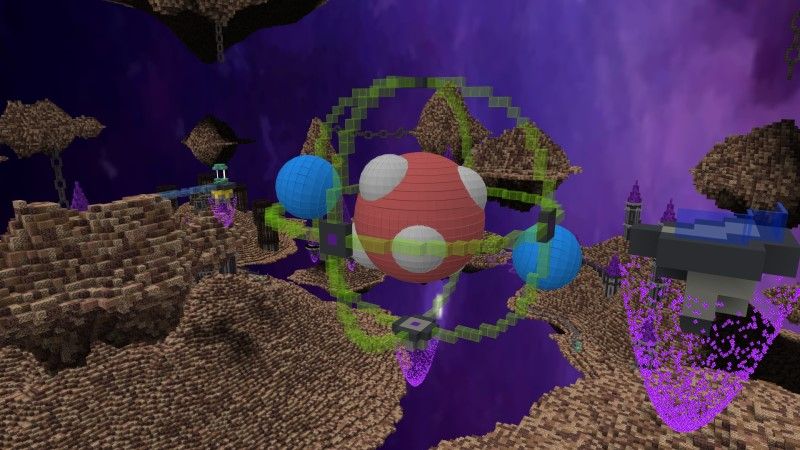
More than 500,000 downloads for Faculty of Science Minecraft minigame
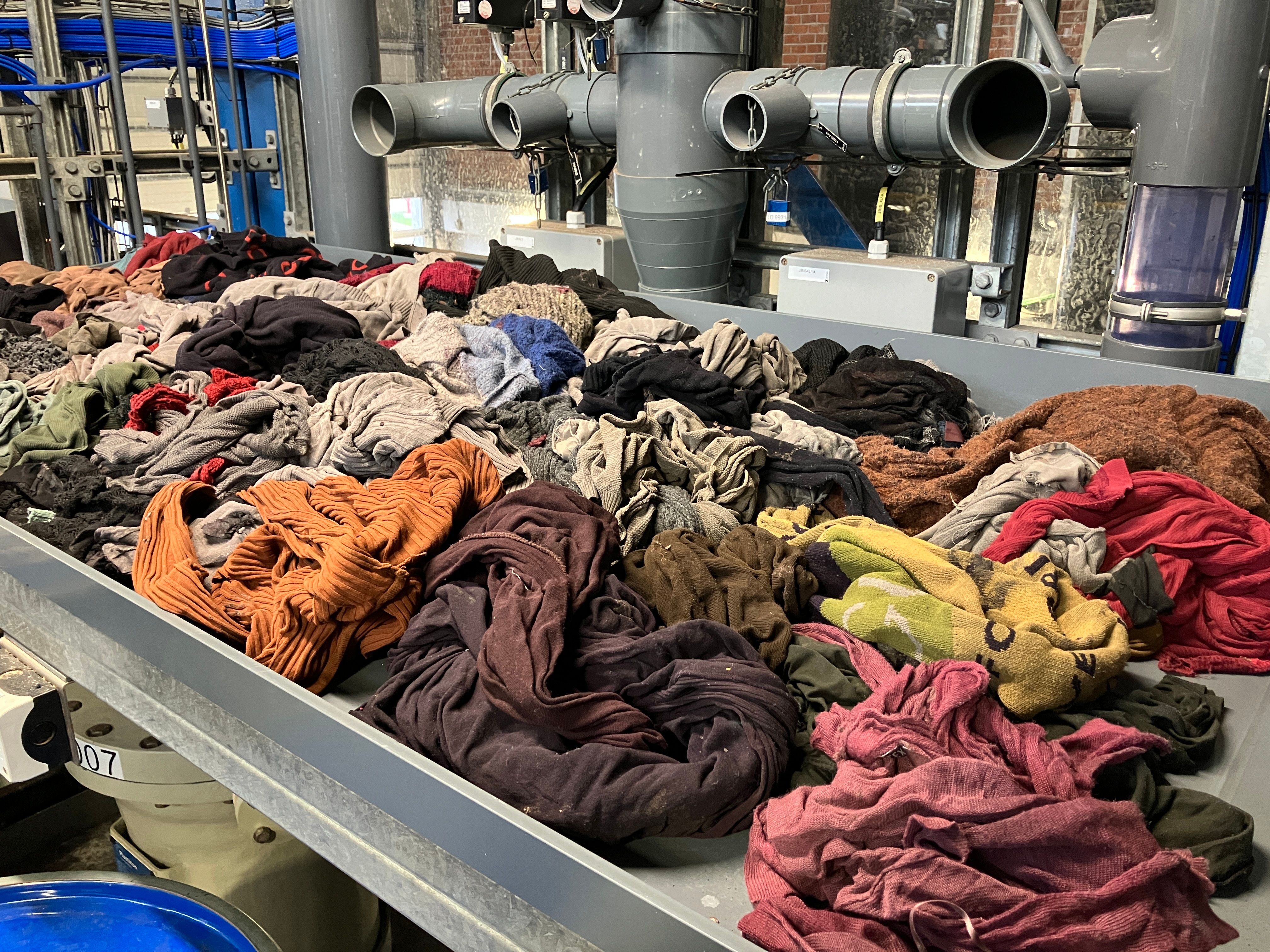
UvA research leads to viable solution for polycotton textile waste recycling

Physics meets fashion: a bioluminescent dress

Solving crimes with glowing evidence: a brand-new method to detect gunshot residue at the crime scene
Figures on research
8 research institutes
158 million revenue
2,295 (co-authored) publications with 48% online attention
183 PhD ceremonies
1,211 academics
563 PhD's 109 full professors
64% international researchers
35% female academics
Highlights SMART
The multidisciplinary research theme Smart compromises research areas such as information technology, computational science and quantum computing.

Why GPT can’t think like us
Artificial Intelligence (AI), particularly large language models like GPT-4, has shown impressive performance on reasoning tasks. But does AI truly understand abstract concepts, or is it just mimicking patterns? A new st...
Breakthrough AI model could transform how we prepare for natural disasters
As climate-related disasters grow more intense and frequent, an international team of researchers has introduced Aurora—a groundbreaking AI model designed to deliver faster, more accurate, and more affordable forecasts f...
What the human brain can do that AI can’t
How do you intuitively know that you can walk on a footpath and swim in a lake? Researchers from the University of Amsterdam have discovered unique brain activations that reflect how we can move our bodies through an env...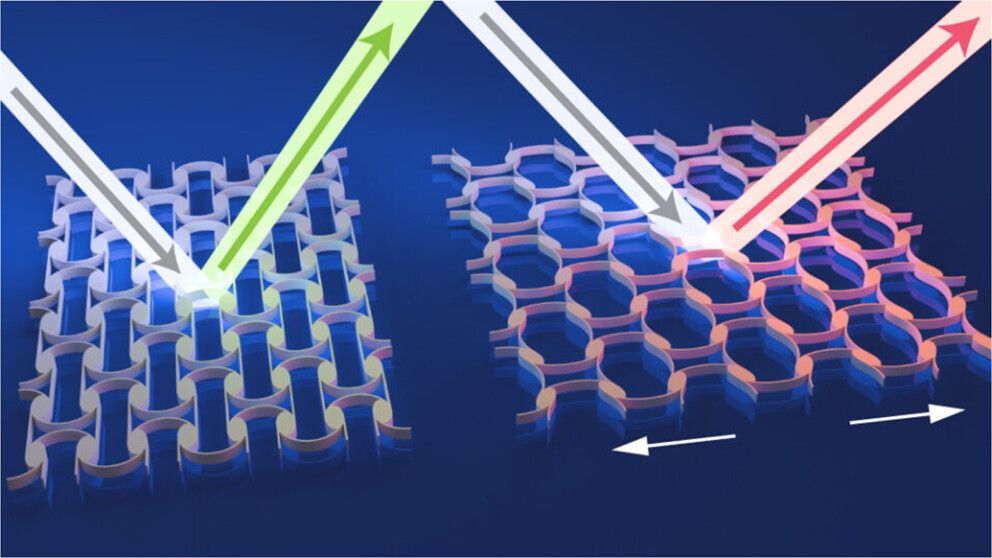
A nanoscale chameleon
Inspired by the Japanese art of kirigami, a team of scientists from the University of Amsterdam have developed a material that can reflect different colours of light, depending on how it is stretched. The results were re...
Fundings SMART
Grants and fundings for projects within the multidisciplinary research theme Smart.


Highlights GREEN
The multidisciplinary research theme Green compromises all our research on sustainability, ranging from zero waste and the development of new materials to future-proof agricultural crops and human impact on nature.

Arctic-bound birds can still keep up with climate change – for now
As climate change drives earlier spring conditions in the Arctic, birds species that travel there to breed there are under pressure to migrate faster. A new study led by researchers from the University of Amsterdam and t...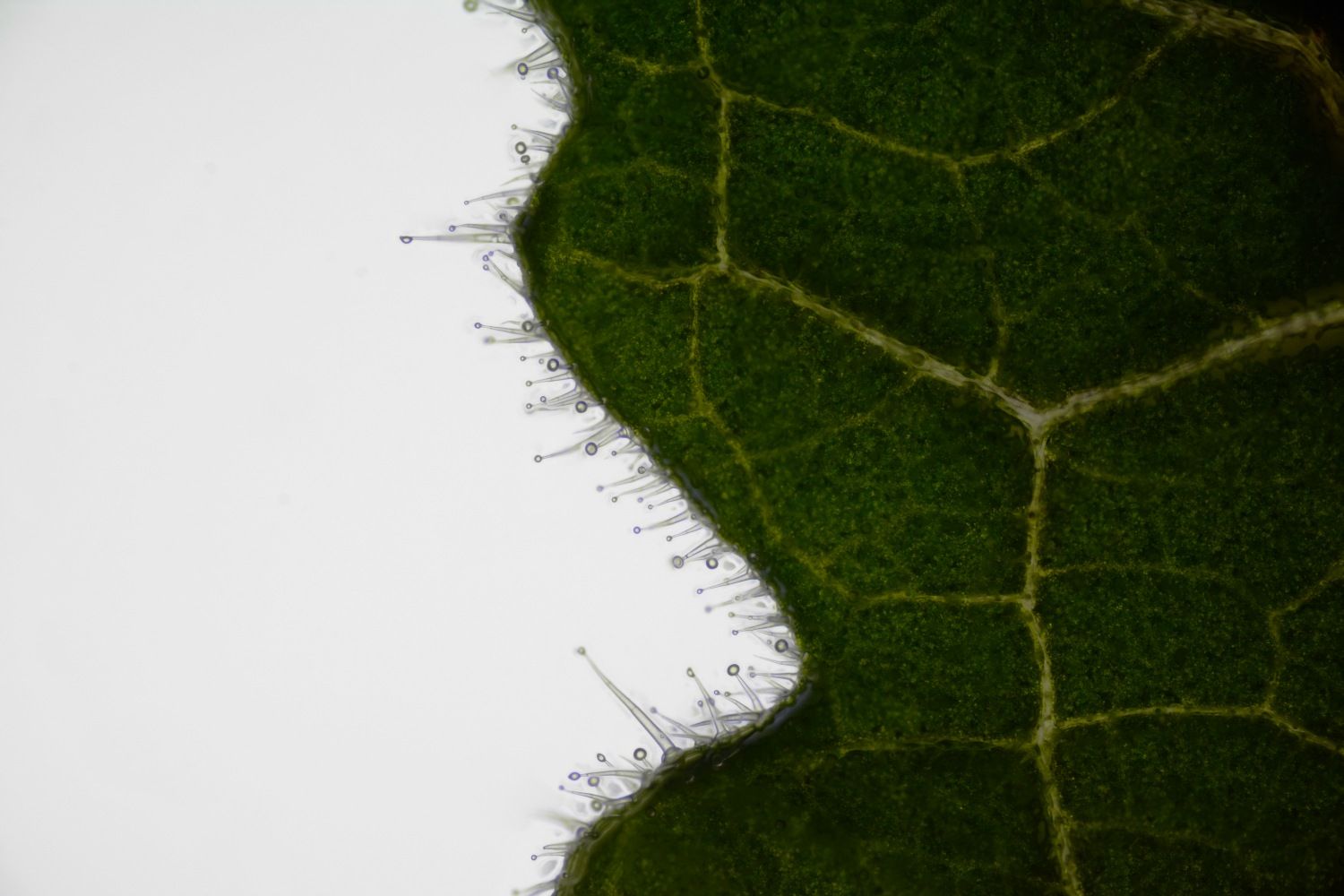
Tomato plants’ sticky self-defence ‘minefields’
Many plants use tiny ‘hairs’ called trichomes as a first line of defence against plant-eating insects. New research by experimental physicists and plant physiologists at the University of Amsterdam shows how tomato plant...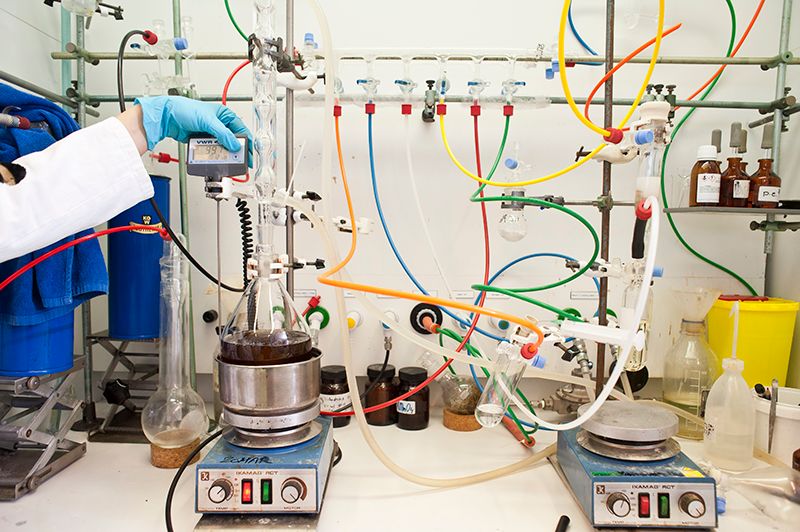
Using alcohol dehydrogenases for the clean synthesis of amides and thioesters
Researchers at the Biocatalysis group led by Dr Francesco Mutti (HIMS) have developed a novel use of alcohol dehydrogenase (ADH) enzymes. In an article designated as VIP (very important paper) in Angewandte Chemie, they ...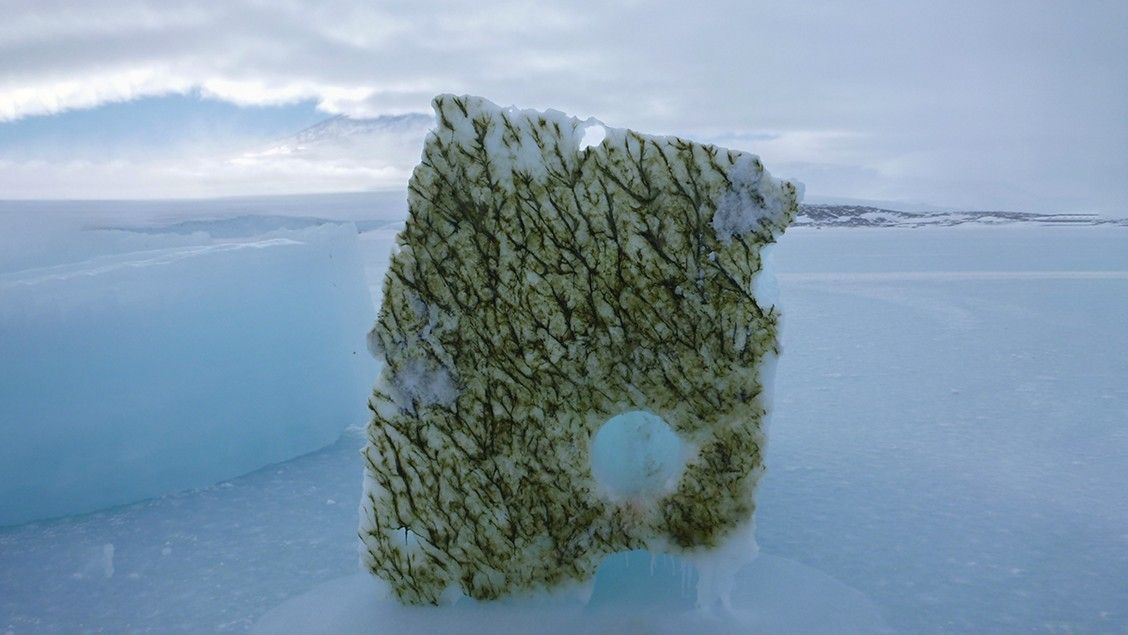
Loss of sea ice alters the colors of light in the ocean
The disappearance of sea ice in polar regions due to global warming not only increases the amount of light entering the ocean, but also changes its color. These changes have far-reaching consequences for photosynthetic o...
Fundings GREEN
Grants and fundings for projects within the multidisciplinary research theme Green.
Highlights PURE
The multidisciplinary research theme Pure compromises fundamental research areas such as experimental physics, particle physics, mathematical lines of research, high-energy astrophysics an the Origins of Life programme.
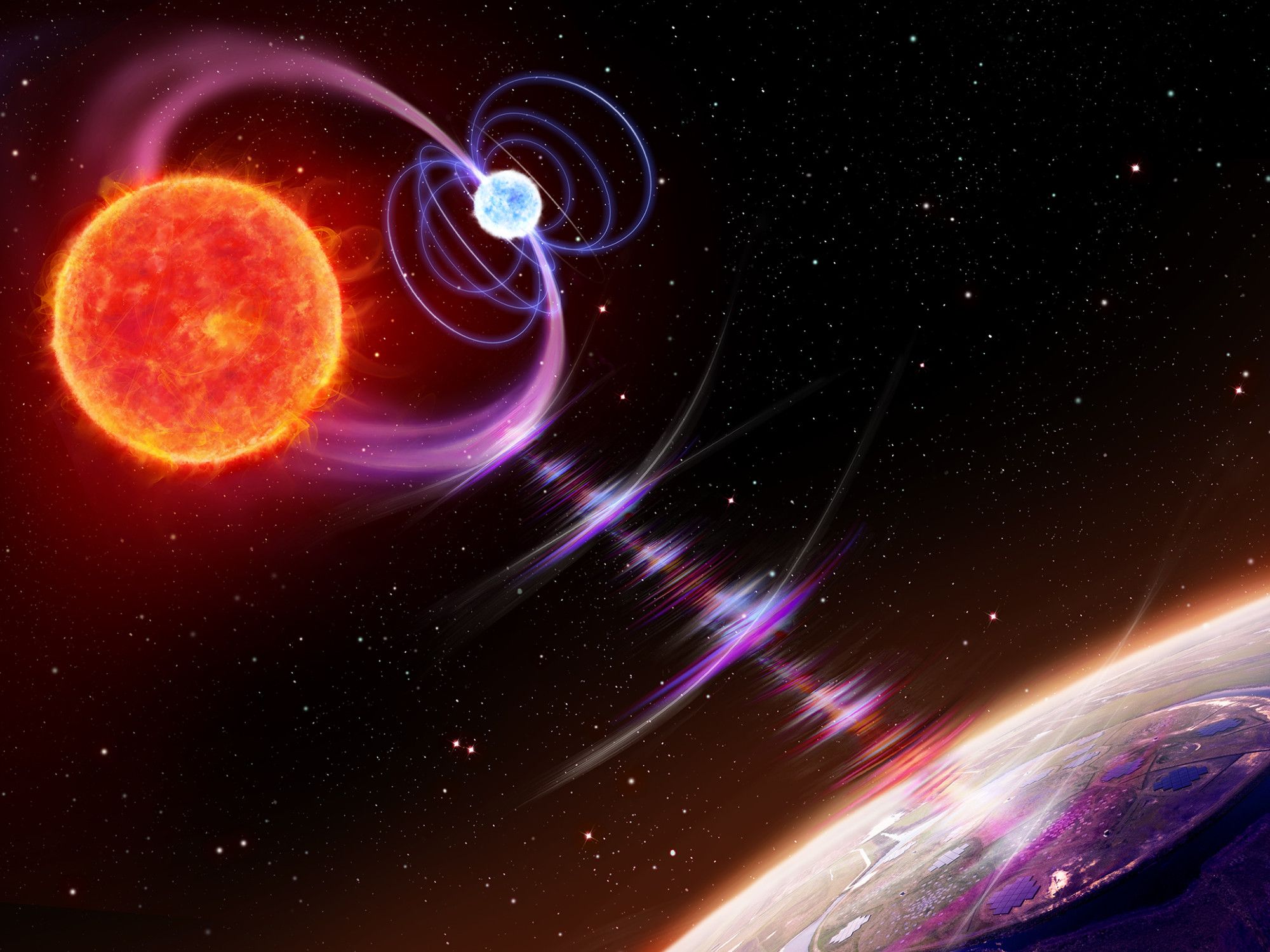
White dwarf with partner flashes every two hours
An international team of astronomers led by scientists of the University of Amsterdam has shown that a white dwarf and a red dwarf orbiting each other every two hours are emitting radio pulses. Thanks to observations wit...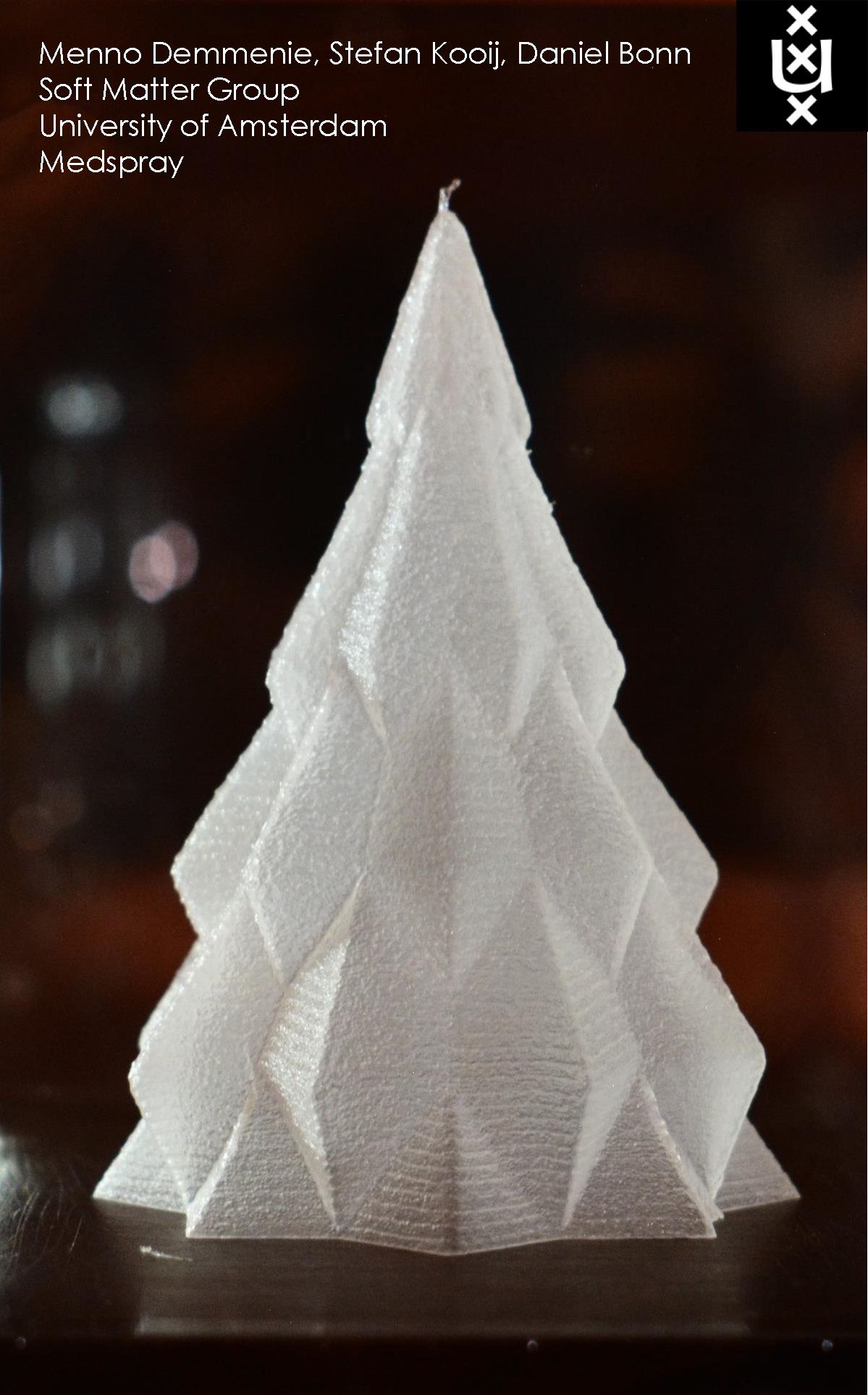
A 3D-printed Christmas tree made entirely of ice
A team of physicists from the University of Amsterdam’s Institute of Physics has 3D-printed a Christmas tree made entirely of ice. Researchers Menno Demmenie, Stefan Kooij and Daniel Bonn used no freezing technology or r...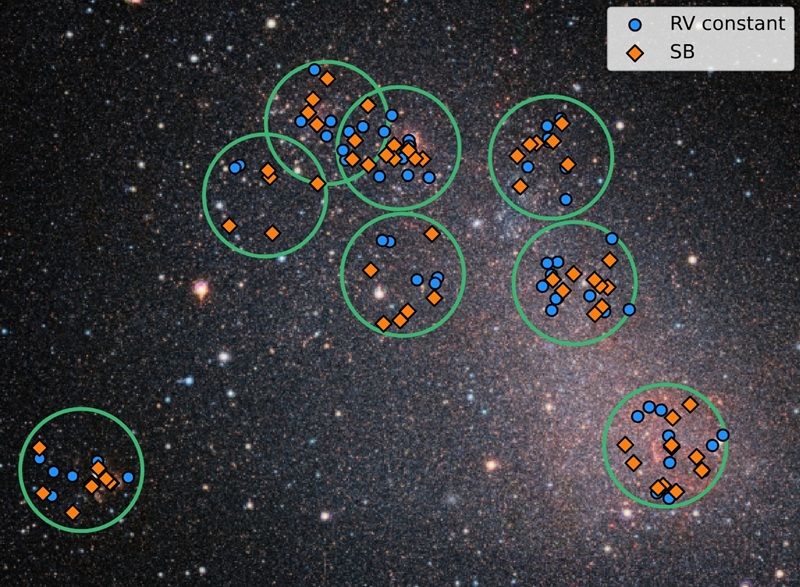
Massive stars in metal-poor environment often have close partner
Massive stars in metal-poor galaxies often have close partners, just like the massive stars in our metal-rich Milky Way. This is discovered by an international team of seventy astronomers among whom many scientists from ...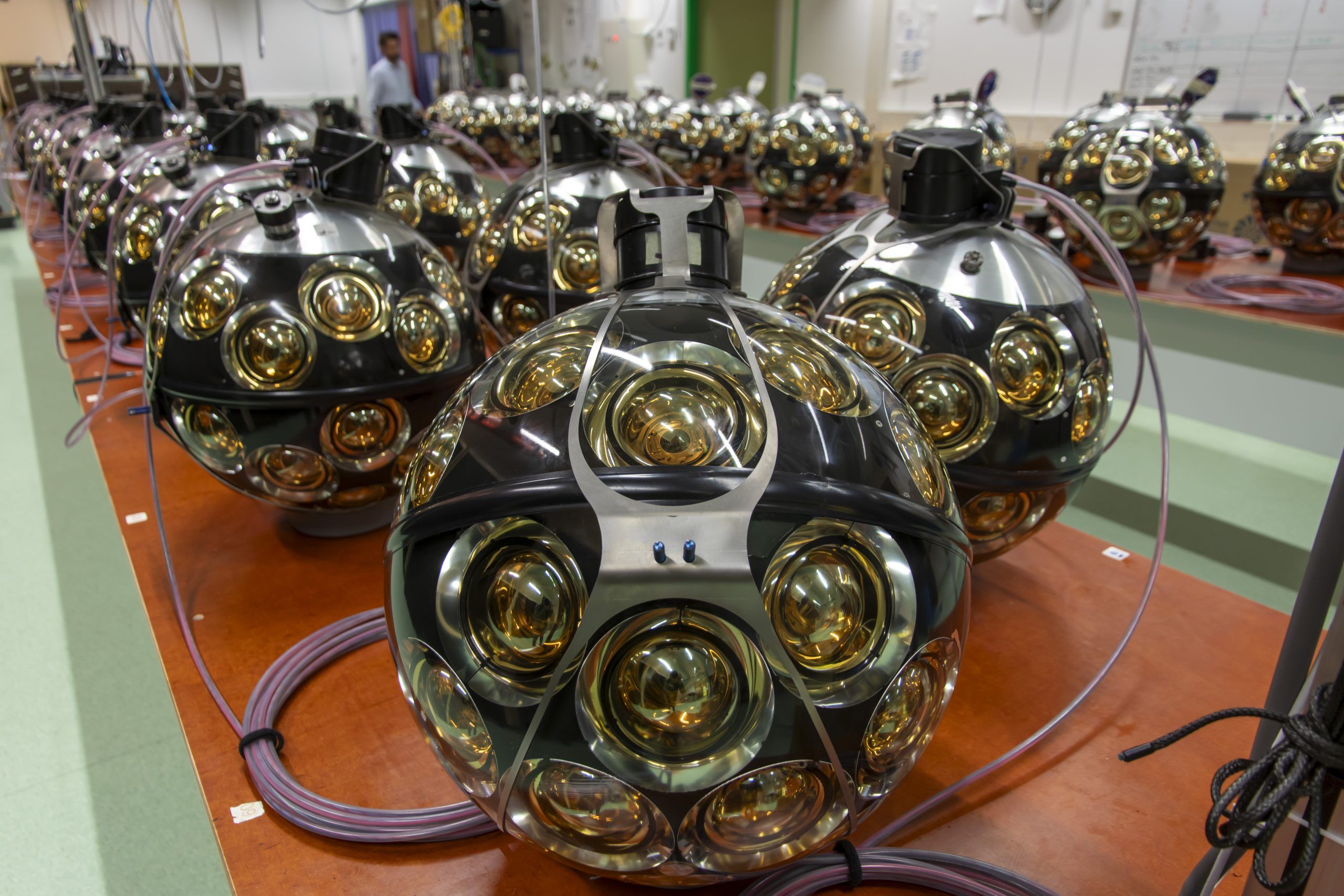
KM3NeT detects highest energy neutrino ever
On 12 February 2025, the KM3NeT collaboration, involving several UvA researchers, announced the detection of a cosmic neutrino with a record energy of about 220 PeV, measured in the depths of the Mediterranean Sea.
Fundings PURE
Grants and fundings for projects within the multidisciplinary research theme Pure.

Highlights HEALTH
The multidisciplinary research theme Health compromises research areas such as microbiology, neurobiology, advanced microscopy and medical AI applications.
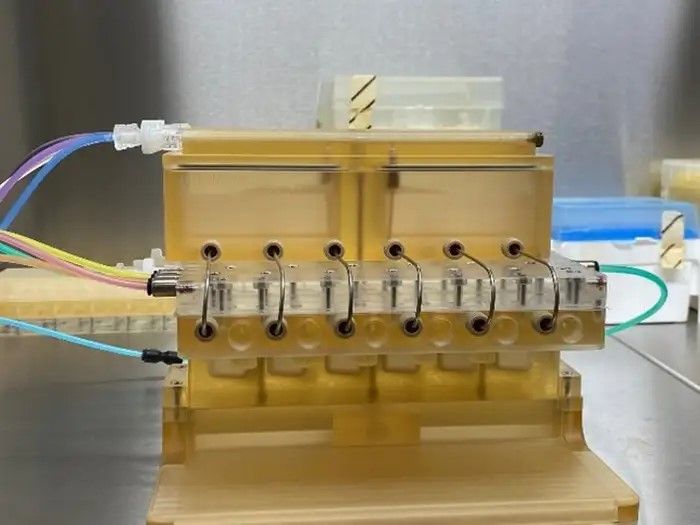
Animal-free miniature gut model for microbiome research
The gut microbiome plays a large role in diseases like diabetes and obesity. Therefore, studying the microbiome is very important, but research options are limited. Assistant Professor Jianbo Zhang has contributed to the...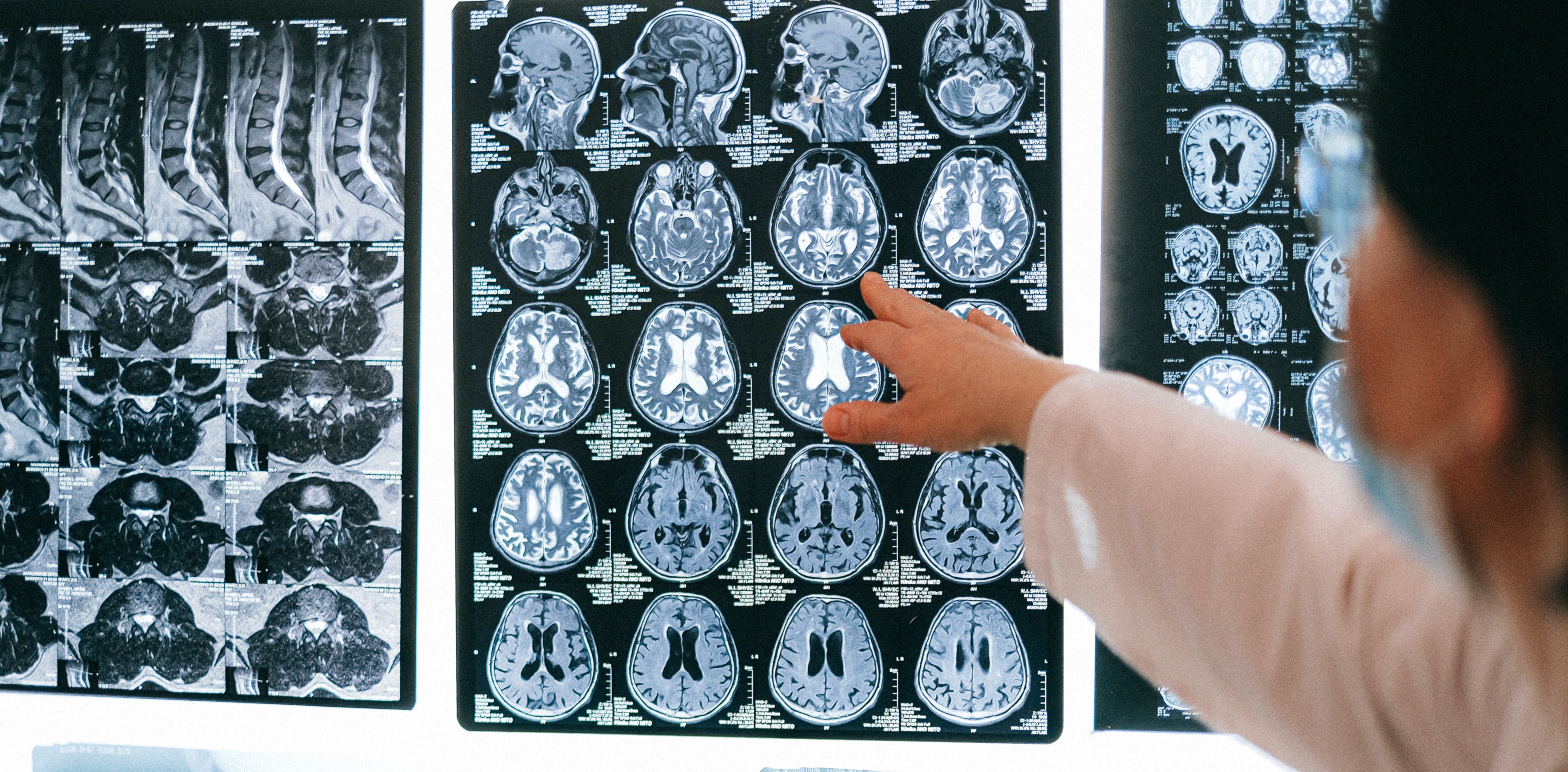
Interdependent scaling exponents in the human brain
Understanding how brain activity is organised across large networks is an important challenge in neuroscience. Researchers, including Fernando A. N. Santo (KdVI), analysed resting-state fMRI data from a large group of pe...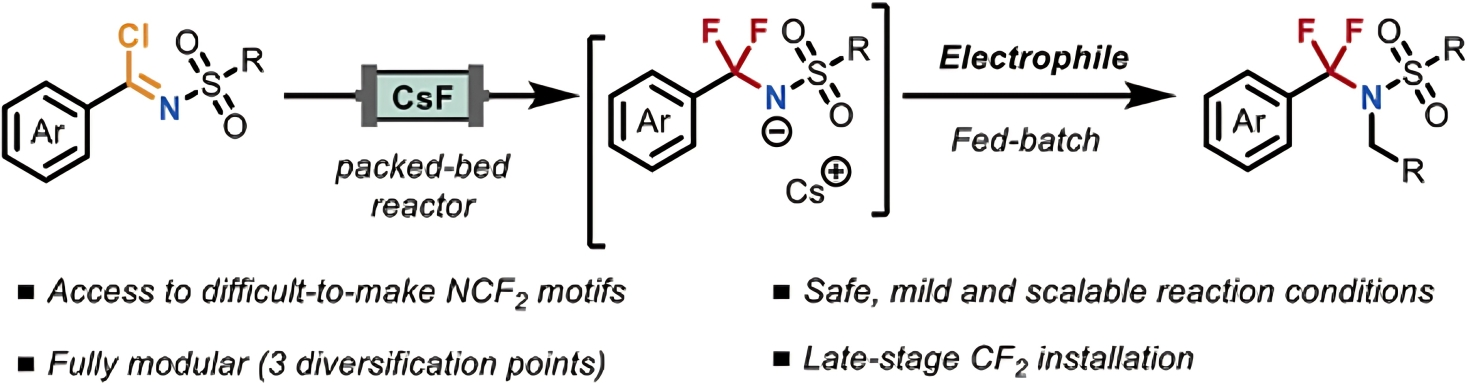
Safe and scalable synthesis of fluorinated amine compounds for medicinal chemistry
In a 'hot paper' that has been published in Angewandte Chemie, researchers at the Flow Chemistry group of the Van ‘t Hoff Institute for Molecular Sciences report a safe and scalable flow-based strategy for the late-stage...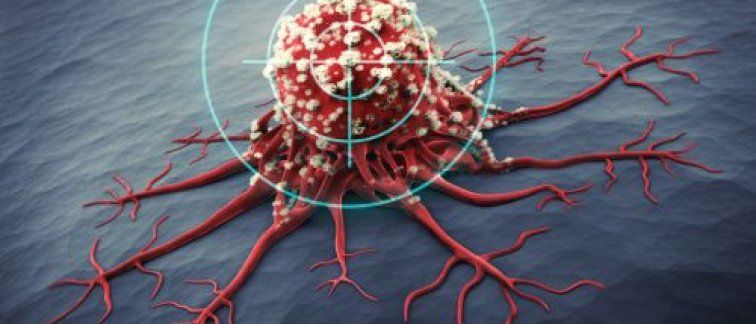
Computationally engineered peptides for targeted modulation of pathological cell death
Researchers at the University of Amsterdam have pioneered a computational approach to designing peptides that target Bax, a key regulating protein of programmed neuronal cell death. Their study, recently published in Mat...
Fundings HEALTH
Grants and fundings for projects within the multidisciplinary research theme Health.



Individual accomplishments

Personal grants in 2025
Grants allocated by the European Research Council and the Dutch Research Council to researchers associated with the Faculty of Science.
Individual honours in 2025
Awards, prizes, medals and other achievements on an individual basis presented to researchers of the Faculty of Science.
Appointments
Our research institutes
Institute for Biodiversity and Ecosystem Dynamics

Informatics Institute
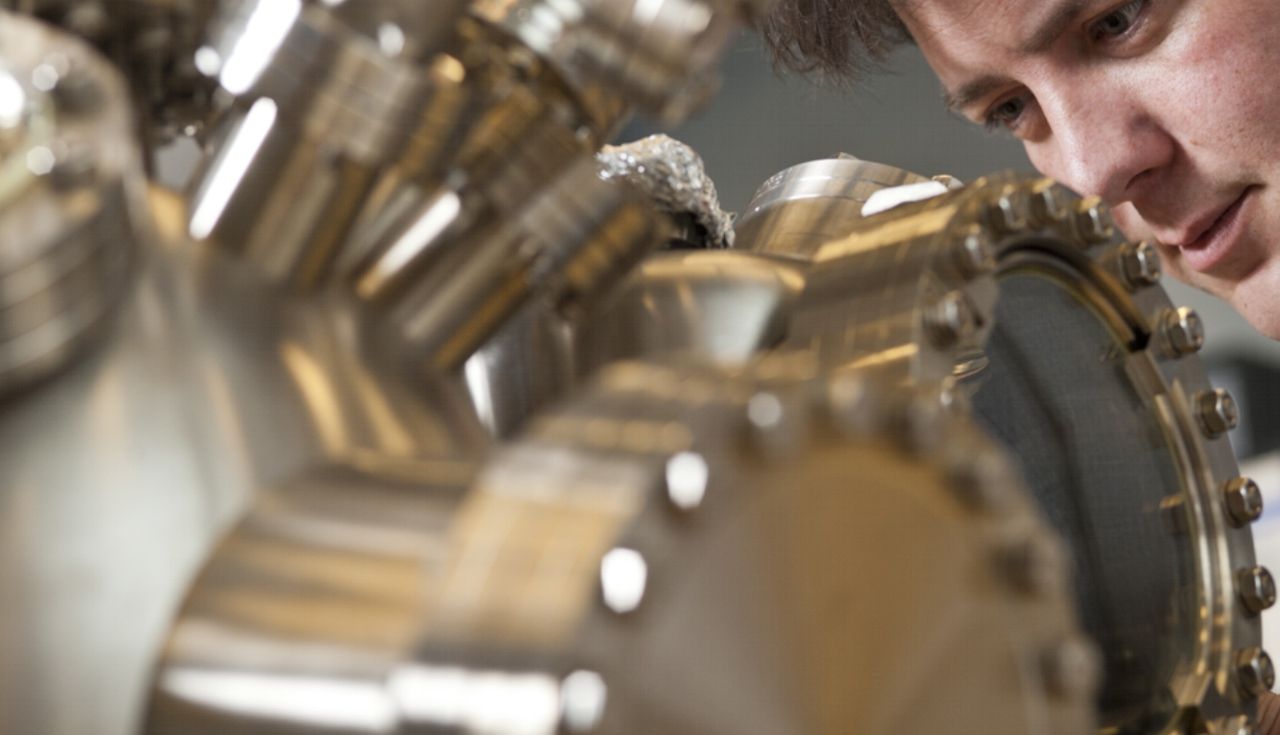
Institute of Physics
Korteweg-de Vries Institute for Mathematics

Swammerdam Institute for Life Sciences
Swammerdam Institute for Life Sciences is a multidisciplinary research institute with a systems biology approach to the life sciences and is situated in Amsterdam.
Van 't Hoff Institute for Molecular Sciences
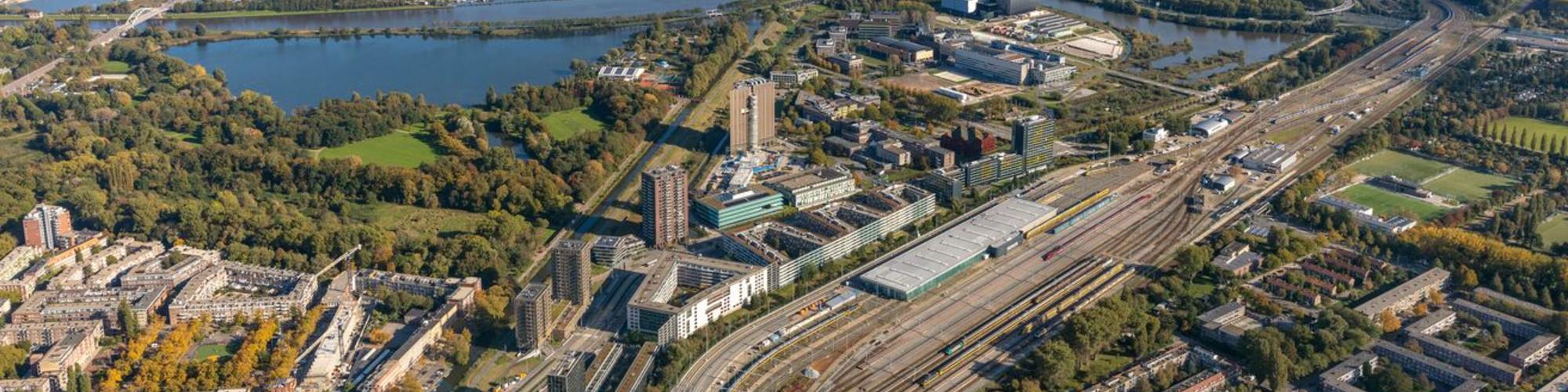
Institute for Logic, Language and Computation

Anton Pannekoek Institute for Astronomy