Reimagining Institutions?
- Date
- 17 September 2025
- Time
- 16:30
- Location
- Aula - Oude Lutherse kerk
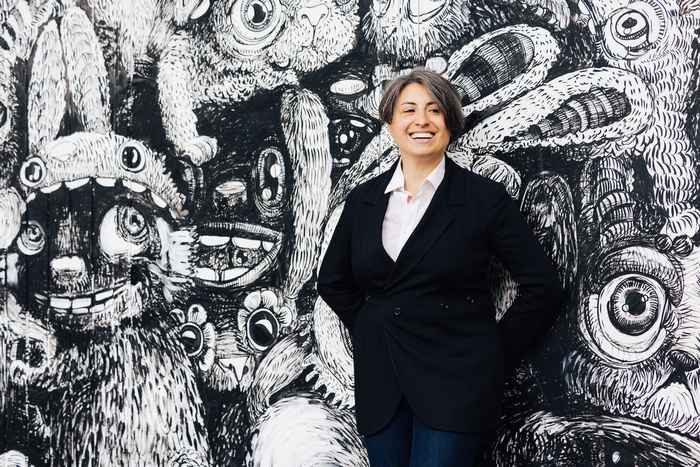
The lecture revisits key concepts developed in De Cesari’s research, from cultural governmentality and race as memory to creative institutionalism. It shows how Palestinian arts and heritage organisations refashion global cultural formats to realise innovative, community-based projects. This analysis then broadens to Europe, where colonial legacies remain both pervasive and silenced, continuing to shape everyday life and the public sphere.
Alongside this, the lecture reflects on the potential of creative institutionalism: how artists, activists, and cultural workers are building institutions ‘otherwise’ in response to oppression and failing states, and what new forms of collective life might emerge from the current conjuncture.
Urgent Issues
At its core, Reimagining Institutions? explores how cultural, memory, and heritage studies can engage with urgent issues such as genocide, proliferating wars, rising authoritarianism, and attacks on education and culture. Ultimately, it underscores the need for ethical, engaged, and collaborative research that reaches beyond universities to sustain active, transnational, and transdisciplinary networks.
The inaugural lecture can be followed online: here.