10 new interdisciplinary research projects tackling societal challenges
2 april 2025
The projects cover diverse topics: from phasing out PFAS in healthcare to the consequences of one-sided coverage on social media of weight-loss drugs like Ozempic.
Theme-based collaboration programme
The projects are part of UvA’s theme-based collaboration programme. Through this approach, the UvA aims to foster interdisciplinary research and strengthen its connection with society. Read more on theme-based collaboration.
Four featured projects
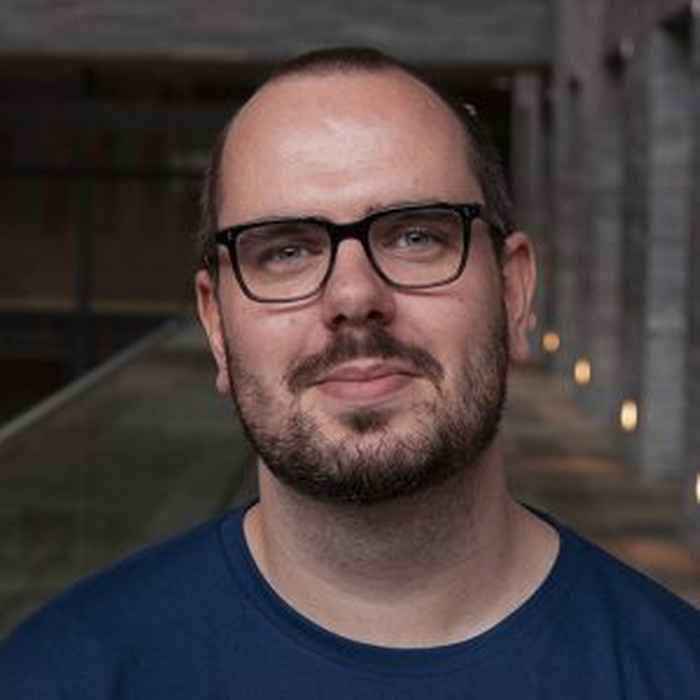
Visual Imaginaries of Gender: The potentials and limitations of GenAI
Dr. Nanne van Noord, Associate Professor of Visual Culture and Multimedia (FNWI): ‘We’re seeing more and more AI-generated images around us, while we do not yet fully understand how the sociocultural preferences of these AI systems themselves influence the images they create. With our project, working with partners from the cultural sector, we want to learn more about that.'
- Van Noord is working on this project with colleagues from faculties FMG and FGw
- In collaboration with HvA, the Sandberg Instituut and Studio Bertels
- This project fits within the research theme Responsible digital transformations
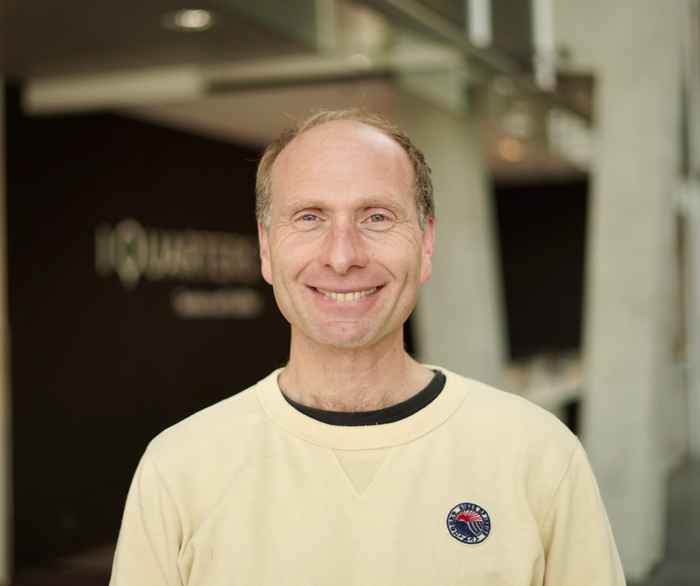
Digital Health for All: improving the continuity of care for mobile populations
Dr. Steven van de Vijver (AUMC): ‘Mobile populations like undocumented migrants and asylum seekers often lack access to their previous medical records. As a general practitioner, I often witness the challenges of treating mobile patients, who are facing challenges receiving adequate care. In my role as a researcher and medical advisor, I am committed to exploring the potential of Electronic Personal Health Records for mobile populations, aiming to empower people on the move with control over their own health information. Collaborating with healthcare providers enhances this effort by combining expertise in healthcare innovation and digital solutions.’
- Van de Vijver is working on this project with colleagues from faculties FMG, FdR and FdR
- In collaboration with Amsterdam Health & Techonolgy Institute (AHTI), the OLVG and Amsterdam Huisartsen Alliantie (AHA).
- This project fits within the research theme Fair and resilient societies.
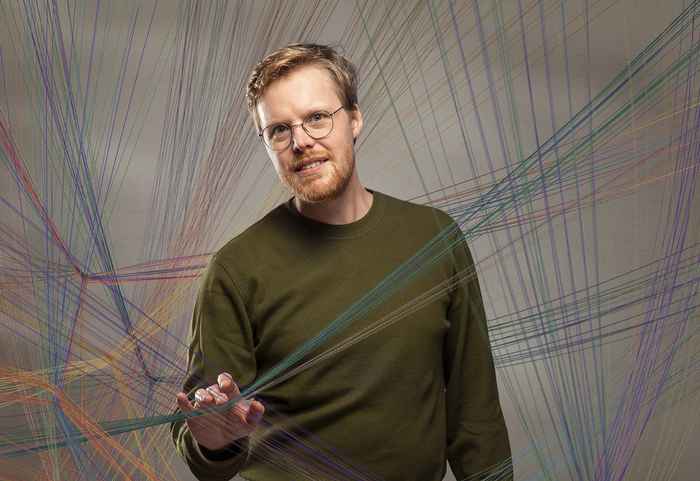
Health(ier) without PFAS: phasing out non-essential uses of ‘forever chemicals’ in hospitals and healthcare
Dr. Niek Sperna Weiland: ‘This project addresses the significant negative impact of PFAS, or 'forever chemicals', which are deeply persistent and harmful to the planet and people. They are also widely used in healthcare, with 37% of PFAS pollution originating from the medical sector. In this study we will focus on a 'living lab', where PFAS-containing products will be identified, and their essentiality will be assessed, as well as the availability of safe-and- sustainable-by-design (SSbD) alternatives.’
- Weiland is working on this project with colleagues from faculties FEB, FNWI and ACTA
- In collaboration with RIVM, Rubber Factory Wittenburg, Zilveren Kruis and ASR.
- This project fits within the research theme Sustainable Prosperity.
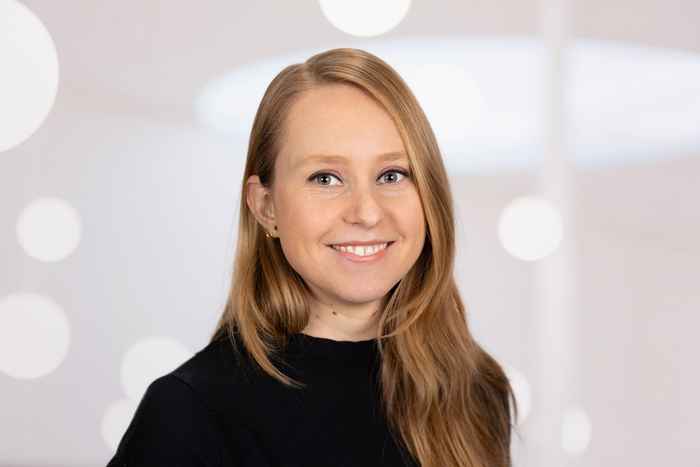
Anti-Obesity Medications on Social Media: Hype or Harm?
Dr. Monique Albas, Associate Professor of Persuasive Communication (FMG): ‘Social media has become a primary source of health information for many, particularly young people. But this information often overlooks the potential side effects of AOMs or their broader societal impacts, like medication shortages or increasing health inequalities. Our research will look at how exposure to this content may shape public attitudes toward AOMs, obesity, and the importance of a healthy diet.’
- Alblas is working on this project with colleagues from faculties FdR and AUMC.
- In collaboration with Partnership Overweight Netherlands (PON), Keuringsraad Kennis en Advies Gezondheidsreclame and the Voedinsgcentrum.
- This project fits within the theme Healthy future.