Yugoslavia tribunal established the facts – but a unified ‘truth’ remained elusive
7 september 2026
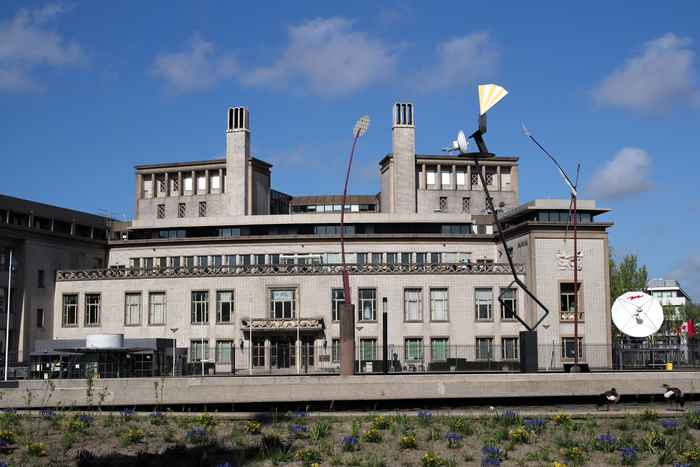
‘The only victor would be the truth’
When the Tribunal was created, expectations went well beyond putting individuals on trial. It was supposed to contribute to an authoritative historical record and, ultimately, peace in the region. The US representative at the UN Security Council famously declared that it would be “no victors’ tribunal” and that “the only victor” would be the truth.
But there was a fundamental problem: the ICTY was a criminal court, with a mandate focused on individual responsibility for crimes committed during the conflicts. The wider political causes of the wars lay outside its formal jurisdiction.
‘This meant that the pursuit of the historical “truth” of the causes of what happened, in the cases in which it occurred at all, was more of a by-product than the goal of the proceedings,’ says Finci.
That did not stop the prosecution from presenting much bigger stories, however. Legal mechanisms developed at the Tribunal, including ‘joint criminal enterprise’ (used by the prosecutors to allege a shared political motivation for those allegedly involved in the commission of crimes) meant that arguments about the political causes of the conflicts began to seep into the courtrooms.
When history meets the courtroom
The result was a clash between competing versions of the past. Prosecutors presented their interpretations of why crimes had occurred; defendants often responded with versions closely resembling the dominant national narratives in their home countries.
The ICTY established an extraordinary record of the violence. But [...] trying to unravel the “truth” now passes to the hands of historians.Petar Finci
‘If a Tribunal judgment confirmed the story established in a country’s dominant national narrative,’ says Finci, ‘it could be celebrated as another piece of a “mosaic of heroic history”. But when the judges rejected that narrative, the reaction of the of many in the affected country was often to retreat into “defensive mode”, arguing that their national history could not and would not be written by the Tribunal.’
The problem was compounded by the structure of the Tribunal itself. Different trial chambers were not required to follow each other’s findings, even when dealing with the same events or alleged perpetrators. As a result, Finci found cases where judgments offered conflicting accounts of the causes of the same violence.
‘The findings were less than consistent when it comes to the wider examination of the causes of criminal violence,’ he concludes.
An extraordinary record – but not a history book
Nevertheless, Finci says, this does not diminish the ICTY’s achievements. In the trials of more than 100 defendants, its judges established facts about crimes ranging from individual killings and detention camps to large-scale campaigns aimed at forcibly removing populations from particular territories. The Tribunal created an enormous body of evidence about the events and consequences of the wars, and established beyond reasonable doubt that large-scale violations of international humanitarian law were committed.
But Finci argues that the record becomes much more uncertain when the question changes from “What happened?” to “Why did it happen?”.
‘Future researchers would be well advised to take note of the limitations of the Tribunal’s record, particularly when using its judgments to reconstruct the political causes of the crimes,’ he says. ‘The ICTY established an extraordinary record of the violence. But the story of why Yugoslavia descended into chaos remains a tale with competing versions, and trying to unravel the “truth” now passes to the hands of historians.’