Open source model provides new insight into risky gambling behaviour
18 augustus 2026
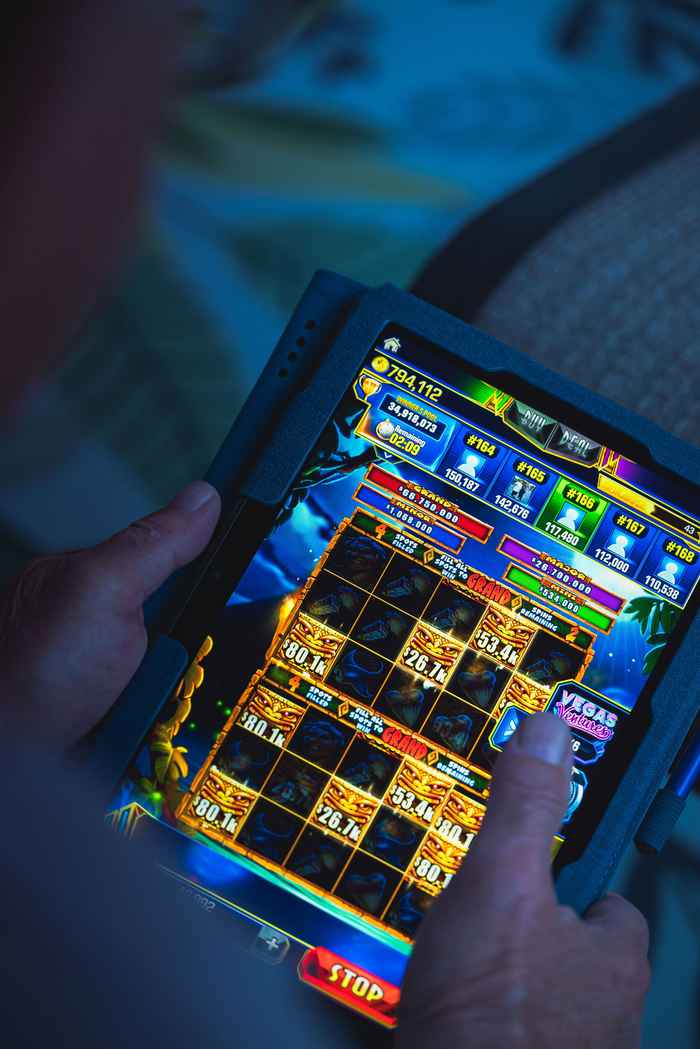
Since the legalisation of online gambling in the Netherlands, the market has grown explosively. Through apps, games and social media, an online casino is always within reach. Recent figures from the French regulator show that around 60 percent of online casinos’ revenue comes from excessive gamblers: people who gamble frequently and for extended periods, with major financial, psychological and social consequences.
Why an independent model is needed
Dutch casinos have a legal duty of care towards their players. At the same time, they possess the most detailed data on their customers – data that can be used to bind players to them. Using that same data, tools could be developed that attempt to predict when a player is at risk of becoming addicted. Virtually all existing analytical tools for this purpose were developed by or in close cooperation with the casinos. With a public and independent model, regulators worldwide now have their own transparent frame of reference at their disposal, free from commercial interests.
A unique law
Charles de Leau, now a PhD candidate at the UvA, experienced first-hand the effects gambling addiction can have, within his family and circle of friends. This gave him the idea for his research. He pitched it to ZonMw, which subsequently funded it from the Ksa's Addiction Prevention Fund. De Leau developed the model together with UvA professors Reinout Wiers (Psychology) and Johan Bollen (Computer Science).
The model was trained on, among other things, all bets made by all players at 13 Dutch online casinos over a two-year period (30 July 2023 to 30 July 2025). This data was obtained through a provision in the law that requires casinos to make their user data available for independent research. De Leau is the first and, so far, only person to have ever made use of that provision.
‘Analysing all bets from 13 different casinos over two years has never been done before by independent researchers,’ says De Leau. ‘With this massive amount of data, which is normally used by casinos themselves for marketing purposes, we can see for the first time on such a scale which patterns in gambling behaviour often precede serious problems.’
Application by governments worldwide
The model was made publicly accessible on the Ksa website on Tuesday, 18 August. This will allow other parties to make use of this algorithm as well. With the model, the Ksa can calculate risk scores based on machine learning and compare them to, for example, the risk scores used by providers. As a result, regulators (and casinos) worldwide will no longer need to rely on the closed systems of the casinos themselves, leading to more transparent supervision. De Leau: ‘This is a very different way of looking at player protection, and that will be quite a shift for many parties. In my opinion, however, it is incredibly important in this rapidly growing market that we are given more opportunities to protect players.’