'What of the Future?': Affect, Media, and the Desire for Foreknowledge
Talk by Dr. Aleks Prigozhin
- Datum
- 11 december 2025
- Tijd
- 17:00 -18:30
- Locatie
- P.C. Hoofthuis
- Ruimte
- 3.01
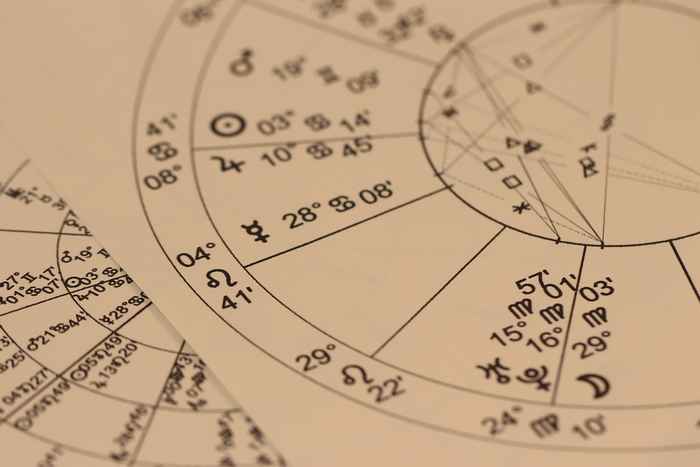
A popular expression of this anxiety was an interest in astrology and fortune-telling, which reached new heights in this period with the birth and proliferation of the weekly star-chart column. In responding to this phenomenon and to the underlying anxiety about where history was going, progressive intellectuals like Charles Madge and Tom Harrisson, Walter Benjamin, and Georg Lukács reckoned with the rise of fascism and with the problem of (the desire for) foresight that is a component of modernity as much as of the “archaic” or superstitious belief that modernity was supposed to have overcome. Inadvertently, they also give rise to a tradition of affective historicism that continues to this day in the works of Lauren Berlant, Jonathan Flatley, and others.
The talk is particularly interested in the arguments made in the 1930s ‒ and now ‒ on behalf of the arts as offering unique insight into what is just around the bend ‒ the imminent, near future.