The Bridgerton Paradox in AI
Balancing Diversity, Authenticity & Ethical Innovation
11 maart 2026
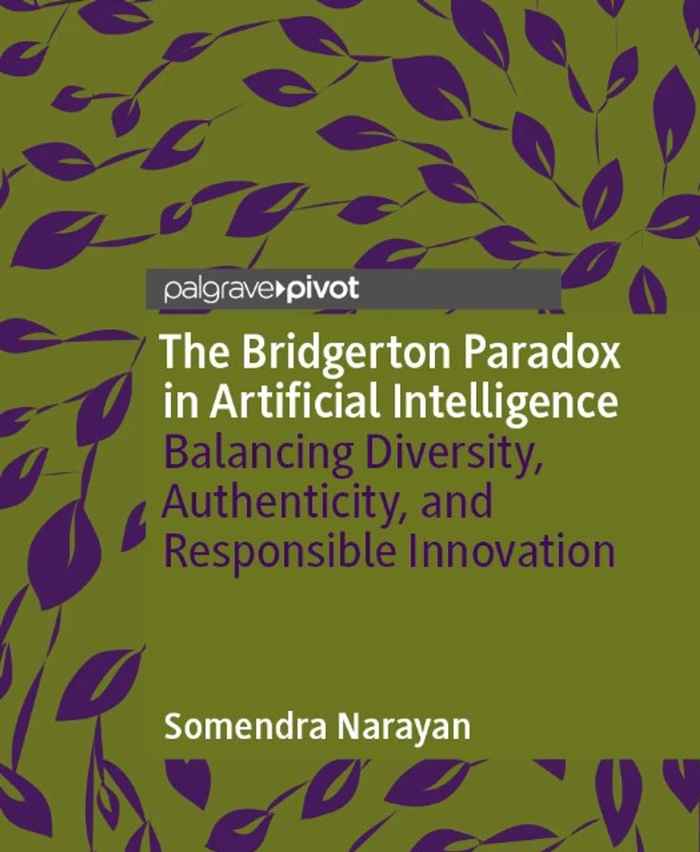
Using the example of Bridgerton - a series that reimagines history through a modern, inclusive lens - the book looks at the tension between keeping historical data ‘authentic’ and correcting the injustices built into it.
The book shows how AI systems are often trained on archives that reflect colonial hierarchies and selective records. Because of this, AI can become a powerful ‘memory machine’ that repeats outdated ideas on a large scale. Drawing on systems thinking, socio-technical theory and Nagarjunian relational epistemology, the book argues that history is not one fixed story but a network of different perspectives. AI needs to recognise this complexity rather than simplify it.
Building transparent systems
The book also offers a practical path toward what it calls Decolonized AI. This means building systems that are transparent about where their data comes from, aware of cultural context, able to represent multiple perspectives and developed together with the communities they affect. Instead of surface-level diversity or quick fixes, the book calls for more reflective AI technology that widens who can help shape the future while staying honest about the complexities of the past.
A video interview (below) with Narayan about his book and research was also released recently.