
Annual review 2025
Research at the Faculty of Science (University of Amsterdam)
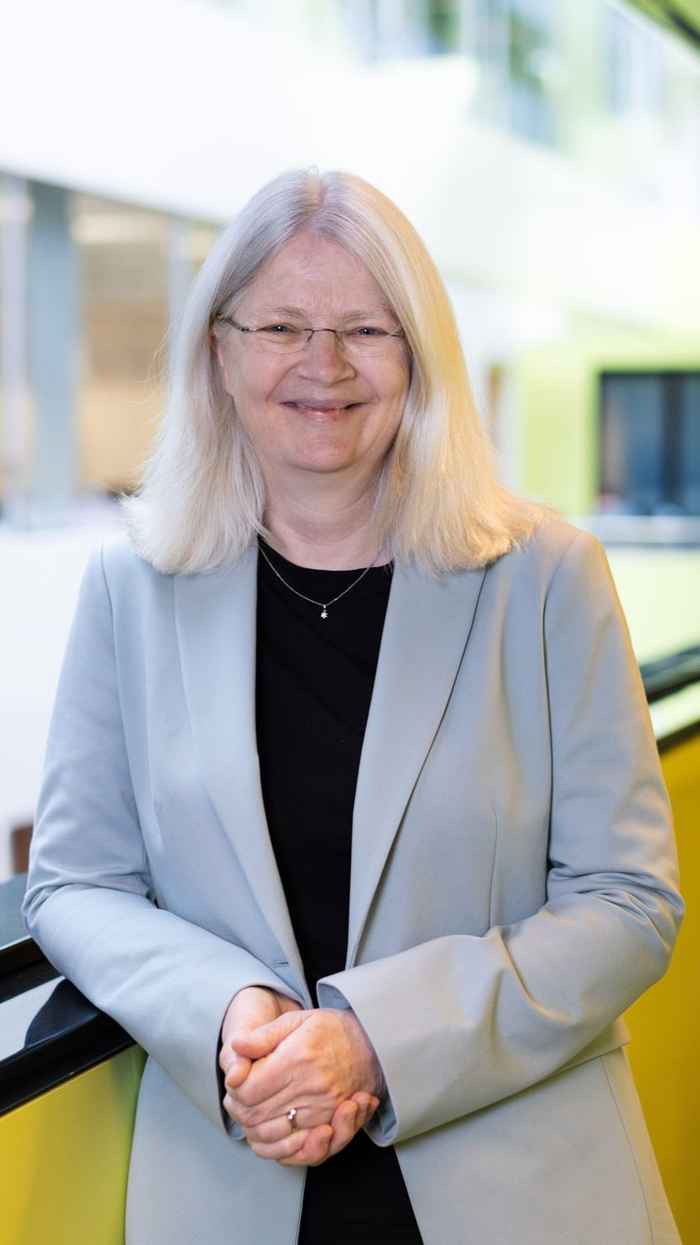
Proud to contribute
What I love about our faculty is that we are strong in science as well as in technology, and that the two are often intertwined. Last year our faculty celebrated it’s 25th anniversary in a time where the geopolitical situation is constantly changing and the trust in knowledge and research is not a given like it was in the past.
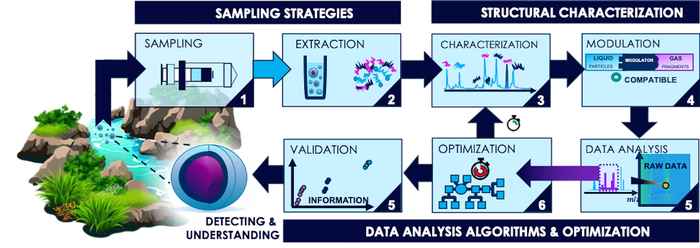
Universities have an increasing responsibility to contribute to societal challenges and our faculty does that in multiple ways. For example by researching ways of detecting chemical warfare agents, by trying to get a grip on nanoplastics, by tackling challenges related to our food supply and by developing an AI model for better forecasting natural disasters.
I am proud of the many wonderful initiatives and the rich research environment we have at this faculty, and I aim to ensure that our faculty continues to anticipate emerging opportunities and nurture talent.
Prof. Susan te Pas
Dean of the Faculty of Science
Impact
At the Faculty of Science we participate in research activities that are geared towards the development of applications for the benefit of society at large; activities that are often conducted in large national and international collaborations, and funded through research consortia and public-private partnerships.
-
-

Could police crackdowns actually help criminal networks?
-

SignLab Amsterdam launches sign language game for children
-
The chance that the weather forecast is correct
-
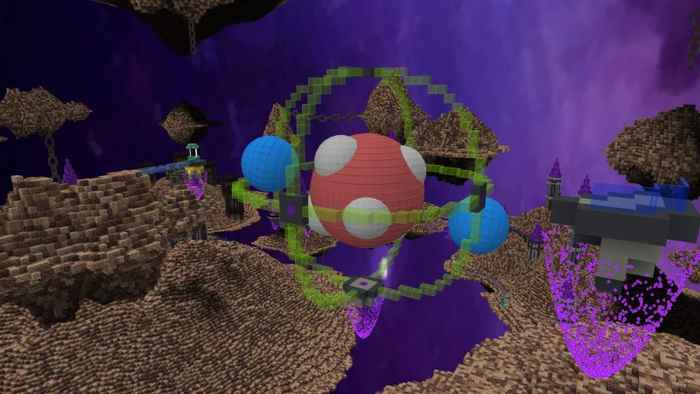
More than 500,000 downloads for Faculty of Science Minecraft minigame
-
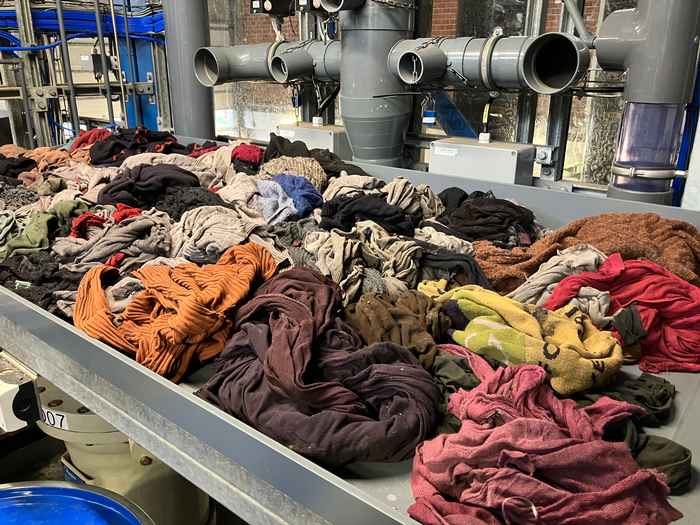
UvA research leads to viable solution for polycotton textile waste recycling
-

Physics meets fashion: a bioluminescent dress
-
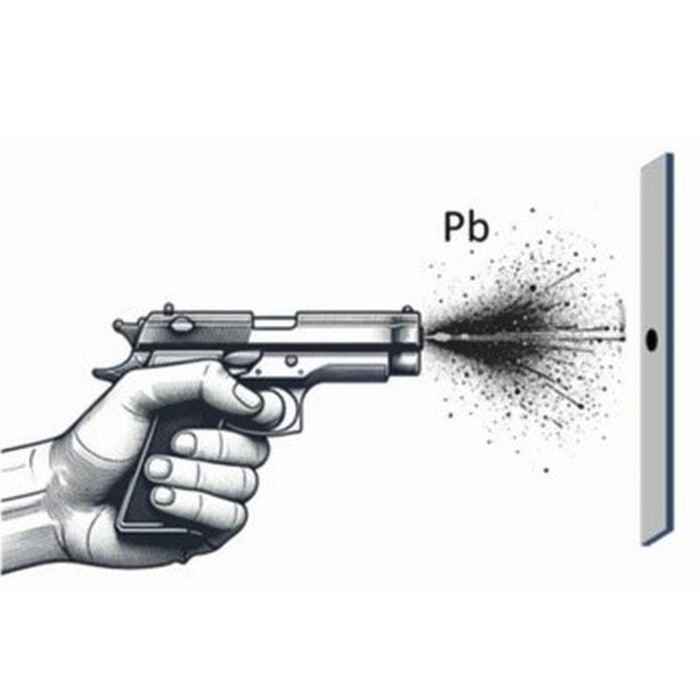
Solving crimes with glowing evidence: a brand-new method to detect gunshot residue at the crime scene
Figures on research
8 research institutes
158 million revenue
2,295 (co-authored) publications
with 48% online attention
183 PhD ceremonies
1,211 academics
563 PhD's
109 full professors
64% international researchers
35% female academics
Highlights SMART
The multidisciplinary research theme Smart compromises research areas such as information technology, computational science and quantum computing.
-

Why GPT can’t think like us
Artificial Intelligence (AI), particularly large language models like GPT-4, has shown impressive performance on reasoning tasks. But does AI truly understand abstract concepts, or is it just mimicking patterns? A ... -
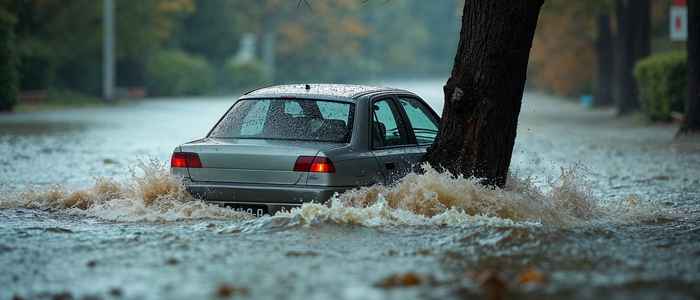
Breakthrough AI model could transform how we prepare for natural disasters
As climate-related disasters grow more intense and frequent, an international team of researchers has introduced Aurora—a groundbreaking AI model designed to deliver faster, more accurate, and more affordable ... -

What the human brain can do that AI can’t
How do you intuitively know that you can walk on a footpath and swim in a lake? Researchers from the University of Amsterdam have discovered unique brain activations that reflect how we can move our bodies through an ... -
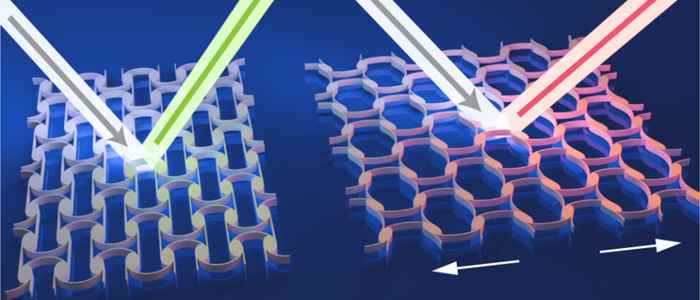
A nanoscale chameleon
Inspired by the Japanese art of kirigami, a team of scientists from the University of Amsterdam have developed a material that can reflect different colours of light, depending on how it is stretched. The results ...
Fundings SMART
Grants and fundings for projects within the multidisciplinary research theme Smart.

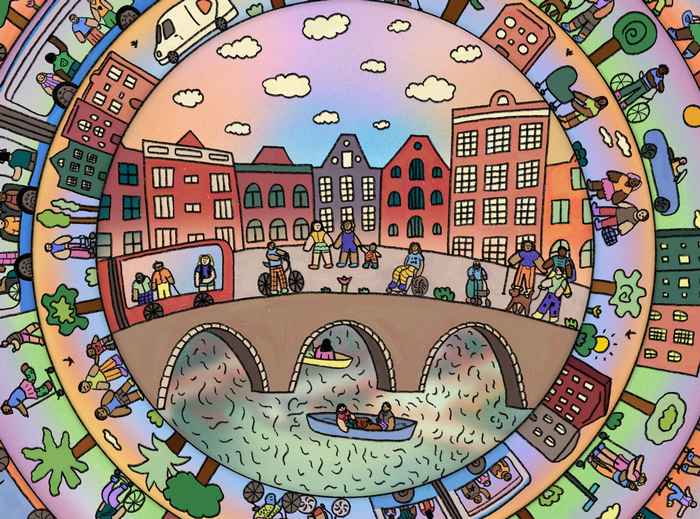

Highlights GREEN
The multidisciplinary research theme Green compromises all our research on sustainability, ranging from zero waste and the development of new materials to future-proof agricultural crops and human impact on nature.
-

Arctic-bound birds can still keep up with climate change – for now
As climate change drives earlier spring conditions in the Arctic, birds species that travel there to breed there are under pressure to migrate faster. A new study led by researchers from the University of Amsterdam ... -
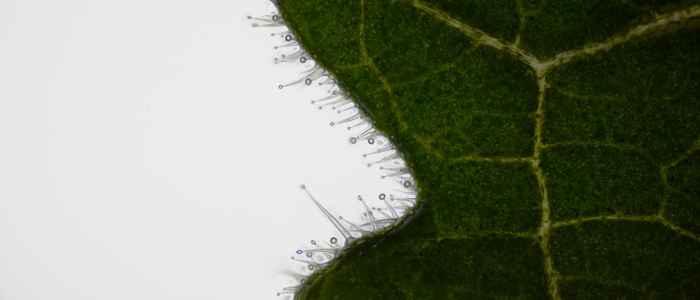
Tomato plants’ sticky self-defence ‘minefields’
Many plants use tiny ‘hairs’ called trichomes as a first line of defence against plant-eating insects. New research by experimental physicists and plant physiologists at the University of Amsterdam shows how tomato ... -
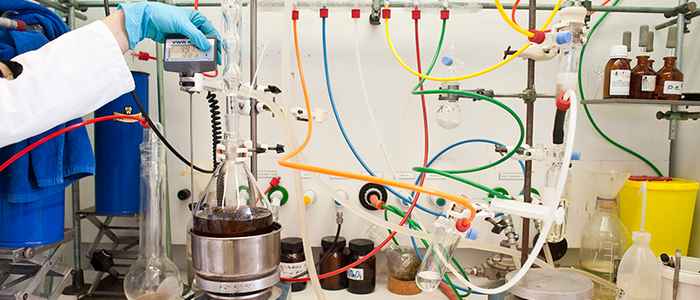
Using alcohol dehydrogenases for the clean synthesis of amides and thioesters
Researchers at the Biocatalysis group led by Dr Francesco Mutti (HIMS) have developed a novel use of alcohol dehydrogenase (ADH) enzymes. In an article designated as VIP (very important paper) in Angewandte Chemie, ... -
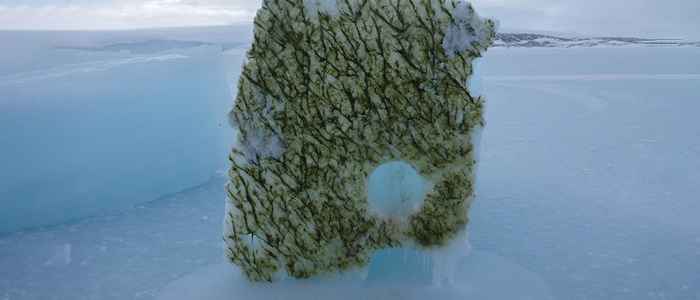
Loss of sea ice alters the colors of light in the ocean
The disappearance of sea ice in polar regions due to global warming not only increases the amount of light entering the ocean, but also changes its color. These changes have far-reaching consequences for ...
Fundings GREEN
Grants and fundings for projects within the multidisciplinary research theme Green.
Highlights PURE
The multidisciplinary research theme Pure compromises fundamental research areas such as experimental physics, particle physics, mathematical lines of research, high-energy astrophysics an the Origins of Life programme.
-
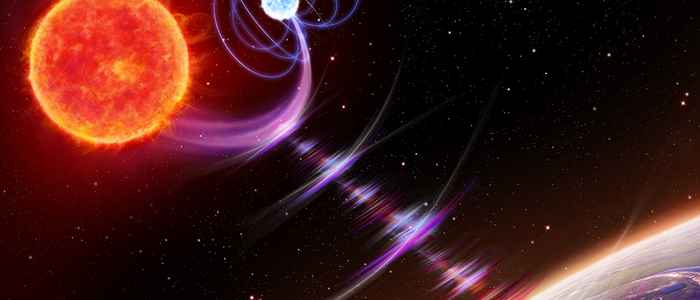
White dwarf with partner flashes every two hours
An international team of astronomers led by scientists of the University of Amsterdam has shown that a white dwarf and a red dwarf orbiting each other every two hours are emitting radio pulses. Thanks to observations ... -
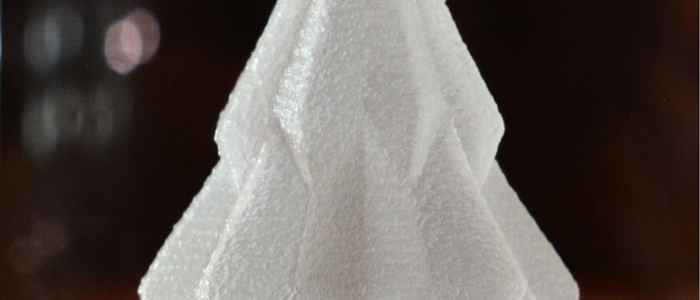
A 3D-printed Christmas tree made entirely of ice
A team of physicists from the University of Amsterdam has 3D-printed a Christmas tree made entirely of ice. Researchers Menno Demmenie, Stefan Kooij and Daniel Bonn used no freezing technology or refrigeration ... -
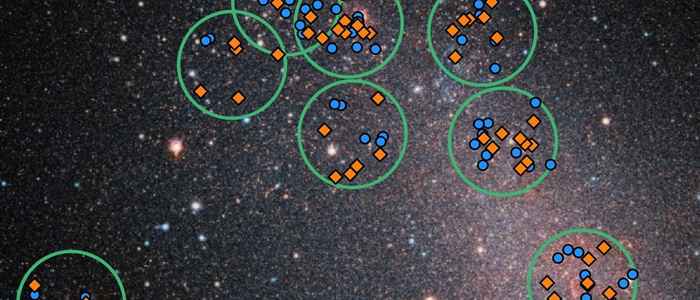
Massive stars in metal-poor environment often have close partner
Massive stars in metal-poor galaxies often have close partners, just like the massive stars in our metal-rich Milky Way. This is discovered by an international team of seventy astronomers among whom many scientists ... -
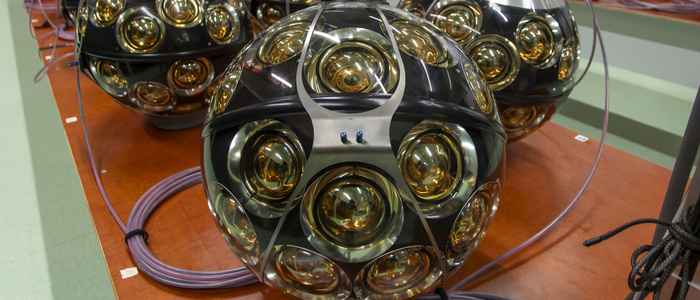
KM3NeT detects highest energy neutrino ever
On 12 February 2025, the KM3NeT collaboration, involving several UvA researchers, announced the detection of a cosmic neutrino with a record energy of about 220 PeV, measured in the depths of the Mediterranean Sea.
Fundings PURE
Grants and fundings for projects within the multidisciplinary research theme Pure.

Highlights HEALTH
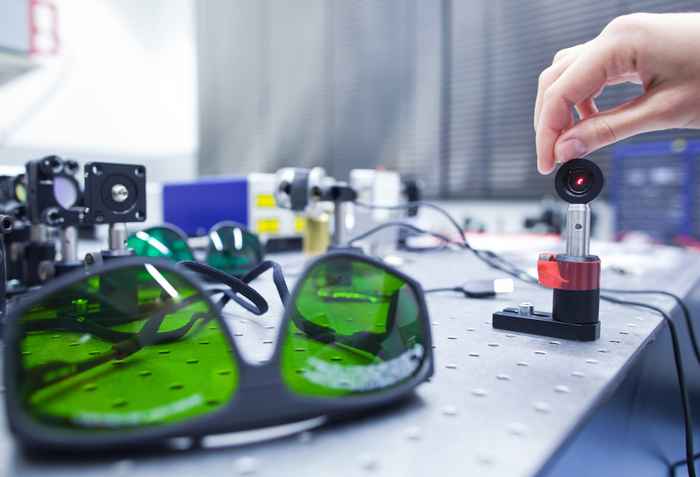
The multidisciplinary research theme Health compromises research areas such as microbiology, neurobiology, advanced microscopy and medical AI applications.
-
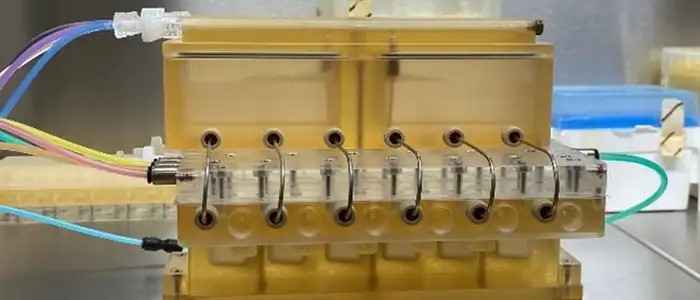
Animal-free miniature gut model for microbiome research
The gut microbiome plays a large role in diseases like diabetes and obesity. Therefore, studying the microbiome is very important, but research options are limited. Assistant Professor Jianbo Zhang has contributed to ... -
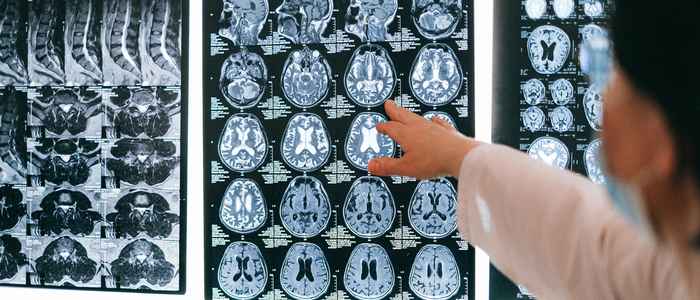
Interdependent scaling exponents in the human brain
Understanding how brain activity is organised across large networks is an important challenge in neuroscience. Researchers, including Fernando A. N. Santo (KdVI), analysed resting-state fMRI data from a large group ... -
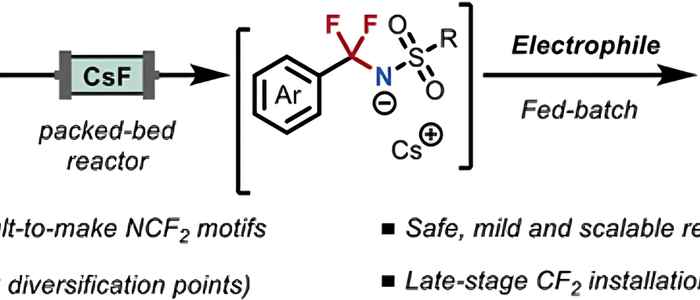
Safe and scalable synthesis of fluorinated amine compounds for medicinal chemistry
In a 'hot paper' that has been published in Angewandte Chemie, researchers at the Flow Chemistry group of the Van ‘t Hoff Institute for Molecular Sciences report a safe and scalable flow-based strategy for the ... -
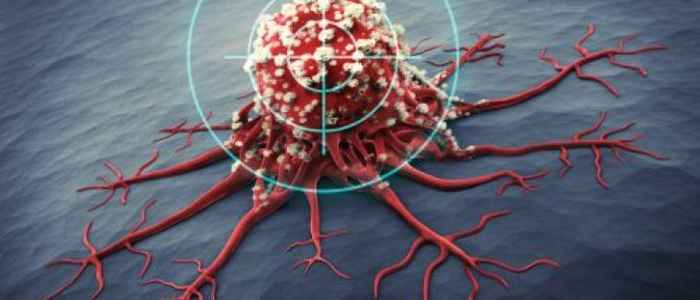
Computationally engineered peptides for targeted modulation of pathological cell death
Researchers at the University of Amsterdam have pioneered a computational approach to designing peptides that target Bax, a key regulating protein of programmed neuronal cell death. Their study, recently published in ...
Fundings HEALTH
Grants and fundings for projects within the multidisciplinary research theme Health.

Individual accomplishments
-
Personal grants in 2025
Grants allocated by the European Research Council and the Dutch Research Council to researchers associated with the Faculty of Science. -

Individual honours in 2025
Awards, prizes, medals and other achievements on an individual basis presented to researchers of the Faculty of Science.
Appointments
-
Renée van Amerongen, professor of Fundamental Stem Cell and Cancer Research
Van Amerongen's research is positioned at the intersection of developmental, stem cell and cancer biology. It focuses on unravelling the molecular and cellular mechanisms that regulate the growth and maintenance of mammalian tissues. A fundamental understanding of how cells divide and adopt a specific identity (differentiate), such that different tissues and organs acquire and maintain their final form and function, forms the foundation for new prevention strategies, diagnostics and therapeutic interventions in medicine.
-
Bernd Ensing, professor of AI for Chemistry
Ensing aims to improve and apply AI to accelerate the discovery of new molecules with desired characteristics, focusing on the scientific as well as societal aspects of their application. Generative machine learning models are able to explore the immense volume of possible molecules, the so-called chemical space, searching for new compounds and predicting new drug molecules, catalyst materials, or biodegradable polymers.
-
Susan te Pas, professor of Cognitive Science of Visual Perception
Te Pas' academic career began in physics: she studied Experimental Physics at Utrecht University and subsequently conducted PhD research in the field of Vision Sciences. Later, she switched to Psychology and became interested in education and educational management. Since 2012 Te Pas has been professor of Cognitive Psychology of Higher Education at Utrecht University. With Te Pas' appointment as dean of UvA's Faculty of Science on 1 July 2025, she was appointed a professor at the University of Amsterdam.
- Michael Walter, professor of Quantum Information Science
- Johan Bollen, professor of Simulation of Complex Adaptive Systems
- Ivan Titov, professor of Natural Language processing and Machine Learning
-
Special appointments
Check the full list of professorial appointments, including the special appointments.
Our research institutes
-
Institute for Biodiversity and Ecosystem Dynamics
-
Informatics Institute
-
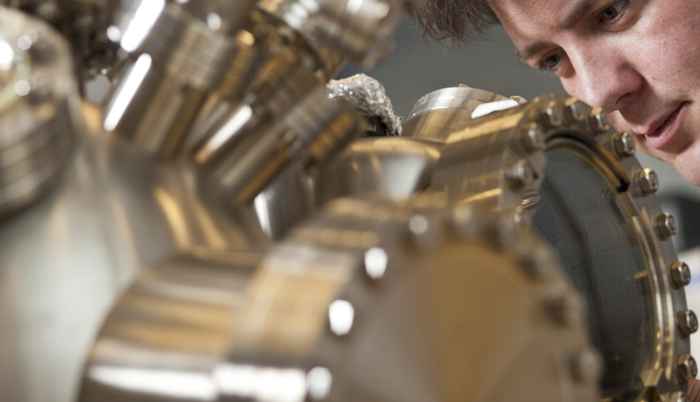
Institute of Physics
-
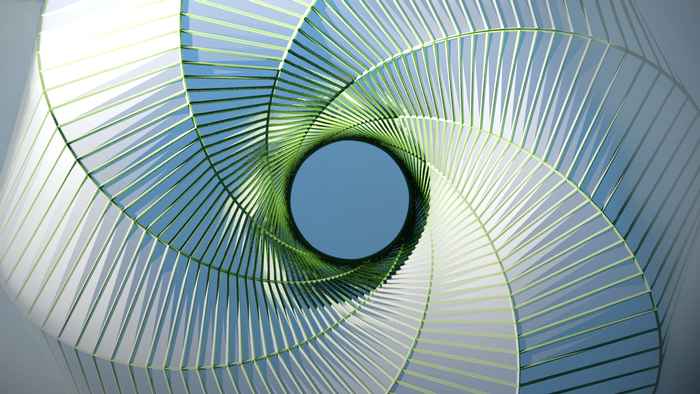
Korteweg-de Vries Institute for Mathematics
-

Swammerdam Institute for Life Sciences
-
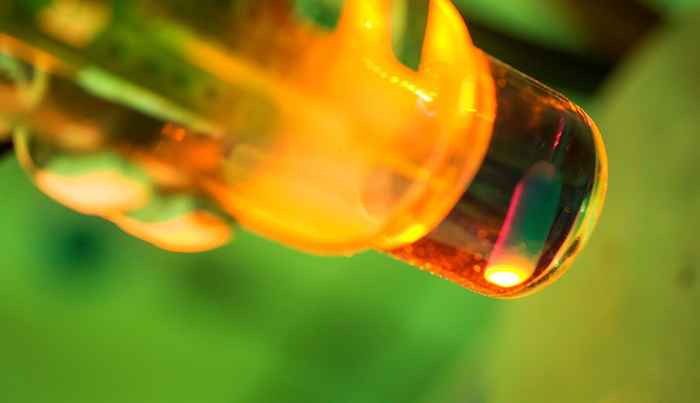
Van 't Hoff Institute for Molecular Sciences
-
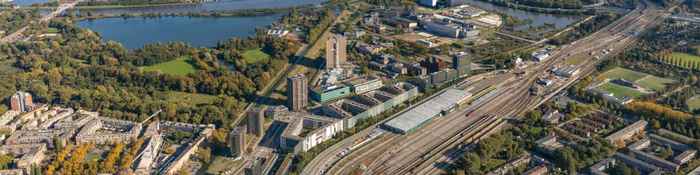
Institute for Logic, Language and Computation
-
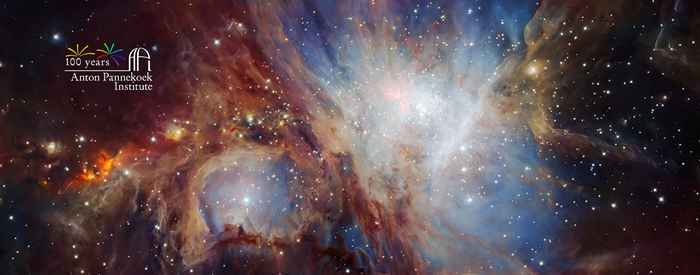
Anton Pannekoek Institute for Astronomy