Individual honours in 2025
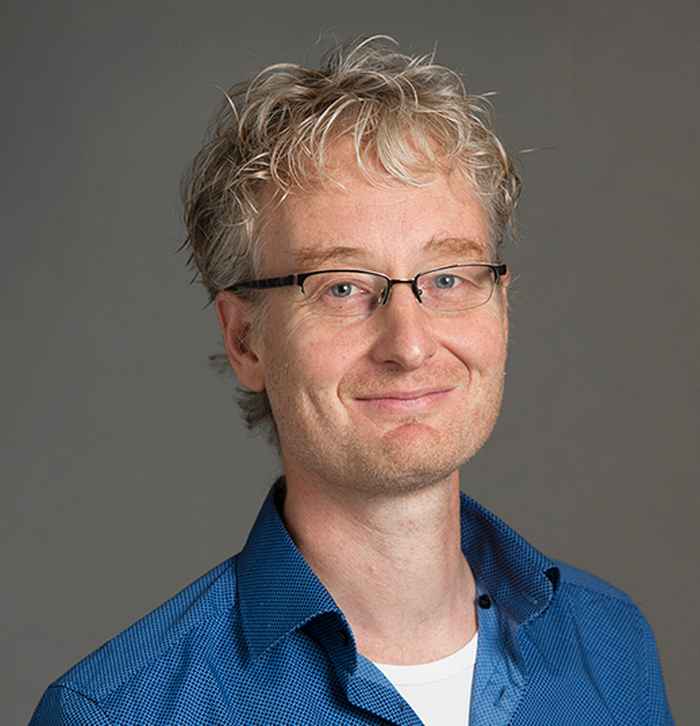
Without our own artificial intelligence, Europe has no future, says Max Welling. Welling, Professor of Machine Learning at the Informatics Institute (IvI), has developed models that have become new standards in AI and plays a leading role in advancing machine learning in the Netherlands and across Europe. He bridges science, politics, and industry. He is co-founder of CuspAI, a startup that combines AI and chemistry to develop sustainable materials. Through this work, he contributes to a resilient and autonomous Europe in which AI is not only developed, but also directed towards societal and ecological progress.
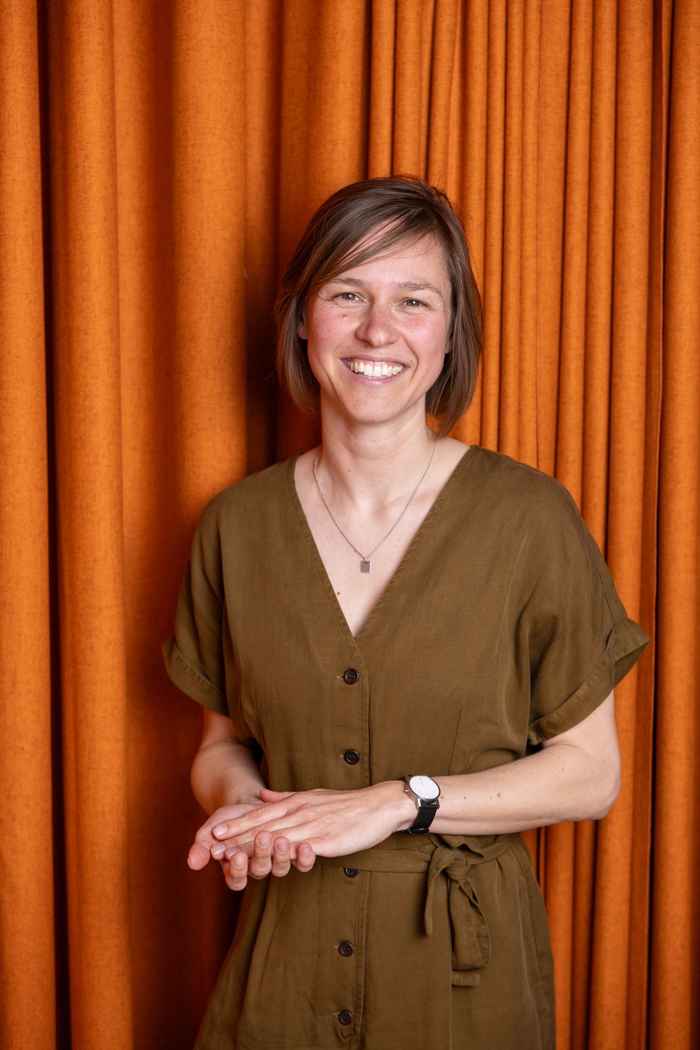
During the For Women in Science award ceremony at NEMO Science Museum, Francken received a prize worth €30,000 to further develop her research in a fellowship at the Netherlands Institute for Advanced Study. Every two years, the programme, an initiative by L’Oréal Groupe in the Benelux and the Netherlands Commission for UNESCO, rewards four exceptional female scientists in the Netherlands with a research grant honoring their exceptional contribution to science and to further develop their groundbreaking innovations and their research.
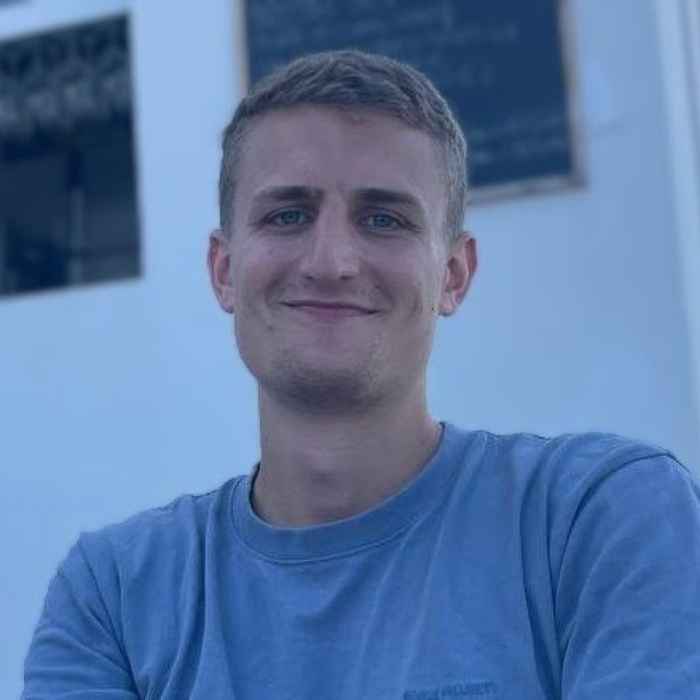
The Amsterdam University Fund (AUF) awarded eight young scientists the AUF Impact Call Award, each good for an amount of €25,000 per project. Their projects aim to advance science for a green future, healthy generations and a strong society. One of the notable laureates is Sven Karbach. Karbach is developing a data-driven riskmanagement tool for investments in renewable energy. His project focuses on managing so-called volumetric risks - for example, unpredictable returns from solar and wind.
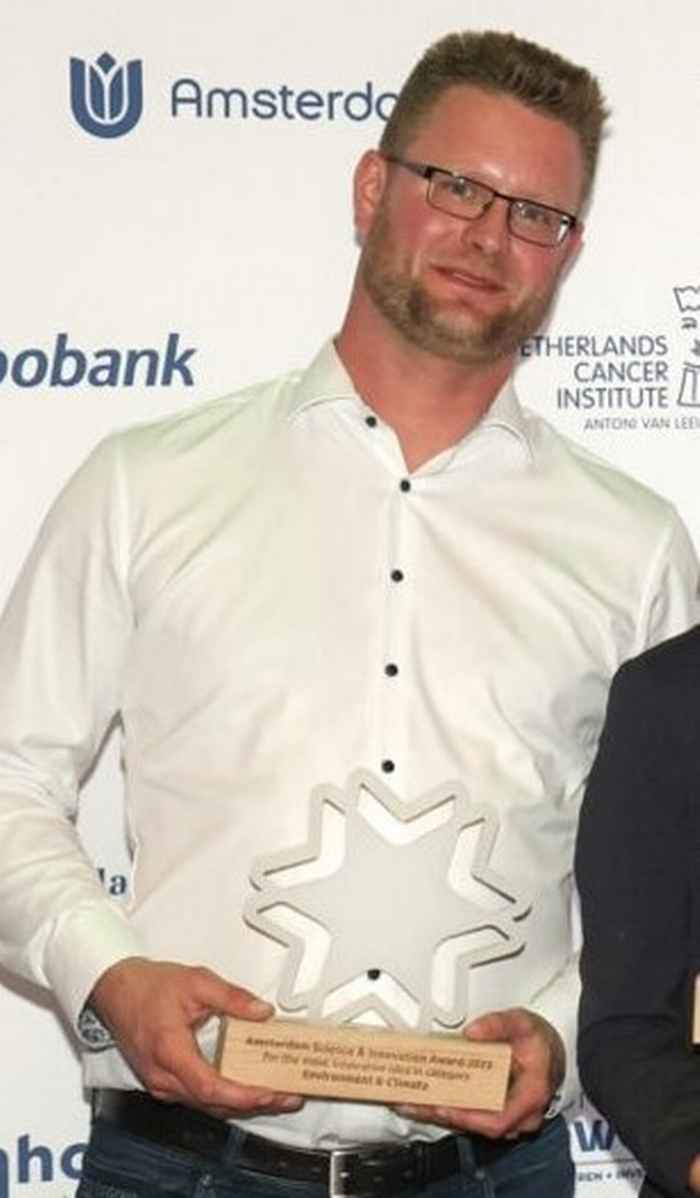
The Innovation Awards were presented for the 17th time at NEMO Science Museum. In the Environment & Climate category, Florenz Buß won with his pitch for BOR-LYTE. With the €10,000 cash prize, Buß and the BOR-LYTE team will further develop the idea to develop an environmentally friendly energy storage battery using borate, a natural mineral, and other industrial residues.
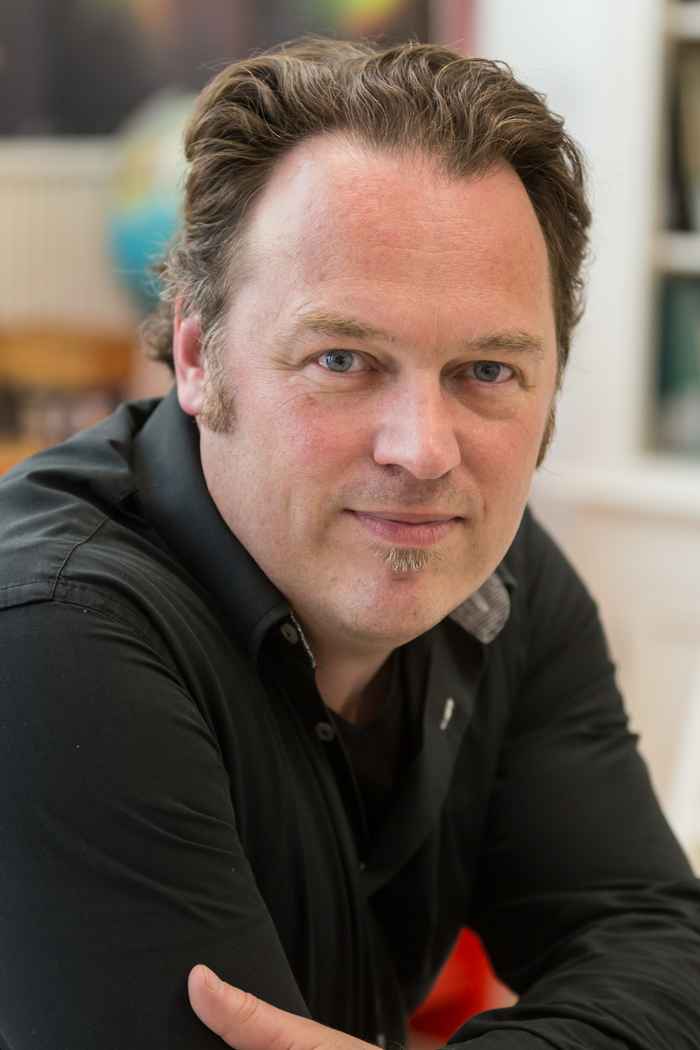
Jacco Vink is associate professor at the University of Amsterdam. He is internationally recognized for his contributions to the study of supernova remnants and the origin of cosmic rays. The Humboldt Prize will allow Vink to undertake a six month research trip to DESY, the German high energy physics lab in Berlin.
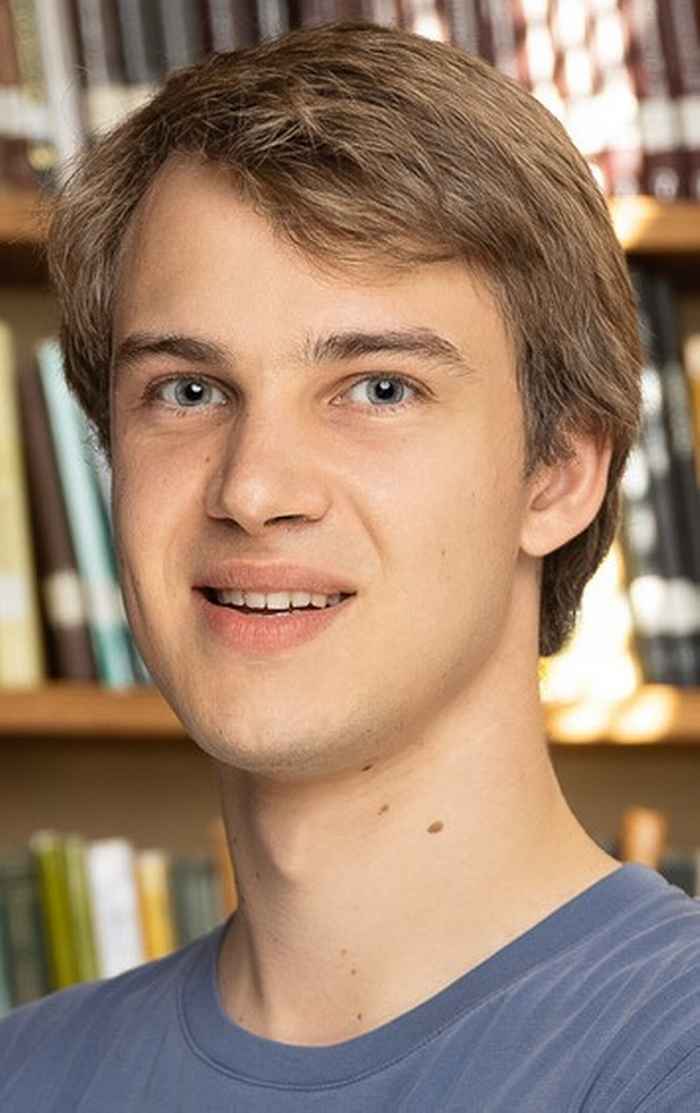
The Gribov Medal, a prize established by the European Physical Society for outstanding work by a young theoretical physicist, has been awarded to UvA scientist Lorenz Eberhardt. It is the first time the prestigious medal has been awarded to a physicist at a Dutch university. Lorenz Eberhardt is currently an assistant professor at the University of Amsterdam.

Prof. Liesbet Geris is professor in Biomechanics and Computational Tissue Engineering at the University of Liège and the KU Leuven and she is also the director of the Virtual Physiological Human institute. Geris conducts research in the field of in-silico medicine. Based on computer calculations, she develops a digital representation of a human health or disease state and brings it into clinical practice. During the Dies Natalis, the celebration of UvA's 393rd anniversary, Geris received a honorary doctorate for her pioneering, scientific work in the field of in-silico medicine and the Virtual Human Twin, and their integration into clinical applications.