NWA grants millions for research into lasting impacts of Dutch slavery and colonialism
29 April 2026
This funding is related to the NWA call ‘Slavery Past: (Underexamined forms of) Impacts and Perspectives’. The project will be carried out by a consortium of researchers at various universities and knowledge institutions from across the Netherlands and abroad.
Impact and recovery
Colonialism and slavery have left deep scars on world history. The Netherlands’ history of slavery and colonialism continues to impact contemporary society. Despite formal apologies from the Dutch government, injustices persist and are largely absent from academic research and public debate – a form of epistemic injustice. In the NWA project, Helberg-Proctor and her colleagues will investigate the lasting impacts of slavery and colonialism, and explore possibilities for reparation from the perspectives of descendants of enslaved people and indigenous communities in and from Suriname, the Caribbean part of the Kingdom, South Africa, Indonesia, and the Netherlands itself.
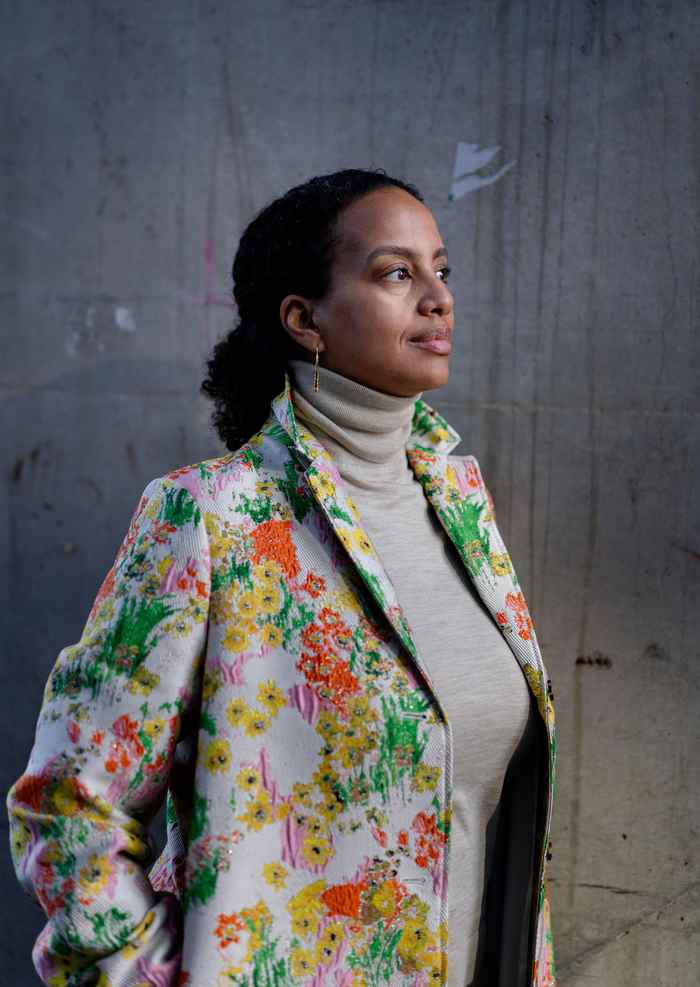
Academic knowledge production regarding the lasting impacts of the Netherlands' history of slavery and colonialism has faced resistance and opposition within Dutch scholarship, including at the UvA. As a result, this subject has been insufficiently researched. With this NWA grant, we can address this and help bridge the academic knowledge gap. It is an honour to be able to continue the work done at the UvA in the complex institutional context of the 1970s, 80s, and 90s by, among others, Dr Waldo Weilbron and Prof. Philomena Essed, with the first NWA grant on this important societal topic and with a strong international team.Alana Helberg-Proctor

Consortium partners
Dr Alana Helberg-Proctor, interdisciplinary social scientist in the Antropology department at the UvA, is main applicant. Consortium partners are: Dr Emmanuel Akwasi Adu-Ampong (Wageningen University and Research), Dr Markus Balkenhol (Meertens Instituut - KNAW), Dr Sadiah Boonstra (Universitas Gadjah Mada, Indonesia), Prof. Ben Crum (Vrije Universiteit Amsterdam), Dr Benedicta Deogratias (University of Aruba), Ida Does (Ida Does Productions), Prof. Serena Does (Verwey-Jonker Instituut), Dr Renzo Duin (International Center for Amazonian Indigenous Knowledge AMIK), Dr Coen van Galen (Radboud Universiteit), Dr Rachel Gillett (Utrecht University), Dr Margo Groenewoud, Dr Deniz Ikiz (TU Eindhoven), Nancy Jouwe, Claudia Kraan, Dr Harro Maat (Wageningen University and Research), Dr Linda Mann (AARN, Columbia University, USA), Wim Manuhutu (Vrije Universiteit Amsterdam), Dr Erica Meijers (Protestantse Theologische Universiteit), Prof. Siona O'Connell (University of Pretoria, South Africa), Dr Matthias Rosenbaum-Feldbrügge (Radboud University), Dr Carolina Sanchez-Jaegher, Uriël Sabajo (Diaspora Instituut Nederland DIN), Melissa Stamper, Afiah Vijlbrief-Angela (University of Amsterdam), Diana Vlet (Stichting Herdenking Slavernijverleden SHS), Dr Sanne Weber (Radboud University), Dr Patricia Wijntuin (Utrecht University) and Dr Paul Wolff Mitchell.