How European Law Knows the World – Epistemic Power in the EU Regulatory State
30 October 2026
Maria Weimer explores how EU law shapes knowledge, whose expertise counts and what this means for democracy, from pesticide safety to deforestation.
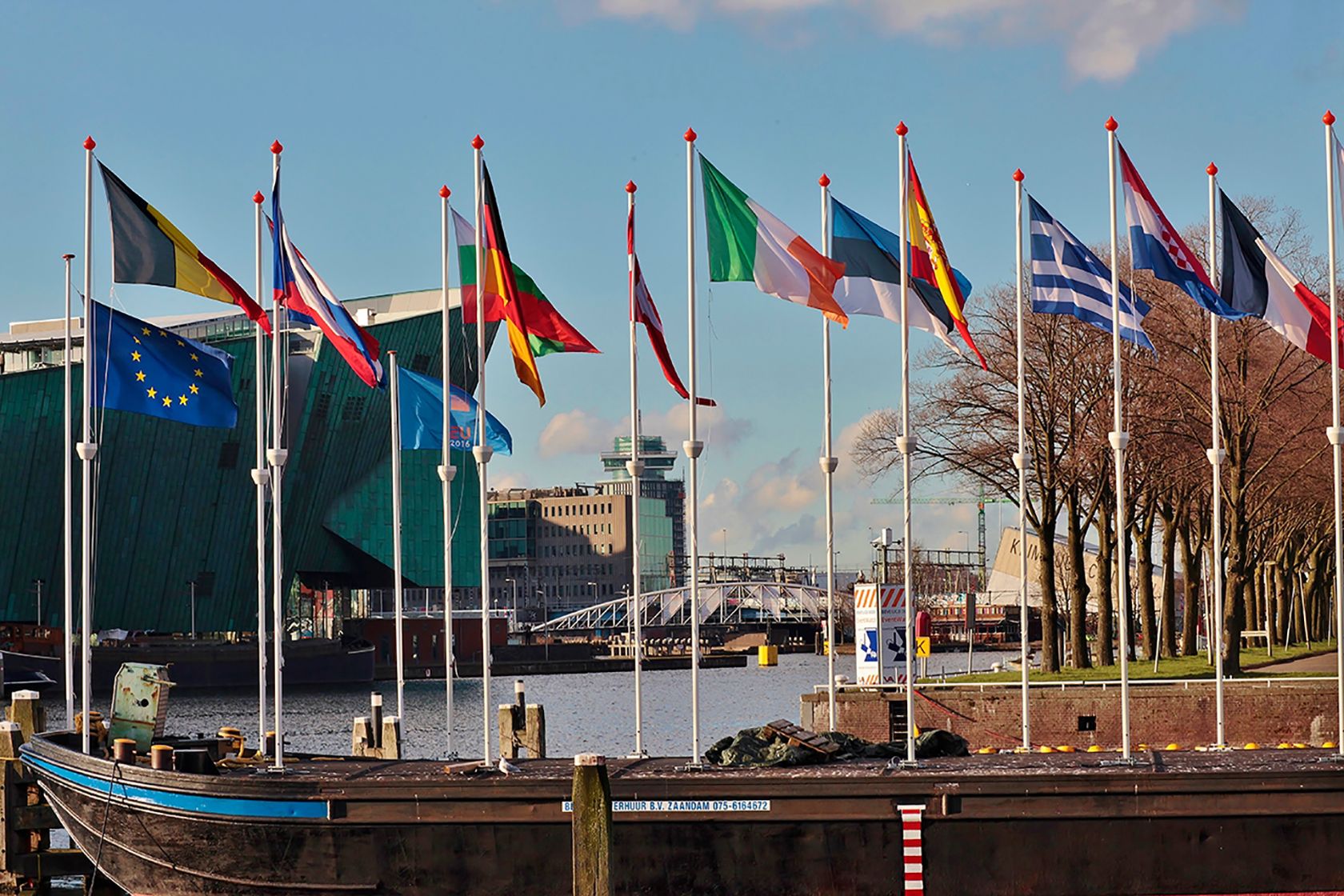
Maria Weimer explores how EU law shapes knowledge, whose expertise counts and what this means for democracy, from pesticide safety to deforestation.
How research on conservative women reshapes political history, gender studies and ideas of political authority—from influence and activism to motherhood and faith.

Myrthe Potters is op 1 september 2026 begonnen met haar promotieproject bij ARTES 'Moreel vakmanschap en de crisis van de naoorlogse politiek-bestuurlijke orde (1968-1982...
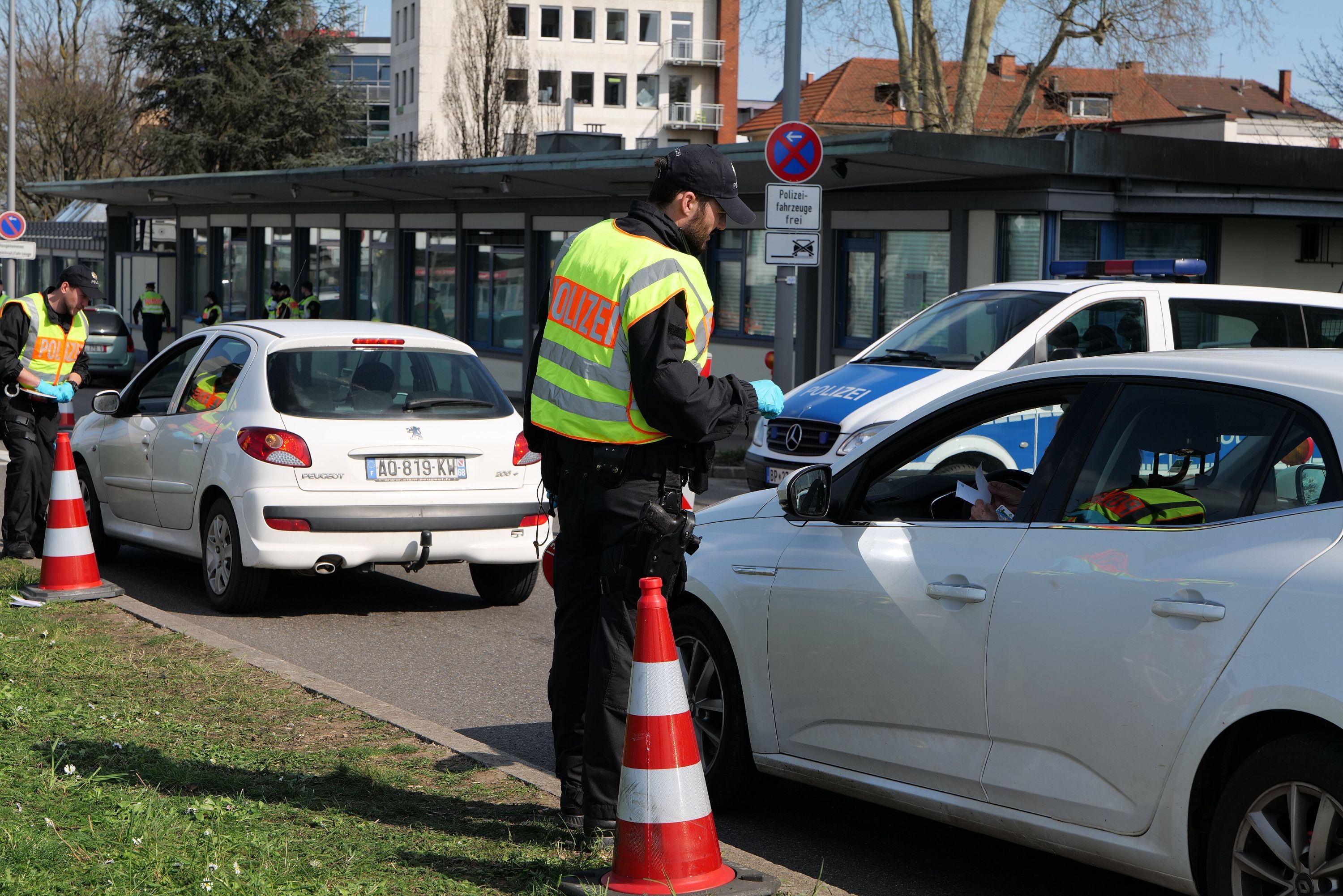
Italy responded to events in Ceuta by imposing border controls on travellers arriving from Spain. Germany has once again extended its controversial border controls. Schen...
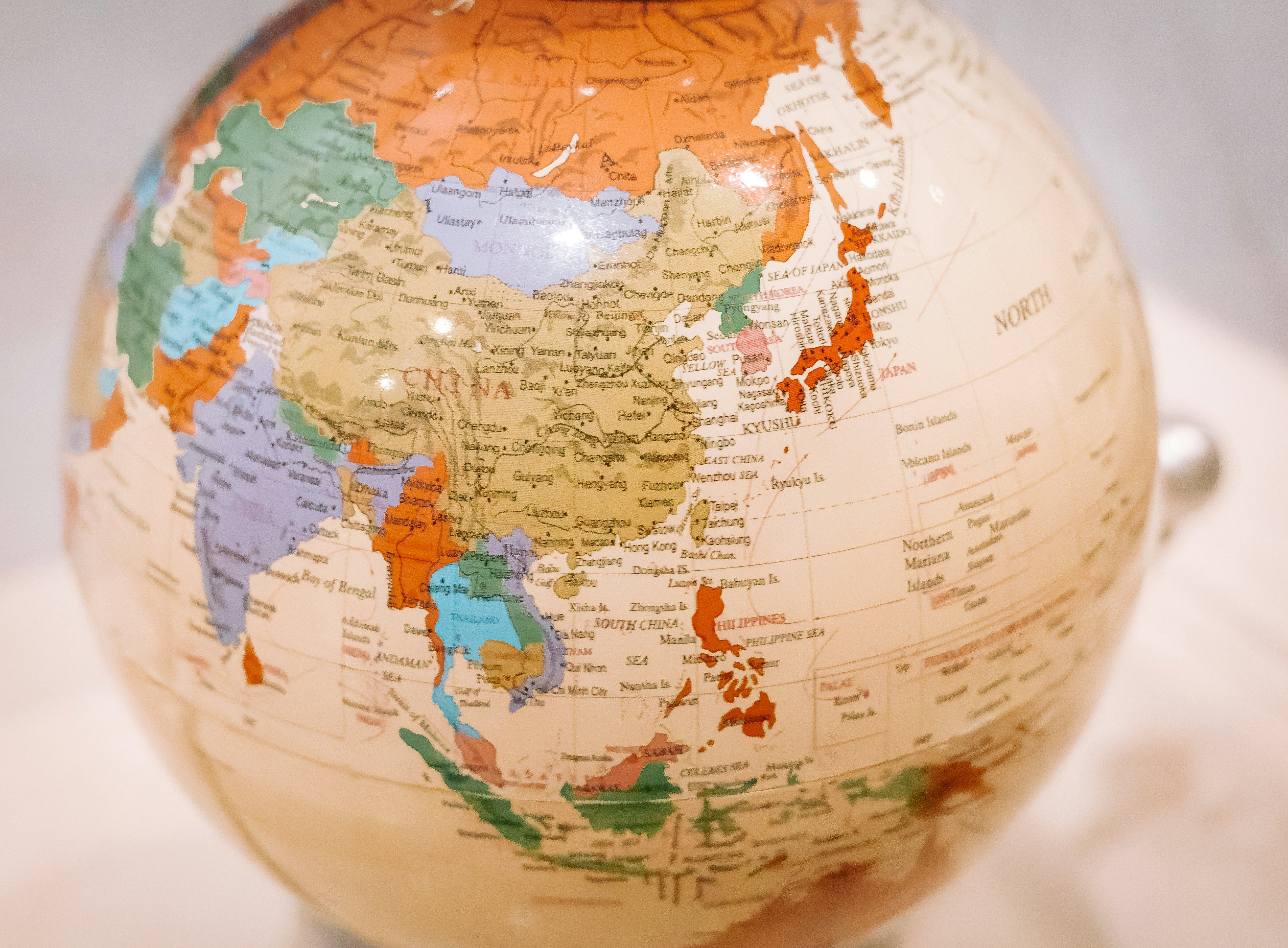
Call for Papers for conference on how East, South-East, South and West Asia shaped pan-European ideas of identity, borders and global influence, 1900–1980.

Workshop on how AI, automation and globalization reshape labor markets, inequality, politics and policy in Europe. Submit papers on economic and political impacts.
Veertien studenten International Dramaturgie en Europese studies nemen deel aan de HF x UvA Writers Residency, een samenwerking tussen het Holland Festival en de UvA. Tij...
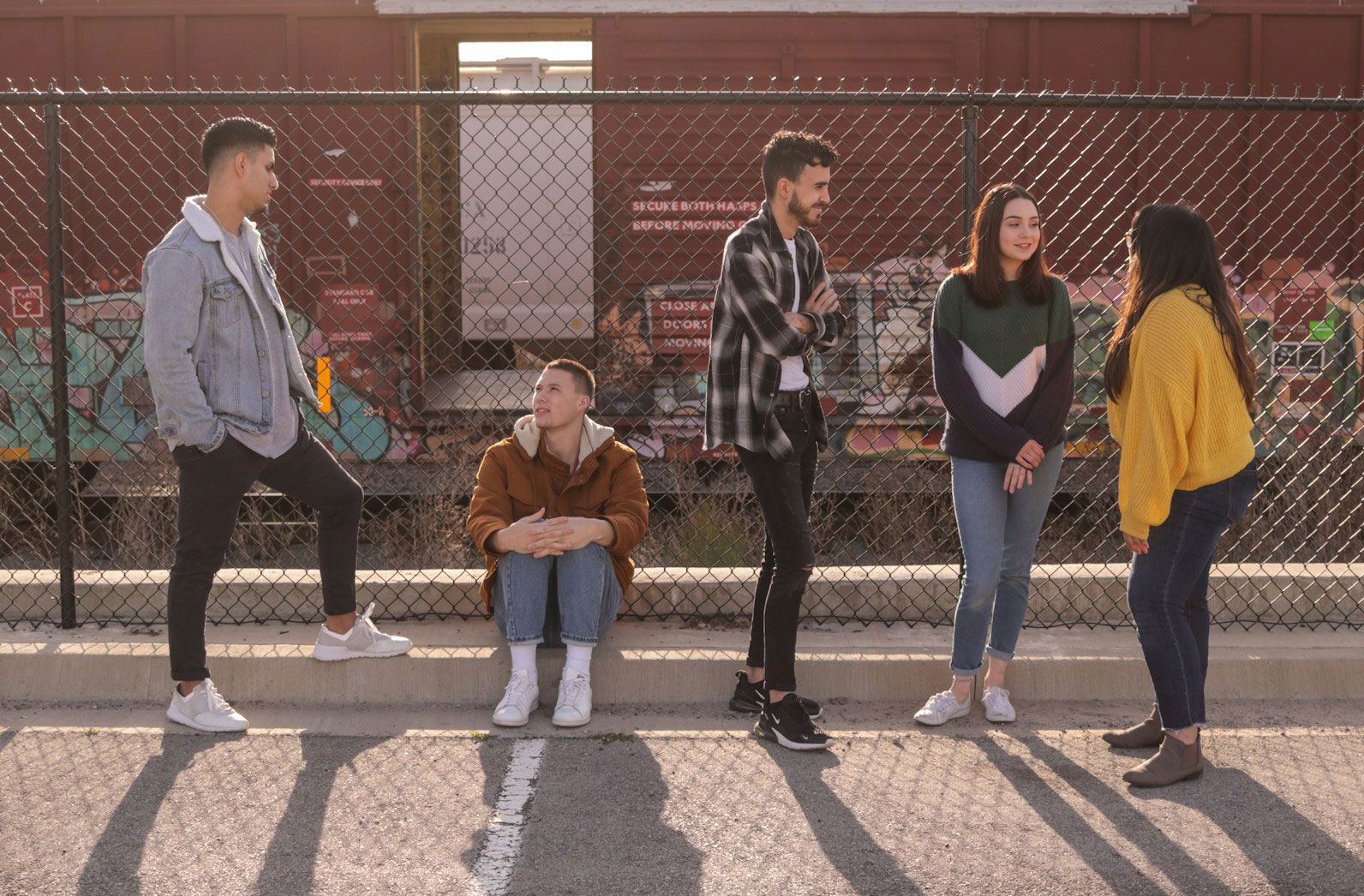
Het project Young Shots: Living and Breathing Democracy, waar de UvA partner in is, ontvangt een Europese subsidie binnen het programma Citizens, Equality, Rights and Val...

A consortium with UvA and Asser researchers has received a €6.6 million grant from the Dutch Research Council (NWO) as part of the Dutch Research Agenda (NWA) programme.

Call for papers: Central Asia workshop, University of Amsterdam, Sept 2026. Focus on civil society, culture, media, migration, decoloniality. Deadline 10 June 2026.

Alberto Alemanno argues Europeans are less free than they think, tied by hidden dependencies in energy, tech and defence, and calls on citizens to reclaim agency.
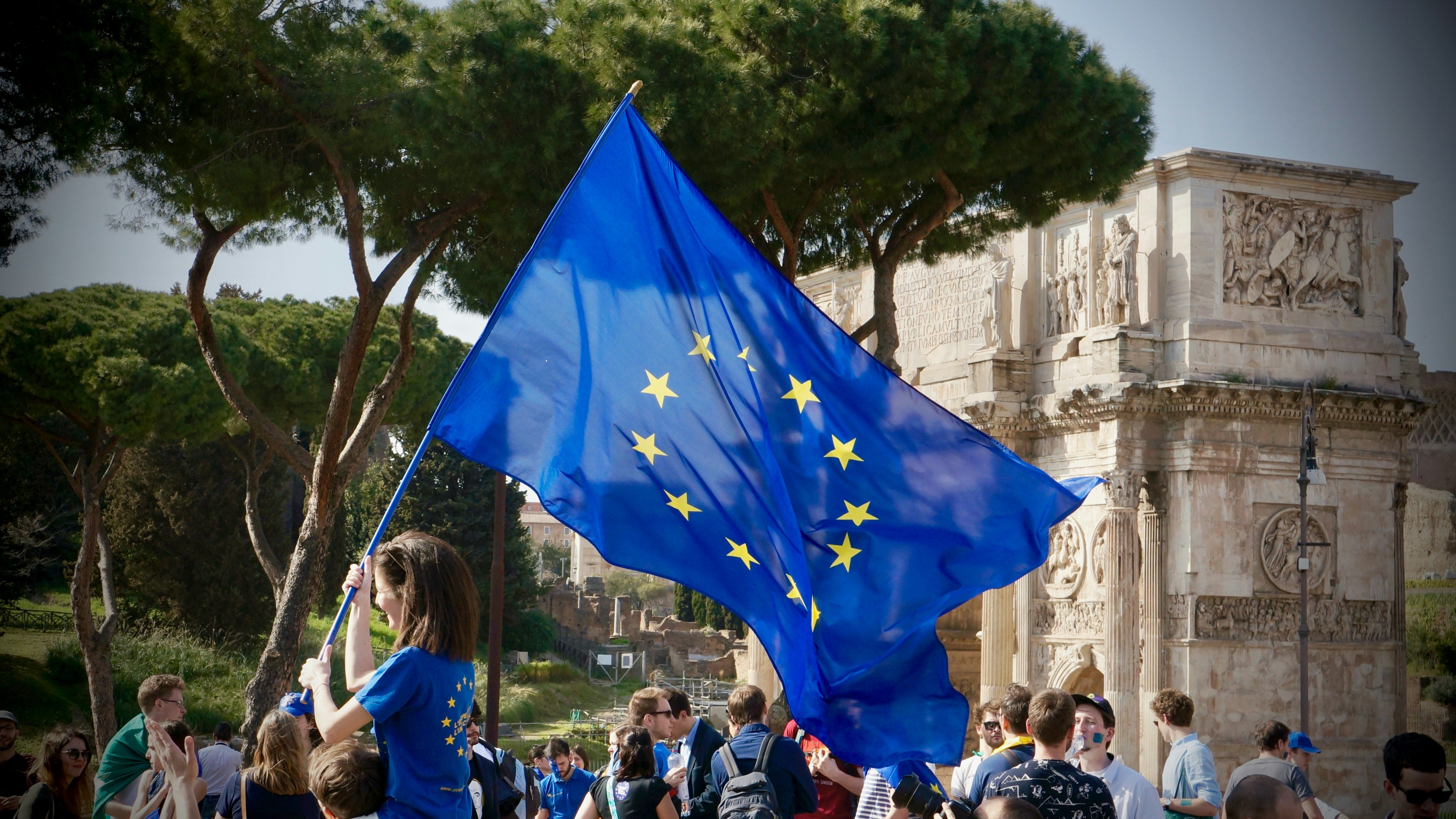
On Europe Day, ACES researchers reflect on the EU’s biggest achievements—from shared finance to digital regulation—and the major challenges Europe still faces.
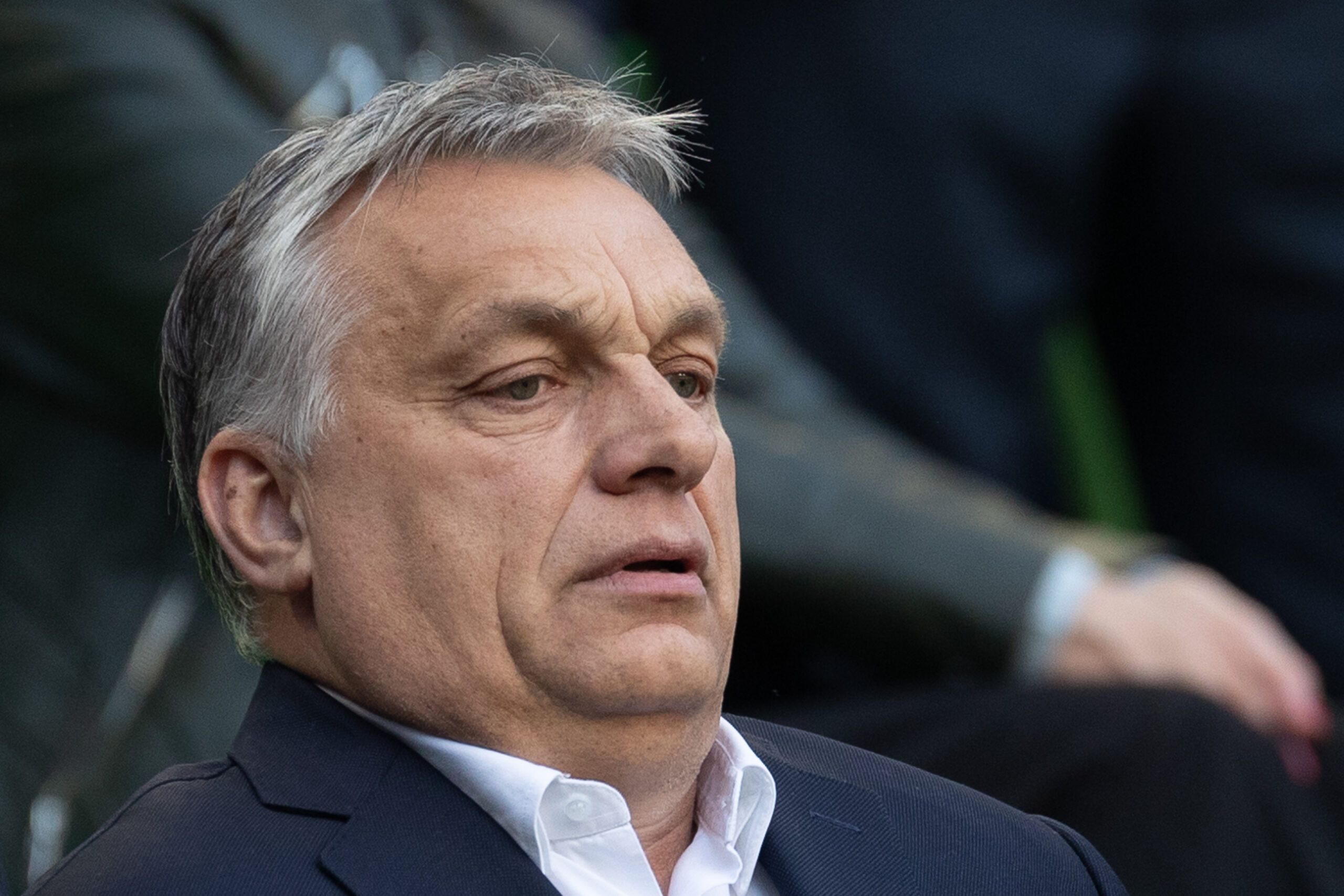
On 12 April, Hungary will go to the polls for the parliamentary elections. After more than fifteen years in power, the question arises: will this be the end of Viktor Orb...
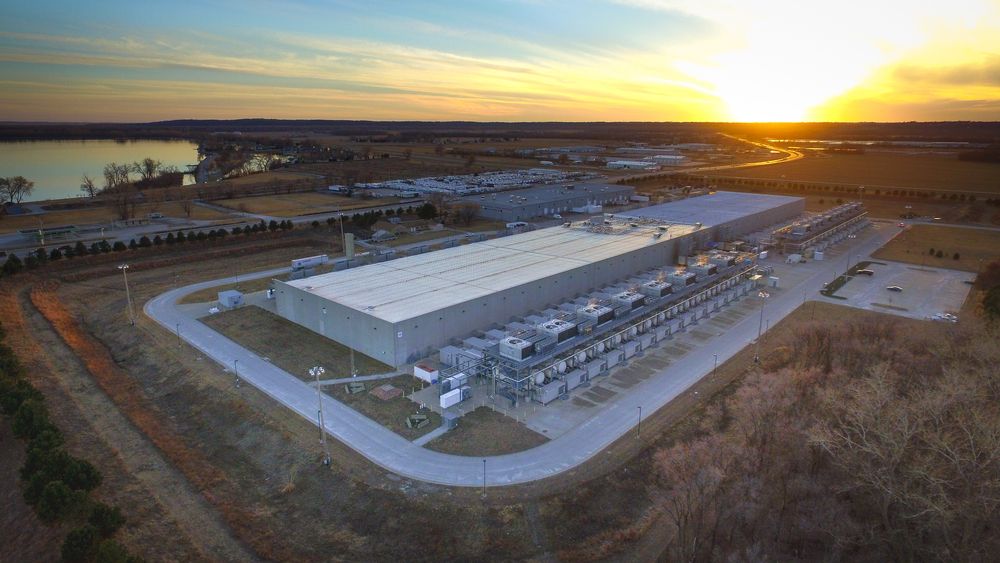
Digital infrastructures play an increasingly important role in geopolitical conflicts. At the same time, the infrastructures of our society themselves are becoming ever m...

Josephine Hoegaerts, Professor of Modern European Culture after 1800, has been awarded a prestigious Vici grant by the Dutch Research Council (NWO). She will use this gra...

The Dutch Science Council (NWO) has awarded Vici grants to four researchers from the UvA and Amsterdam UMC: Matthijs Brouwer, Jeroen den Dunnen, Willem Frankenhuis and Jo...

Workshop on future pathways of culture in international relations at the UvA, exploring EU cultural policy, civil society engagement, power asymmetries and sustainable in...
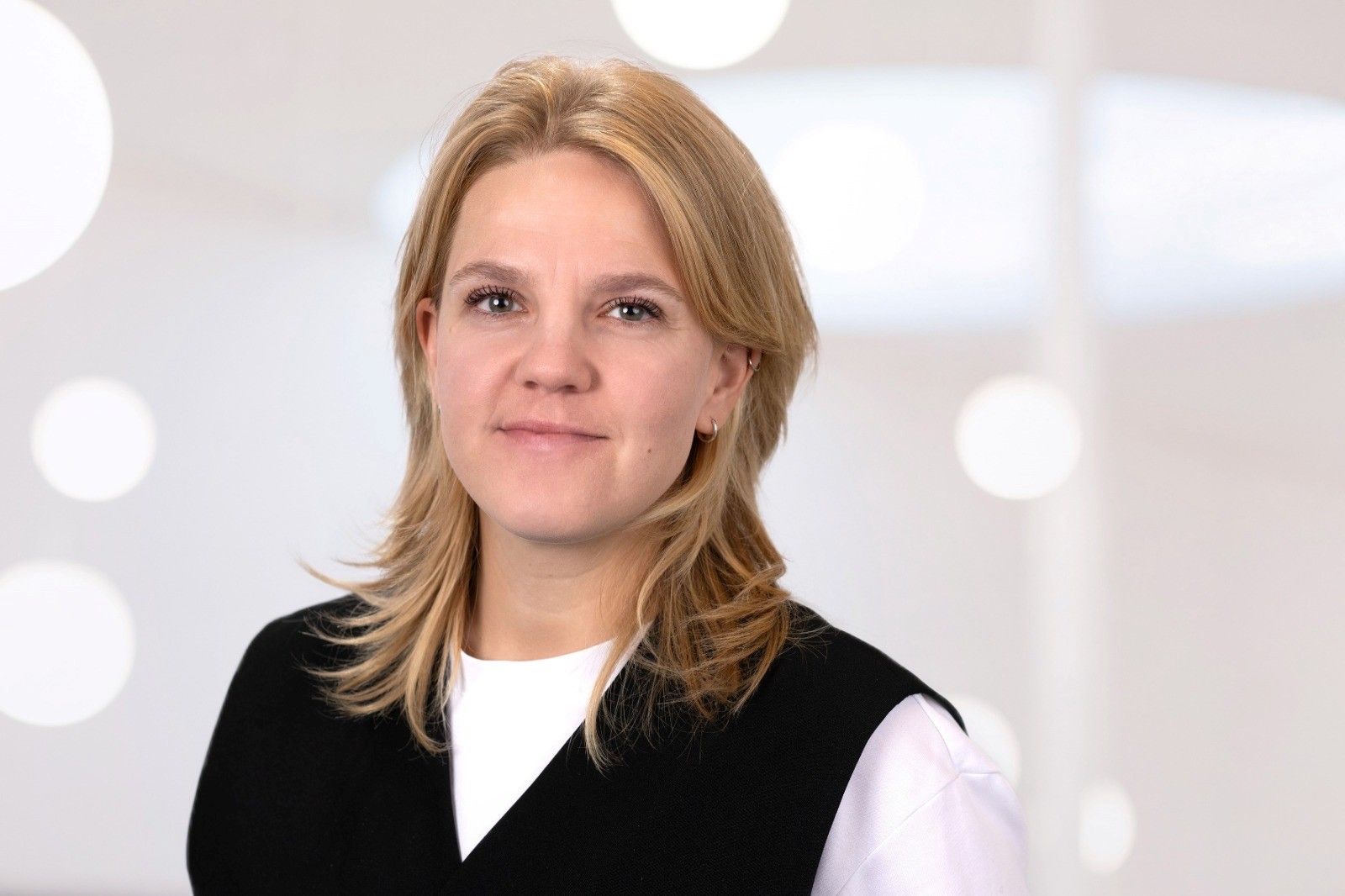
Bias accusations can shape how people view public service media. New research shows accusations matter mainly when news is balanced, and political views strongly influenc...
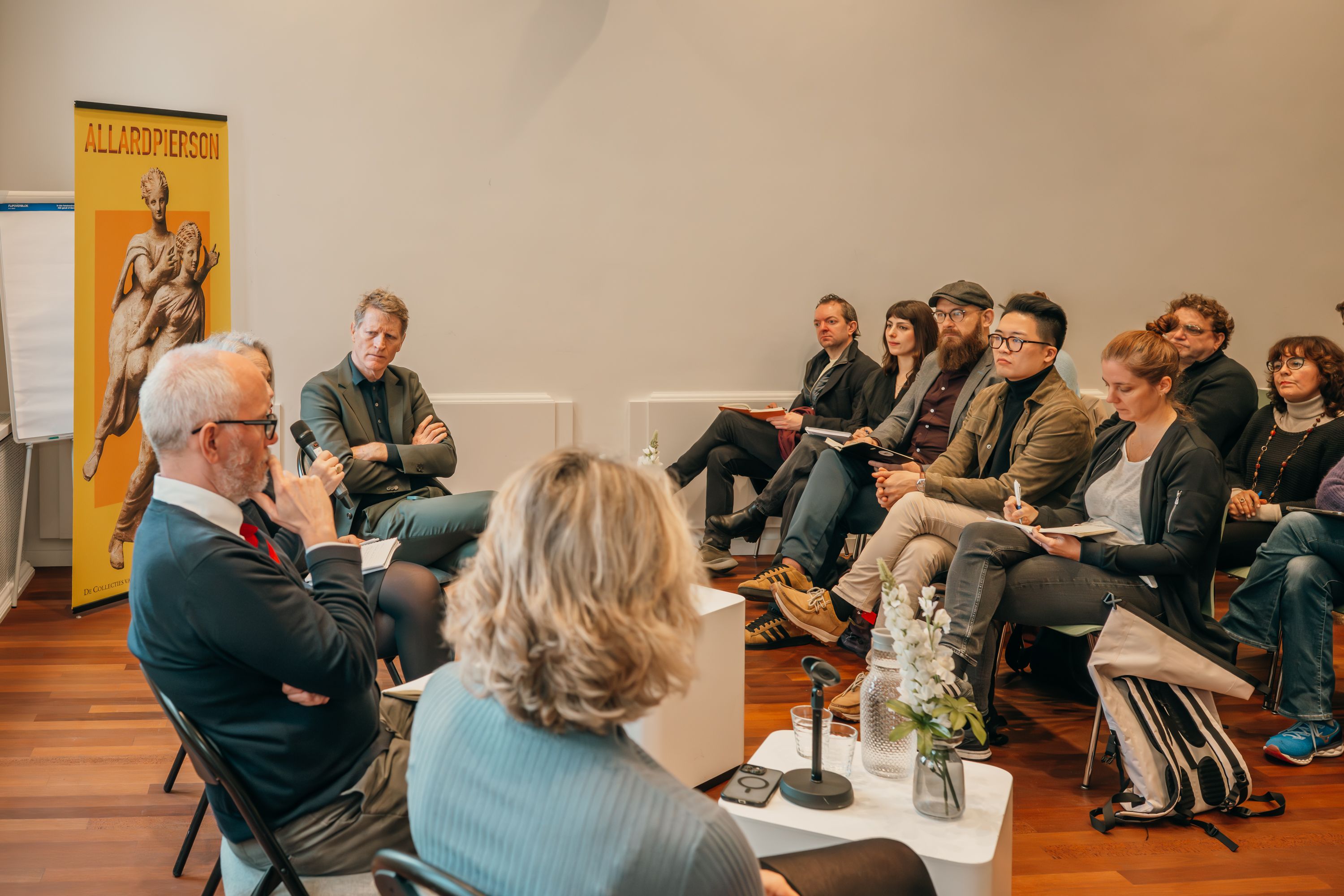
Join the Amsterdam Centre for European Studies (ACES) at the University of Amsterdam: interdisciplinary research on Europe and the EU, funding opportunities, events, and ...
ACES Research Support 2026: apply for up to €5,000 funding for European and EU-related research at the University of Amsterdam. Open to ACES affiliates, PhDs and postdocs...