5 questions for: Rakesh Kanhai
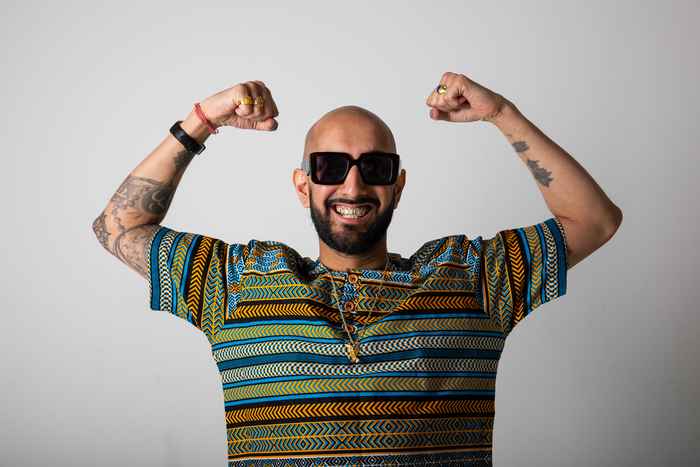
What connects your different roles?
‘The main thread connecting all my roles is that I started out as a DJ. I eventually brought that perspective to directing live shows, where I became involved in the technical aspects and dramaturgy. DJing taught me how to create a sense of dynamics and build a compelling narrative. It gives you a particular way of seeing things, a sense of rhythm and an understanding of how to tell a story. That experience informs everything I do – whether I’m playing a DJ set or developing a live show for an artist.’
What drew you to mental health in the music industry?
‘As a director, I work very closely with artists, and I noticed that every artist I work with experiences some kind of mental health challenge. I kept wondering: how is it that people who are living the dream actually wake up to a nightmare every morning?’
‘That was how I became aware of the psychological stress experienced by the people I worked with. Being an artist means being vulnerable, caught between art and business. Making music is personal and unpredictable, but a successful artist is also a cultural entrepreneur. And, in a way, being an entrepreneur is the opposite of being an artist. Navigating between the two is difficult and often leads to a great deal of disappointment, pressure to perform and other struggles. I try to support them through that and be the person I needed when I was younger: each one teach one.’
How do you balance ambition with protecting your own boundaries?
‘Once art becomes your job, it gets harder and harder to stay true to yourself. If that authenticity is constantly undermined by business interests, your mental health suffers. An artist’s life is also incredibly hectic: touring really is like being an elite athlete. Ideally, you want to be making music in the studio, but you’re tied to a schedule and you have to earn money, because you also have to sustain everything you’ve built. That has nothing to do with sitting quietly and thinking about what you want to create.’
‘Making art can be a way of processing experiences. It’s chaotic; it needs space and time. Sometimes it happens very quickly, sometimes very slowly, but the commercial side doesn’t accommodate that. In my work, I see it as my responsibility to help creative people navigate those tensions.’
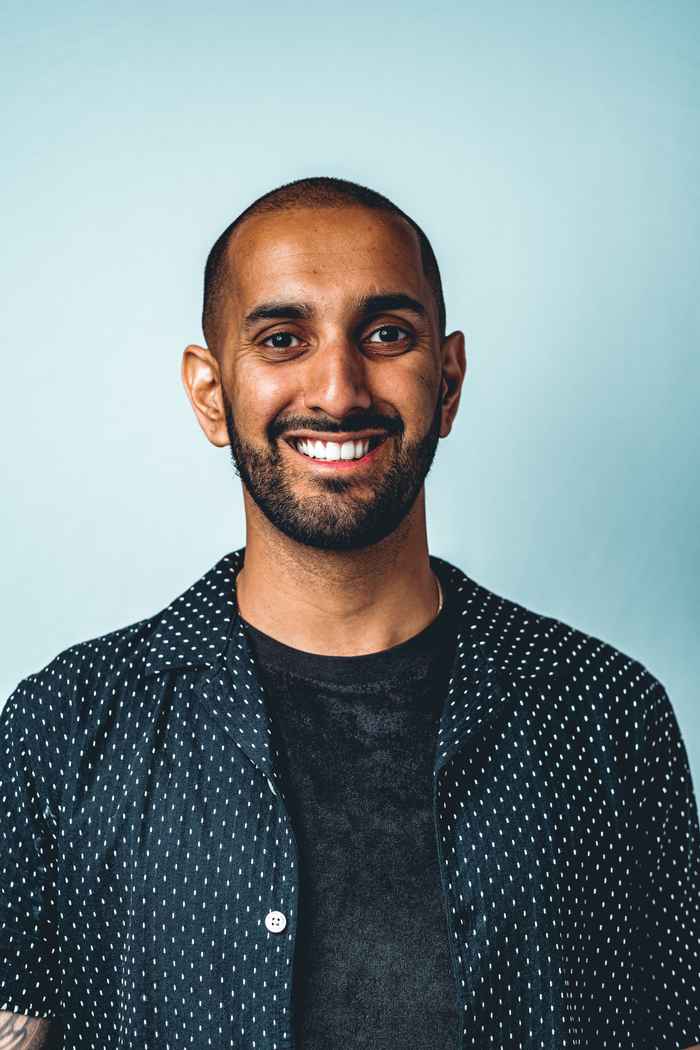
What are you most proud of?
‘What excites me most are projects that make room for forms of culture that are too often pigeonholed. Take sor’s concert at the Concertgebouw, for example, where a rapper performed hip-hop with an orchestra. It was wonderful to put the world of hip-hop on an equal footing with the world of Mozart and Beethoven. People came who had never been to the Concertgebouw before. For me, that really showed how important it is for something like this to happen: those worlds are separate in a formal sense, but not culturally. Beethoven was once underground too.’
What did your time at the UvA give you, and what advice would you offer today’s UvA students?
‘The most important thing is that I proved to myself that I could do it. That I could immerse myself in something, do research and understand it in depth. Because as an artist, you really need discipline to finish something. It wasn’t so much about the specific knowledge as the ability to work with knowledge.’
‘My main advice to students would be: never lose touch with the child in you. Use your studies to bring colour to your world and give substance to what your intuition tells you. That curiosity, imagination and freedom are precisely where good new ideas begin.’