Alumni Week: What if we are misjudging the CO₂ impact of AI?
Friday 9 October | 12:00-13:00 | Online
- Date
- 9 October 2026
- Time
- 12:00 -13:00
Want to join? Sign up here straight away!
The session consists of four parts:
1. (Generative) AI and CO₂: comparison between language models and other digital systems in terms of energy use and emissions.
2. Digital and everyday impact: how AI relates to activities such as food, travel, heating and consumption.
3. Perception and behaviour: why some impacts receive more attention than others (cognitive biases and cognitive dissonance).
4. Influence and change: how norms shift and how education and knowledge sharing contribute to structural change.
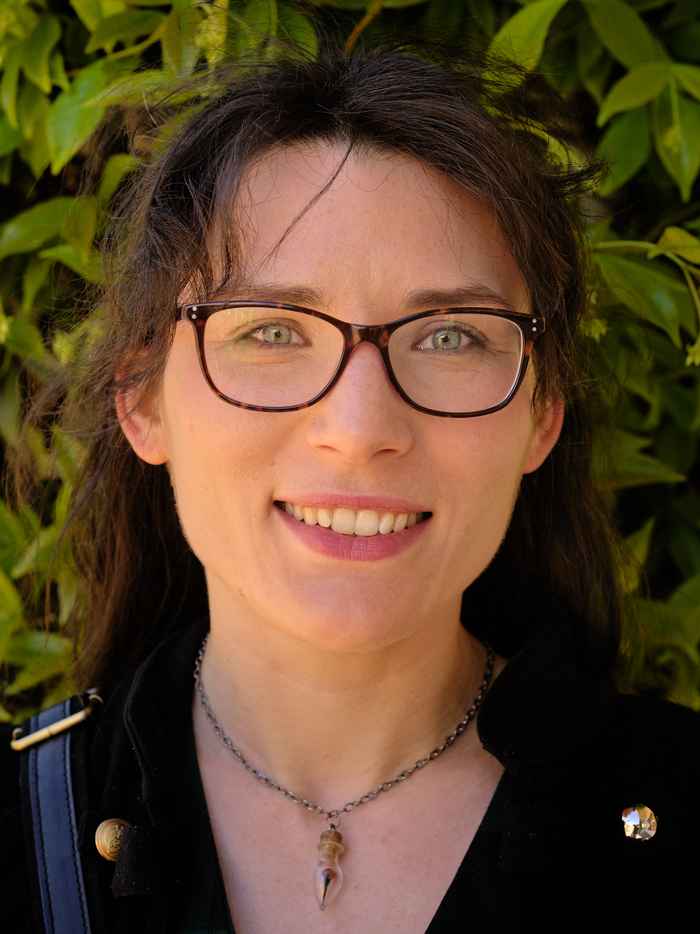
Charlotte Lafage is a software engineer and lecturer in Medical Informatics at Amsterdam UMC. She is also a member of the Green Team of the Faculty of Medicine. With one foot in computer science and the other in sustainability initiatives, she investigates the ecological impact of digital technologies and raises awareness about this topic. AI and other digital tools evoke both enthusiasm and concern, and she strives to better understand their impact and share this knowledge with others.