Isabelle Elias, MSc student
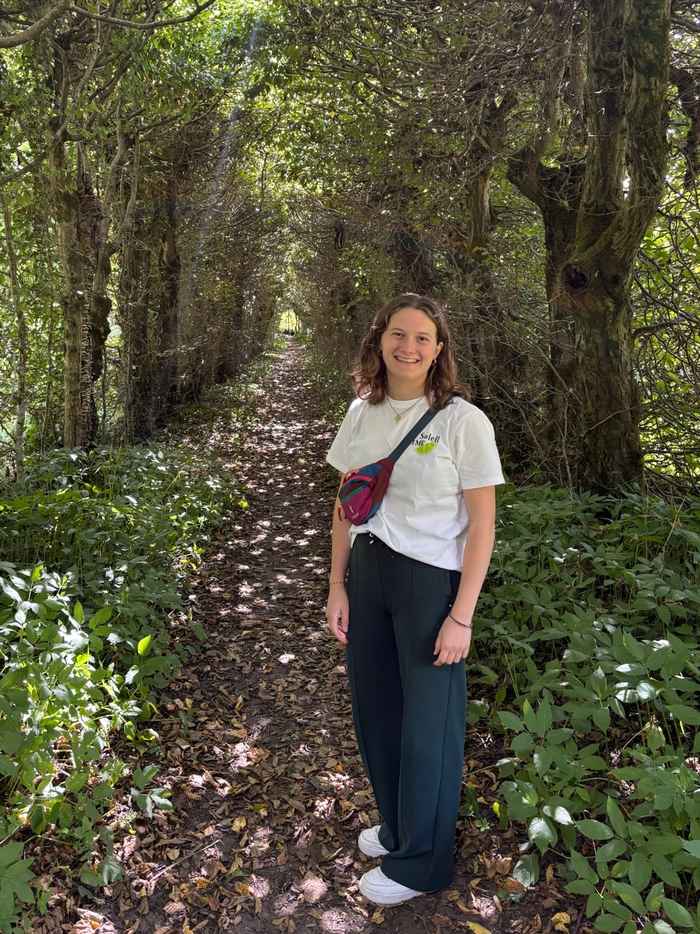
The Master’s Programme is very diverse. Each period, and even each lecture, reveals a new part of the field of forensic science to you. For example the analysis of: bloodstain patterns, fingerprints, weapons, DNA, cybercrime, decomposition and cooling of dead bodies, explosives, drugs, and much more. There is something for everyone. You learn about the scientific principles behind these techniques, how the techniques work, what their limitations and strengths are, and how to explain the results and the weight of the evidence to laypeople.
Studying the master Forensic Science involves a lot of collaboration in groups, writing reports and giving presentations. In this master, you are really studying together with your fellow students. You are often thrown in at the deep end and have to figure things out together. Luckily, the teachers are very approachable and helpful. The work attitude in the master is very much in line with the motto: ‘If you want to go fast, go alone. If you want to go far, go together.’
This feeling of being in it together with your fellow students forms the basis of the close and involved alumni community. I really enjoyed the different CLHC events and symposia held each period, where you hear about what is happening in the forensic field, what the challenges are in practice, what is needed, and how the latest forensic research tries to tackle these problems. Most people in the forensic community are very approachable and enthusiastic. I really liked having conversations with them during the drinks afterwards to learn about their jobs and hear about what they are working on.
This led me to my research project in the second year. I am planning to do my research project on the use of hyperspectral imaging for forensic investigations at the forensic department of the Dutch police. Different spectra (different ‘colours’) of light can be used to detect and identify body fluids, such as semen, blood or saliva, and I find this a very interesting real-life application of complex physics.
After the master’s I would very much like to be involved in improving the quality of forensic investigations and helping to implement forensic innovations in practice, for example within the police. I am also interested in bridging the knowledge gap between forensic scientists and legal professionals who need to work with forensic evidence in the criminal justice system.