Max Giesbergen
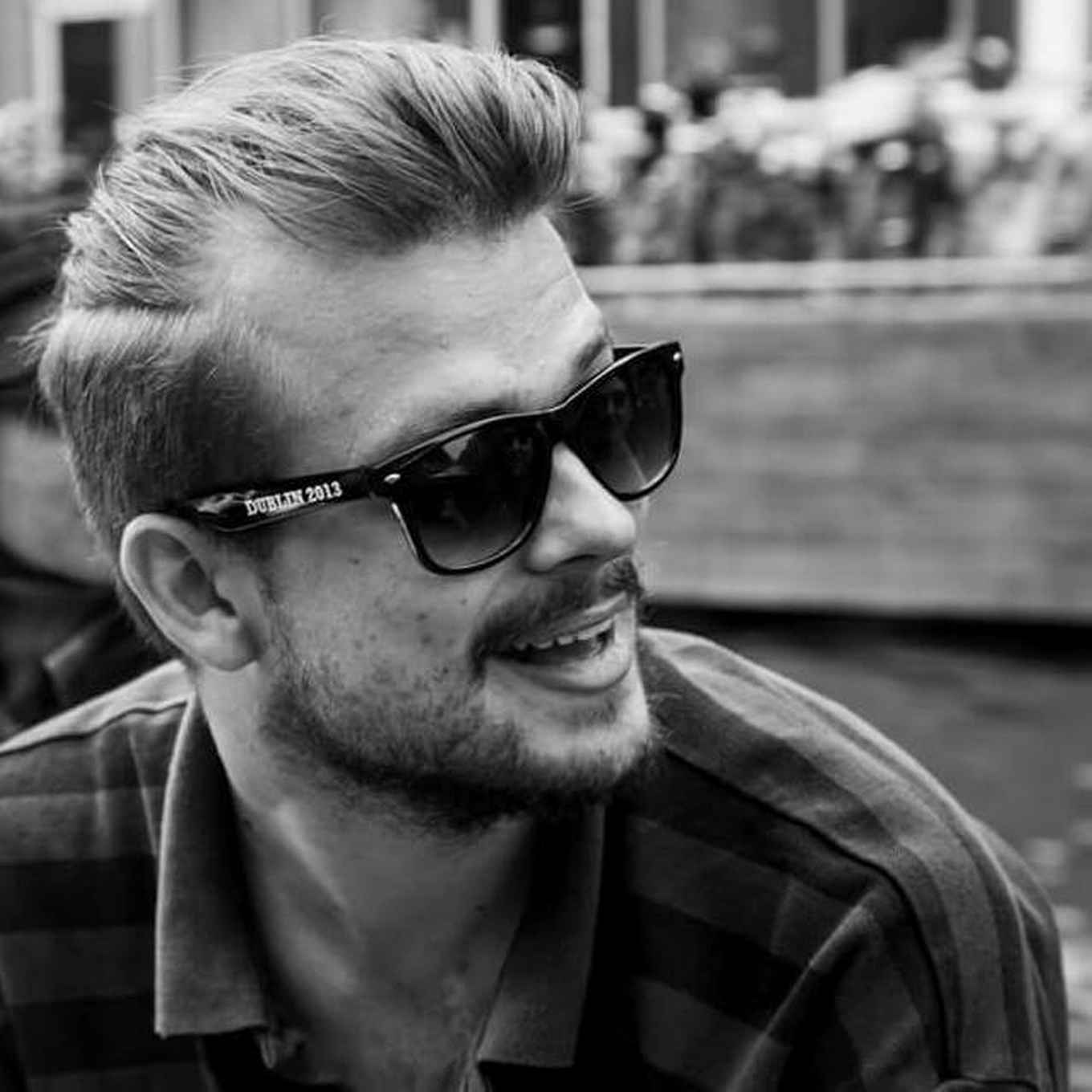
Max Giesbergen is a second-year student in the Research Master's Literary Studies programme. He tells us about his experience of the programme and what he plans to do next.
Why did you choose the Research Master's Literary Studies?
When deciding on a Master’s programme, I was debating whether to do Linguistics or Literary Studies. Do I do something that I love doing and comes easy to me (literature), or something equally interesting but much more challenging for me (linguistics)? I decided to follow my gut and chose what I felt most at ease with. I’ve never regretted that decision.
Why did you decide to study in Amsterdam?
Being born and raised here may have played a role in that decision. Although my experience with studying in other cities in the Netherlands is limited to hearsay, so I don’t exactly have a well-informed opinion, I don't think I would enjoy another city in the Netherlands as much as Amsterdam. It pretends to be a metropolis, but in reality it’s just a small town, and for me that combination feels ‘just right.’
What do you like about this Master's programme?
I really enjoy the strong theoretical focus of the programme. While I obviously enjoy literature, in an academic setting I prefer an approach that is directed towards a broad theoretical base and includes a lot of interdisciplinarity, and the Research Master's in Literary Studies offers exactly that.
How did you design your programme?
I originally started out in the regular Master’s and only enroled in the Research Master’s in the second semester of the first year. This meant that I had to shuffle a lot of the mandatory courses around, so I didn’t have that much freedom in planning. However, I did find the time to attend many of the extracurricular lectures and events, which allowed for plenty of customisation.
What were your favourite subjects?
At the start I focussed my attention on courses that lined up with the topic of my Bacherlor's thesis – literary theories on utopias, Bakhtin’s dialogue, etc. – but during the course of the programme I became interested in a lot of ethical and existentialist philosophy. As for the literary side, I became enamoured by Coetzee’s writing and the New Sincerity side of postmodernism. My choice in electives and tutorials reflected this, and in addition to Bakhtin, I focused on Levinas, Camus, and theories on narrativity.
What are your plans for the future?
I plan to look for possible PhD positions, as that is the goal for me. In the end, I would like to become a professor at a university. Mainly because I feel like I’ve really found my niche in academic research, but also because, while teaching never really appealed to me before, I’ve found that I do very much enjoy talking for hours on end about things that interest me.
Any advice for prospective students?
While showcasing alternatives to academia and ensuring that students know that are many other options available, this programme prepares you for the academic world. It therefore really depends on the mindset with which you enter the programme. You won’t necessarily have to aspire to follow the academic path, but it will be a large part of the Research Master’s, and loving heavy theory, independent research, and reading and writing (and reading and writing, and reading and—you get the point) will be essential for your enjoyment of the programme.