The Right To Remember
- Date
- 14 April 2026
- Time
- 14:00 -16:00
- Location
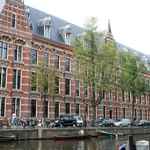
- Bushuis/Oost-Indisch Huis
- Room
- Kartini Room
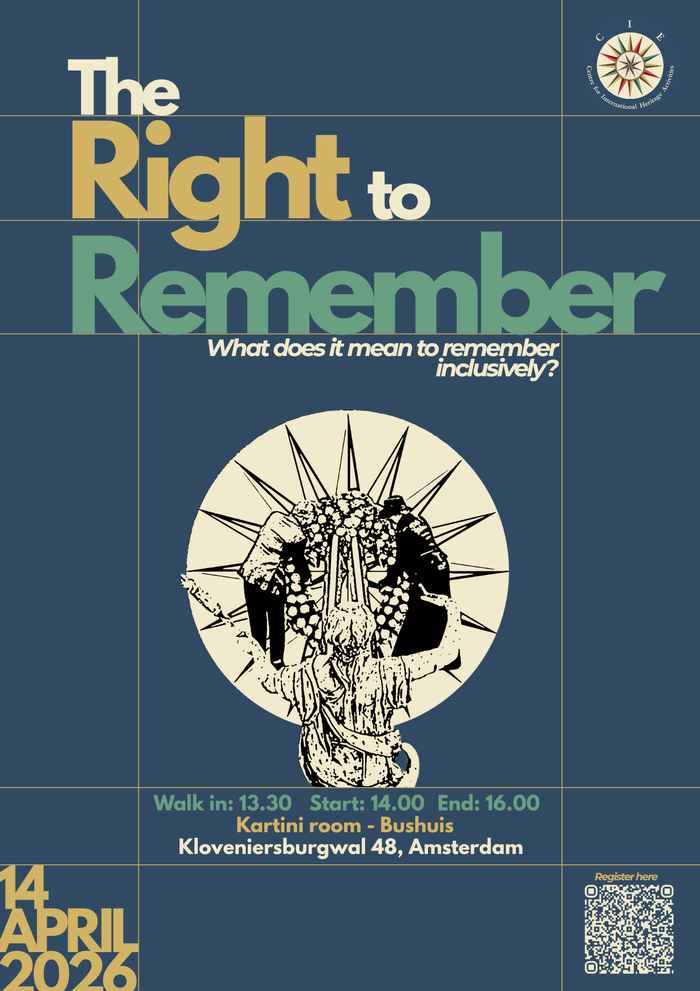
Commemorating is not a neutral activity, but always exists in tandem with a political struggle over who or what to commemorate, and how. The Netherlands is home to numerous commemorations at national, regional, and local levels. Additionally, the Dutch landscape features monuments, statues, museums, and archives dedicated to historical events. Together, these resources aim to ensure that “we do not forget” significant events in the past.
Yet, commemorations and heritage can sometimes reinforce exclusionary narratives. Various groups have initiated their own commemorations to secure their place in Dutch collective memory, or have demonstrated that history can be interpreted from different angles. This implies that commemorations and memory are dynamic, responding to contemporary topics and challenges. Who has the authority to determine how and whom we remember? What does it mean to remember inclusively? What is the place of the colonial past in the Dutch memory landscape? And how can we address historical injustices? Overall, this seminar invites the audience to consider the relationship between memory and power.