Study programme
-
First semester
In the first semester you focus on anthropological theory, find your partner organization and prepare the applied research that you will conduct.
The course Key Debates in Anthropology (8 ECTS) offers an overview of recent debates in the discipline and helps to anchor your research project in a contemporary and theoretically engaged field of knowledge and understanding. In one of the elective (4 ECTS) you become acquainted with the theoretical and methodological development in a thematic field. Designing Applied Fieldwork (12 ECTS) prepares you for your individual fieldwork and introduces you to the theories and methodologies of applied research. In the course you systematically look at all elements of research design including research question, theoretical framework, methodology, ethics and positionality, and practical and safety issues. In this period you are also matched you’re your individual supervisor.
In January you startFieldwork Applied Anthropology (15 ECTS). Fieldwork is a main component within the Master’s programme. Long-term immersion in a ‘field’ allows you to collect relevant materials and gain insights that allow you to answer your research questions. You work as an independent researcher, but your questions are based on the concerns of a partner organisation. A number of organisations work together with the University of Amsterdam, but you are also able to work with another organisation of your choosing. You continue to receive support from your supervisor.
-
Second semester
The second semester you devote all your time and energy to your research project. Fieldwork continues in February and March. Upon returning from ‘the field’, you start analysing the materials you have collected in a more systematic manner. The main challenge is to both keep the nuance and depth of anthropological research and translate these findings to the demands of the partner organization. Your thesis consists of both an academic thesis as well as a report written specifically for the partner organisation. You will be supported in planning and writing your thesis during the course Thesis seminar Writing Applied Anthropology (6 ECTS) while receiving individual guidance from your supervisor.
-
Key Debates in AnthropologyPeriod 18
This anthropology course, "Key Debates in Anthropology," delves into ongoing theoretical discussions in social science, emphasising the role of ethnography. Students engage with diverse themes such as "Writing Culture" and "Multimodality" to anchor their research projects in contemporary anthropological discourse, fostering a theoretical understanding of the field.
-
Restricted-choice electivesPeriod 14
-
Designing Applied FieldworkPeriod 1Period 212
This course builds on theoretical foundations from previous anthropology courses, guiding students in crafting a robust research proposal for their Master's research project in Applied Anthropology. The course focuses on honing ethnographic research skills and covers essential aspects such as formulating research questions, constructing theoretical frameworks, and addressing research ethics and positionality within partner organizations.
-
Fieldwork Applied AnthropologyPeriod 1Period 2Period 3Period 4Period 5Period 615
Fieldwork is a vital component of the Master's programme, tailored to individual interests. Students collaborate with requesting organizations to define goals and research questions, employing various methods for data collection. Challenges, both practical and theoretical, are addressed during fieldwork, prompting reflections on evolving answers to questions about connections, research relevance, and chosen methods.
-
Thesis seminar Writing Applied AnthropologyPeriod 5Period 66
The course aims to enhance students' skills in organising and structuring research material for both an MA thesis and a report, providing practical advice on scientific and applied writing. Emphasizing the connection among students during the writing process, the course covers analysis, interpretation of research data, methods, and the translation of anthropological research into applied forms.
-
Master Thesis Applied AnthropologyPeriod 1Period 2Period 3Period 4Period 5Period 615
The objectives of the Master's thesis include presenting a written and oral account of an individual research study, demonstrating familiarity with methodological and ethical aspects, extrapolating theoretical insights, and translating academic findings into practical applications. The thesis structure involves an introduction, three to four chapters presenting research findings, and a conclusion. Additionally, the applied theses require a final product for the organisation, and the Master's thesis must meet specific requirements.
-
Workload
The Master's Cultural and Social Anthropology is a full-time programme. A large part of the programme focuses on self-study, preparing and conducting your fieldwork project and writing your thesis.
Project examples
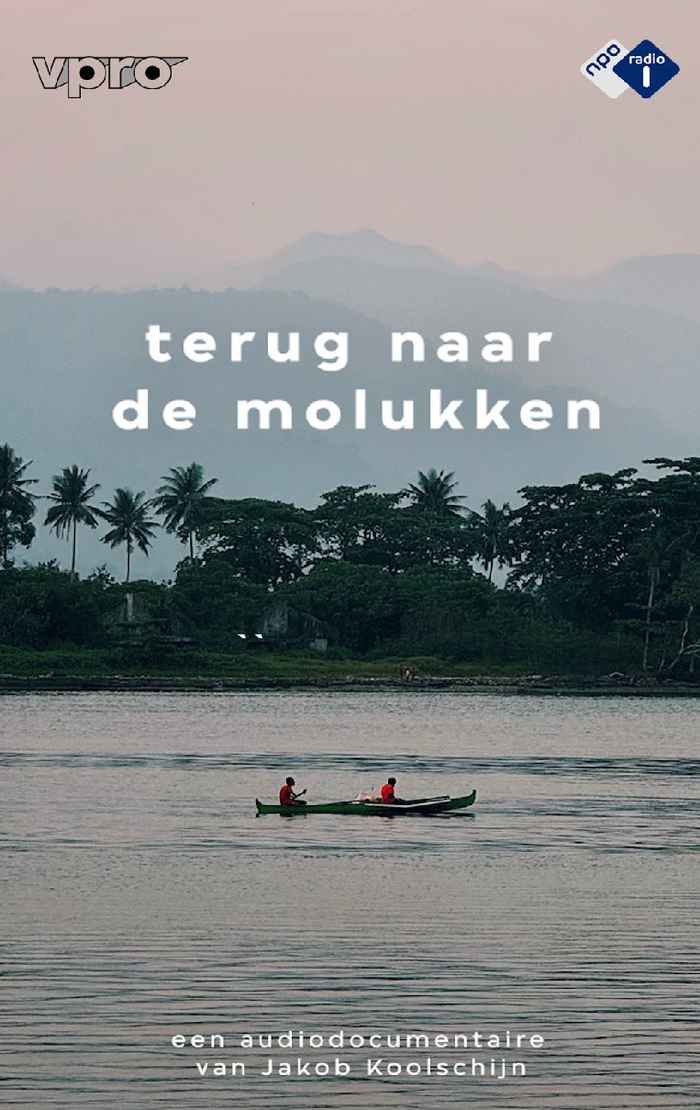
Combining his research, audio interviews and field recordings, Jakob created the audio documentary Return to the Moluccas (Terug naar de Molukken), for the Dutch radio programme OVT (VPRO, NPO Radio 1)
As part of the Master’s programme, he spent ten weeks in the Moluccas, an archipelago in eastern Indonesia, conducting ethnographic fieldwork among Moluccans who have returned from the Netherlands to the land of their ancestors. A remarkable group, since most Moluccans were unable or unwilling to return from the Netherlands due to postcolonial political circumstances.
The documentary was nominated for the NTR Podcast Prize 2025 and won the Audience Award.

I was surprised by how open people were, sometimes sharing these experiences with a stranger for the first time in their lives. I'm very grateful their stories have been given such a wonderful platform.Jakob Koolschijn
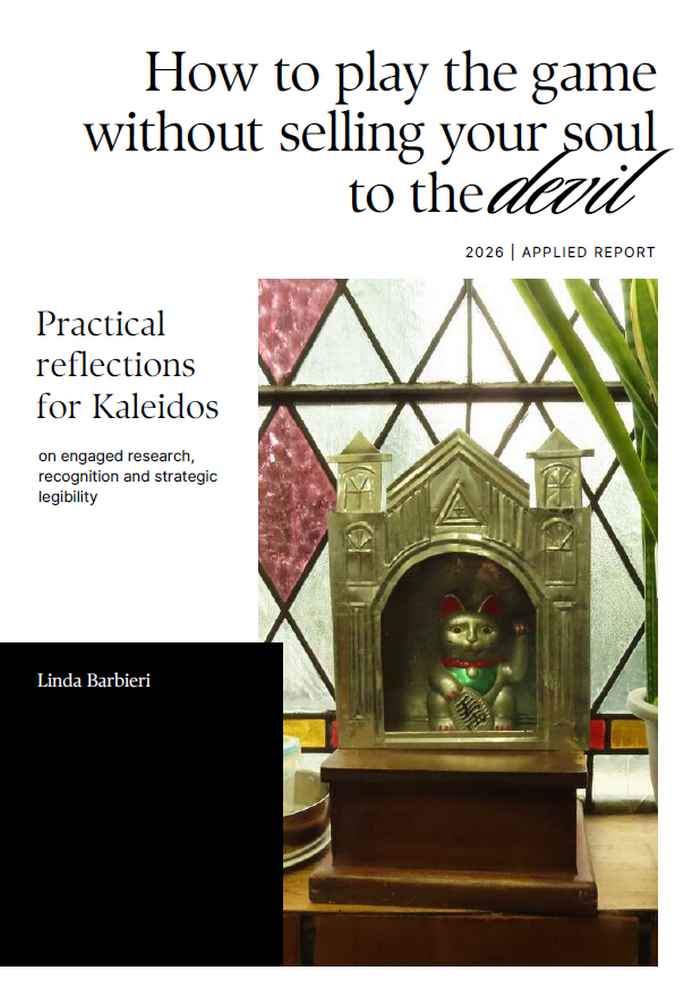
Combining ethnographic research, photography and the DIY format of the fanzine, I created How to Play the Game Without Selling Your Soul to the Devil, an applied output that reflects on the challenges of doing engaged research within the contemporary neoliberal university.
As part of the master’s programme, I spent 10 weeks in Cuenca, Ecuador, conducting ethnographic fieldwork with Kaleidos, an interdisciplinary and experimental research collective. My research explored how Kaleidos produces collaborative, public-facing and multimodal forms of knowledge while also navigating institutional pressures to make research legible through conventional academic outputs.

Throughout my studies, I had often felt uncomfortable with the idea that research could end up only as a text that the people involved might never read or recognise themselves in. Working with Kaleidos allowed me to explore this concern through a concrete case. Making the fanzine gave me the opportunity to turn this feeling into something creative, a way of putting my own research into practice and giving something back in a form that could circulate beyond the university.Linda
Applied Anthropology students have worked with the Amsterdam Museum on a range of projects, contributing their research and creative perspectives to the museum’s exhibitions and collections.
In one project, for example, a student contributed to Stories of Arrival/BOOST, exploring the role of sound in stories of arrival and belonging.
Working with students is inspiring and surprising. Their fresh perspectives bring new ways of looking at how we collect and tell stories about Amsterdam and its residents. In different projects, they have found accessible ways to give meaning to everyday objects and experiences. Their work has given us new insights into which stories and objects are valuable to preserve and share.Vanessa, Academic Staff/Educator Co-Creation at Amsterdam Museum