Francine Gloerfelt-tarp (Bsc Liberal Arts and Sciences)
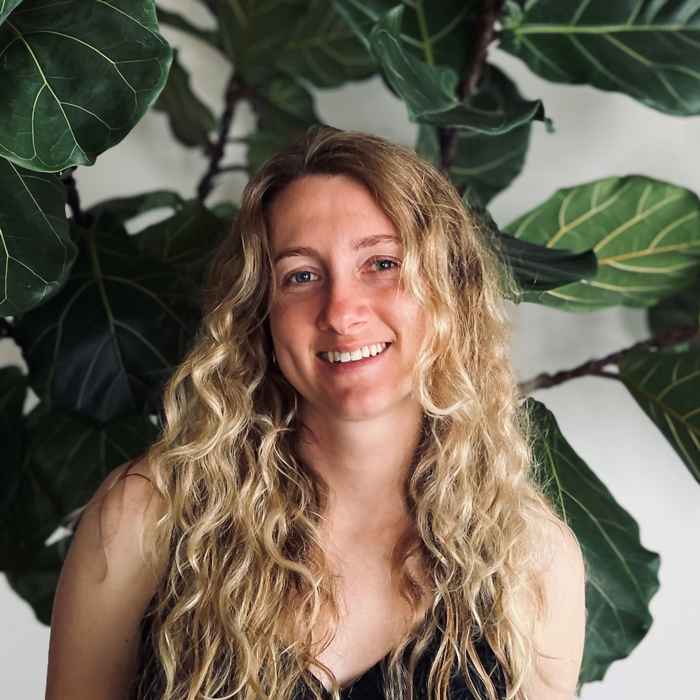
I started the Master's programme Forensic Science coming from a somewhat unconventional academic path. I have a bachelor's degree in liberal arts and sciences with a focus on Molecular Biology and Environmental Sciences, and I also completed a Master’s in Analytical Plant Chemistry.
What makes this Master programme at the University of Amsterdam special is the interdisciplinary structure and the unique blend of courses, combining hard science with legal, ethical, and investigative elements. The diversity of the lecturers, both academic and professional, really adds value to the learning experience.
My expectations were largely met. The first year is quite STEM and statistics-heavy, which lays a solid foundation. In the second year, we get the freedom to tailor our research towards our specific interests. I haven’t picked a research project yet, but I’m excited by the wide range of options and the strong network this programme offers.
Ultimately, I hope to work in humanitarian forensics, focusing on war crimes and crimes against humanity with areas like mass grave investigations or chemical warfare.
A week that stands out for me was during the “Chain of Evidence” course. It involved preparing forensic reports for real legal professionals, culminating in a moot court. It was a high-pressure, hands-on experience that really brought the stakes of forensic science to life. We worked in groups, debated findings, and practiced presenting expert opinions, skills you don’t always get in a lab.
What I love most about this programme is that no two weeks are the same. It’s dynamic, challenging, and deeply meaningful.