Career prospects
A strong foundation for a career in research and beyond
Medical Biology trains you to investigate the fundamental processes underlying human health and disease and approach complex biomedical questions as a scientist. Through extensive research experience, you learn to formulate research questions, design experiments, analyse and interpret data, and communicate scientific findings.
For many graduates, the next step is a PhD: around 50–60% continue in doctoral research. Others apply their scientific and analytical expertise in pharmaceutical and biotech companies, hospitals and research institutes, government and policy, education, science communication or data science.
Depending on the profile you build during your MSc, you could work as a PhD candidate, biomedical researcher, R&D scientist, data scientist, scientific writer, policy adviser, business developer or teacher. Your track, research projects, electives and optional major allow you to develop towards the career that fits your interests.
At the Faculty of Science, in addition to our current students, we also have our alumni (former students). So let’s have a look at our alumni. Where do they end up after graduating? Rebecca tells you more about her career path.
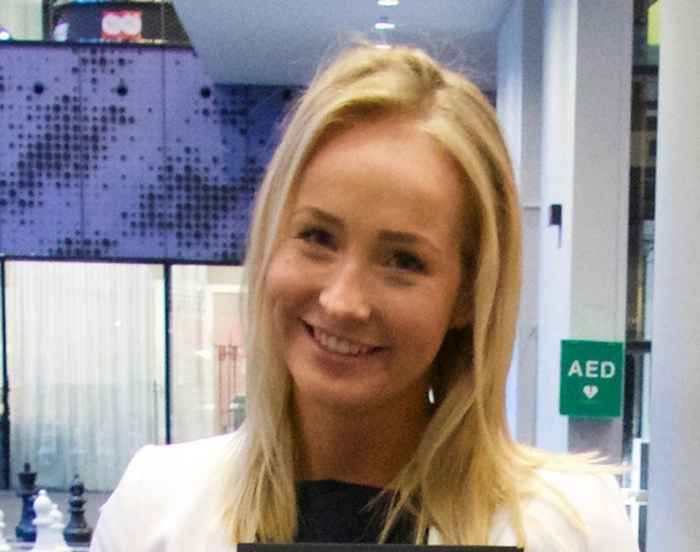
Alumnus Tessa Hemrika
'The biochemistry element involves research into the underlying cellular processes and metabolic diseases such as obesity which are growing problems in all regions of the world.'
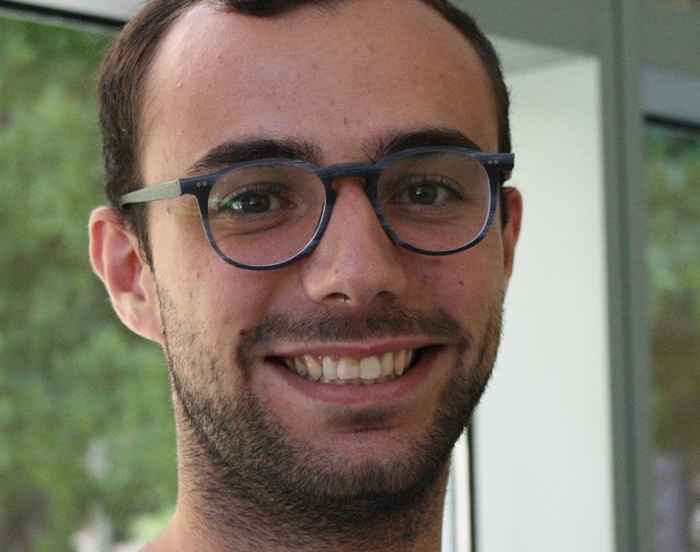
Andrea Vecchione, alumnus and PhD student
'The Master’s Programme in Biomedical Sciences at the University of Amsterdam was an important stepping stone in my scientific life and helped me to understand what a PhD would potentially be like.'
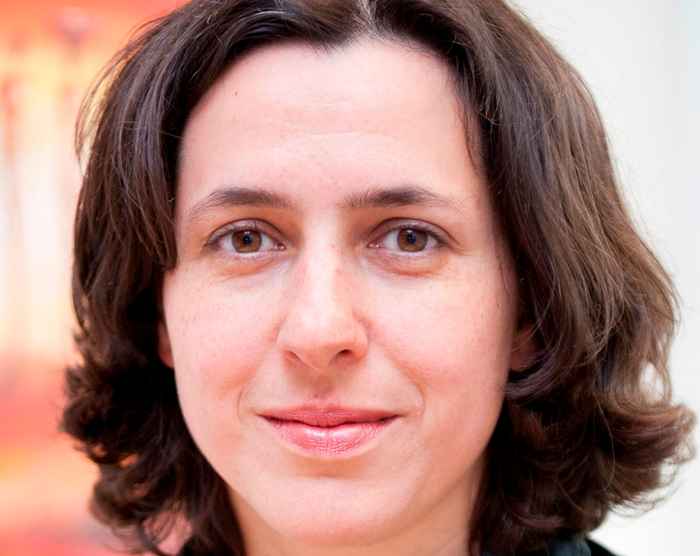
Lea Dijksman - Research coordinator
'Together with a colleague of mine, we guide the doctors and nurses in setting up and conducting scientific research (epidemiological and statistical) and in writing scientific articles.'
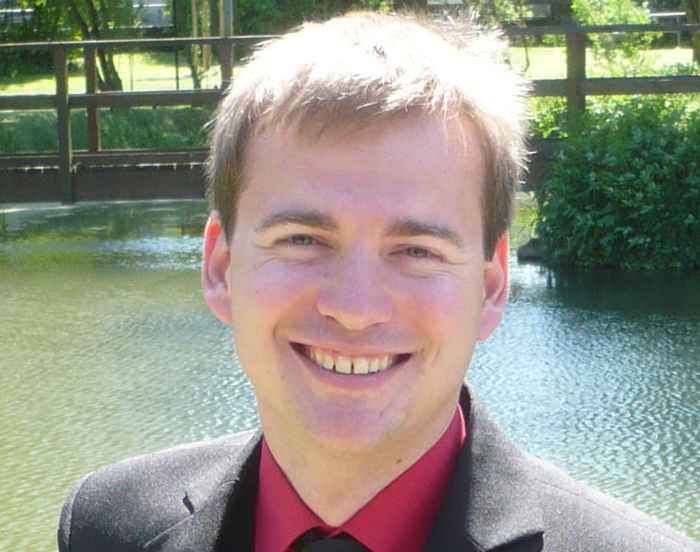
PhD student Clemens Heilmann
'I made use of mass spectrometry, a technique that can be used to identify molecules, to look at the proteins and discovered that five proteins on the cell wall and seven secreted proteins outside of it are always present. These permanent proteins can therefore be used to detect Candida.'
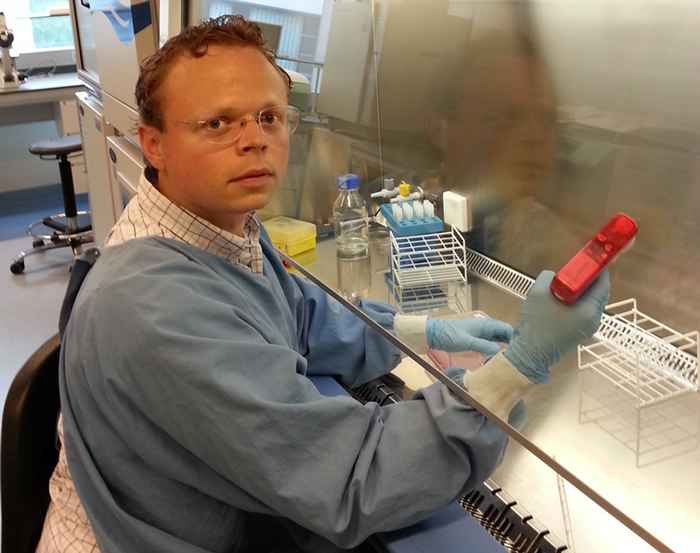
PhD student Niek Wit
‘I looked at damaged DNA. External factors such as UV rays or cigarette smoke, can inflict so much damage on DNA that it can no longer replicate properly, which ultimately can cause cancer.'
PhD student Ali Rashidfarrokhi
'My research is one of the examples of how the dynamic nature of lipids at the plane of plasma membrane is critical for proper functioning of phagocytes, such as macrophages and dendritic cells.'

I carried out research into the heart for both my final-year projects, one of which involved an internship abroad. My first internship focused on hypertrophic cardiomyopathy, and I am currently working on my PhD within the same research group.