Examples of Challenge-based projects
Cohort 2025/2026

Stakeholder: Municipality of Amsterdam Sustainability department
Goal: To assess how much a city’s food consumption contributes to its overall greenhouse gas emissions, including Scope 3 emissions outside city borders, and what this means for credible net‑zero strategies.
Methods: Combining conceptual frameworks on urban carbon accounting with emissions modelling and policy analysis, students estimate the climate footprint of urban food systems and explore how cities could integrate consumption-based emissions into climate plans.
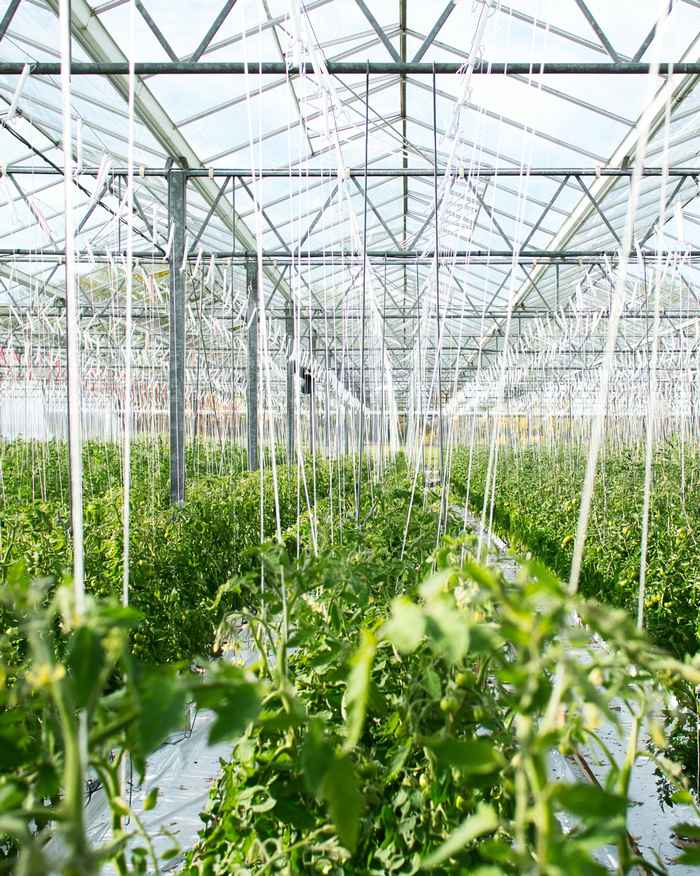
Stakeholder: Mérieux NutriSciences | Blonk
Goal: To explore how a shift from animal‑based to plant‑based protein consumption in high‑income countries affects land use, trade flows, and environmental risks in key exporting countries (for example in soy and pork supply chains).
Methods: Students adapt scenario and pathways approaches to map possible future developments in exporting regions, identify potential environmental externalities, and highlight governance options to avoid unintended consequences of protein transition policies.
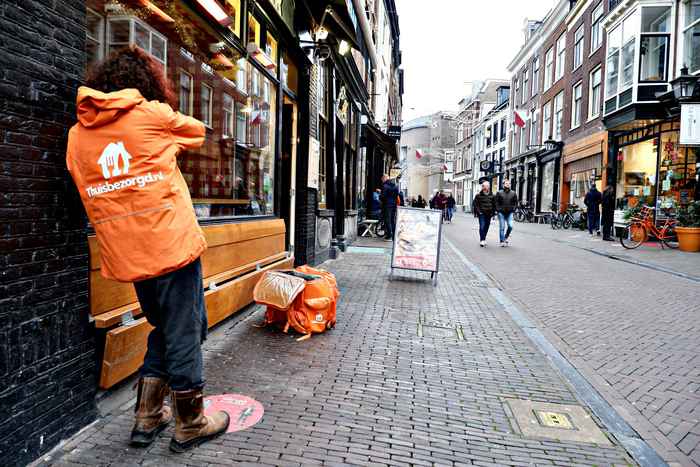
Stakeholder: Transitiecoalitie Voedsel
Goal: To understand how the design and governance of food delivery apps influence the prominence of unhealthy versus healthy meals, and to identify leverage points for promoting healthier choices.
Methods: Using causal loop diagrams and stakeholder analysis, students map how algorithms, profit incentives, and social norms reinforce the visibility of certain types of meals. They then explore policy and design options (e.g. defaults, ranking criteria, labelling) to shift the system toward healthier outcomes.
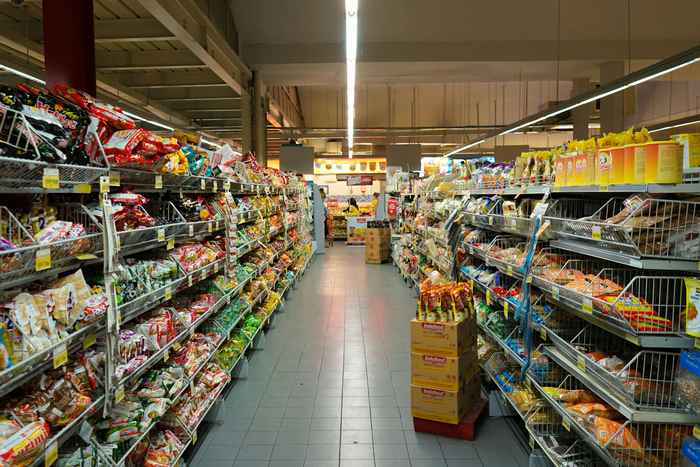
Stakeholders: Tasty Basics & PPM consultancy
Goal: To examine how lobbying by food-industry actors may influence policy-making on ultra-processed foods, and to better understand why strong regulation is slow to emerge despite clear evidence of health harms.
Methods: Students use web‑scraped lobbying and transparency‑register data, network analysis, and document analysis to study who lobbies whom, on which topics, and how often, comparing multiple countries with different regulatory approaches.