Personal grants
Faculty of Science
ERC Advanced Grant
The European Research Council (ERC) awards these prestigious grants to individual researchers who have a track-record of significant research achievements in the last 10 years. The grant is a long-term funding to pursue a ground-breaking, ambitious project and amounts up to € 2.5 million for a period of 5 years.
-
ERC Advanced Grant 2024 winners
Photo: Dirk Gillissen Prof. Tobias Blanke (ILLC)Deep Culture - Living with Difference in the Age of Deep Learning (Deep Culture)
Deep learning technologies have taken the worlds of commercial and academic AI by storm. ChatGPT has generated a lot of excitement about our new relations with AI but has also revealed much public anxiety around deep learning. There is too little understanding of the fundamental shift in cultural relations deep learning has brought about. Blanke’s project coins the term ‘deep culture’ to describe the global transformations that deep learning has wrought on culture and how culture is in turn key to deep learning. The project proposes reshaping our relationships with it to address the complexities of cultures and values of difference.
Photo: Dirk Gillissen Prof. Linda Amaral-Zettler (NIOZ/IBED)Validating Biodegradation Rates and Reactions Applying Novel Technologies and Systems Ecology Approaches (ViBRANT-SEA)
Prof. Linda Amaral-Zettler, UvA professor by special appointment of Marine Microbiology, will head a project based at the Royal Netherlands Institute for Sea Research (NIOZ) in collaboration with the UvA. The project is entitled Validating Biodegradation Rates and Reactions Applying Novel Technologies and Systems Ecology Approaches (ViBRANT-SEA) and will look at the effects of plastic marine debris on the world’s oceans.
Photo: Jan Willem Steenmeijer Prof. Daniel Bonn (IoP)Precision Rayleigh jet sprays
Daniel Bonn, professor of complex fluids at the Institute of Physics, has received an ERC Advanced Research Grant of 2.5 million euros. Bonn will use the grant to make the droplet size of sprays much more controllable. This is relevant for a wide range of applications, both in agriculture and medicine.
ERC Synergy Grants
The ERC Synergy Grants fund collaborative projects that, due to their complexity, are carried out by several scientists and their groups, in order to achieve breakthroughs that would not be possible in individual projects. For this purpose, the ERC allocates grants of up to 10 million euros for a period of six years.
-
ERC Synergy Grant 2024 winner
Photo: Dirk Gillissen Prof. Ulle EndrissADDI: Advancing Digital Democratic Innovation
Computer scientist Ulle Endriss is awarded a ERC Synergy Grant and receives €2.4 for research into using technology to better engage citizens in democratic decision-making. The research team will design technological applications and procedures for citizen participation and assessing the impact of digital platforms. The team is also working to understand the structure of preferences formed by citizens when they participate in digitally supported forms of civic engagement.
ERC Consolidator Grant
The ERC Consolidator grant allows researchers in Europe with 7-12 years of research experience to consolidate their independence by establishing a research team and continuing to develop a successful career.
-
ERC Consolidator Grant 2024 winners
Photo: Corentin Coulais Dr Corentin Coulais (IoP)Animating Metamaterials using Non-Reciprocity (ANIMETA)
The European Research Council has awarded a three million euro Consolidator grant for the project 'Animating Metamaterials using Non-Reciprocity' (ANIMETA) of UvA physicist Corentin Coulais. With the project, Coulais aims to take inspiration from nature and design synthetic animate materials in the lab.
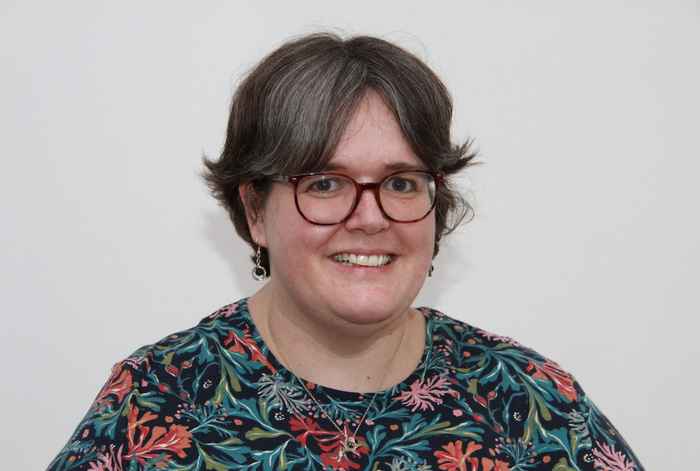
Photo: Antonia Rowlinson Dr Antonia Rowlinson (API)Using short radio flashes to probe the remnants of neutron star mergers (QuickBlitz)
Rowlinson’s project aims to find an answer to the fundamental question of what happens after neutron star mergers by using LOFAR, the largest low frequency radio telescope in the world. LOFAR is based in the Netherlands and operated by ASTRON (the Netherlands Institute for Radio Astronomy). QuickBlitz will also build a new instrument on LOFAR that will be able to search the whole visible radio sky above the Netherlands for the tell-tale radio flashes.
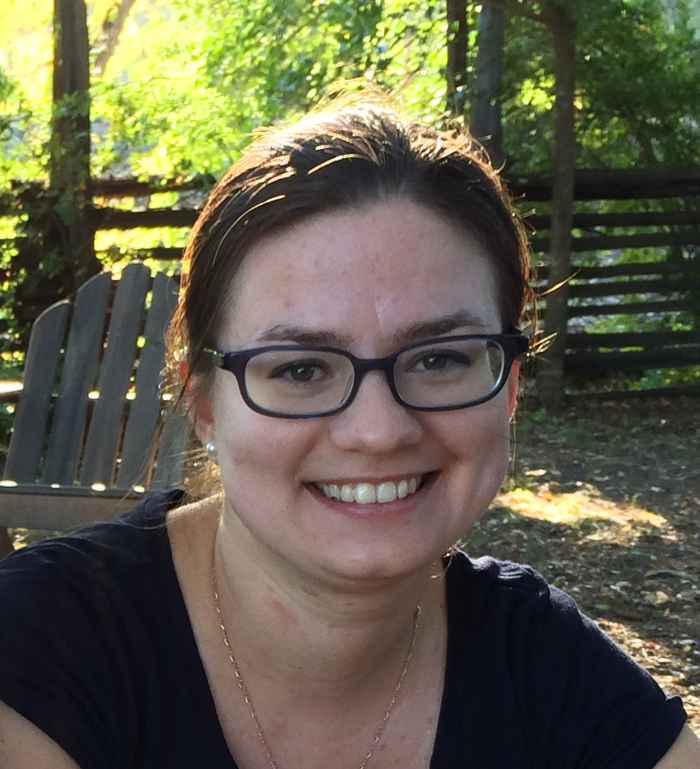 Dr Ekaterina Shutova (ILLC)
Towards globally accessible language technology and its alignment to cultural contexts (CulturAL)
Taking a step towards a more inclusive and equitable language technology, Shutova’s project will develop a novel methodology for cross-lingual transfer of LLMs to a wide-range of (low-resource, understudied) languages and dialects, and their alignment to diverse cultural contexts. Her project will, therefore, advance multilingual natural language processing technology, extending its reach to populations currently underserved by it and making it safe for them to use.
ERC Starting Grant
The Starting Grant of the European Research Council (ERC) is a personal grant of approximately 1.5 million euros. The grant offers talented early-career scientists five years support to launch their independent research, form their teams and pursue their best ideas.
-
ERC Starting Grant 2024 winners
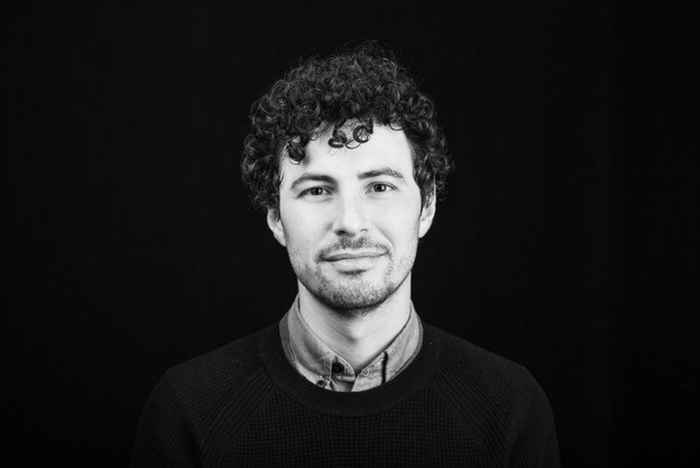
Photo: QuSoft Dr Ludovico Lami (IoP)Entanglement Theory: a Quantum Odyssey – From the generalised quantum stein’s lemma to quantum gravity (ETQO)
In quantum computing, the notion of entanglement – the typical quantum phenomenon where disconnected systems can share information that goes beyond traditional 'bits' – plays a crucial role. Quantum entanglement fuels the most important quantum information processing protocols and is central to modern physics. However, the most profound questions concerning its operational meaning remain unanswered. A single key statement connects all of these questions: the so-called Generalised Quantum Stein’s Lemma (GQSL). However, previously Lami has uncovered a fatal flaw in the original proof of the GQSL, and this is now regarded as one of the most important open problems in entanglement theory. His project provides a road map to address all of the above questions in a unified way through the GQSL.
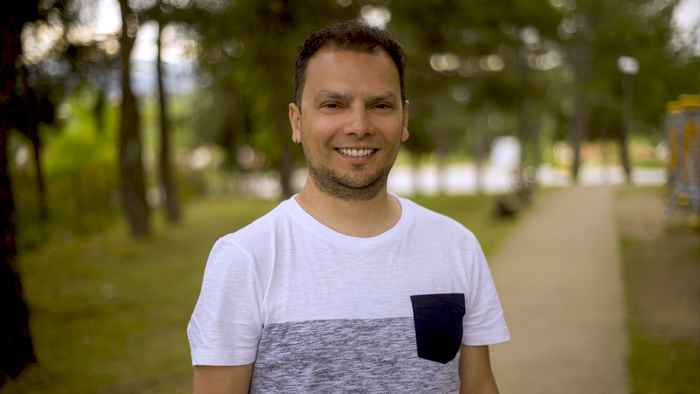
Photo: Dimitris Tzionas Dr Dimitris Tzionas (IvI)SpatioTemporal Reconstruction of Interacting People for pErceiving Systems (STRIPES)
How can we teach computers to understand people and their actions, so that they can help people perform tasks? To develop smart systems that can do this, computers must be able to comprehend and process different interactions between people and objects. In his research project Tzionas will reconstruct 3D (or 4D, with time as an extra dimension) representations of what is shown in 2D images by using new techniques. This will be an important step towards the development of new intelligent systems that can better support people in their tasks, such as assistance robots and virtual 3D assistants.
Marie Skłodowska-Curie Fellowships
The fellowships, which are part of the European Union's research and innovation programme Horizon Europe, enhance the creative and innovative potential of researchers holding a PhD and who wish to acquire new skills through advanced training, international, interdisciplinary and inter-sectoral mobility. The fellowships last for two years and are meant to stimulate the cross-border mobility of experienced researchers both inside and outside the European Union.
-
Marie Skłodowska-Curie Fellowships 2024 winner
-
Dr Kaili Xie (IoP)
SprayDelivery
Dr Kaili Xie started a postdoctoral fellowship at the UvA-Institute of Physics in the group of Daniel Bonn. The fellowship was funded by a Marie Skłodowska-Curie Action grant that Xie obtained for the project ‘SprayDelivery’. In the project, carried out together with the industrial partner MedSpray BV, Xie will investigate how drugs for respiratory diseases (such as COVID-19) can be applied directly to the lungs in more efficient ways.
-
Dutch Research Council (NWO) Vici Grant
The Vici grant, worth up to €1.5 million, is one of the largest scientific grants for individuals in the Netherlands and targets advanced researchers. The funding enables academics to pursue research of their own choice. This gives innovative research a boost and encourages the promotion of talent at scientific research institutes.
-
Dutch Research Council (NWO) Vici Grant 2024 winner
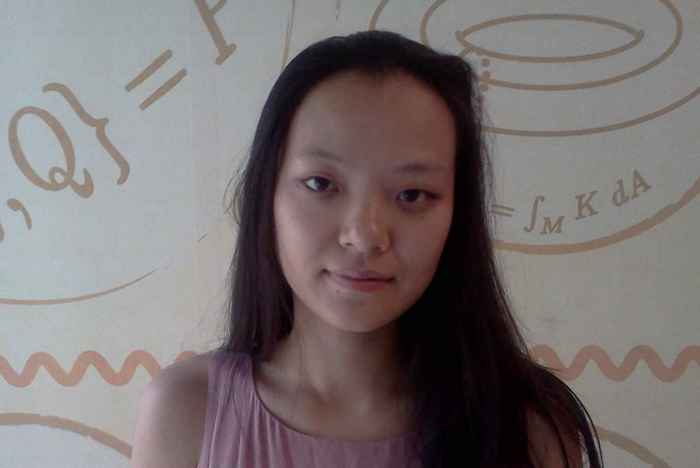
Photo: Miranda Cheng Dr Miranda Cheng (KdvI/IoP)Topology in Mathematics and Physics
Topology is the study of shapes, focusing on persistent features unchanged by deformations. Cheng’s project is inspired by topology’s fundamental role in mathematics and physics. Cheng will adopt an innovative approach facilitated by rapid advances in theories and computing. Employing artificial intelligence (AI), topological invariants will be decoded, revealing hidden correlations. AI-driven computational tools for systems will be created with non-trivial topology, set to impact fields from mathematics to fundamental physics and engineering.
Dutch Research Council (NWO) Vidi Grant
The grant, worth €800,000, is intended for experienced researchers and will enable them to develop their own innovative lines of research and set up their own research groups over the next five years.
-
Dutch Research Council (NWO) Vidi Grant 2024 winners
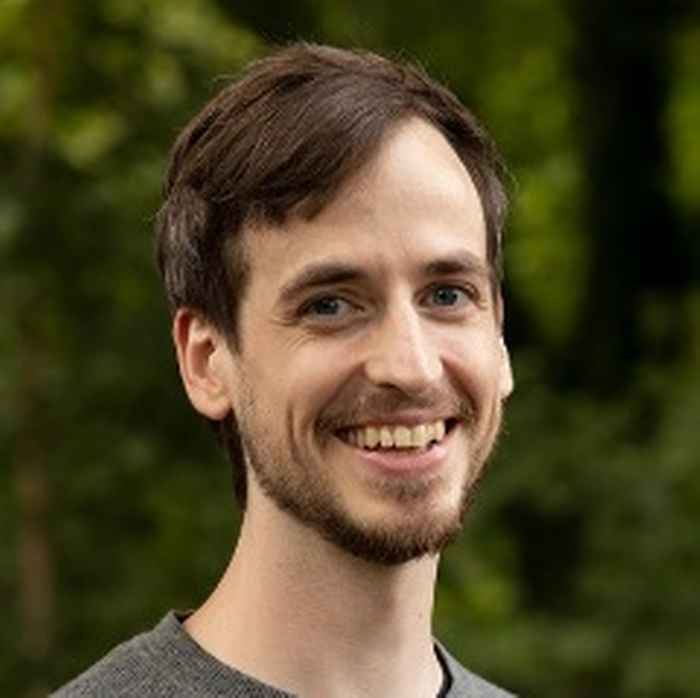
Photo: UvA Dr Erik Bekkers (IvI)Neural ideograms: shaping AI with geometry-grounded learning
This project aims to develop artificial intelligence (AI) systems that learn and utilize 'neural ideograms'—geometric symbols for abstract concepts. These symbols will function similarly to how pictograms and ideograms simplify and convey complex information, thus enabling AI to interpret and organize complicated data through geometric constructs efficiently. Recognizing that most data is rooted in our physical world—and inherently grounded in geometry and physics—it's clear that neural ideograms must preserve this grounding to reality in order to be meaningful.
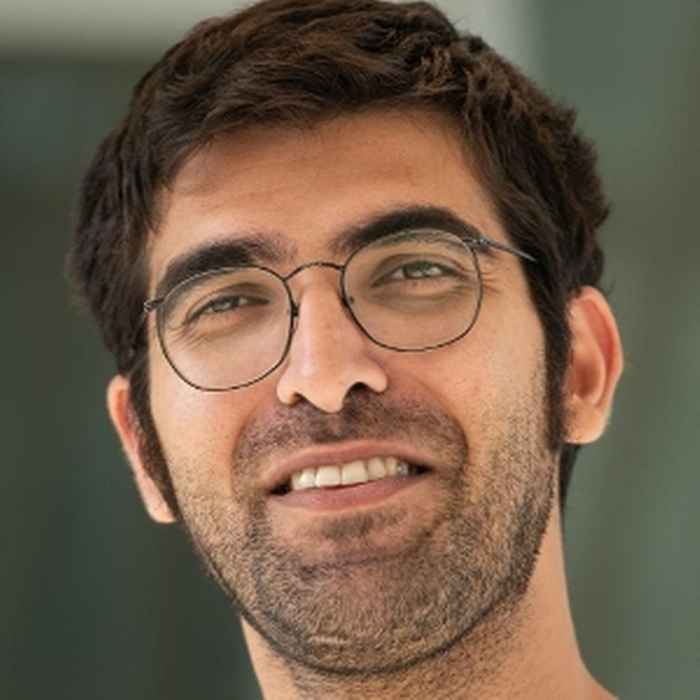
Photo: Mazi Jalaal Dr Mazi Jalaal (IoP)Living levers: unveiling the adaptive and active elasto-viscoplasticity of living systems
The materials from which life is built are typically soft, adaptable and active. In order to study them, researchers need to model materials with similar properties. Based on new insights into a complex material class called elasto-viscoplastics, which includes toothpaste, Jalaal's project develops a new class of active elasto-viscoplastics. These materials could mimic natural life processes like cell migration and embryo development.
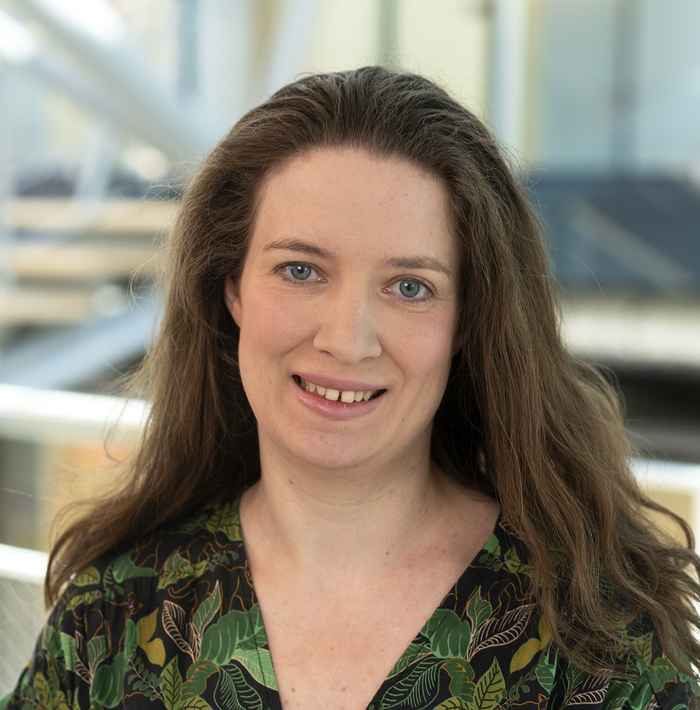 Dr Antonia Praetorius (IBED)
Small fibres, big legacies?
Our clothes release very small plastic fibres (microfibres) during washing, which break down extremely slowly in the environment. We do not know what happens if they continue to accumulate over a very long time in our rivers. In this project, researchers will use a unique dataset on microfibre release from textiles collected by citizen scientists, to predict current and future emissions of microfibres into Dutch rivers. Combining models and experiments, they will investigate how many microfibres are needed to disrupt natural sediment processes. Interactive maps will visualise microfibre accumulation in the Netherlands under different scenarios.
Photo: UvA Dr Petter Törnberg (ILLC)Improving social media with Artificial Intelligence
Social media have become invaluable spaces where we share ideas and debate important societal issues. But our current social media platforms make such productive conversations difficult by amplifying conflict and driving polarization. How can we redesign social media to help foster more productive political conversations? With the recent emergence of AI chatbots like ChatGPT, we finally have a way of answering this crucial question. This project creates synthetic social media platforms with thousands of interacting chatbots, allowing researchers to experimentally test how different platforms shape political discourse. This will help us design social media with more positive societal outcomes.-
Dr Maximilian Engel (KdvI)
Transitions between order and chaos in stochastic environments
Dynamical systems provide a mathematical description of the time-dependent processes in nature and society, from the movement of planets or the activity of neurons to the voting behaviour in democracies. Typically, such models are not complete but contain random parts due to uncertainty about environmental influences. This project studies the randomly occurring changes between different states and their predictability: how may a system seem in an ordered, predictable state for some time (e.g. hot weather over several weeks) but then changes into a fluctuating chaotic regime (e.g. rapid changes of temperature and precipitation)? -
Dutch Research Council (NWO) Veni Grant
The grant, worth €320,000, is meant for promising young researchers and will enable them to further develop their own research ideas over the next three years.
-
Dutch Research Council (NWO) Veni Grant 2024 winners
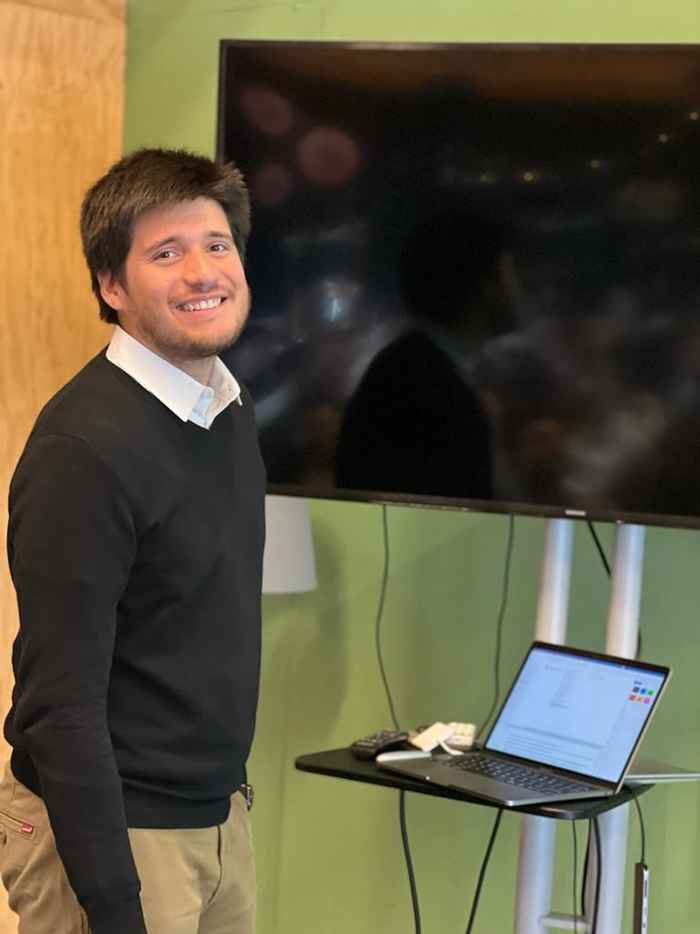
Photo: HIMS/IoP Dr Alberto Pérez de Alba Ortíz (HIMS)PLASTIC-JUNC: Predicting nanoPLASTIC risks to animal JUNCtional protein integrity
Nanoplastics are specks of plastic a million times smaller than a millimeter. Recently, researchers found nanoplastics in our food, organs and even in the placenta. Nanoplastic accumulation can lead to organ failure and reduced coordination and memory in different animals. Scientists do not yet understand how nanoplastics trespass the protective cell layer around our organs, the endothelium. Pérez will use computer simulations to discover how nanoplastics weaken key adhesive, i.e., junctional, proteins in the endothelium. Using artificial intelligence Pérez can obtain insights about these processes and identify the most damaging nanoplastics; providing valuable information for biomedicine and public health.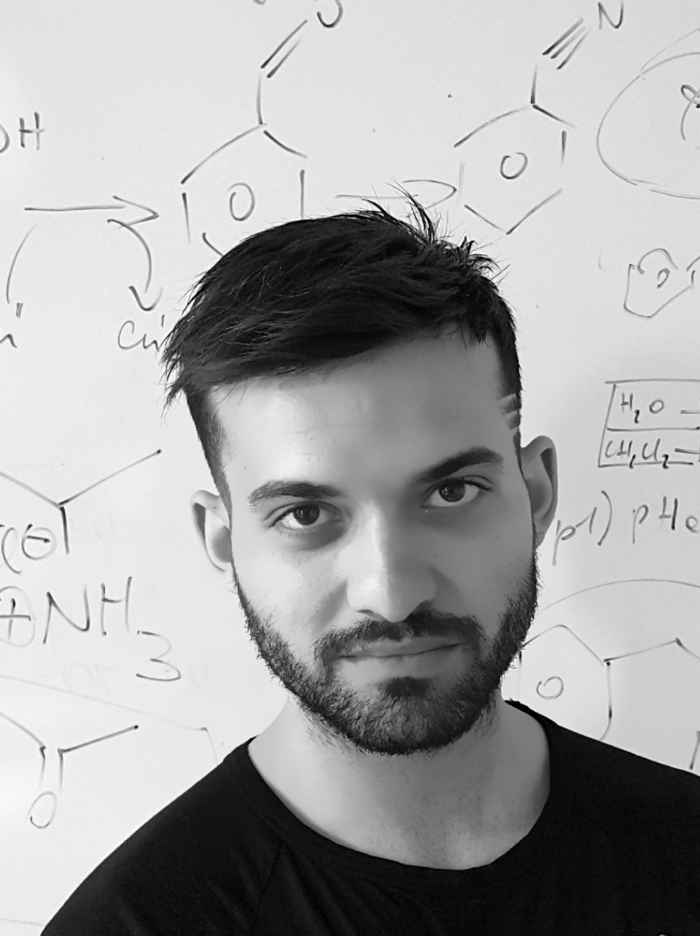 Dr Vasilis Tseliou (HIMS)
Stereoselective Synthesis of Amines via Photoexcitation of Enzyme-Substrate Complexes
Amines are crucial building blocks in the pharmaceutical and agrochemical industries but controlling their geometry during synthesis, especially when multiple stereocenters must be formed simultaneously, is intricate and resource-demanding, thereby affecting practicality and economic feasibility. Tseliou will use light to unlock new reaction pathways within the active sites of enzymes, enabling the one-step synthesis of amine compounds featuring multiple stereocenters by using a single catalyst. Unlike established photoenzymatic processes, the new artificial photoenzyme will operate without the need for any cofactor, thus opening new avenues for reaction invention. Dr John van de Wetering (IvI)
A diagrammatic toolbox for quantum circuit simulation
Van de Wetering will use a language of diagrams, the ZX-calculus, to unify different approaches to simulating quantum computations, which will allow for larger simulations. He will then use the connection of quantum simulation to condensed-matter physics and logical-formula solving to find areas where these improved techniques will lead to better algorithms. In this way we bring these fields closer together.
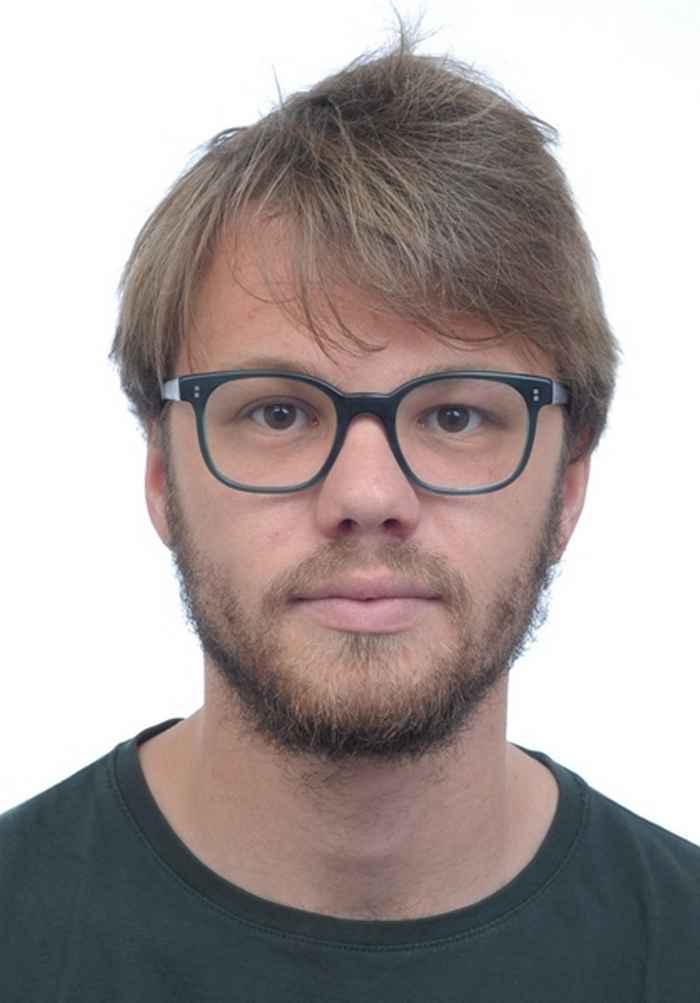
Photo: Jan WIllem de Gee Dr Jan Willem de Gee (SILS)Neuromodulatory weighing of prior beliefs in perception and decision-making
Predictions inform almost all our decisions. For example, when choosing the bike over the bus, based on the predicted duration and weather conditions. But what happens when unexpected changes in the world render our predictions invalid? For example, nearby roadworks result in a longer-than-predicted trip duration. This research project uses a new and multidisciplinary approach to uncover the brain circuits that mediate the flexible updating of prior beliefs. This will lead to fundamental insights about consciousness and decision-making as well as applications in the realm of medical psychology.
Photo: Eva Laplace Dr Eva Laplace (API)Aiming for the massive stars: understanding the progenitors of black holes and supernovae in the Gaia, LIGO, and LSST era
Through their strong winds and explosions, massive stars enrich the Universe with the building blocks of life, including the carbon in our cells and the oxygen we breathe. However, not every massive star explodes; some form black holes. Moreover, we now know that most massive stars live with close companion stars that can change their fate and could lead to universal signals. With the recent discovery of gravitational waves, stars with invisible companions, and automated observations of exploding stars, astrophysicists can finally test the existence of these signals and better understand the final fate of massive stars.-
Dr Iris van der Giessen (ILLC)
Computing interpolants: cyclic proofs in action
Interpolation plays an important role in mathematical logic and computer science. It is a method of separating statements into different categories. It is for example used to restrict databases to a user-specified domain. Interpolation does not work in every logic. Dr Iris van der Giessen will develop new mathematical techniques to characterize criteria under which interpolation works and apply these results to solve questions about interpolation in the theory of knowledge bases.-
Dr Benjamin Robira (IBED)
Unravelling the paradox of restricted navigation in a changing world
In the shade of the rainforests of the Congo Basin or under the Namibian desert sun, many primates move mostly along habitually travelled paths: routes. Why do they do so? In heterogeneous and changing environments, it seems paradoxical to restrict movement, and thereby exploration and resource-finding opportunities. By integrating cutting-edge tracking, virtual-reality, and modelling technologies, Robira’s project aims to elucidate the causes and consequences of primate route systems. Drawing on the collaborative efforts of primatologists worldwide, it will also foster the operationalisation of an international primate navigation consortium to promote data sharing and intellectual exchange on primate movement and behaviour. -
NWO ENW-M Grants
NWO M-grants are intended for realising curiosity-driven, fundamental research of high-quality fundamental research and/or scientific urgency. The M-grant offers researchers the possibility to elaborate creative and risky ideas and to realise scientific innovations that can form the basis for the research themes of the future.
-
NWO ENW-M Grant 2024 winners
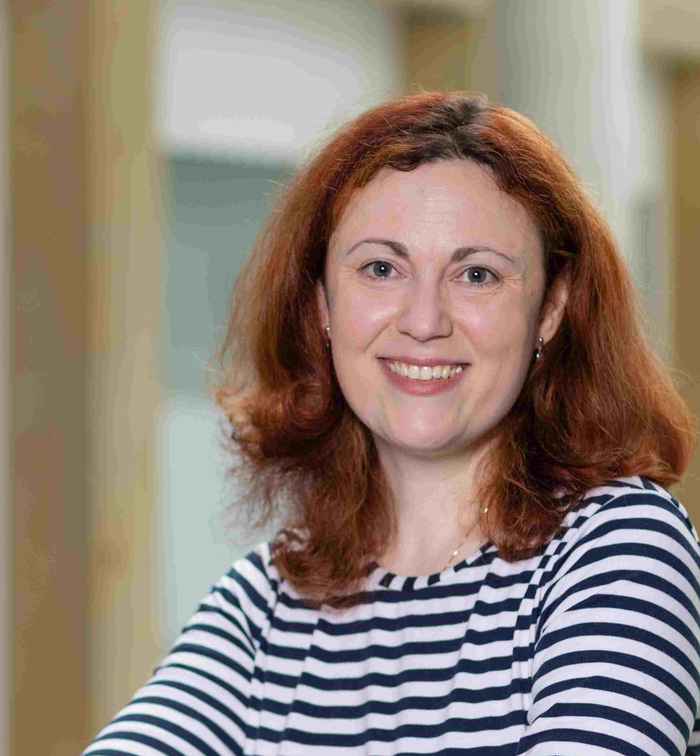
Photo: Leibniz IFW Dresden Dr Anna Isaeva (IoP)Disorder put to good use
Quantum effects are fascinating, but can only be observed at extremely low temperatures. One approach to push the quantum world to higher temperatures is to use a newly discovered class of crystalline materials: magnetic topological insulators (MTIs). In Anna Isaeva's project, the search is on for new MTIs with exactly the right properties to be used for next-generation spintronics applications, energy-saving and quantum technologies. Where traditionally disorder is the enemy of crystalline materials, the researchers will exploit intermixing disorder, swapping magnetically active atoms around in the crystalline lattice to create robust designer magnets that accomodate quantum effects.
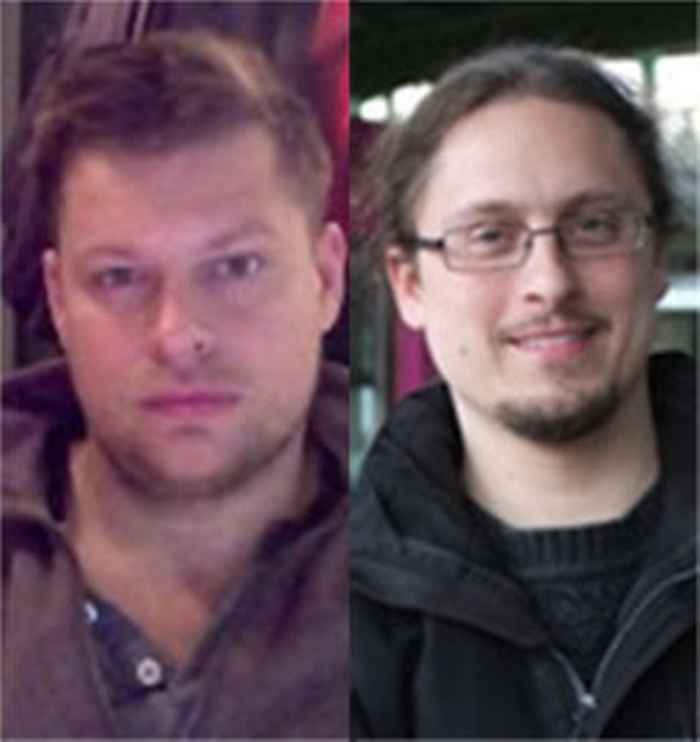
Photo: Daan Meerburg and Cristof Weniger Dr Daan Meerburg (RUG) and Dr Christoph Weniger (ioP)What is the origin of the Universe?
In an attempt to address this question, the research project that Daan Meerburg and Christoph Weniger propose will use clever and very advanced computer algorithms. By simulating and analysing radiowaves from the early universe, the researchers will explore whether these algorithms can distinguish a signal from the early universe from the noise and provide clues about its origin. Results from the work will be of direct importance to existing and upcoming radio experiments with direct involvement of the Dutch astronomy community.
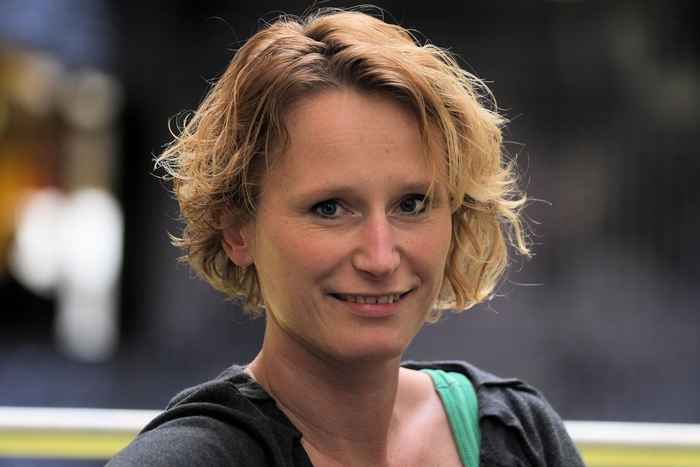
Photo: SILS Dr Petra Bleeker (SILS)Trichome truckers: how self-defence metabolites are transported and stored in tomato gland cells
Plants produce a large variety of specialised metabolites involved in stress response and interaction with the environment. Wild ancestors use specialised metabolites to protect themselves against pest and pathogens. In tomato self-defence metabolites are produced and stored in special glands, glandular trichomes. It is not yet known how they are transported from the cells that make them into the storage cavity for accumulation until needed. Bleeker and her team will elucidate this defence-metabolite transport. Understanding how wild tomato ancestors do this, might enable breeders to rearm cultivars with their own defence metabolites reducing their reliance on chemicals.

Photo: Eva Nave Dr Fernando P. Santos (IvI)Reputation as a new route to cooperation in multi-agent reinforcement learning.
Artificial agents are likely to face the same dilemmas of cooperation that humans evolved to solve. To design efficient systems where collective gains are maximised, artificial agents must learn to forego their self-interest and spend effort to help others. How to design adaptive agents that autonomously learn to cooperate? In this project we study how to use reputation systems to sustain cooperation among agents adapting through trial-and-error (that is, through reinforcement learning). We will explore how reputations should be assigned to sustain cooperation in the long-run, and how to design reputation systems in increasingly complex environments.
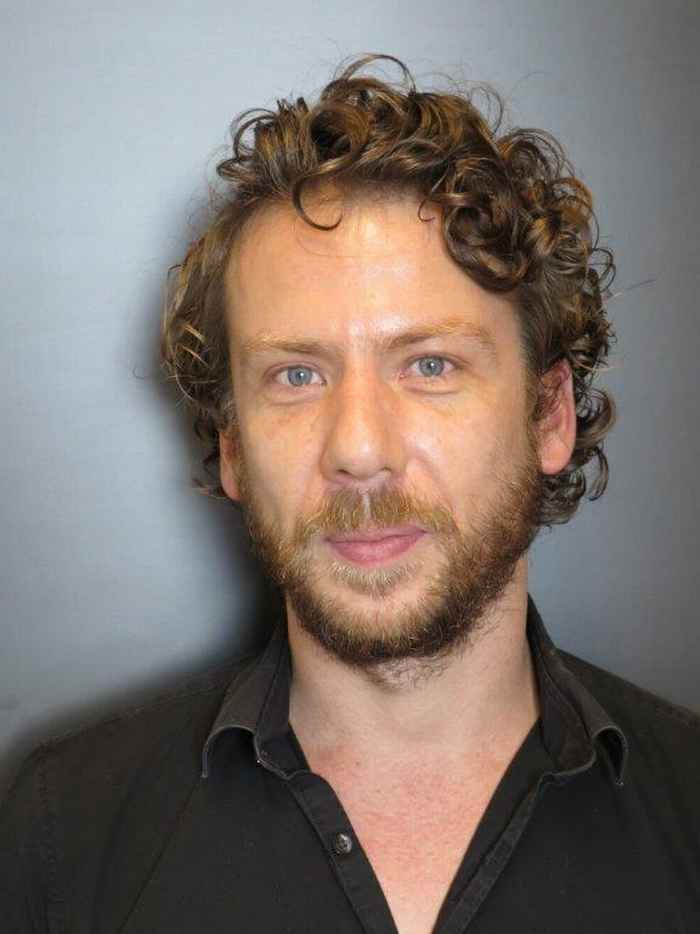
Photo: Jose Komen Dr Jordy de Vries (IoP)The mystery of the missing mixing angle
Quarks are elementary particles that combine to form atomic nuclei. Quarks come in six flavors and it is possible for one quark flavor to mix into another, causing nuclear radioactive decays. Our current best model of how nature works at the smallest scales predicts how this mixing should work, but these predictions disagree with the most precise experiments. In Jordy de Vries' proposal, new calculational methods are developed to resolve the quark mixing mystery and to find out who or what is the culprit behind it.
 Dr Boris Jansen (UvA)
Compost effects: balancing Carbon, Microbes and Pesticides in African soils
The increased usage of compost, following the shift towards more sustainable soil management in agriculture, shows promising benefits for increasing yields. However, the effects of its application are not fully understood. It may introduce pollutants and alter existing soil dynamics. In this study, focusing on Kenya’s rose cultivation, we will research the long-term effects of compost addition on carbon stabilization, pesticide dynamics, and bacterial communities. By combining (ongoing) field- and lab experiments we want to provide insights for sustainable composting management, aiming to improve global practices.
-
Prof. Helmut Kessels and Dr Joachim Goedhart (UvA/UvA)
Visualizing a memory
A wealth of memories is stored in our brain. How is it possible that we are able to bring one particular memory to our attention, while all other memories remain stored in our brain? This project studies the mechanisms that underlie the retrieval of a specific memory. We use advanced techniques that enable use to visualize the activation of a memory code. This research is important to understand what goes wrong when suffering from memory problems, as is seen in Alzheimer’s disease.
-
Dr. Mototaka Suzuki (UvA)
Demystifying the parallel communications in the brain
A long-standing mystery in neuroscience is that many brain areas communicate with each other through multiple, parallel pathways. Is the same information delivered to multiple locations within one area? Alternatively, is different information delivered to different locations? Because parallel connectivity patterns are widely found in the brain, this feature presumably play a fundamental role in brain computations. This project will study such parallel pathways in the brain through combined use of state-of-the-art techniques and tiny optical tools I have recently developed. This new approach has potential to make a significant contribution to our understanding of the brain’s mysterious parallel communications.
-
Dr Sara Jabbari-Farouji (IoP)
Understanding the Collective Patterns of Active Polymer-like Matter
Sara Jabbari-Farouji and her team are ging to try and model the spectacular patterns of collective motion in birds and fishes. While simple statistical physics models successfully explain collective phenomena in some autonomous systems, real life is more complex. For example, biopolymers in the cell and blobs of entangled worms are not rigid, as assumed in models. Jabbari-Farouji will develop new theoretical and computational methods to understand patterns of collective behavior of semiflexible active filaments. This will help her team understand the biological function of collective self-organization and to uncover principles for designing smart filament-like materials with dynamic capabilities like shape-shifting or self-healing.
-
Dr Robert Spreeuw and Dr Rene Gerritsma (IoP)
Via curve balls and optical tweezers to a quantum gate
Quantum computers can potentially solve certain problems much faster than their classical counterparts. In their project, Robert Spreeuw and Rene Gerritsma aim to realize a novel type of quantum logic gate for trapped-ion qubits: to make qubits interact controllably and generate quantum entanglement. Their gate is based on an optical analogy of the Magnus effect, better known for curving the trajectory of a spinning ball through the air. In the project, the researchers will use optical tweezers to push ion qubits to a side depending on their logical state, yielding just the type of interaction needed for a quantum gate.
-
NWO ENW-XS Grants
NWO XS-grants of a maximum of € 50,000 are intended to support promising ideas and to facilitate innovative and more speculative initiatives. The proposed research is ground-breaking and high-risk. What counts is that all results, be they positive or negative, must contribute to the advancement of science.
-
NWO ENW-XS Grant 2024 winners
-
Dr Tomáš Šolomek (HIMS)
From Cylinders to Prisms: Unconventional Polymers Inspired by Carbon Nanotubes
This project overcomes conceptual barriers and delivers new type of polymers that combine the best of the two worlds: The intrinsic structural characteristics of carbon nanotubes and the precision synthesis of synthetic polymers.
-
Dr Francesco Mutti (HIMS)
Pioneering a New Approach to Whole Blood Diagnostics: Redefining Fluorescence Ratiometry for Enhanced Reliability and Cost-Effectiveness
Developing innovative diagnostics is vital in developing countries, where limited infrastructure, poor access, and inadequate devices hinder healthcare. This project addresses these challenges by advancing fluorescence ratiometry for whole blood testing, overcoming the traditional limitations posed by blood's deep red color and opacity. By enabling direct blood tests, this approach aims to enhance diagnostic capabilities, especially in resource-limited settings, to better manage disease burden and pandemic threats.
-
Dr Mingui Zhou (HIMS)
Tunable Charge Separation in Organic Nonlinear Optics: A Novel Approach for Sustainable Data Storage
Utilizing organic nonlinear optics (NLO) for data storage presents significant advantages over traditional inorganic-based counterparts, including low price, eco-friendliness and sustainability. Despite these benefits, current organic NLO systems in data storage are limited due to their relatively low optical response. This XS project aims to overcome these limitations by exploring novel organic NLO systems, featuring electron donor-photoswitchable bridge-acceptor molecules. Integrating photoswitchable structures into organic NLO enables prolonging charge separation time, thereby enhancing the optical response. Notably, the optical response of these newly designed NLOs can be easily modulated with light, promising more efficient and flexible solutions for data storage.
-
Dr Sebastian Pfeilmeier (SILS)
Exploiting natural diversity to identify genetic resistance against Xanthomonas campestris
The pathogen Xanthomonas campestris pv. campestris is the causal agent of the main disease of cabbages causing serious crop losses worldwide. Little is known about defense mechanisms against this microbe. The bacterium is unique in its entry strategy as it uses water pores at leaf margins to colonize the veins. We propose to conduct a genome-wide association study exploiting the diversity of the model plant Arabidopsis thaliana (a cabbage relative) to discover novel genes important for disease resistance. Thereto, we will use an in-house developed plant imaging platform to track the disease progression and severity over time in individual plants.
-
Dr Sonja Pullen (HIMS)
Illuminating the future: developing optically transparent gas diffusion electrodes for light-driven CO2 reduction
Gas diffusion electrodes (GDEs) are an emerging technology in electrochemical conversion of CO2. Because GDEs are made from black carbon-materials, in such systems light cannot be used to drive reactions like CO2 conversion. Illuminating light-responsive electrodes significantly reduces operating potentials required in electrocatalysis, thus allowing more sustainable energy use. This XS project aims at the development and implementation of novel materials for optically transparent gas-diffusion electrodes, enabling the use of light. In combination with integrated catalysts, novel electrode materials will find application in photo-electrochemical cells for light-driven conversion of gaseous pollutants such as CO2.
-
NWO/ZonMw Rubicon Grant
For academics who recently obtained their doctorates, a Rubicon grant makes it possible to work 24 months at a foreign institution that offers the best environment for their research.
-
NWO/ZonMw Rubicon Grant 2024 winners
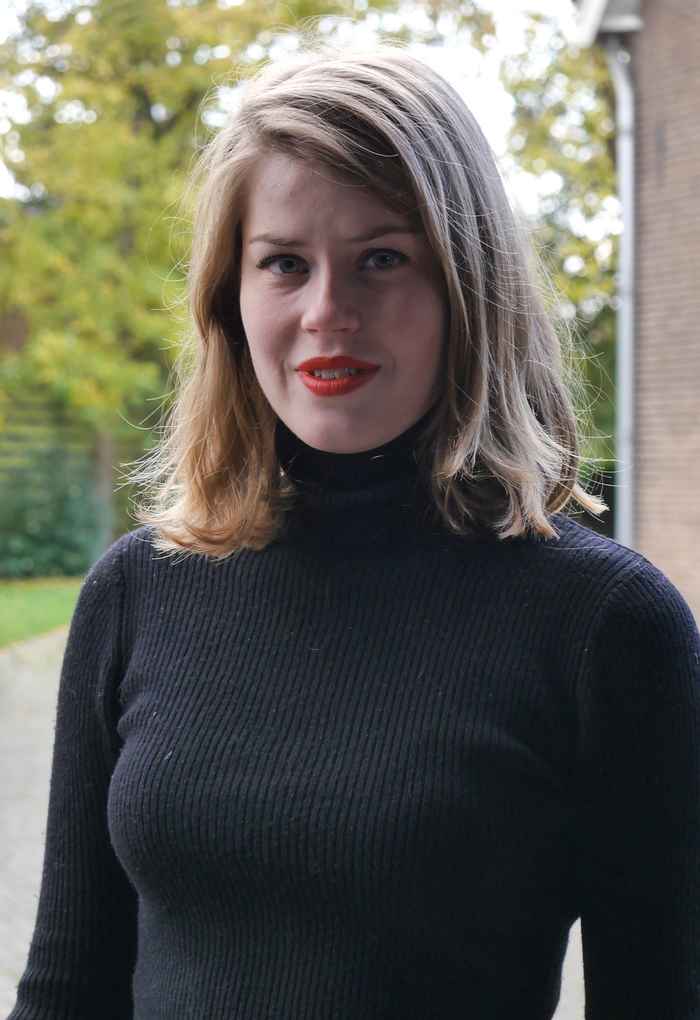
Photo: Eva Meeus / HRSMC Dr Eva Meeus (HIMS)To realize cancer treatments with reduced side effects, I will study a new synthetic methodology based on shuttle catalysis to locally activate drugs. This methodology allows the conversion of inactive drugs into active anticancer drugs. The local performance of this conversion in cancer cells will help to prevent side effects.
-
Dr Jasper van de Kreeke (KdvI)
Strengthening the mathematics of string theory
According to string theory we live in 10 dimensions, so 6 more than just space and time. Mathematicians interpret these extra dimensions as a connection between two different types of geometry. Van de Kreeke will demonstrate that this connection is much stronger than expected by applying insights from knot theory.
Van de Kreeke will spend a period of two years at the University of California, Berkeley (USA).
-
Dr Ryan van Mastrigt (IoP)
Machine Learning to Control Self-Folding
Self-folding – a chain folding itself into a shape – is nature’s preferred fabrication method, but it is hard to control in model systems. The researcher aims to use machine learning to control this folding and thereby create new materials at the micron scale.
-
Dr Matteo Mazzanti (IoP)
Next-Generation Ion Trapping: Scalable Micro-Penning Trap Arrays for Quantum Computing and Simulations
The project aims to use microfabricated Penning traps as a new platform to tackle the scalability challenges facing current trapped ion quantum computing systems, presenting an innovative approach for advancing quantum information science.
-